
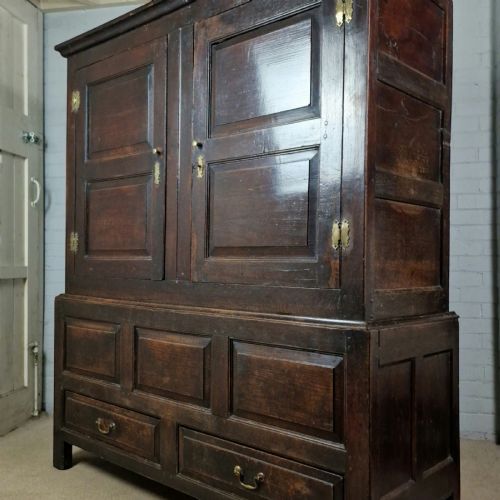
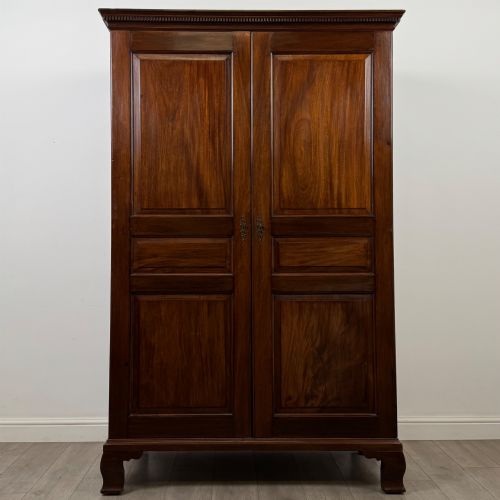
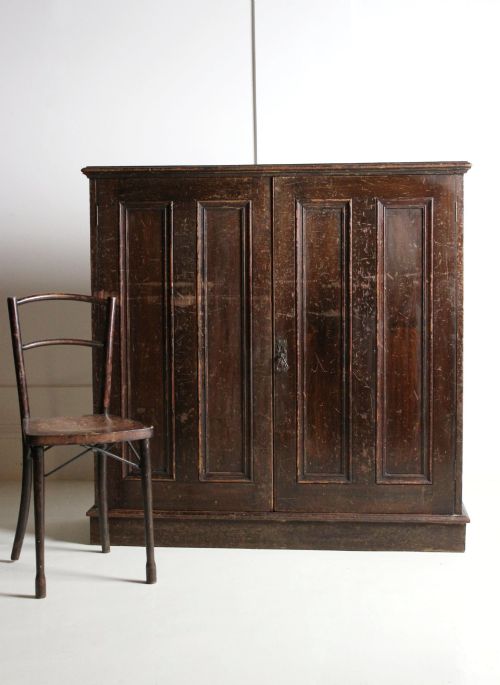
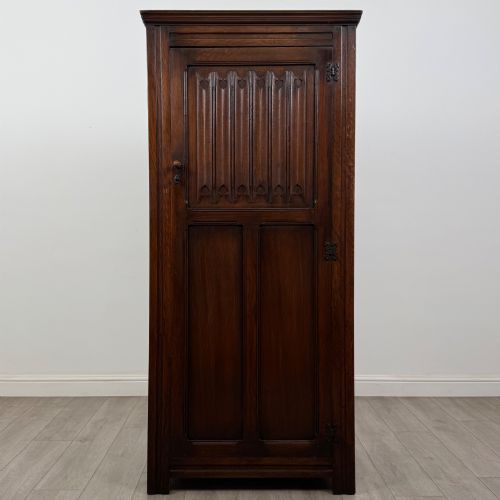
Vintage Storage Armoire
A vintage storage armoire brings practical capacity and period character to a room, offering deep hanging space and deep shelves for everyday belongings.
Vintage Storage Armoire
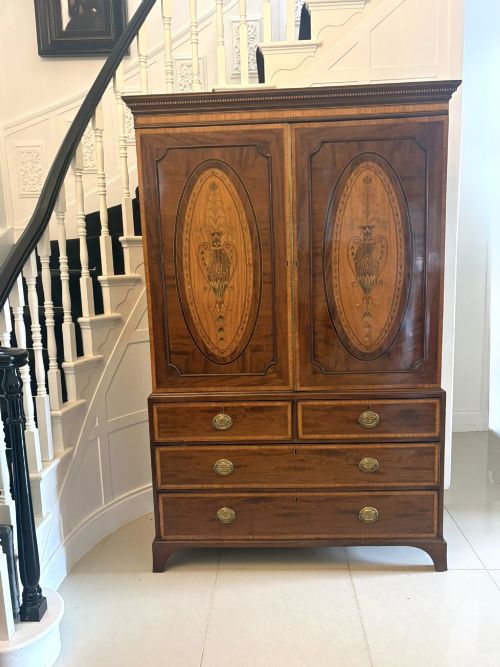
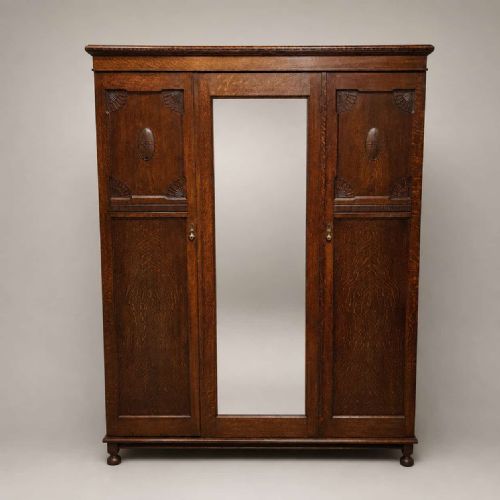
A vintage storage armoire encompasses large timber wardrobes, housekeepers cupboards, linen presses and freestanding cabinets designed for domestic organisation. When searching for a vintage storage armoire, buyers encounter pieces spanning the nineteenth and twentieth centuries, built to house garments, linen and household provisions.
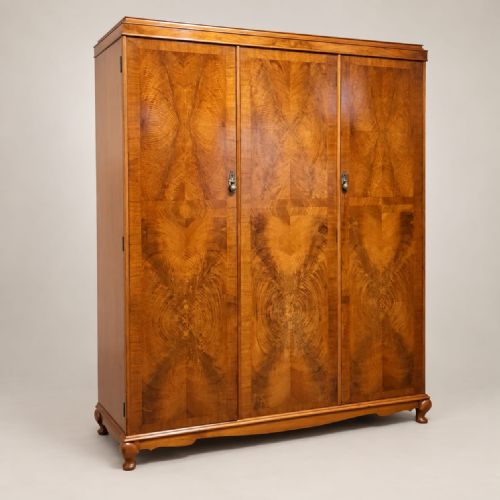
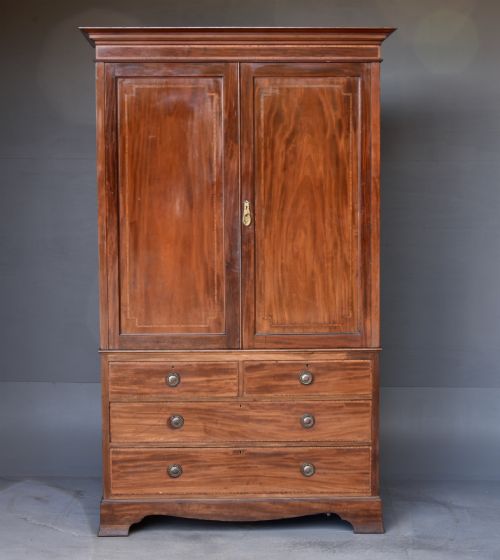
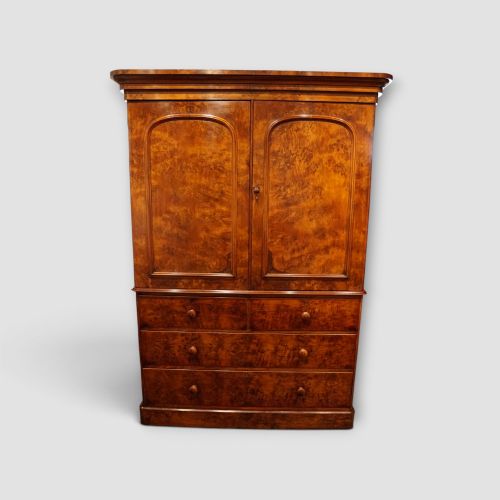
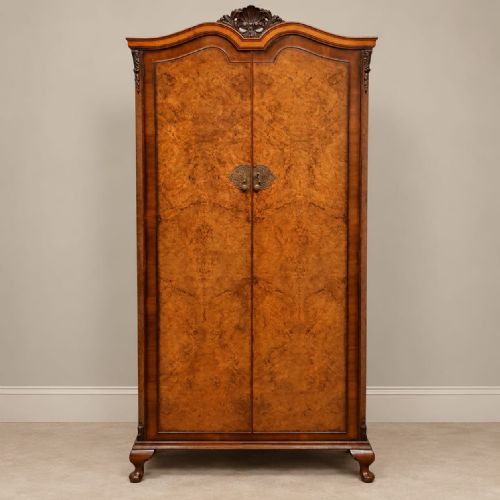
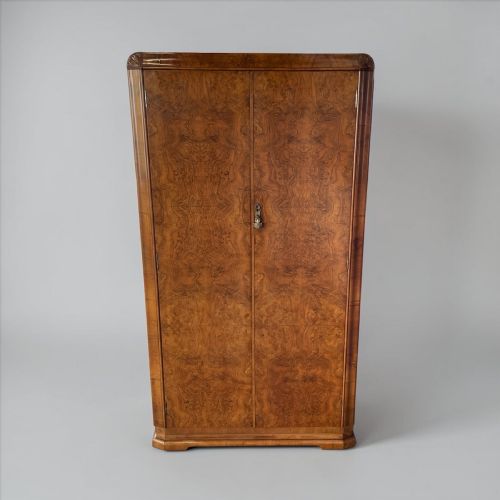
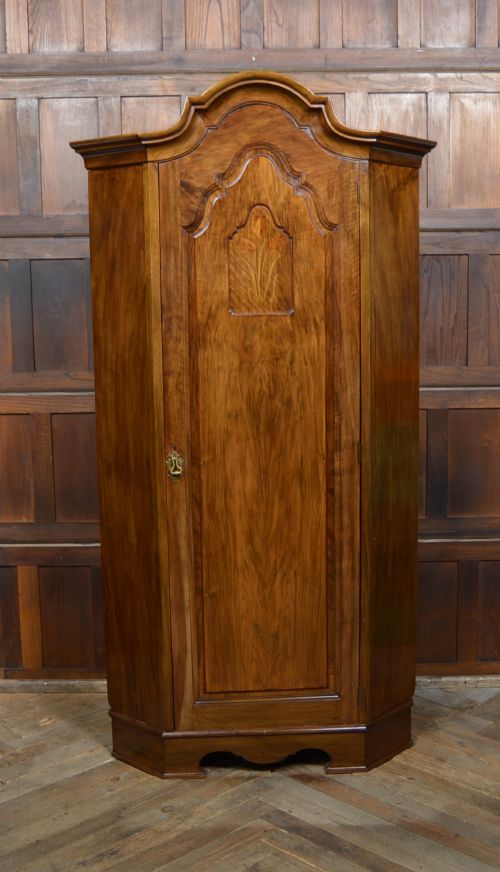
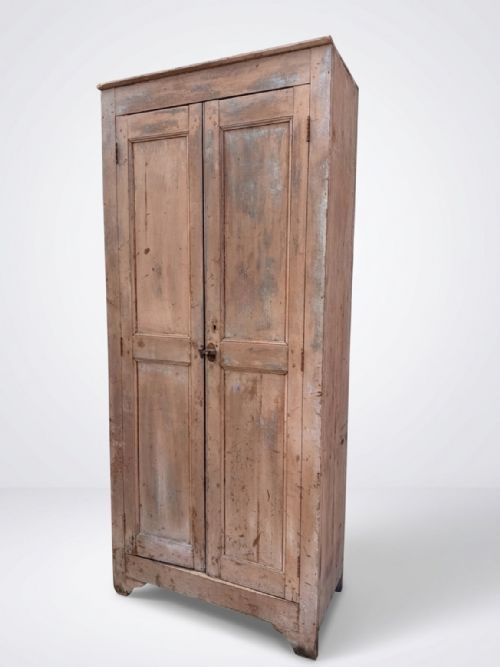
The selections on this page range from Victorian pine and burr walnut wardrobes to Edwardian oak cupboards and later Art Deco designs. French provincial pieces and traditional Indian teak almirahs also appear, alongside Georgian mahogany linen presses fitted with interior drawers.
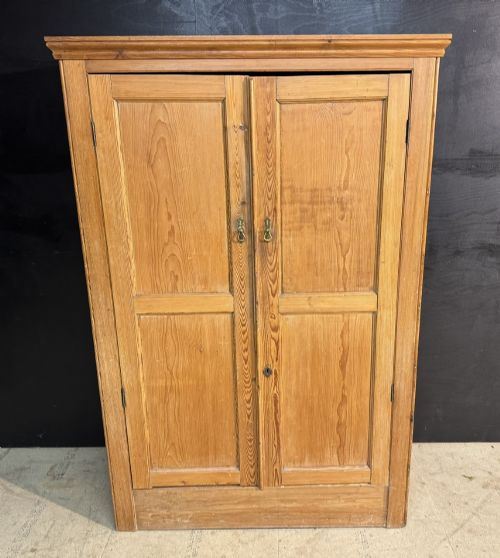
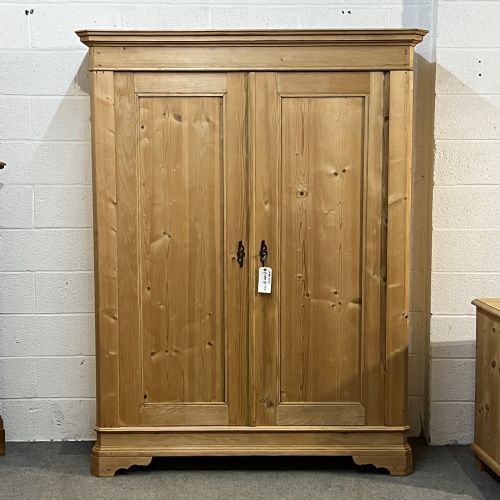
Tall double and triple wardrobes dominate the available forms, often featuring panelled doors, cornice details and internal hanging rails or linen slides. Buyers meet everything from stripped pine utility cupboards to figured walnut and satinwood inlaid showpieces.
Evaluating the standard of execution
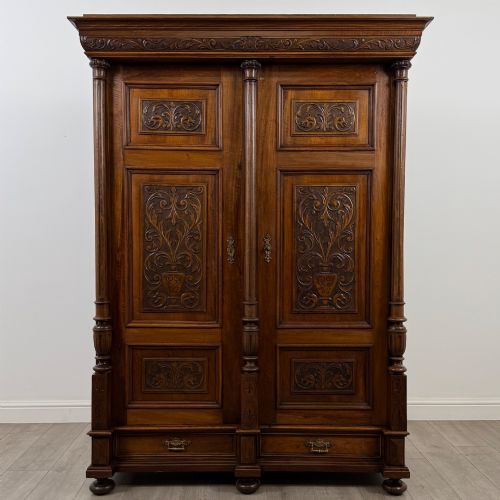
Quality rests on the selection of timber figures, such as matched burr walnut veneers or finely grained flame mahogany, contrasted against plain utility pine. Superior execution shows in the crispness of blind fretwork cornices, tightly fitted doors and original brass or iron hardware.
Structural integrity separates workshop masterworks from basic utilitarian pieces, visible in the weight of the timber and the stability of large panelled doors. Internal fittings like original linen slides and mahogany drawer boxes elevate the standing of a piece.
Listings feature nineteenth-century pine, Edwardian oak, and 1920s burr walnut alongside decorative painted steel and Indian reclaimed teak.
maples & co
The Vintage Storage Armoire Glossary
- Linen Press
- A tall cabinet featuring upper sliding trays or shelves enclosed by doors, positioned above a chest of lower drawers. These items were traditionally used to store folded sheets and table linen.
- Almirah
- An upright cupboard or wardrobe originating from the Indian subcontinent, frequently constructed from reclaimed teak and featuring panelled doors. These freestanding storage units serve as substantial statement furniture.
- Housekeepers Cupboard
- A large utility storage piece historically kept in large country houses to store provisions, crockery or linens. They typically combine lower drawers with upper door enclosures.
- Cornice
- The moulded horizontal projection that crowns the top of a wardrobe or cupboard. Better examples feature decorative carvings such as blind fretwork.
- Scumble
- A translucent decorative paint technique applied over a base coat to imitate the grain of richer woods or create a mottled texture. It appears frequently on nineteenth-century pine country furniture.
Vintage Storage Armoire: Frequently Asked Questions
What is the difference between an armoire and a wardrobe?
An armoire traditionally describes a tall freestanding cupboard with doors enclosing shelves or hanging space, originating from continental Europe. A wardrobe is the standard British term for a tall piece primarily built for hanging garments.
In modern usage, the terms overlap significantly, particularly when describing large antique storage furniture imported from France or India.
How do I fit modern clothes hangers inside?
Many older wardrobes were constructed with shallow depths or fixed wooden peg rails rather than modern metal hanging rails. This occurred because historical garments were folded or hung differently than contemporary suits and coats.
Buyers often install brass or wooden rails set front-to-back if the internal depth is restricted, or utilise the original shelving configurations for folded storage.
Are these large cupboards easy to dismantle?
Large nineteenth-century pieces, particularly French armoires and knockdown wardrobes, were engineered to be taken apart for transport and installation. They utilise wedge systems, wooden pins or heavy iron bolts to secure the cornices, sides and base together.
Solid oak and mahogany triple wardrobes from the twentieth century, however, often remain as single rigid units that require careful measurement of doorways and stairwells before delivery.
How should I care for timber finishes?
Solid woods and veneered surfaces benefit from application of natural beeswax or appropriate nourishing furniture polish to maintain moisture and prevent splitting. Avoid placing antique cabinets in direct sunlight or near heat sources, which causes timbers to warp and veneers to lift.
Painted or scumble-finished pieces require gentle dusting with a dry cloth, avoiding harsh chemical cleaners that strip historical pigments.