




Continental Armoire Cupboard
A continental armoire cupboard brings substantial storage and distinct regional character to a room, offering generous proportions and historic charm.
Continental Armoire Cupboard
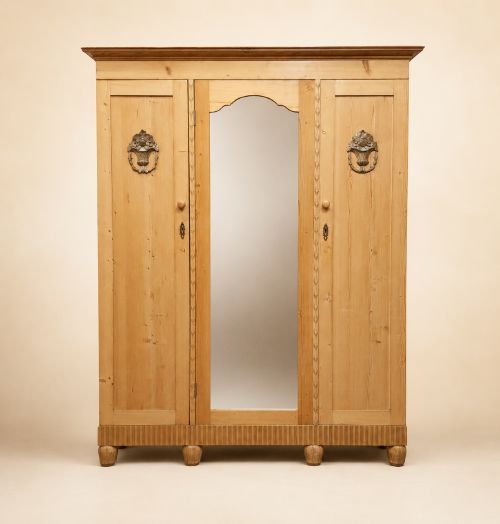
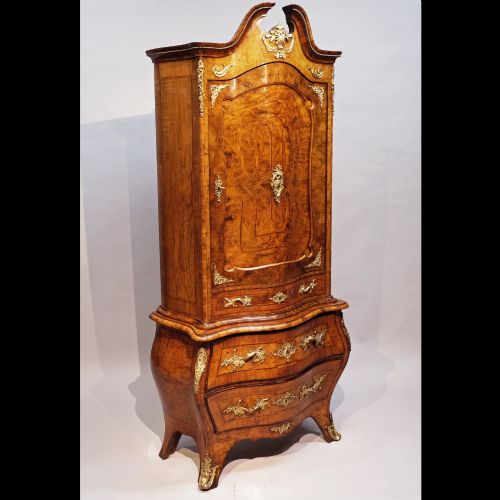
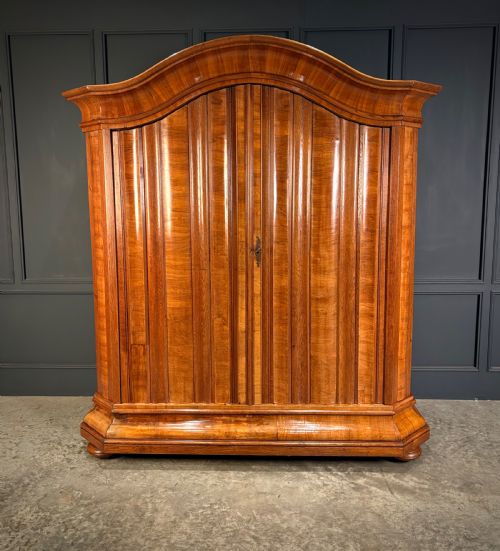
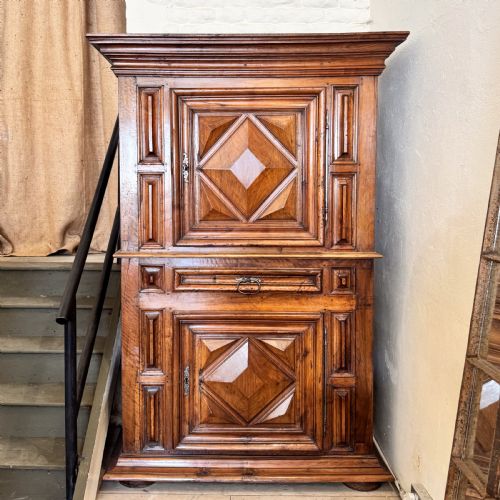
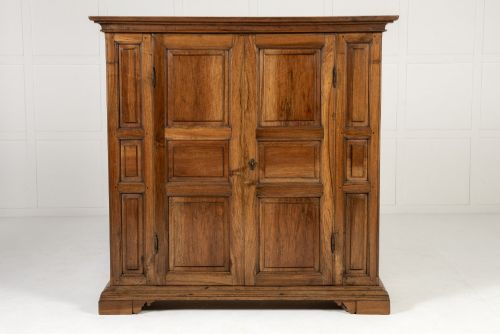
When searching for a continental armoire cupboard, buyers encounter large storage pieces originating from across Europe, ranging from grand Italian and German armoires to painted Hungarian hall wardrobes. These versatile items function primarily as wardrobes, storage cupboards, and display cabinets within domestic spaces.
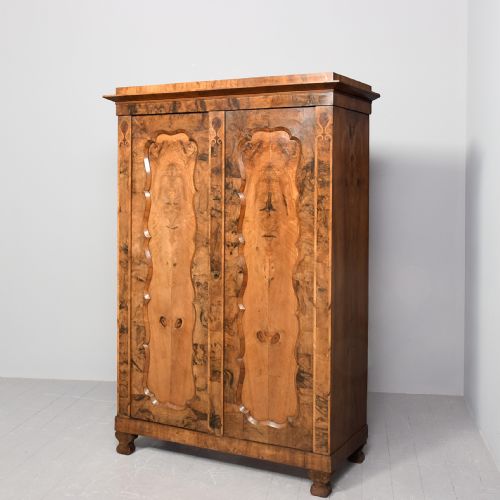
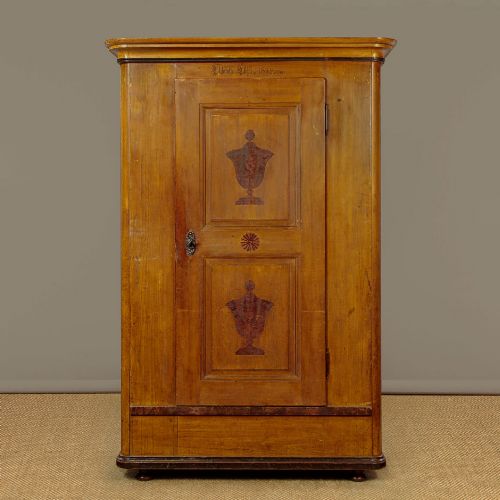
The version most commonly met on this page is the nineteenth-century pine or walnut wardrobe, often featuring painted surfaces or rich wood grains. Examples span multiple centuries, including eighteenth-century marriage cupboards and Dutch linen cabinets.
Regional styles dominate the selection, encompassing Biedermeier, Baroque, and Rococo revivals alongside country pieces. Buyers find both single-door and multi-door configurations designed for substantial garment storage.
How they were made
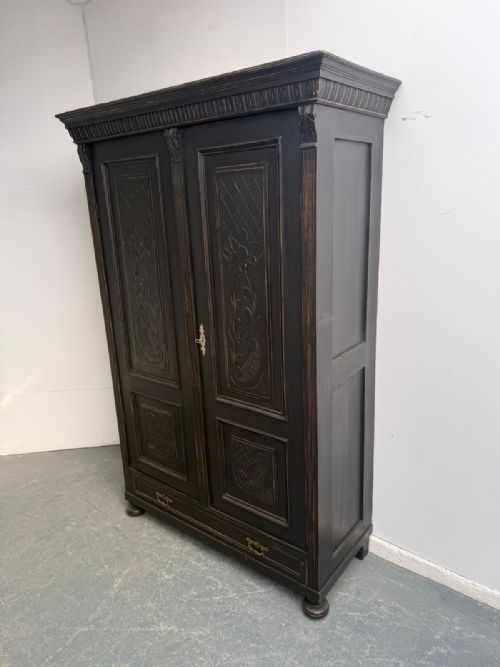
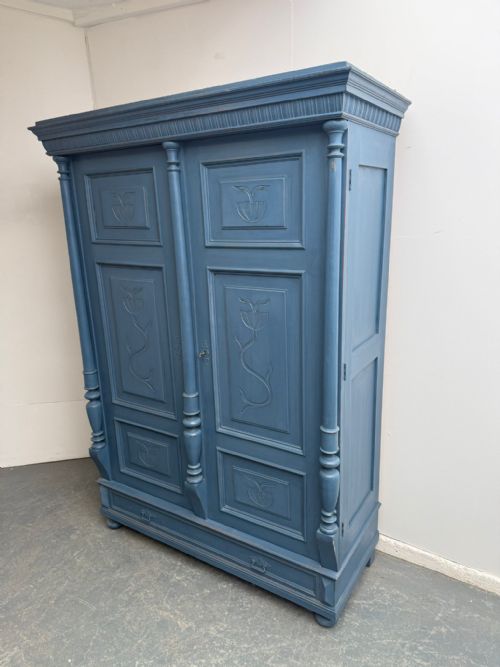
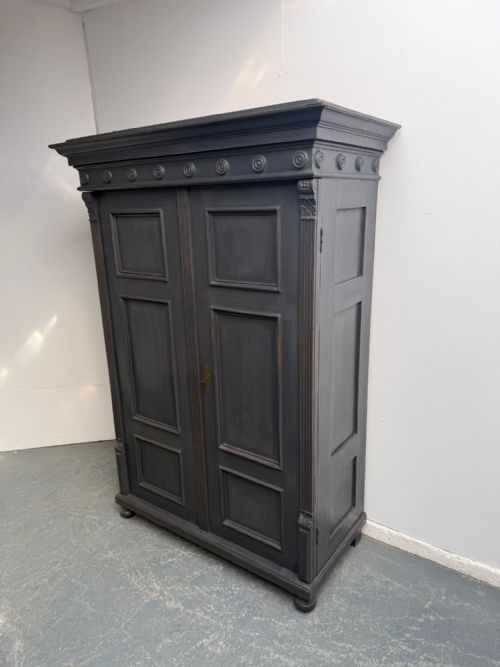
Joiners and cabinetmakers utilised primary timbers such as pine, oak, walnut, mahogany, and rosewood, frequently incorporating brass and iron hardware for hinges and locks. Painted finishes appear frequently, rendered in blue, black, or grey over pine and oak.
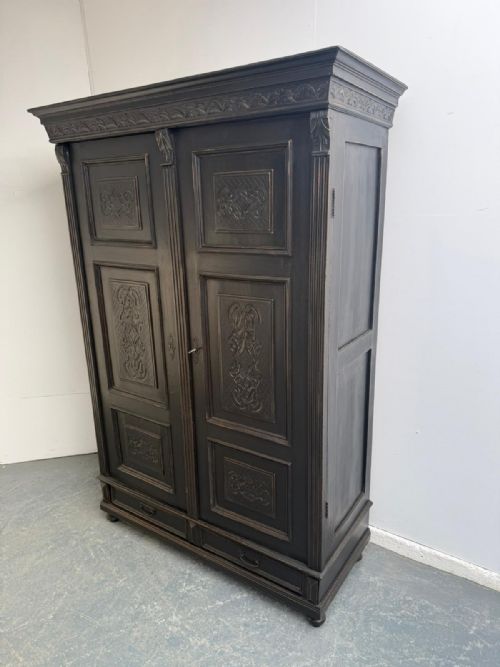
Construction techniques include solid wood joinery, walnut veneering, and carved ornamentation characteristic of regional workshops. Many pieces utilise wax or painted coatings to preserve the timber and surface decoration.
Listings span multiple centuries, from the seventeenth to the twentieth, featuring pine, oak, walnut, mahogany, and rosewood.
What varies in quality
The distinction between tiers rests upon the selection of timber, such as figured walnut or dense oak, versus standard painted pine. Finer examples display sophisticated veneer work, intricate carving, and well-preserved original painted surfaces.
Proportion and structural integrity also divide the range, with superior items maintaining balanced architectural lines and original hardware. The subtlety of regional styling and the execution of period details distinguish simpler utility pieces from grander salon examples.
The Continental Armoire Cupboard Glossary
- Armoire
- A tall wardrobe or cupboard, traditionally used for storing clothing. Continental examples often feature deep interiors and substantial double doors.
- Biedermeier
- A central European style spanning the nineteenth century, characterised by utilitarian comfort, clean lines, and minimal ornamentation that highlights wood grain.
- Marriage cupboard
- A painted or decorated storage piece traditionally commissioned or gifted for a wedding. These items frequently display dates, initials, or symbolic motifs.
- Grunderzeit
- A nineteenth-century German period style drawing on historicist revivals. Pieces from this era often incorporate walnut veneers and architectural revival elements.
- Linen cupboard
- A deep storage cabinet designed for household textiles. Early examples often feature panelled doors and sturdy oak or walnut construction.
Continental Armoire Cupboard: Frequently Asked Questions
How do I use a continental armoire cupboard?
These pieces serve primarily as wardrobes, linen stores, or general storage cupboards in bedrooms and hallways.
Their deep interiors accommodate hanging rails or shelving depending on the internal configuration of the specific cabinet.
What is a marriage cupboard?
A marriage cupboard is a traditional painted storage piece commissioned to celebrate a wedding.
They often feature decorative painting, dates, or regional motifs specific to their area of origin.
How do I date a wooden armoire?
Dating relies on observing construction methods, timber choices, and stylistic markers such as Biedermeier veneer or Baroque carving.
Hardware, hinges, and painted finishes also provide evidence for the period of manufacture.
Are these cupboards easy to disassemble?
Many continental armoires and wardrobes utilise knock-down construction with wooden pegs or wedges to allow for transport.
Buyers should inspect the specific joinery to determine if the frame separates into manageable sections.