




Traditional Hall Cupboard
A traditional hall cupboard grounds an entryway, offering sturdy storage for coats and boots through centuries of robust timber construction.
Traditional Hall Cupboard
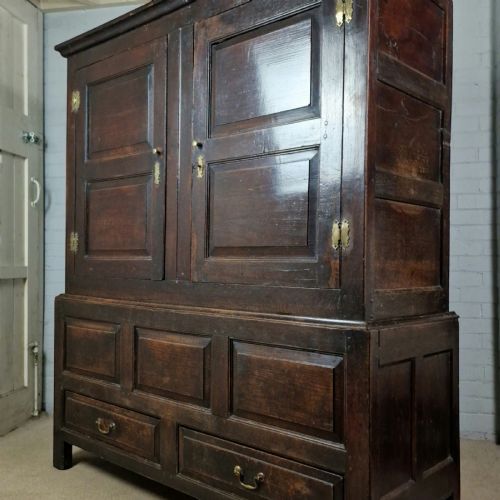
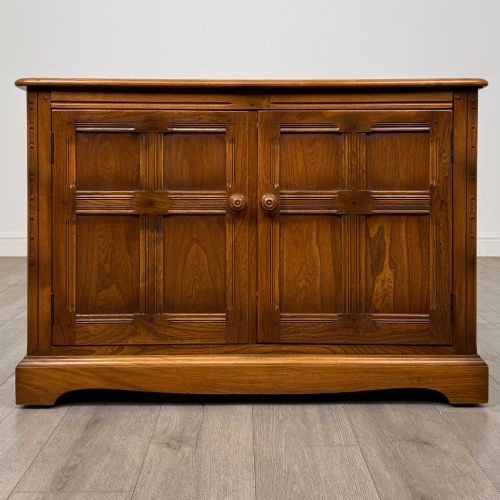
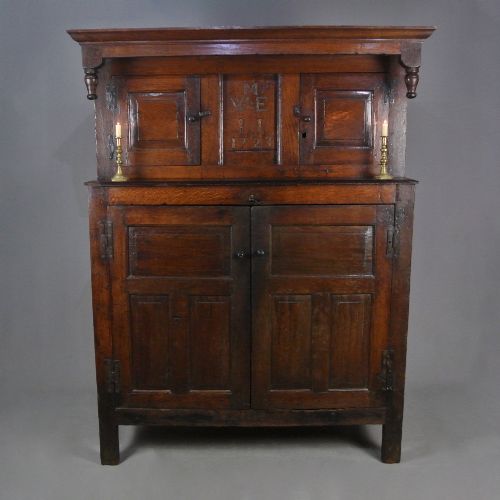
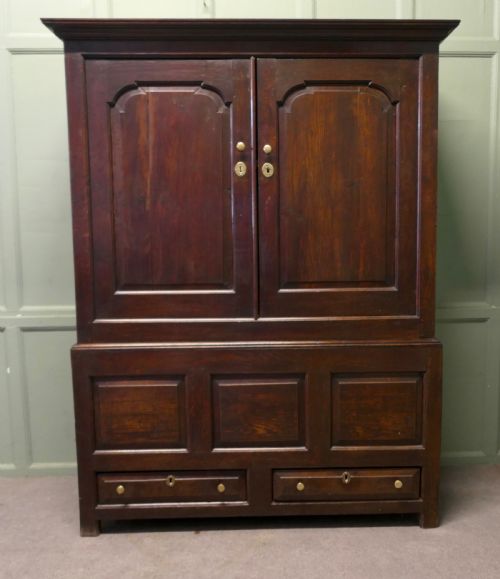
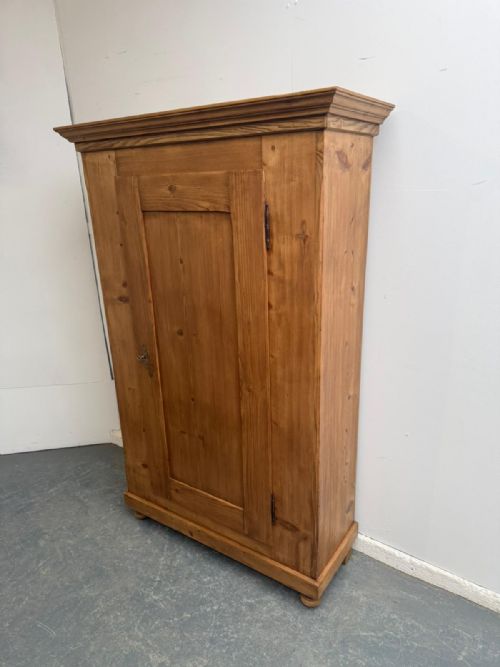
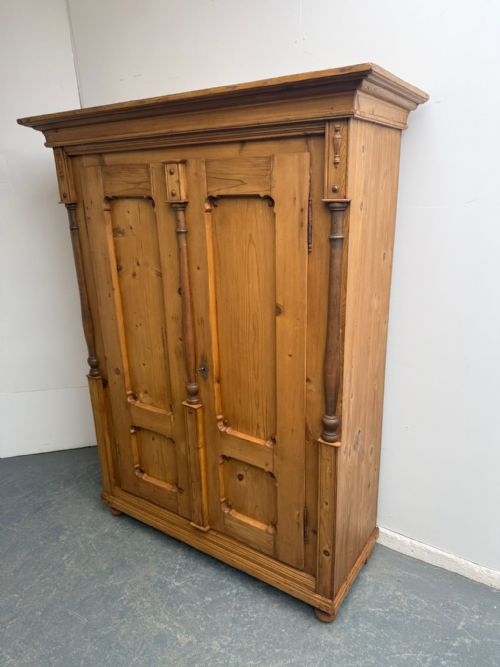
A traditional hall cupboard serves as the primary storage piece in an entranceway, keeping coats, hats and everyday items out of sight. When you search for a traditional hall cupboard, you meet various forms ranging from Georgian housekeepers' cupboards to Victorian pine wardrobes and 17th-century court cupboards.
The pieces appearing on this page span several centuries, with heavy representation from the 18th century alongside Edwardian and later reproductions. You encounter substantial oak structures built for English country houses next to painted pine wardrobes originating from Hungary, Sweden and Germany.
Form dictates function within these listings, as makers adapted cabinets into court cupboards, linen presses and shallow hall wardrobes. The selection leans heavily towards oak and pine, reflecting what rural households required for daily storage.
Materials and construction methods
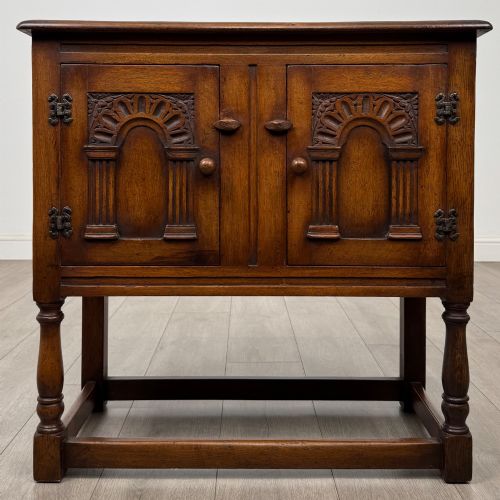
Makers relied primarily on native timbers such as oak, elm and fruitwood, supplemented by pine for painted country pieces. Carpenters joined panels using traditional methods, incorporating iron blacksmith locks and brass hinges to secure heavy doors.
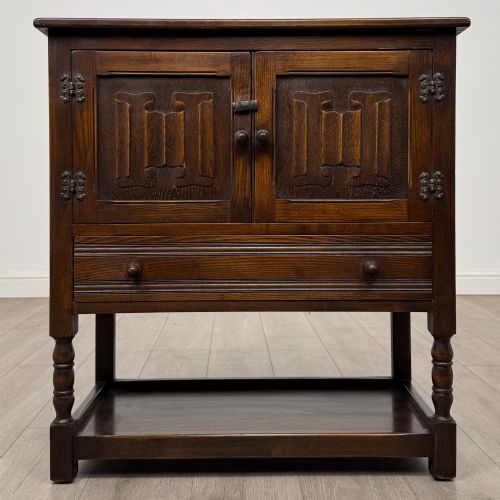
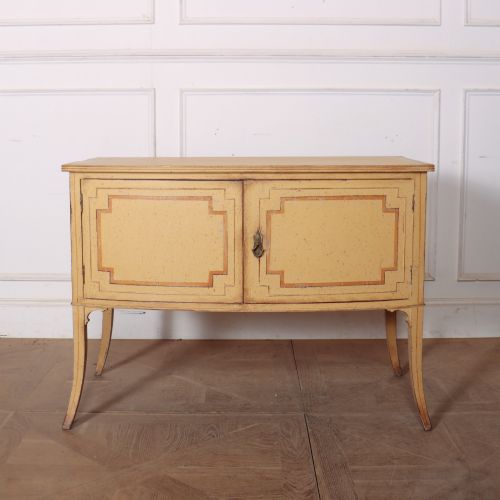
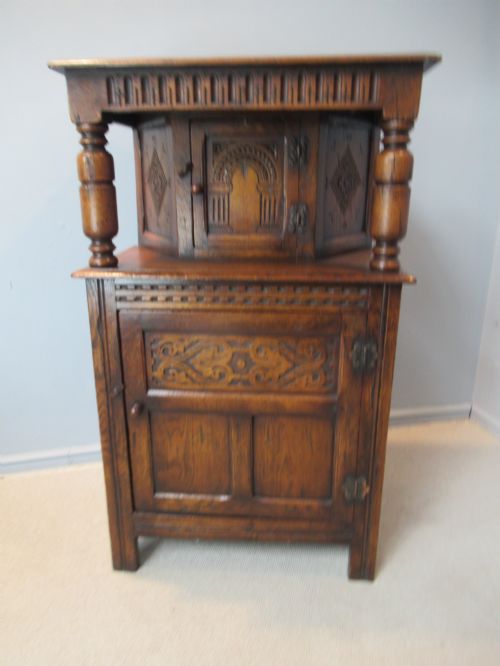
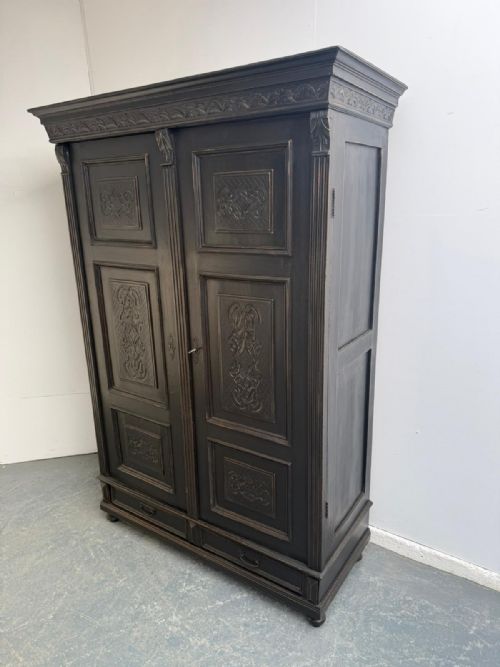
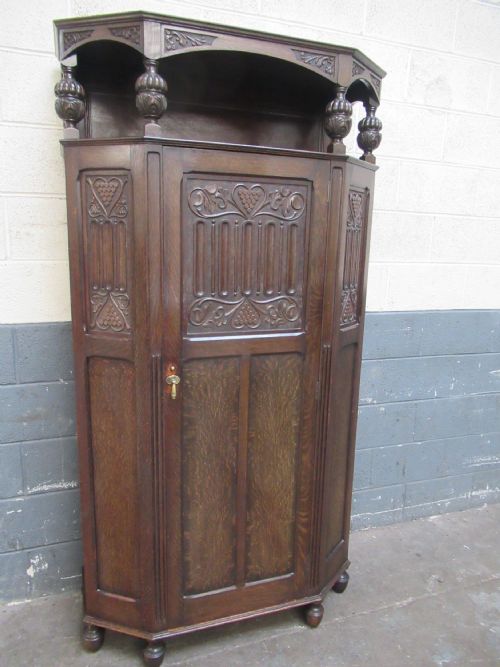
Surface treatments range from plain waxed golden oak to black paint, light grey finishes and green schemes found on continental European armoires. Carved ornamentation, linenfold panels and applied mouldings add texture to structural oak facades without compromising utility.
Listings feature solid oak and pine construction spanning from the 17th century to the 1930s, including regional forms from Britain, Germany and Hungary.
Judging the standard of execution
Quality rests upon the selection of timber and the integrity of the original joinery rather than mere age. Pieces featuring dense grain oak, intact blacksmith hardware and untouched panel construction demonstrate superior craftsmanship compared to heavily altered examples.
Proportion and scale distinguish finer country pieces, where shallow depths suit narrow hallways without dominating the room. The crispness of hand-carved details and the retention of original painted surfaces or mellow wax patination elevate certain cupboards above standard utility items.
The Traditional Hall Cupboard Glossary
- Court cupboard
- A heavy oak sideboard or cupboard featuring an upper recessed section supported by pillars, originating in the 17th century. These pieces provided display space for plate alongside enclosed storage.
- Livery cupboard
- A traditional storage cabinet designed for food or clothing ventilation, frequently fitted with turned spindle galleries. They belong to the earlier centuries of English cabinet-making.
- Armoire
- A large wardrobe or cupboard with two doors, typically of continental European origin such as German or Austro-Hungarian workshops. They offer deep interior capacity for garments.
- Deuddarn
- A traditional Welsh two-part cupboard featuring enclosed sections stacked vertically, constructed mostly in native oak. The term describes a specific regional vernacular form.
- Linenfold
- A style of woodcarving that imitates folded parchment or linen, popular on Tudor and Jacobean revival panels. It adds texture to otherwise plain cabinet doors.
Traditional Hall Cupboard: Frequently Asked Questions
Where should I place a hall cupboard?
Position your cupboard in a wide hallway, boot room or entrance lobby where sufficient clearance allows the doors to swing open fully. Measure both the floor space and the ceiling height carefully, as many older cupboards possess generous proportions.
Ensure the piece sits away from direct heat sources such as radiators to prevent the dry timber from splitting. A shallow wardrobe variant works best in narrower corridors where depth restricts movement.
How do I clean waxed oak furniture?
Dust the timber regularly with a soft, dry cloth to prevent grit accumulation in the carved recesses and mouldings. Apply a quality bees-wax sparingly once or twice a year, buffing it gently with a clean brush to maintain the sheen.
Avoid using silicone-based sprays or harsh chemical cleaners, as these strip the historic patination and soften the wood surface over time. Natural wax feeds the dry grain and protects the timber from moisture.
What is the difference between an armoire and a wardrobe?
An armoire generally refers to large, freestanding continental cabinets with deep proportions and decorative painted or carved finishes. They often stem from German, French or Hungarian workshops dating from the 18th and 19th centuries.
Traditional British wardrobes and hall cupboards tend to feature tighter joinery in native oak or pine, focusing on utilitarian storage for coats and linens. Both serve identical practical functions in a modern hallway.