


Folk Art Wardrobe
A folk art wardrobe brings hand-painted colour and regional character into a room through everyday timber storage.
Folk Art Wardrobe
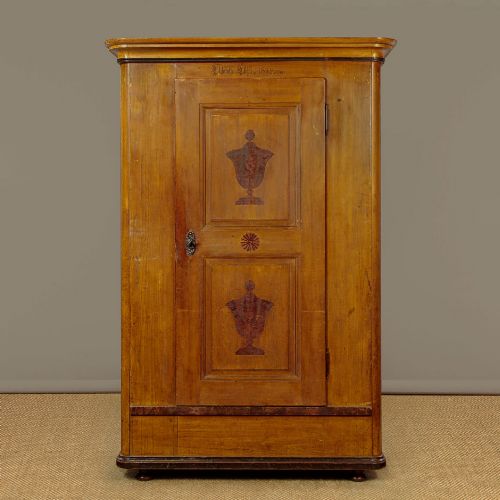
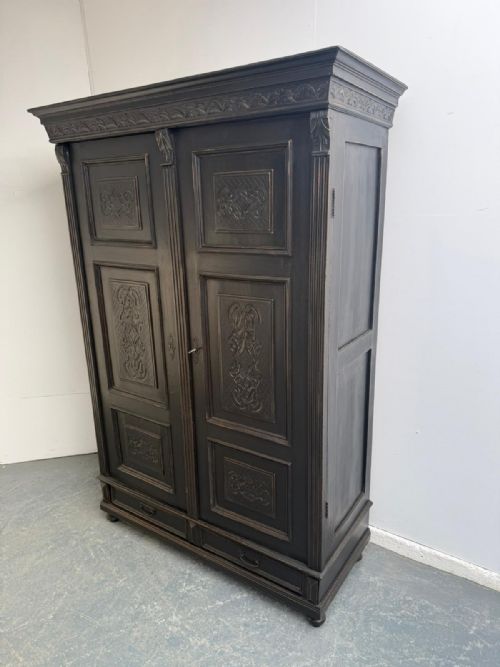
When a buyer searches for a folk art wardrobe, they are looking at large storage pieces that bridge utilitarian function and provincial decorative painting. These items include tall hall wardrobes, marriage armoires, and painted linen cupboards originating from various European and international regions.
The versions most commonly met on this page date from the nineteenth century, including pieces from the Victorian era and the Georgian period, alongside items from the eighteen-hundreds. They frequently manifest as Scandinavian country, Alpine, Italian provincial, and English country pieces.
Forms range from two-door hall wardrobes and single-piece painted black pine and oak cupboards to tall shelved cupboards and cupboards on stands. Each piece relies on regional decorative traditions rather than strict classical academic design.
How they were made
Construction relies heavily on local softwoods and hardwoods, predominantly pine and oak, built by regional carpenters for everyday domestic service. Iron and brass hardware such as hinges and latches secure the doors and structural joints.
Decoration is applied directly to the timber using paint, including traditional green, black, and ragwork finishes. Artisans applied hand-painted motifs and regional ornamentation directly onto the wood surfaces.
Listings feature items from the eighteenth century, the Georgian period, and the nineteenth century, including specific dates such as 1852.
What varies in quality
The standard of these items rests upon the survival and execution of the original painted surface relative to later repainting. Pieces with intact, early regional paintwork hold greater visual integrity than those with heavy later interventions.
Proportion and construction balance also distinguish the range, as provincial joinery varies from simple utilitarian framing to more sophisticated regional architectural facades. The integration of original iron and brass furniture further influences the character of each cabinet.
The Folk Art Wardrobe Glossary
- Pine
- A softwood commonly used for provincial furniture construction throughout Europe. It provides a stable base for decorative paint finishes.
- Ragwork
- A decorative paint technique involving rags or cloths to apply or texture colour onto a surface. This method creates mottled patterns seen on nineteenth-century storage pieces.
- Armoire
- A large wardrobe or cupboard used primarily for hanging or storing garments. European regional examples often feature double doors and painted decoration.
- Marriage cupboard
- A celebratory storage piece traditionally commissioned or decorated to mark a wedding. These items frequently display specific dates, initials, or symbolic regional motifs.
- Linen press
- A tall cupboard designed specifically for storing folded textiles and linen. They typically combine shelving with lower drawers or enclosed cabinet space.
Folk Art Wardrobe: Frequently Asked Questions
Are folk art wardrobes practical for daily storage?
These pieces offer deep shelves or hanging space behind substantial wooden doors. Their generous internal capacities suit modern bedroom or hallway use.
Interior configurations vary because regional makers built them for specific domestic needs. Buyers should check internal depths and shelf arrangements against modern clothing sizes.
How do I identify a painted pine cupboard's origin?
Origin is often indicated by specific colour palettes, decorative motifs, and regional cabinet-making structures. Swedish, Tyrolean, and Hungarian pieces each employ distinct painting traditions.
Details such as architectural mouldings and traditional iron hinges help narrow down the geographical source. Comparing the painted palette to known regional folk styles clarifies the provenance.
What is ragwork paint?
Ragwork is a decorative surface treatment where painters applied colour using cloths to create textured patterns. This technique was popular in nineteenth-century Scandinavian rural cabinet-making.
It adds visual depth to plain pine surfaces by breaking up flat colour fields. Surviving ragwork indicates an authentic regional decorative finish.
Can I dismantle a large armoire for moving?
Many nineteenth-century European armoires and large cupboards were constructed using knockdown peg joints or modular carcases. This design allowed rural makers to transport bulky furniture through narrow doorways.
Buyers should examine the construction joints to determine if the piece separates into sections. Professional installation ensures historical peg systems remain undamaged.