
Vintage Stone Garden Ornaments
Vintage stone garden ornaments bring character to outdoor spaces, ranging from classical figures to architectural staddle stones shaped by decades of weathering.
Vintage Stone Garden Ornaments
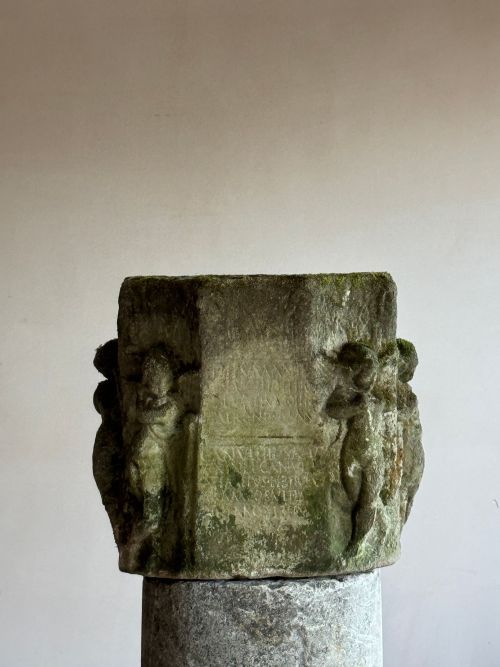
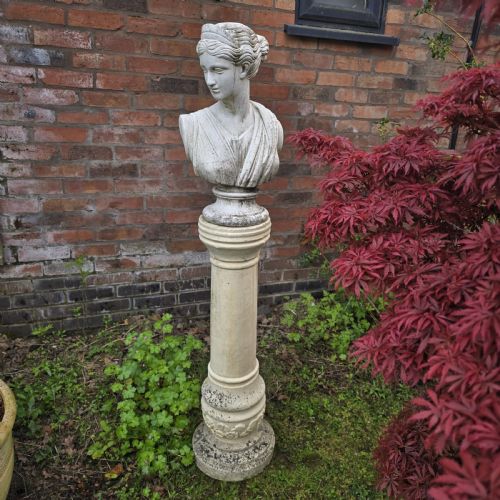
Vintage stone garden ornaments span formal neoclassical figures, rustic animal statues and utilitarian architectural salvage designed to anchor planting schemes. Pieces originate from diverse eras, with eighteenth-century sandstone examples sitting alongside twentieth-century garden statuary and campana urns.
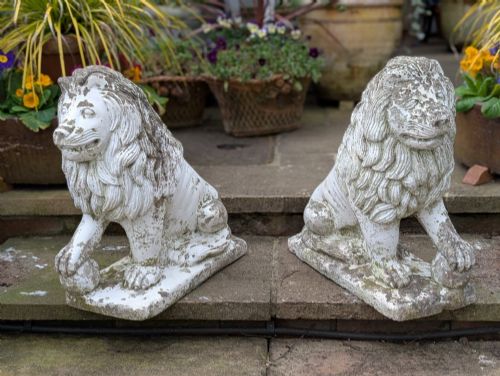
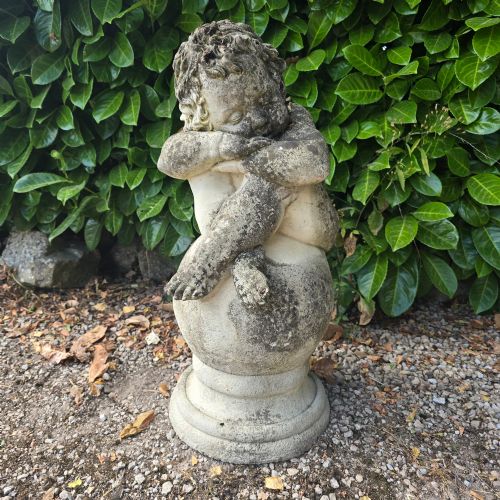
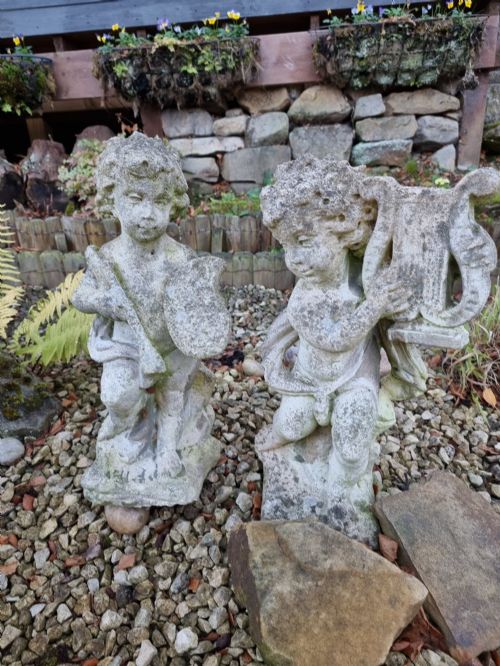
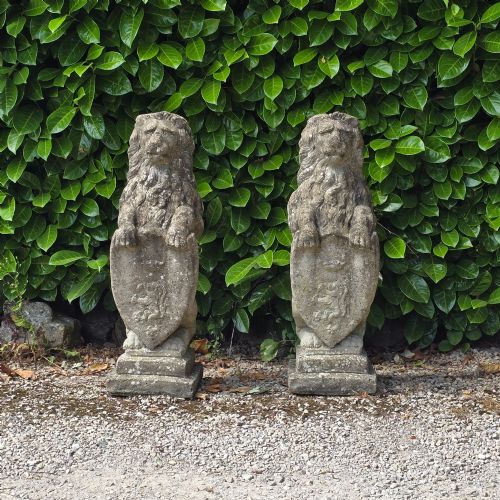
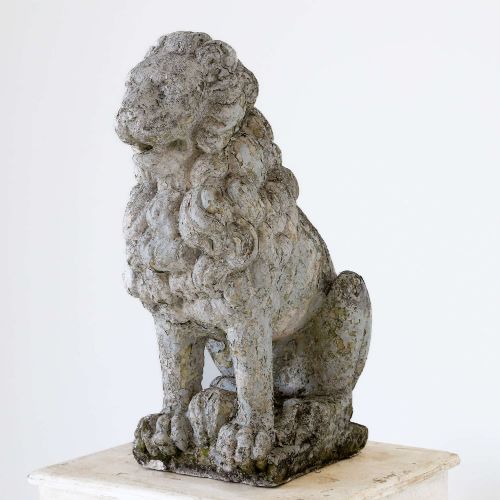
Buyers regularly encounter twentieth-century cast stone and reconstituted stone figures, including cherubs, lions, and garden bird baths. These ornaments often display deep weathering and patination acquired through decades spent exposed to the elements.
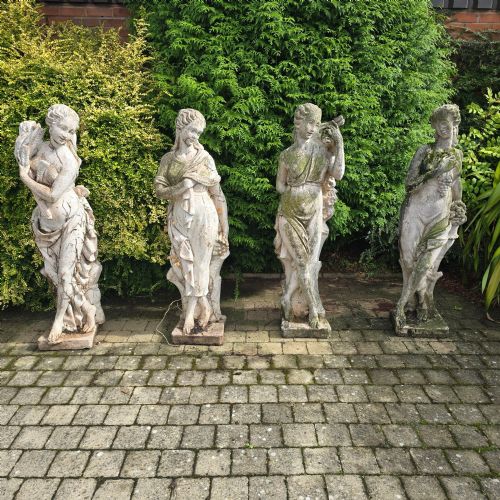
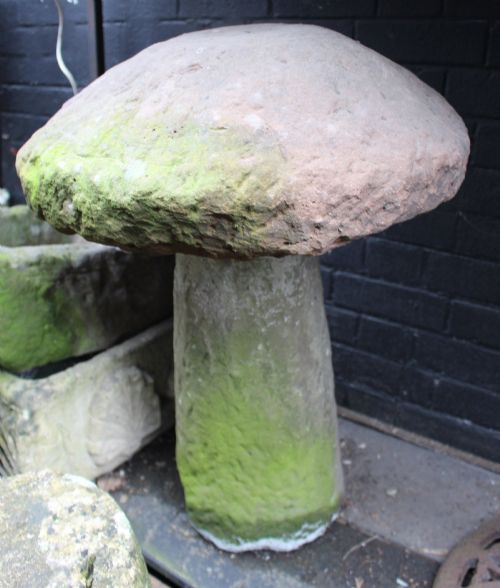
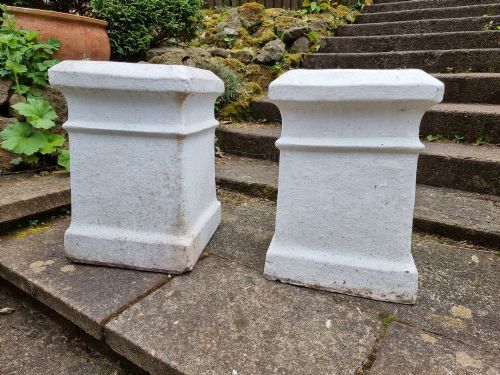
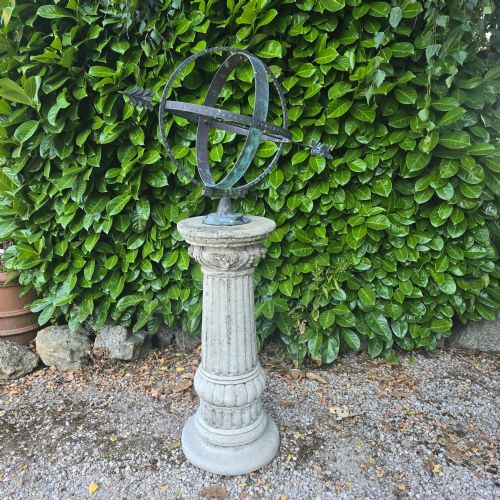
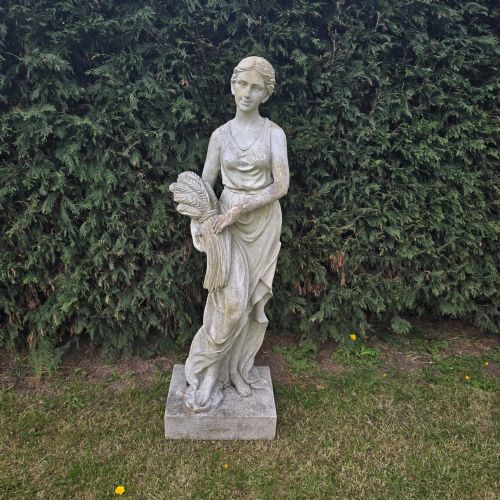
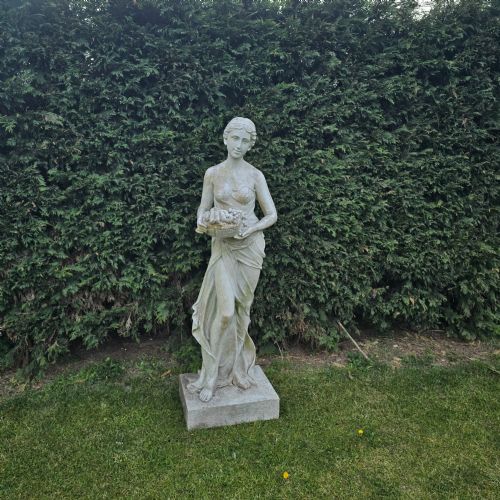
The selection includes architectural elements such as staddle stones, chimney pot pedestals, and sundials alongside life-sized figures representing the four seasons. Each piece introduces a sculptural focal point that matures visually within a garden setting.
Materials and construction methods
Makers utilised durable media including natural sandstone, marble, and concrete, alongside moulded reconstituted and cast stone. These resilient substances allowed workshops to cast or carve intricate details that withstand long-term outdoor exposure.
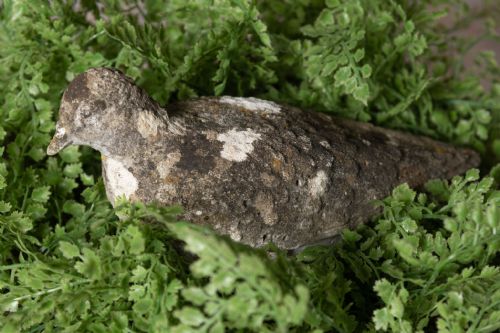
Surfaces frequently show traces of original old paint, alongside organic weathering like moss growth. This combination of material density and surface wear defines the tactile quality of older garden statuary.
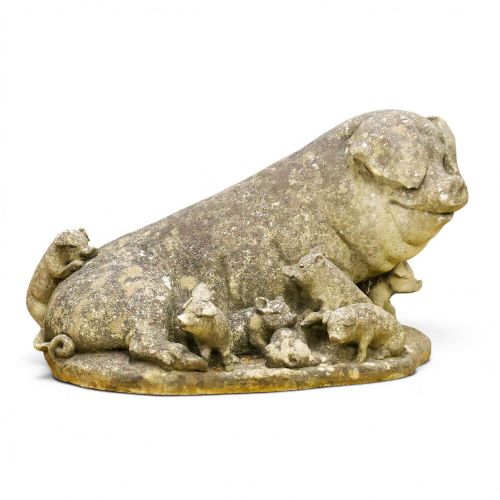
A cast stone sow accompanied by seven piglets provides permanent company for any rural vegetable plot.
Assessing quality and character
The degree of natural weathering heavily influences appeal, distinguishing harmonious organic age from mere surface degradation. Well-balanced proportions on pedestals, urns, and plinths ensure the ornament integrates successfully into landscape designs.
The Vintage Stone Garden Ornaments Glossary
- Staddlestone
- A mushroom-shaped stone support formerly used to elevate granaries off the ground to prevent damp and vermin. These architectural remnants now serve as sturdy garden ornaments.
- Campana urn
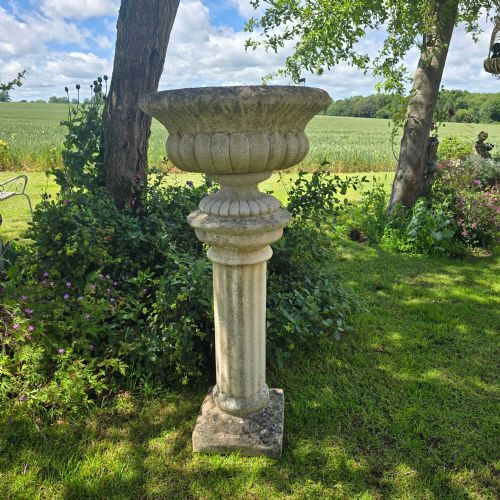
- A bell-shaped garden vessel originating in classical antiquity, typically mounted on a pedestal. They function as striking planters or formal focal points.
- Reconstituted stone
- A composite material made from crushed stone and cement binder moulded into specific architectural or sculptural forms. It offers the appearance of natural stone with high durability.
- Armillary sphere
- A skeletal sphere of intersecting metal rings representing celestial circles, mounted on a stone base or plinth as a garden sundial.
- Architectural salvage
- Building components and structural elements rescued from demolition or alteration. In gardens, these pieces find new life as planters, pedestals, or decorative accents.
Vintage Stone Garden Ornaments: Frequently Asked Questions
How do I care for antique stone ornaments?
Clean gently with water and soft brushes to preserve accumulated moss and historic patination. Avoid harsh pressure washing that erodes the stone surface.
Protect vulnerable pieces from severe freezing by raising them off wet ground during winter months.
Are cast stone pieces durable outdoors?
Cast and reconstituted stone withstands prolonged weathering when properly cured and maintained. Over decades, the material develops a stable surface character.
Substances like sandstone and concrete adapt well to changing seasonal temperatures in British gardens.
How do I date weathered garden statuary?
Examine tool marks, material composition, and the depth of organic weathering across the surface. Stylistic details often point toward specific periods like the nineteenth or mid-twentieth century.
Compare the casting technique against known manufacturing methods from eras such as the Edwardian period.
Where should I place large garden urns?
Position heavy campana urns on sturdy stone pedestals to elevate them above surrounding planting. They work effectively at the end of paths or framing architectural doorways.
Ensure the ground beneath heavy stone ornaments is level and stable to prevent shifting.