




Vintage Sterling Grape Shears
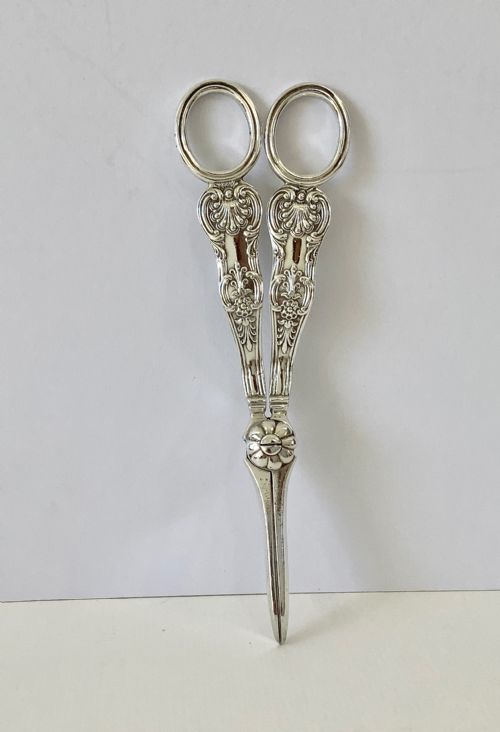
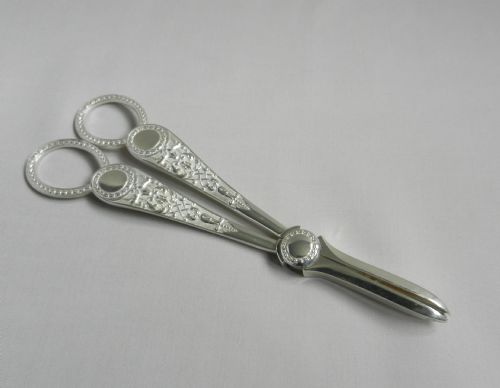
Vintage sterling grape shears are purpose-built table implements designed to harvest fruit cleanly, combining utility with distinct period craftsmanship.
Vintage Sterling Grape Shears
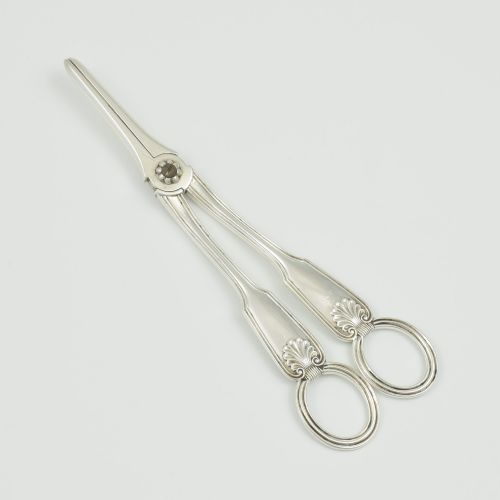
Vintage sterling grape shears are specialised cutting implements designed specifically for portioning fruit at the dining table without bruising the fruit or damaging the main stem. When exploring this selection, buyers encounter various forms spanning the Victorian, Edwardian, and mid-twentieth-century periods, alongside specific regional makers and fitted presentation cases.
The objects frequently appear under designations such as grape scissors or barware, incorporating materials like sterling silver and silver gilt alongside protective linings of velvet, leatherette, silk, leather, and satin. Stylistic influences visible across the inventory range from William IV and Early Victorian to Gothic Revival and Victorian Revival, reflecting changing tastes across generations of dining culture.
Materials and construction methods
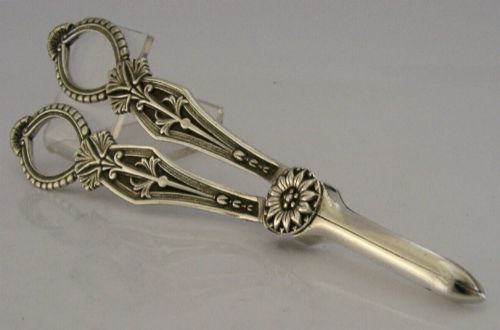
Makers utilised sterling silver and silver gilt as the primary metals for these implements, employing casting techniques to achieve substantial weights and ornate handle relief. The manufacturing process required balanced leverage to ensure the blades met cleanly along their length without requiring excessive force from the user.
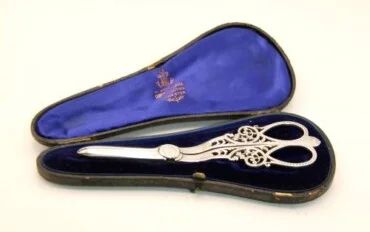
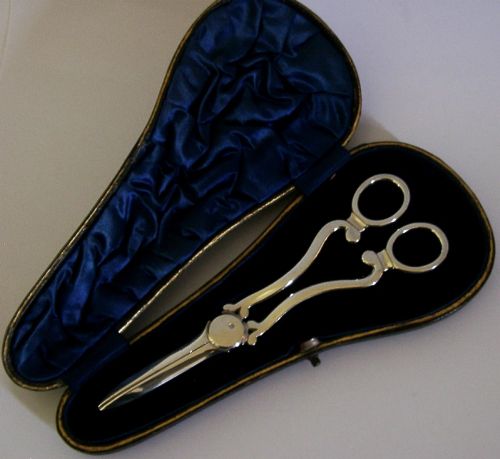
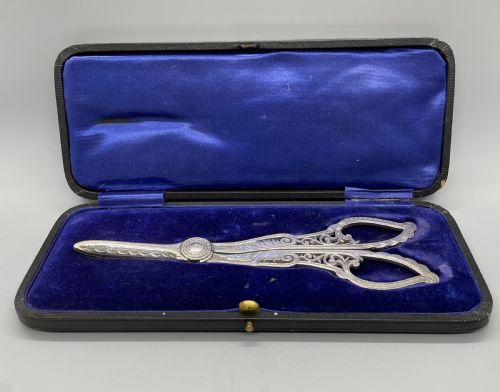
Fitted presentation cases lined with velvet, leatherette, silk, leather, and satin often accompanied higher-grade pieces, protecting the silver surfaces and preserving the set over decades of domestic use.
Recorded styles span Victorian, Edwardian, William IV, Gothic Revival, Early Victorian, and Victorian Revival periods.
Factors influencing quality
Quality in these implements rests upon the weight of the metal utilised, the crispness of any cast decoration, and the precise alignment of the cutting edges. Heavier examples demonstrate substantial silver content and superior structural rigidity during use.
The presence of original maker marks, London or Sheffield assay office stamps, and matching fitted cases elevates an example, while plain or unmarked iterations represent standard domestic utility of their respective eras.
Goldsmiths & Silversmiths Co·Gibson & Langman·Charles Reily & George Storer·Paul Storer·Reilly & Storer·C.J. Vander
The Vintage Sterling Grape Shears Glossary
- Sterling silver
- A silver alloy containing 92.5 percent pure silver by mass, providing the durable standard required for functional tableware.
- Silver gilt
- Sterling silver that has been coated with a thin layer of gold on its surface, often applied to the interior bowls or blades for aesthetic contrast and protection.
- Cast silver
- Silver formed by pouring molten metal into a mould, allowing for three-dimensional, high-relief decoration on the handles.
- Barware
- A modern classification applied to certain heavier silver grape shears when utilised in twentieth-century entertaining contexts.
- Assay office
- An official body responsible for testing the purity of precious metals and stamping them with hallmark guarantees.
Vintage Sterling Grape Shears: Frequently Asked Questions
What are grape shears used for?
These implements serve to sever small bunches of grapes from the main stem at the dining table, allowing guests to take a portion without handling the entire cluster.
Their design prevents the crushing of adjacent fruit and keeps fingers clean during formal dining.
How do I care for antique silver shears?
Maintenance involves gentle cleaning with a specialist silver cloth to remove tarnish while preserving the original surface details and hallmarks.
Store the pieces away from moisture, ideally within their original fitted cases lined with velvet or satin.
Are these items made of solid silver?
The pieces recorded here consist of sterling silver and silver gilt, meeting official standards for precious metal content across various nineteenth and twentieth-century periods.
Assay marks stamped onto the metal confirm the specific silver standard and origin.
Why do some shears have fitted cases?
Fitted cases lined with materials such as silk, velvet, or leatherette protected delicate silver items during storage and marked them out as presentation pieces or gifts.
Such enclosures kept the implements secure and prevented surface scratching between uses.