

Vintage Station Dial
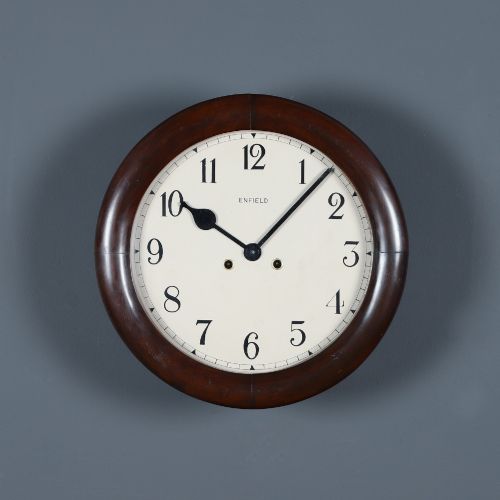
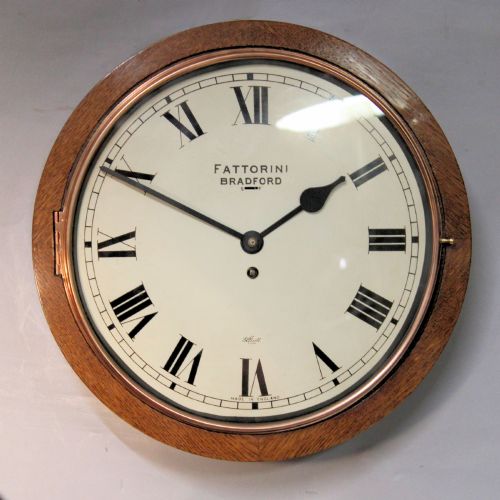
These heavy timber and metal timekeepers bring a functional utility to any interior, carrying the clear faces of railway platforms and municipal buildings.
Vintage Station Dial
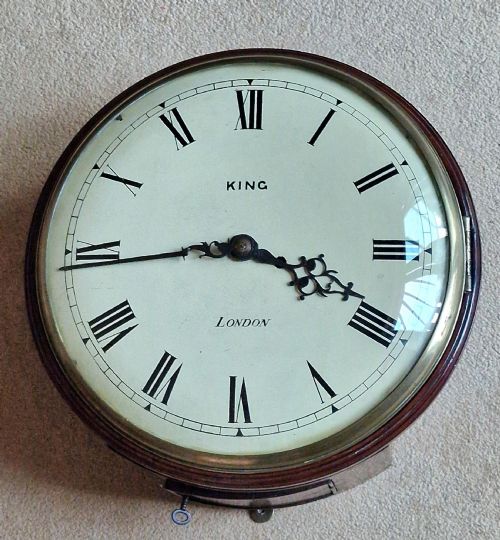
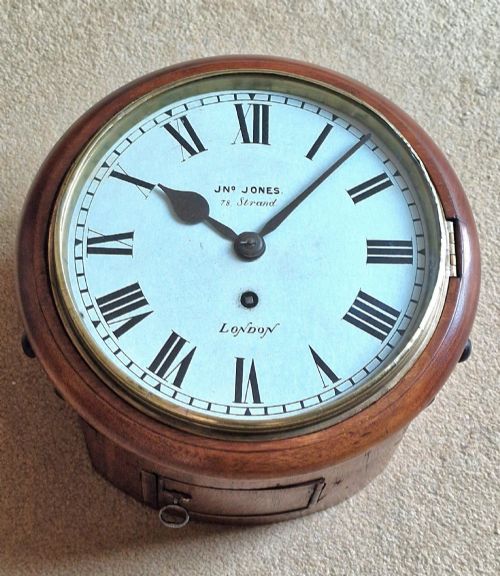
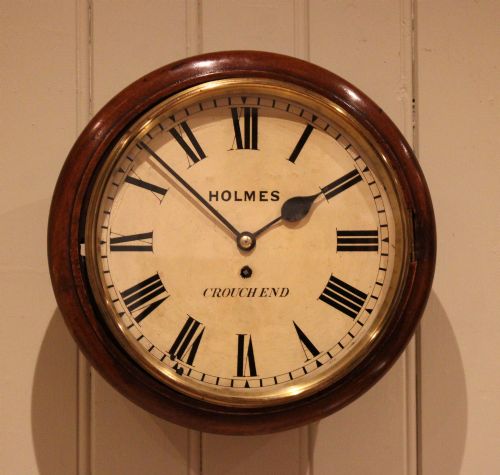
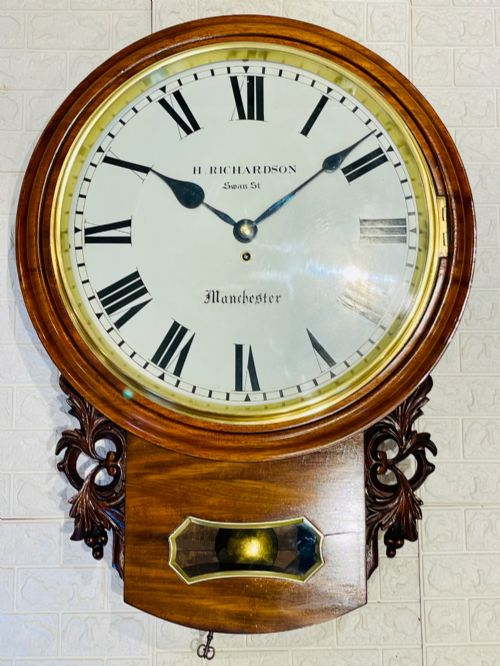
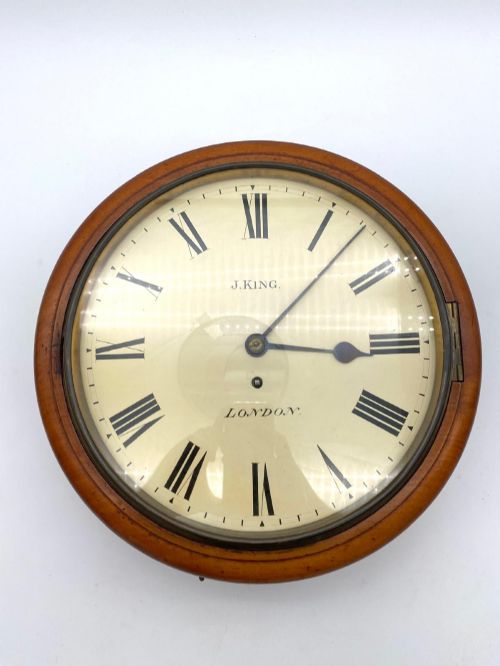
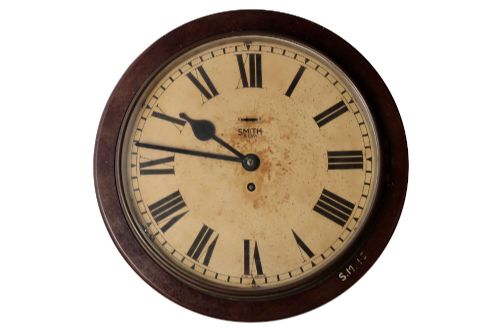
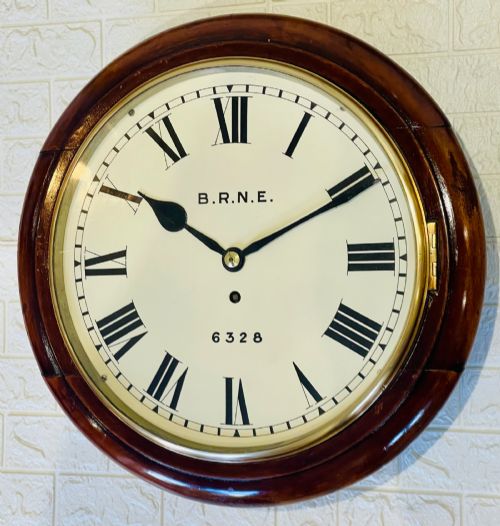
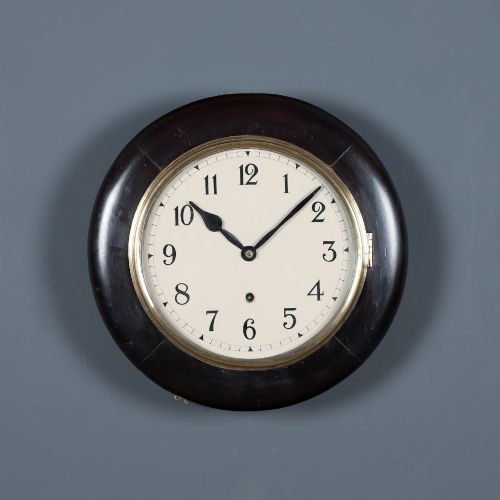
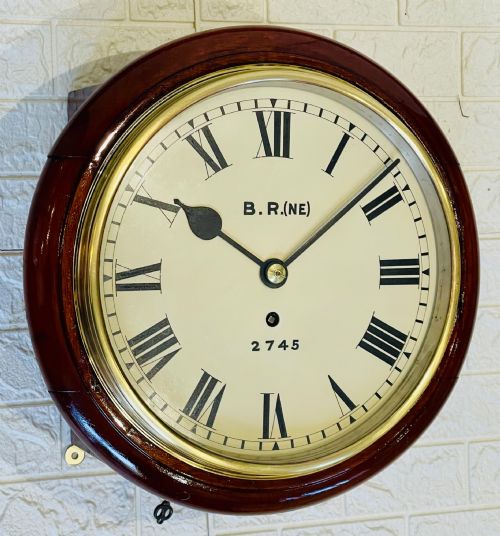
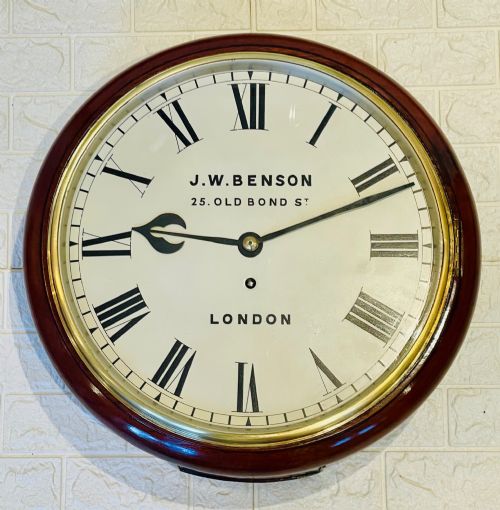
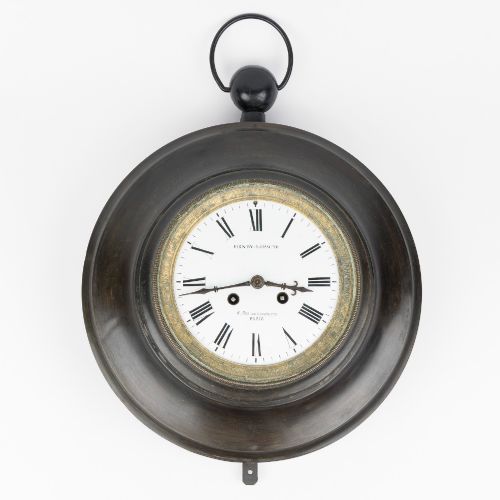
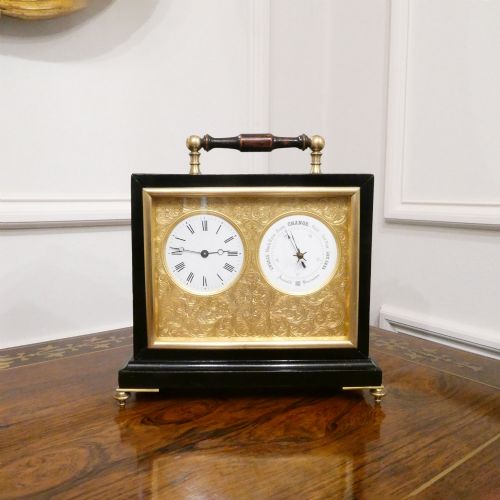
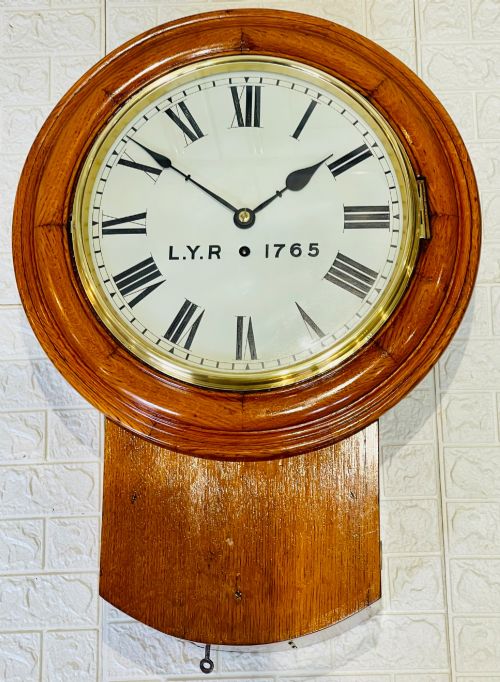
When searching for a vintage station dial, buyers examine large round wall clocks and barometers that once regulated timetables in locations such as railway termini, schools, and offices. The most common examples met on this page are circular timber-cased wall clocks featuring clear painted faces designed for legibility from a distance.
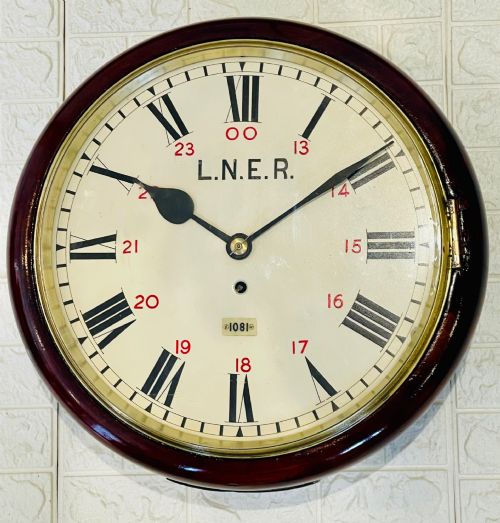
The objects span periods from the Georgian era through the Victorian and Edwardian decades into the early twentieth century, incorporating items produced for networks like the North Eastern Railway and the London and North Eastern Railway. These round wall clocks and barometers reflect the practical requirements of public timekeeping and navigation from the nineteenth century onward.
Originating largely from British workshops and makers, these timepieces combine robust dial designs with durable cases made to withstand heavy daily use in public spaces. Buyers encounter variations in timber selection, dial diameter, and movement type across Victorian and early twentieth-century examples.
Materials and construction
Cases are predominantly constructed from solid mahogany or oak, shaped to house heavy mechanical movements securely against a wall. Glass protects the painted iron or enamel dials, which typically display bold Arabic or Roman numerals.
Movements rely on traditional brass gear trains, often driven by fusee mechanisms or lever escapements housed within sturdy timber enclosures. Bakelite appears in later twentieth-century iterations alongside painted iron and brass components.
Vintage Station Dial Retail Price Guide 2026
Typical asking prices for vintage station dial among the pieces listed under this phrase on Sellingantiques today, from the lower quarter to the upper quarter. They describe what is for sale here now, not the wider market.
Some railway clocks carry the scars of damp platforms and frantic porters, keeping time through decades of missed connections.
Distinctions in quality
Quality differences emerge in the precision of the timber cabinetry, particularly the joinery of the mahogany or oak cases and the clarity of the painted dial numerals. Finer examples display crisp maker signatures and well-executed brass fusee movements rather than standard lever escapements.
The legibility and original condition of the dial face, alongside the integrity of the timber housing, separate standard utility timekeepers from pieces bearing specific railway company provenance or signed by notable makers.
Jones London·Henry Lepaute of Paris·J W Benson·Henry Harris·P Caminada
The Vintage Station Dial Glossary
- Fusee
- A conical pulley used in mechanical clocks to maintain an even pull on the movement as the mainspring unwinds. This mechanism helps ensure more accurate timekeeping throughout the duration of the wind.
- Dial
- The visible face of the clock or barometer bearing the numerals and graduations. On these pieces, the dial is protected by glass within a timber or metal surround.
- Aneroid barometer
- An instrument that measures atmospheric pressure without using liquid, relying on a flexible metal box that expands or contracts with weather changes.
- Lever escapement
- A mechanical linkage that controls the release of power in a clock movement. It regulates the turning of the gears to advance the hands at a measured pace.
- Stick barometer
- A tall, narrow barometer containing a column of mercury in a glass tube mounted on a timber board. It measures atmospheric pressure fluctuations to indicate weather trends.
Vintage Station Dial: Frequently Asked Questions
How do I wind a fusee wall clock?
A key is inserted into the dial aperture to turn the winding arbor clockwise until resistance is felt. Care must be taken not to overwind the mechanism.
Most fusee movements require attention every eight days, depending on the specific setup of the gear train within the timber case.
Were all these clocks used on railways?
Many examples on this page bear specific railway company lettering or provenance from networks like the North Eastern Railway. Others served in schools, offices, and municipal buildings rather than on platforms.
Dial designs remained consistent across these different public environments during the Victorian and Edwardian periods.
How do I hang a heavy timber wall clock?
These mahogany and oak cased pieces require secure fixing directly into wall studs or masonry using appropriate wall anchors. The weight of the timber housing demands a robust mounting to support the movement safely.
Ensuring the case hangs level is essential for the proper operation of the pendulum and escapement.
What is the difference between a timepiece and a clock?
In horological terms, a timepiece indicates the hours and minutes without including a striking or chiming mechanism. Many station wall clocks are configured strictly as timepieces for silent public monitoring.
Clocks that include striking trains sound the hours using internal bells or gongs.