

Vintage Standing Light Column
A vintage standing light column brings architectural presence and steady illumination to a room, drawing the eye upward with classical proportions.
Vintage Standing Light Column
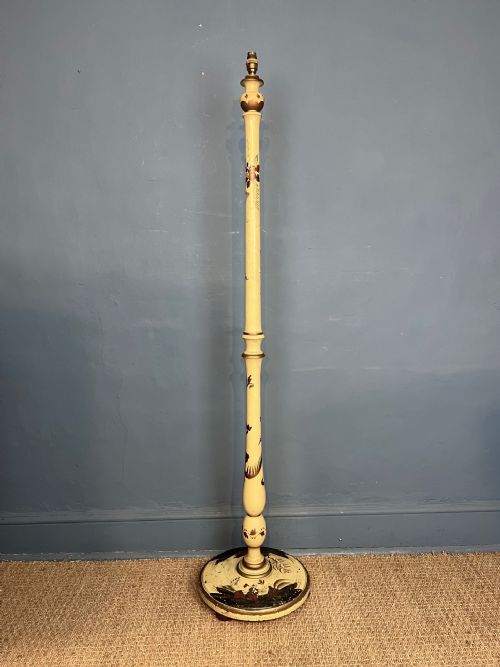
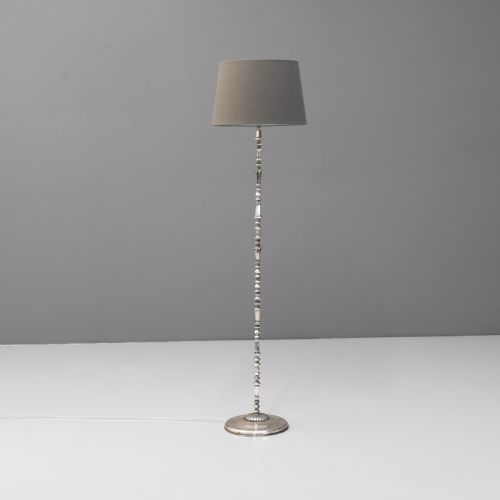
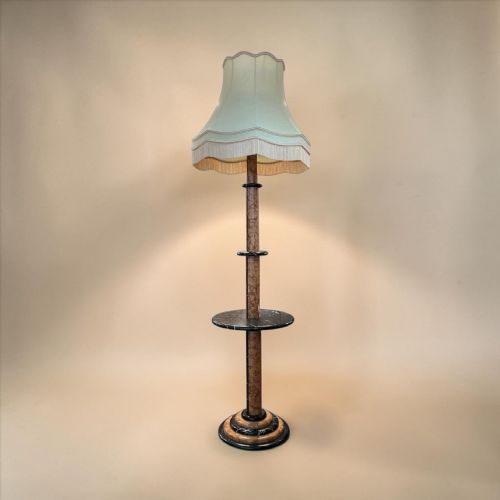
When you search for a vintage standing light column, you encounter vertical lighting fixtures and tall supports designed to elevate a light source or display object within a room. The selections on this page span several decades, reaching from nineteenth-century oil standards to mid-century floor lamps and torcheres.
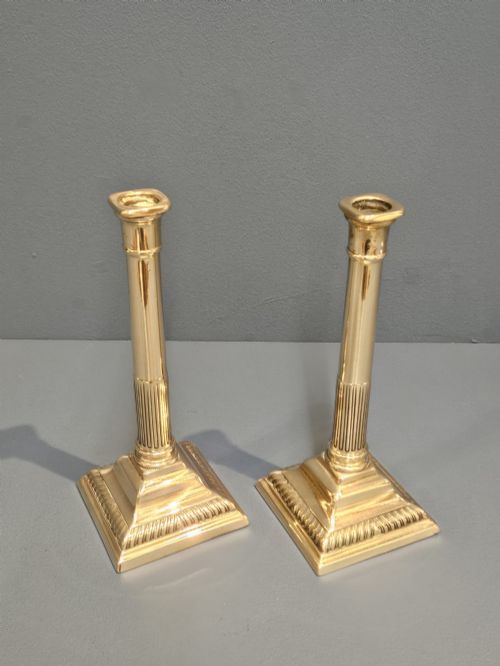
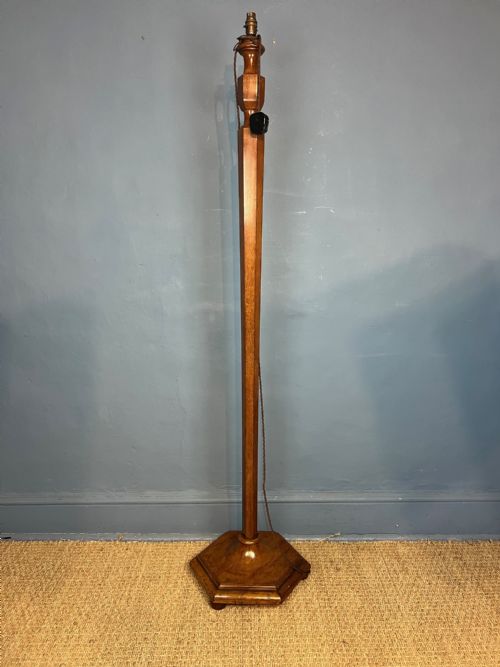
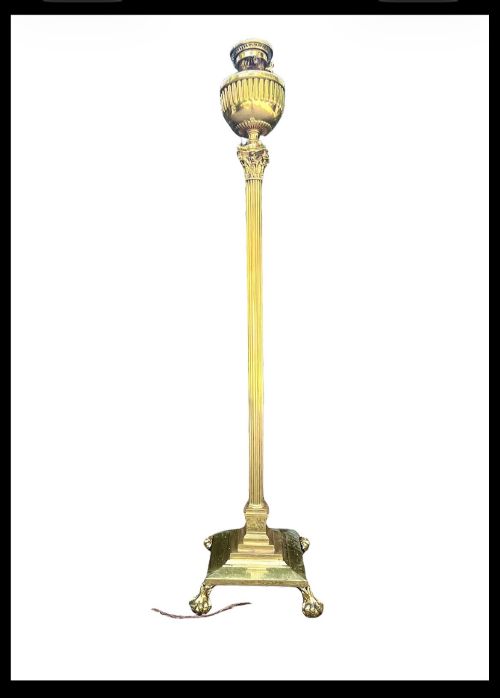
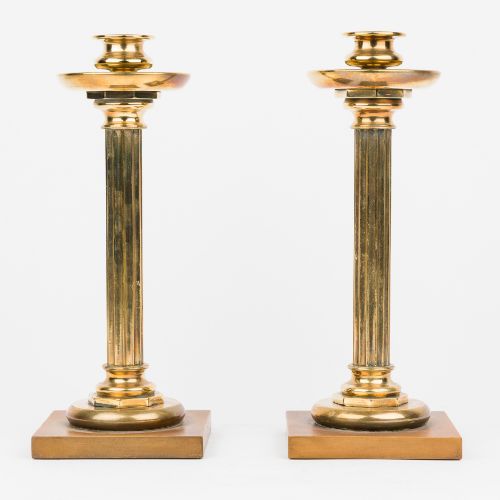
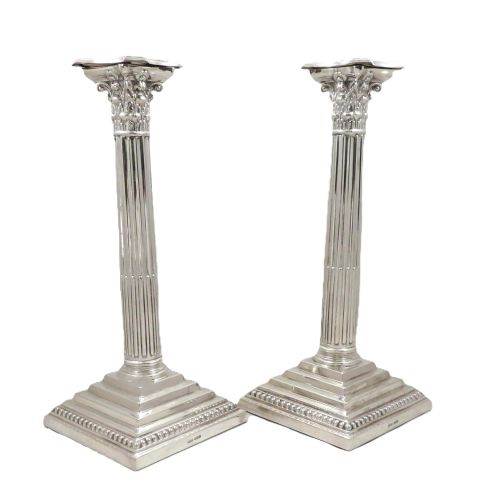
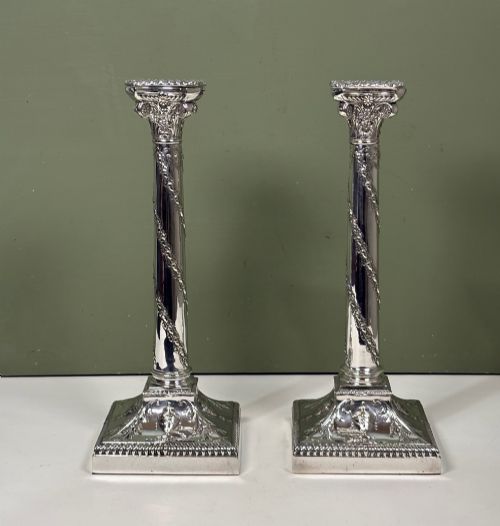
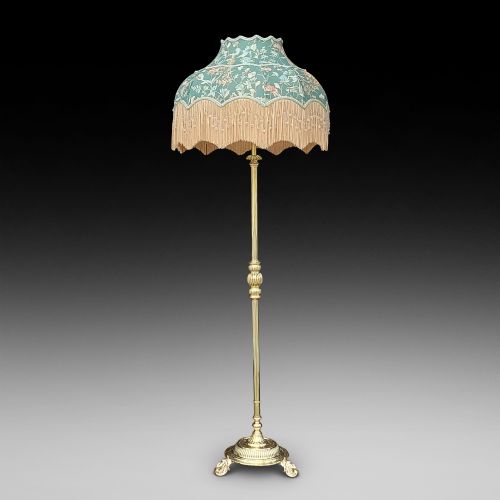
Brass is the predominant metal found in these tall uprights, frequently shaped into fluted shafts or Corinthian columns. Alongside these metal standards, examples in mahogany, oak, walnut, marble, and glass appear as standard lamps, torcheres, and tall candlesticks.
Materials and construction methods
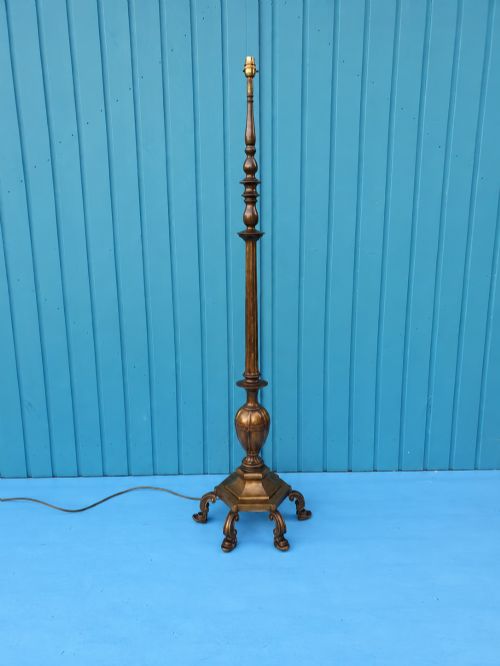
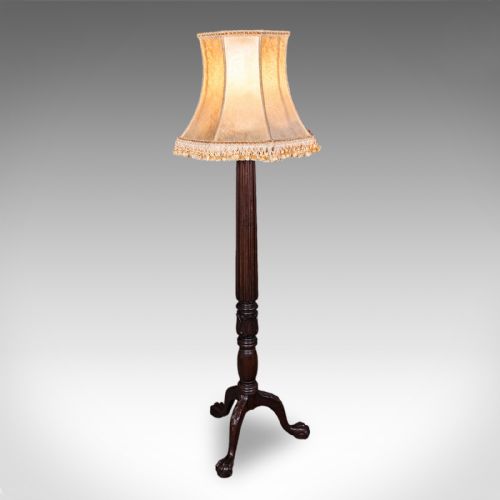
Makers utilised cast and turned brass, heavy bronze, and solid hardwoods such as mahogany and oak to construct the central shafts of these tall columns. Metal components often involve weighted bases to ensure stability for elevated light fittings or heavy fabric shades.
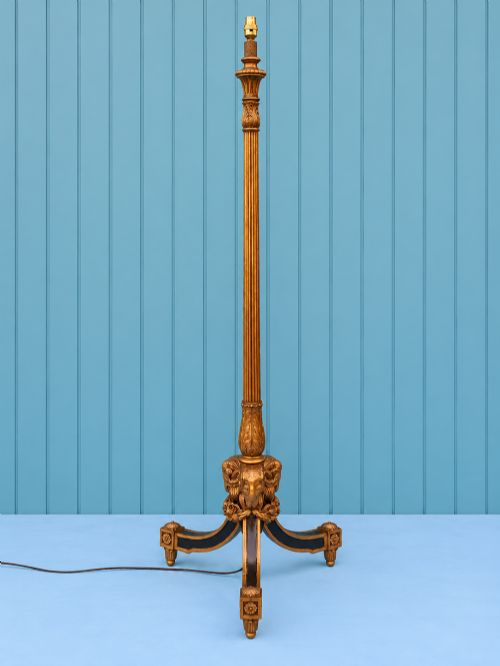
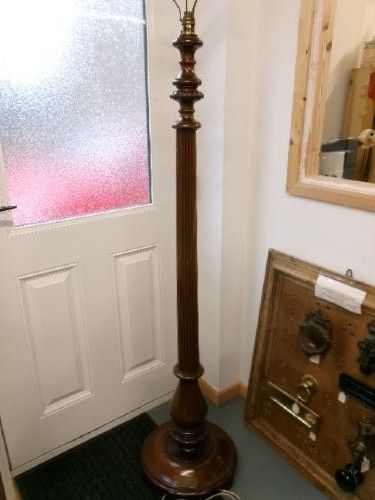
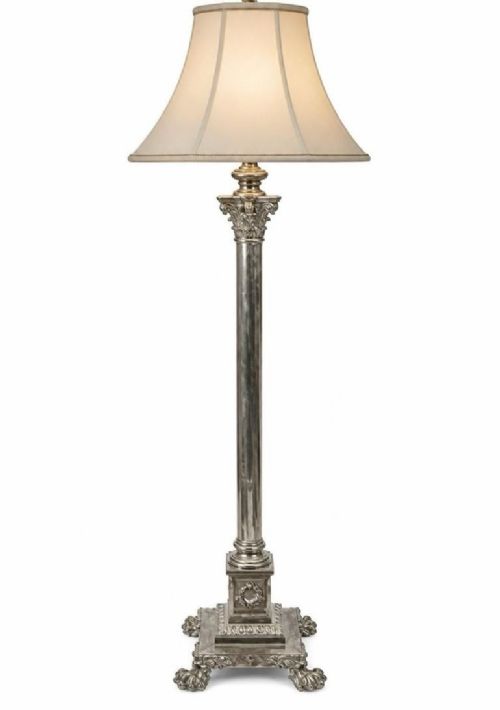
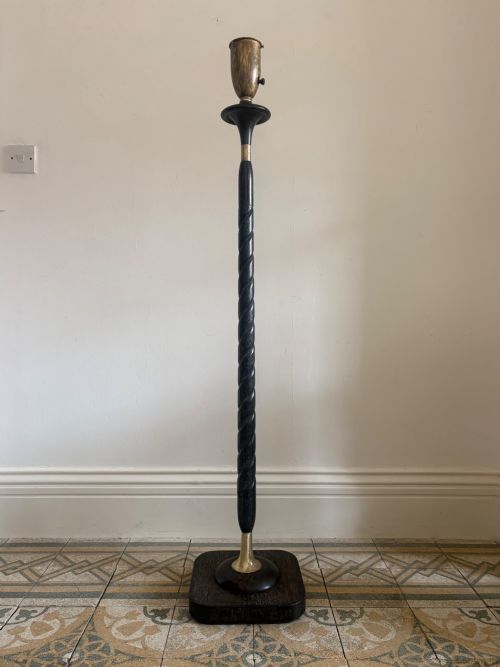
Woodworking techniques include lathe-turned barley twist stems and carved pedestals, whilst metal columns frequently feature detailed capitals in Neoclassical or Corinthian styles attached to adjustable or fixed stems.
Vintage Standing Light Column Retail Price Guide 2026
Typical asking prices for vintage standing light column among the pieces listed under this phrase on Sellingantiques today, from the lower quarter to the upper quarter. They describe what is for sale here now, not the wider market.
Listings on this page span from the nineteenth century through the 1940s, featuring brass, bronze, mahogany, and marble.
Distinctions in craftsmanship and design
The distinction between standard examples and finer pieces lies in the crispness of the cast metal detailing, such as the acanthus leaves on a Corinthian capital, and the weight of the base metal. Solid brass and heavy bronze columns offer superior structural integrity compared to lighter plated alternatives.
Execution of turned wooden elements, such as precise barley twist proportions and tightly grained hardwoods like mahogany and blond walnut, separates workshop production from mass manufacturing.
WMF·Hinks
The Vintage Standing Light Column Glossary
- Corinthian column
- A classical column style featuring an ornate capital decorated with carved acanthus leaves, frequently utilised on nineteenth-century brass standards.
- Torchiere
- An uplighter floor lamp designed to direct light upward toward the ceiling, often standing on a tall slender shaft.
- Barley twist
- A spiral turned wooden or metal column shape resembling a twisted rope, popular during the Victorian and Edwardian periods.
- Standard lamp
- A British term for a floor lamp, consisting of a tall upright support on a base, usually paired with a fabric shade.
Vintage Standing Light Column: Frequently Asked Questions
What is a standing light column?
A standing light column is a tall vertical fixture designed to support a light source, such as an oil burner, bulb, or candle, at an elevated height. These pieces function primarily as floor lamps or torcheres to illuminate a room.
Most examples utilise a heavy base to support a slender shaft, combining functional lighting with architectural form. They integrate easily into corner spaces or beside seating areas.
How do I date a brass standard lamp?
Dating a brass standard lamp involves examining the construction methods, wiring access points, base weight, and stylistic revival influences. Nineteenth-century models often show heavy cast components and hand-cut threads.
Later twentieth-century versions transition toward simpler construction and standardised electrical fittings. Comparing decorative motifs like Neoclassical or Art Deco elements helps narrow down the period.
Are these lamps wired for modern use?
Many vintage standing light columns have been rewired or adapted for contemporary electrical standards over time. It remains sensible to have any older wiring inspected by a qualified professional before regular use.
Original brass and bronze standards often accommodate standard lamp holders discreetly. This allows you to combine historical character with modern safety and bulb compatibility.