

Vintage Standard Light
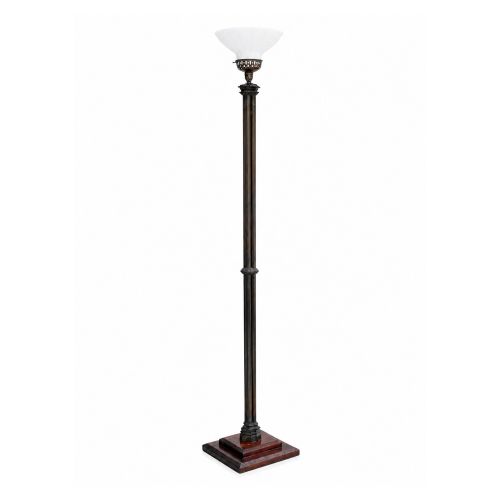
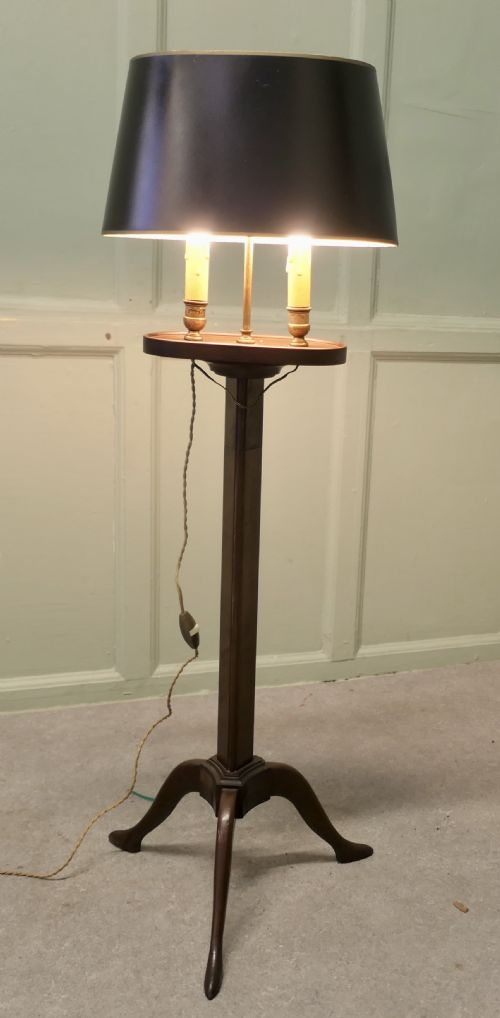
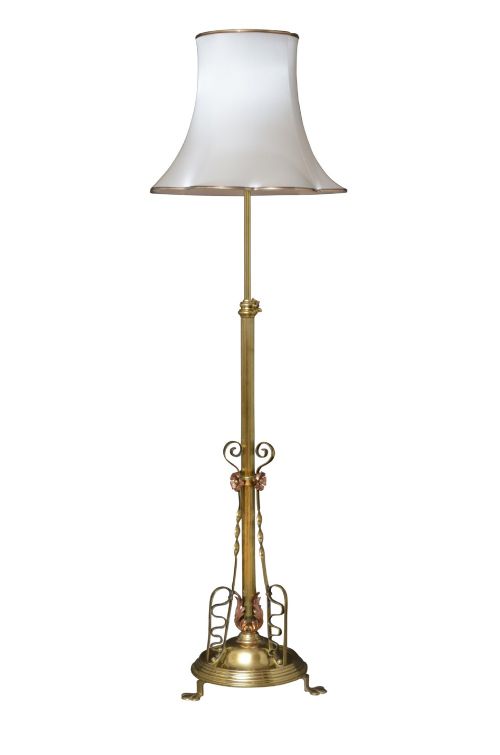
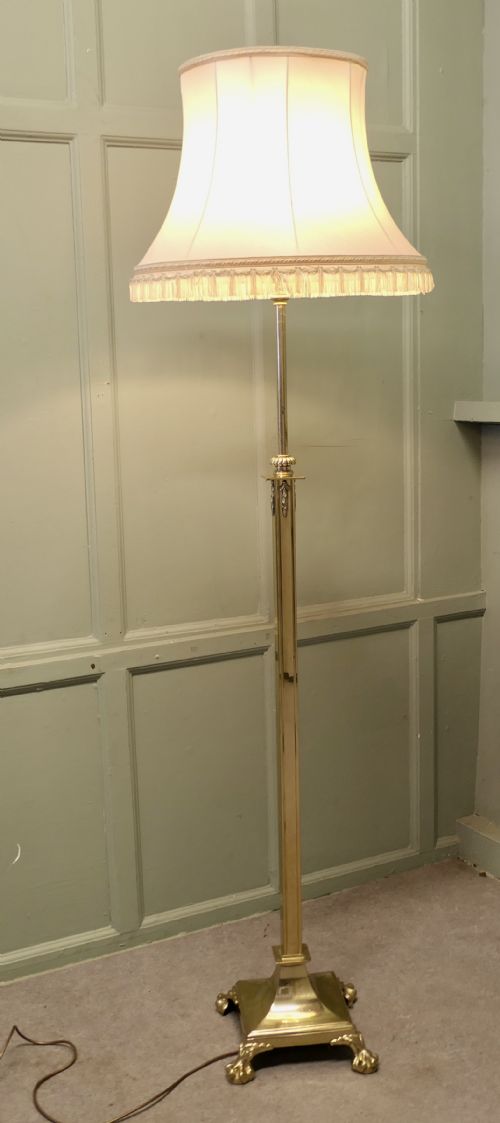
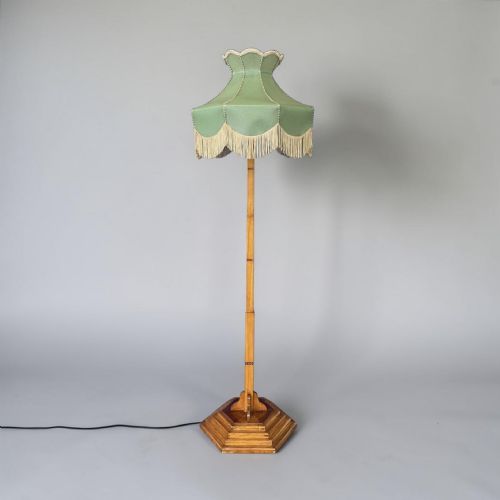
These vintage standard light pieces bring height and presence to a room, offering tall illumination shaped by decades of design.
Vintage Standard Light
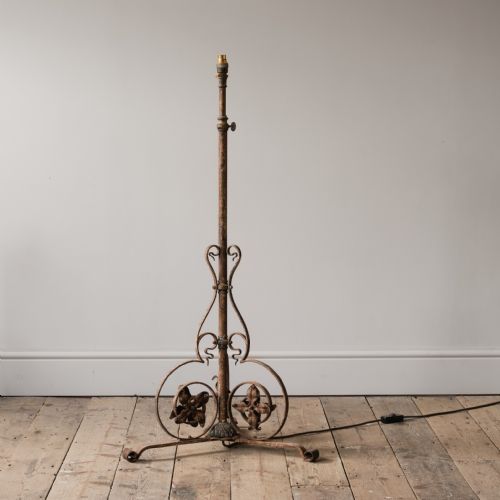
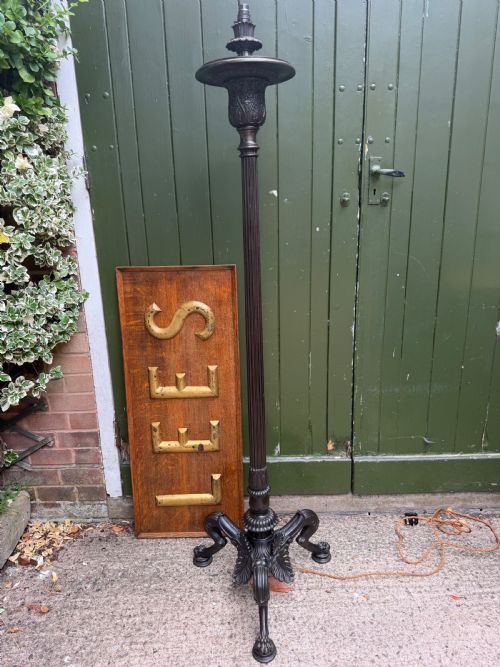
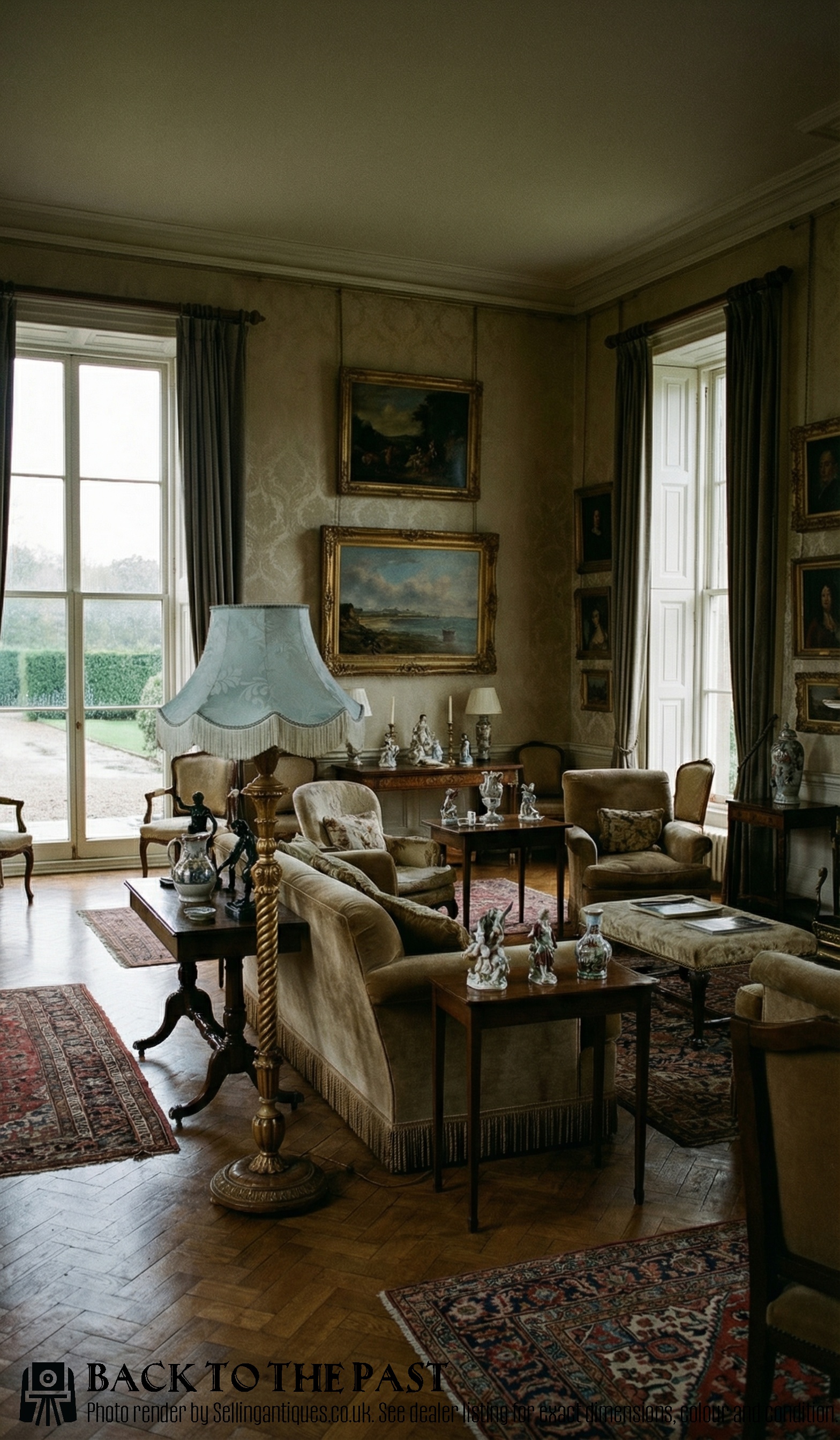
A vintage standard light provides elevated illumination across living spaces, functioning primarily as a tall floor lamp or standard lamp. These pieces span periods from the nineteenth century through the Edwardian era and the 1930s, reflecting varied domestic lighting needs over time.
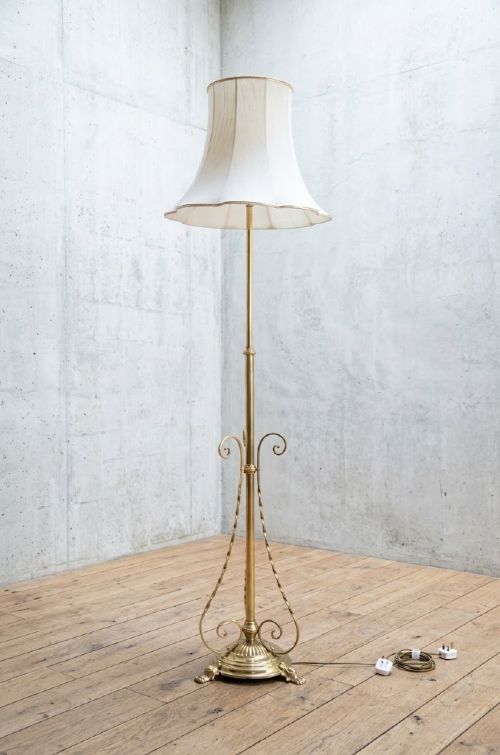
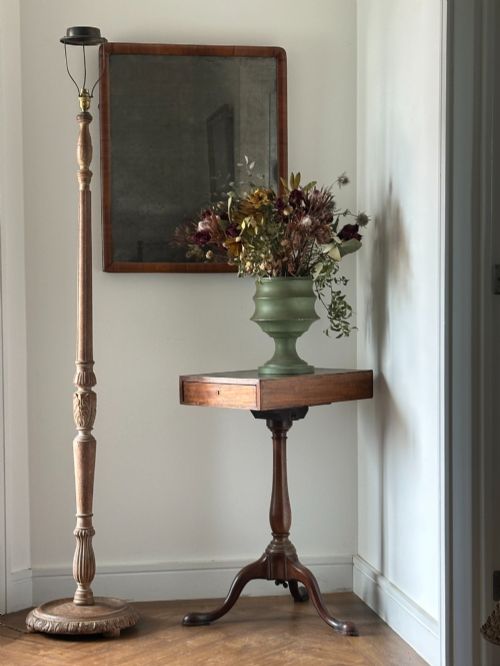
The most common formats on this page include height-adjustable brass standards, wooden columns in oak and walnut, and decorative painted surfaces. Buyers encounter both simple utility models and ornate statement lighting shaped by historic revival styles.
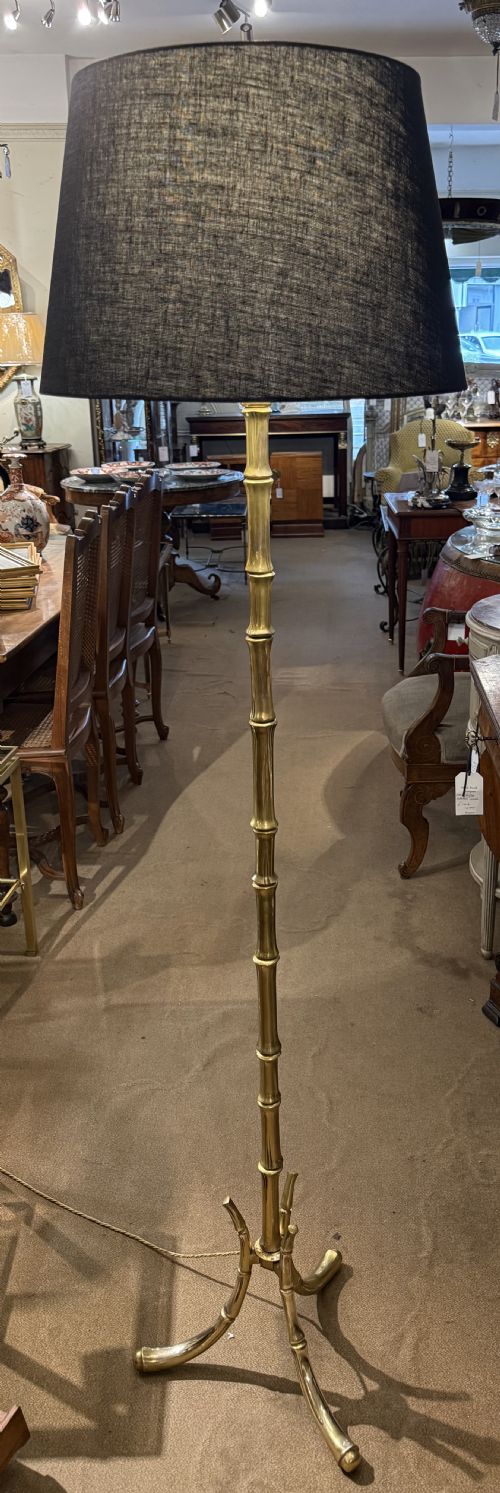
Makers and designers range from British workshops to French studios like Maison Bagues, alongside specialised makers such as Hinks of Birmingham. Regional interpretations also appear through Anglo Indian and Middle Eastern Moorish forms.
Materials and construction methods
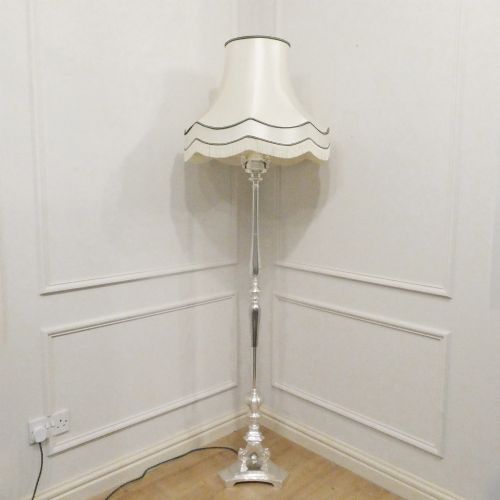
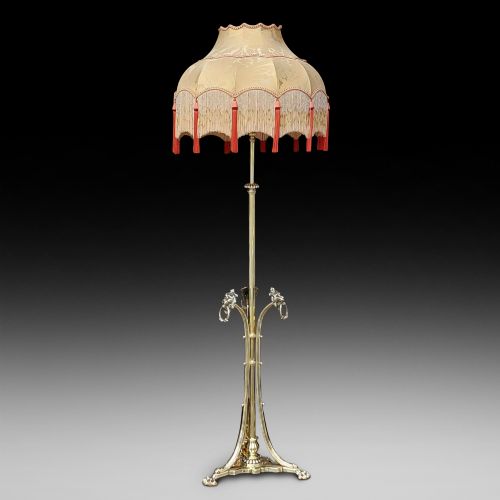
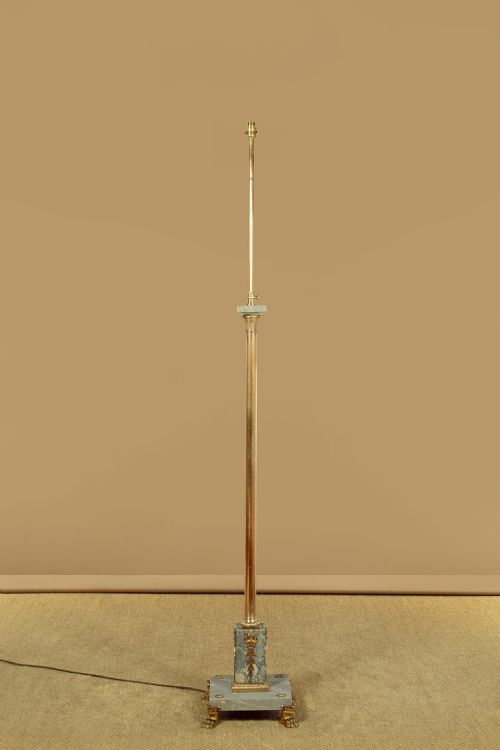
Construction relies heavily on metals such as brass, bronze patinated cast-iron, copper, and silver plating, often paired with weighted bases for stability. These metallic elements frequently incorporate telescopic mechanisms or adjustable joints for altering height.
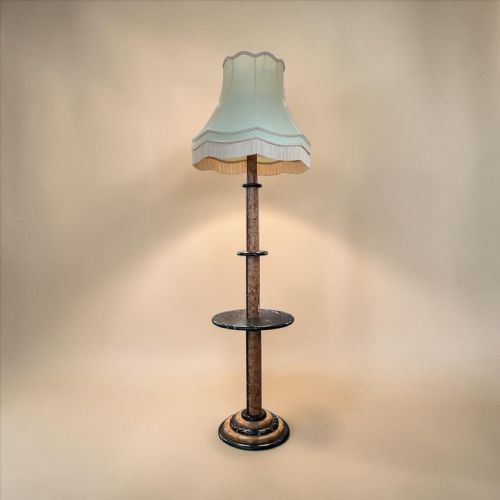
Woodworking traditions appear through carved and limed oak, solid walnut, satinwood, and giltwood. Many wooden and metal standards are paired with fabric or vellum shades, while specialised designs integrate marble or lacquered finishes.
Some nineteenth-century models started life holding oil before electricity quietly took over the job.
Distinguishing quality in tall lighting
Quality rests upon the integrity of the materials, the weight of the base, and the precision of mechanical adjustments. Solid brass, heavy cast-iron, and dense hardwoods provide stability that lighter or composite alternatives lack.
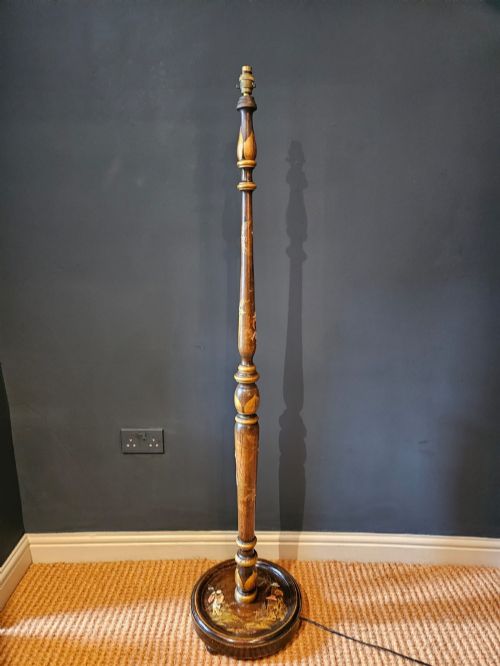
The articulation of design details separates standard production from finer work. Hand-carving in oak or walnut, intricate brass casting, and specialised decorative surface treatments like Chinoiserie lacquer indicate higher workmanship.
Maison Bagues·Hinks of B ham
The Vintage Standard Light Glossary
- Standard Lamp
- A floor-standing lamp designed to illuminate a room from a raised position. These tall fixtures use heavy bases to support extended vertical columns.
- Telescopic
- A method of construction allowing the vertical shaft to extend or contract in height. This mechanism is frequently found in brass and metal floor lighting from the nineteenth and early twentieth centuries.
- Chinoiserie
- A European decorative style emulating Chinese artistic traditions, often featuring painted lacquer and gilt motifs. This finish appears frequently on Edwardian and 1930s lamp standards.
- Arts and Crafts
- A design movement emphasising honest construction and natural materials. Standards from this tradition typically showcase patinated brass, copper, and plain oak without excessive ornamentation.
Vintage Standard Light: Frequently Asked Questions
How do I choose the right height?
Consider the ceiling height and the primary function of the room when selecting a tall floor light. Adjustable metal models allow you to modify the elevation to suit specific seating arrangements.
Heavier cast bases provide stability when extended to maximum height, ensuring the standard remains secure during everyday use.
Are these lamps wired for modern use?
Many vintage standards retain older wiring or have been updated at various points in their long history. It is standard practice to have older electrical items checked by a qualified professional before plugging them in.
Rewiring preserves the historic frame while ensuring the lamp meets current safety standards for domestic interior lighting.
How do I identify an Edwardian standard?
Edwardian examples frequently showcase painted Chinoiserie finishes, slender wooden columns, or refined silver plating. These pieces often reflect lighter decorative tastes compared to heavier Victorian designs.
Proportions tend to be elegant and tailored, frequently incorporating delicate lacquer work or restrained classical revival detailing.