



Classical Standard Lamp
A classical standard lamp brings architectural presence and steady illumination to a room, drawing on ancient forms for its enduring proportion.
Classical Standard Lamp
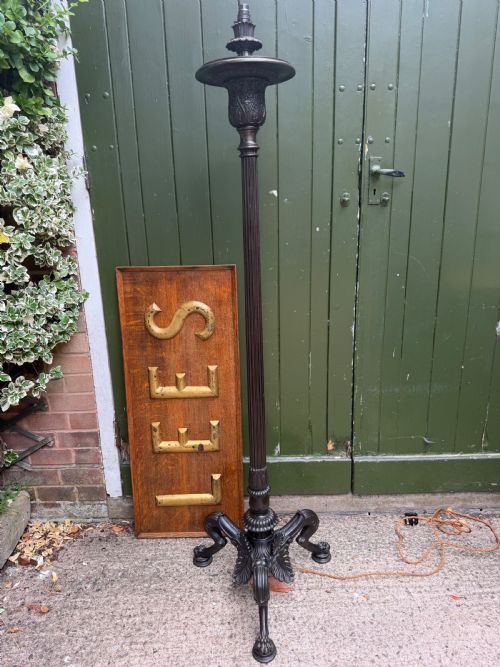
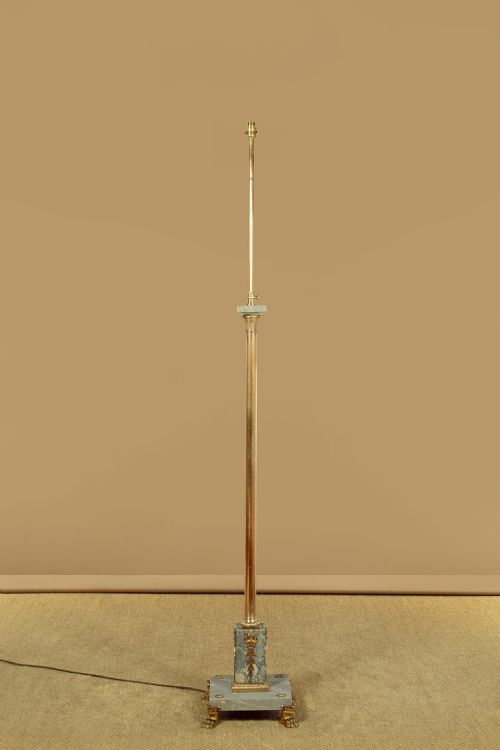
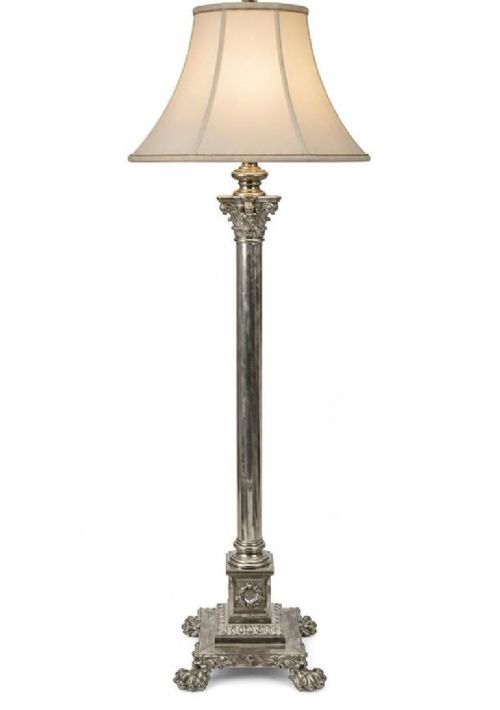
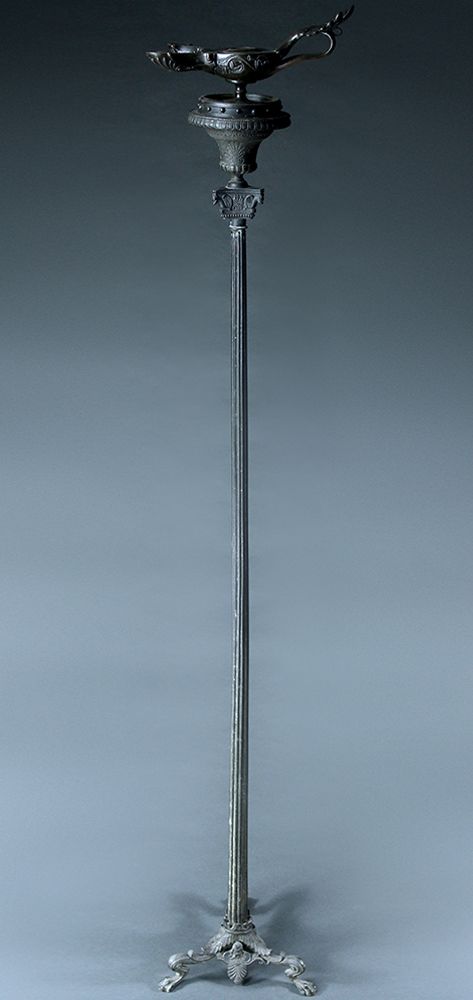
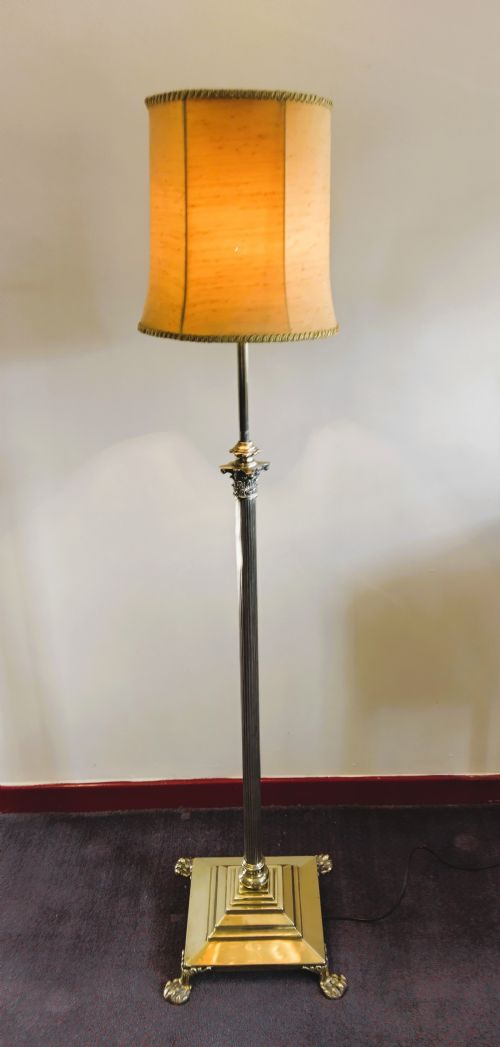
A classical standard lamp takes its design cues from ancient Greek and Roman architecture, employing columnar shafts, Corinthian capitals, and stately pedestals to elevate lighting above everyday utility. These floor-standing pieces often incorporate adjustable mechanisms, allowing the height of the column to shift according to the room or seating arrangement.
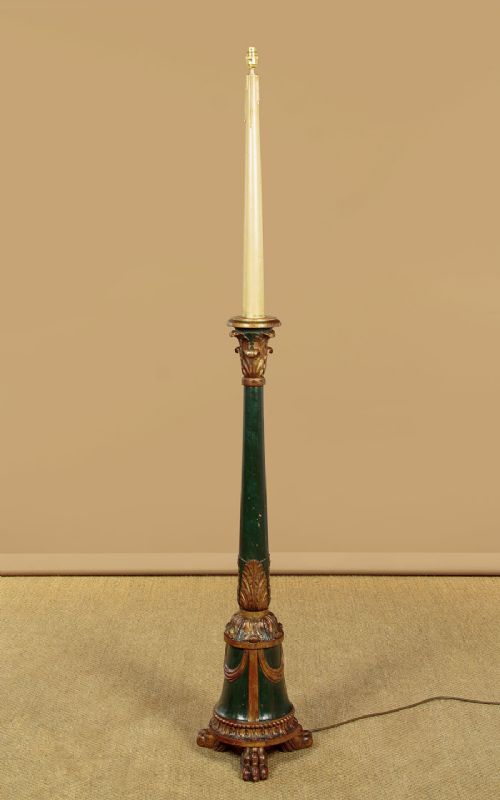
You will most frequently meet examples fashioned in brass or giltwood dating from the Victorian and Edwardian eras, alongside later interpretations from the 1920s and 1930s. The selection spans sturdy brass columns, grand tour bronze figures, and carved wooden standards finished in gold leaf or paint.
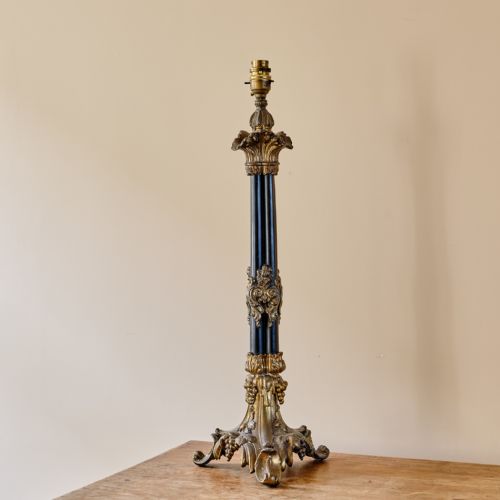
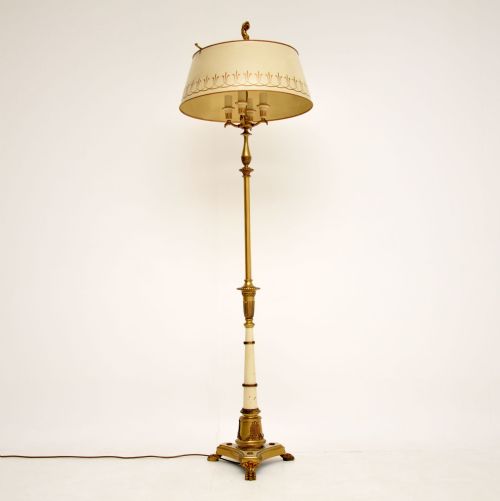
Makers drew heavily on revival styles, producing French Empire, Neoclassical, and Italianate variations that anchored grand interiors with vertical emphasis. While floor lamps dominate the evidence, you also encounter related table lamps sharing the same architectural vocabulary.
Materials and construction methods
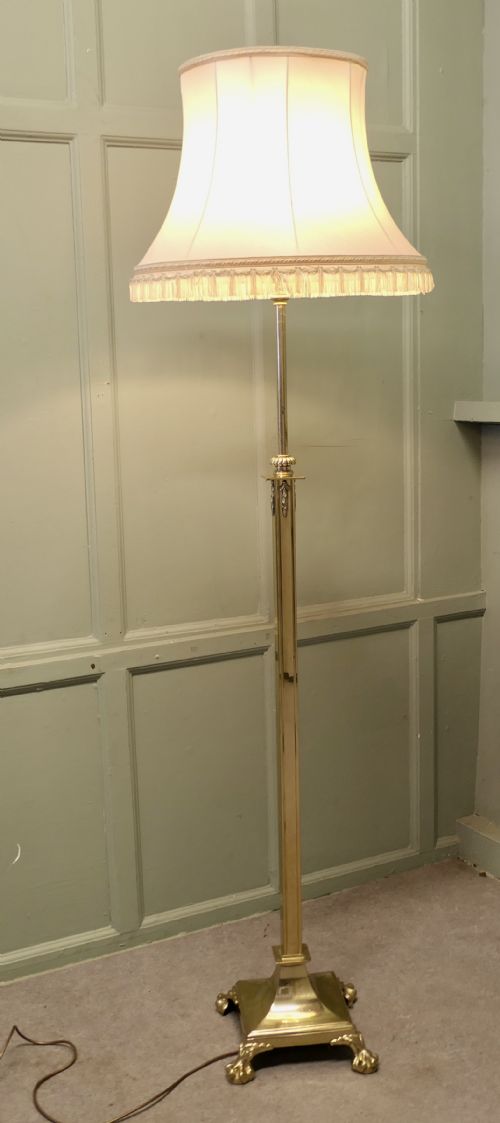
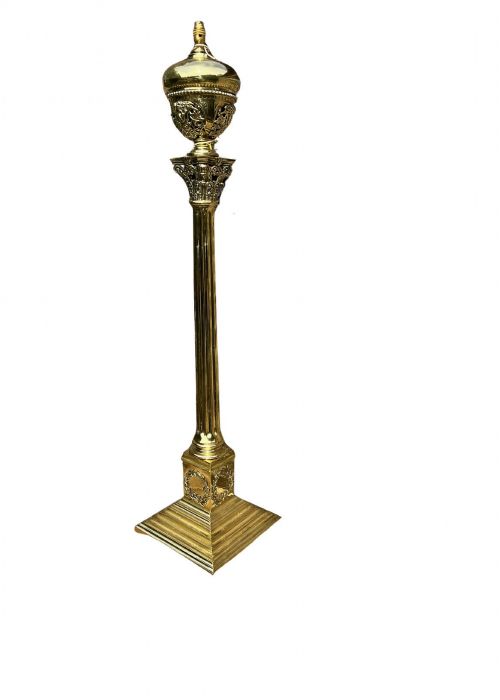
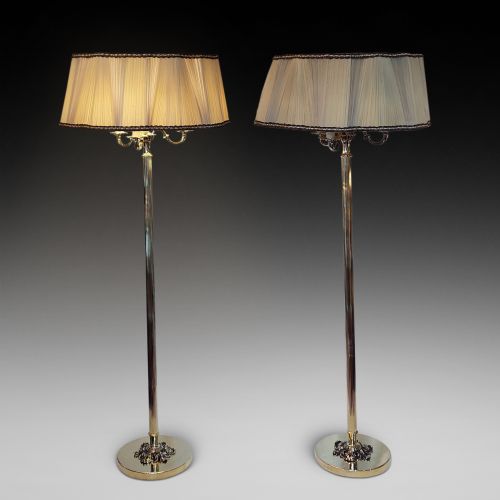
Brass forms the backbone of these tall fixtures, frequently shaped into fluted Corinthian columns, telescopic shafts, and heavy cast bases that provide stability for the height. Workshops utilised bronze patination, silver plating, and mercury gilding to finish metal surfaces, creating reflective sheens or deep, antiqued tones.
Wood construction relies on carved giltwood and parcel gilt frames, sometimes paired with marble columns or alabaster figures to introduce contrasting textures and dense weight. Fabric shades and painted finishes complete the composition, bringing softer elements to rigid metal and stone structures.
Cast rams' heads occasionally peer out from Edwardian brass columns, keeping a silent, watchful eye over the parlour.
Distinguishing quality in construction
Quality rests in the crispness of the cast ornament, such as the depth of acanthus leaves on a Corinthian capital or the sharp detail of cast rams' heads upon the column. Heavy gauge brass and substantial metal bases distinguish superior pieces from lighter, more utilitarian alternatives that lack proper counterbalancing for their height.
The engineering of telescopic mechanisms reveals the standard of manufacture, where smooth vertical adjustment and secure collars separate thoughtful workshop production from rigid, fixed designs. Surface finishes also tell their own story, with genuine hand-applied gilding and rich bronze patination outlasting quick, modern treatments.
The Classical Standard Lamp Glossary
- Corinthian column
- A pillar style topped with ornate acanthus leaves and scrolls, frequently used as the main shaft for brass standard lamps.
- Telescopic
- An adjustable design feature allowing the vertical pole to extend or retract to different heights.
- Giltwood
- Timber that has been coated with a thin layer of gold leaf, popular in decorative revival standard lamps.
- Grand Tour
- A period of travel through Europe undertaken by the wealthy, influencing the acquisition of classical bronzes and antiquities later adapted into lamps.
- Bouillotte
- A traditional French lamp style featuring an adjustable shade on a central metal column, often associated with card tables.
Classical Standard Lamp: Frequently Asked Questions
How do I date a brass standard lamp?
Dating relies on manufacturing clues such as cast construction methods, threading on the fittings, and the style of the weighted base. Victorian and Edwardian examples often feature heavy brass Corinthian columns with distinct patina accumulated over decades of use.
Later pieces from the 1920s and 1930s introduce simpler lines or alternative metals, while telescopic functions became widespread during the late nineteenth century to offer flexible lighting heights.
What is a telescopic standard lamp?
A telescopic standard lamp incorporates a sliding inner shaft that allows the overall height of the fixture to be raised or lowered manually. This mechanism is secured with a small key, screw, or collar near the upper section of the column.
Such adjustable designs were particularly popular in the Edwardian period and the late nineteenth century, providing practical illumination that could be adapted for reading or ambient room lighting.
Where should I place a heavy floor lamp?
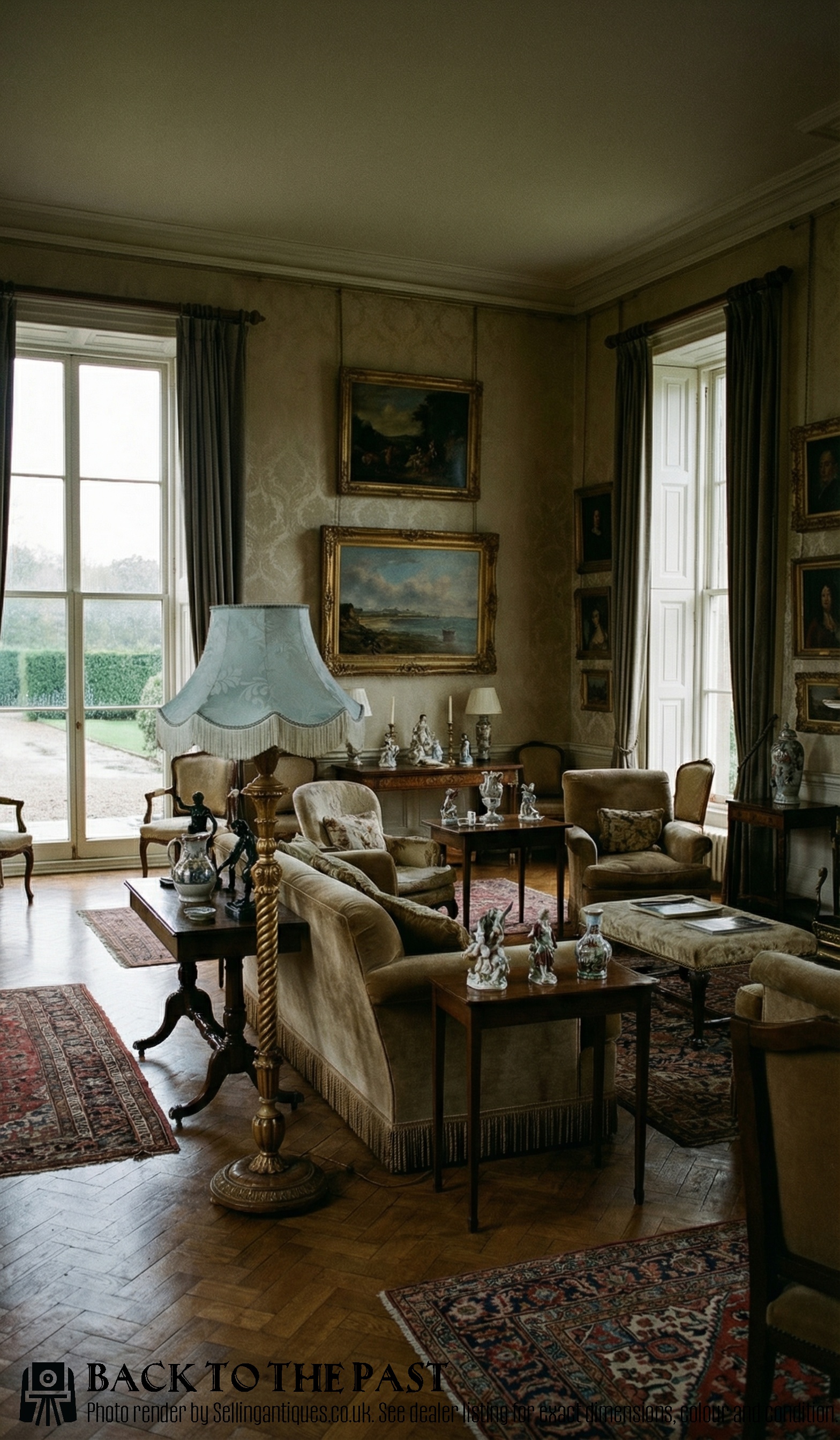
These substantial floor-standing pieces require a stable surface and sufficient clearance to showcase their architectural columns and cast bases properly. Placing them beside a reading chair, in a dark corner, or framing a fireplace allows the vertical bronze or brass form to act as a sculptural element.
Because many examples possess heavy cast-iron or weighted brass bases, they remain stable despite their height, provided they stand on even flooring.
Are these lamps usually wired for modern use?
Most antique lighting encountered on the market has been rewired at some stage to meet contemporary safety standards and plug configurations. When evaluating a piece, check the internal cord path and bulb holder to ensure professional installation.
Original brass switches and weighted bases are typically retained during rewiring to preserve the structural integrity and historical character of the lamp.