
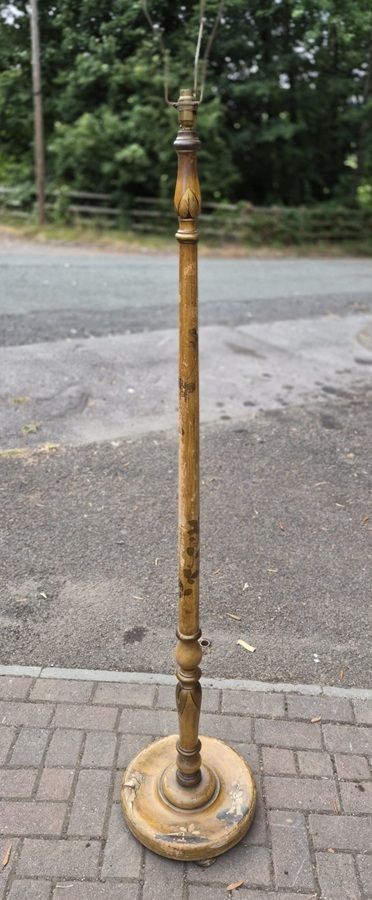
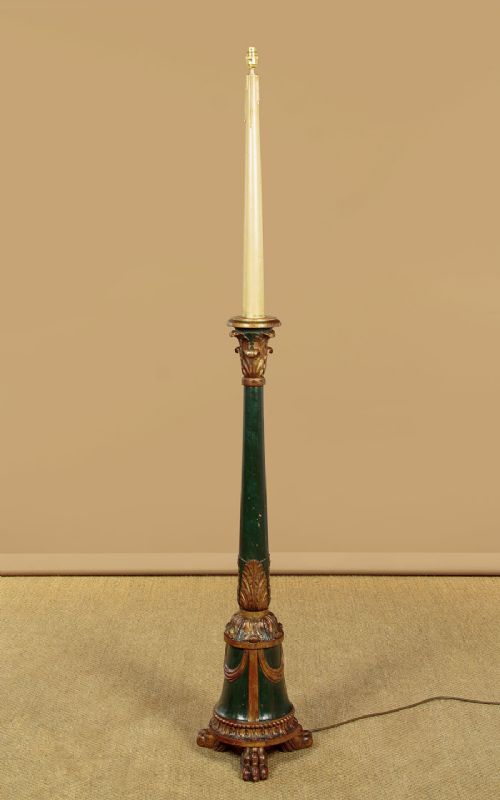
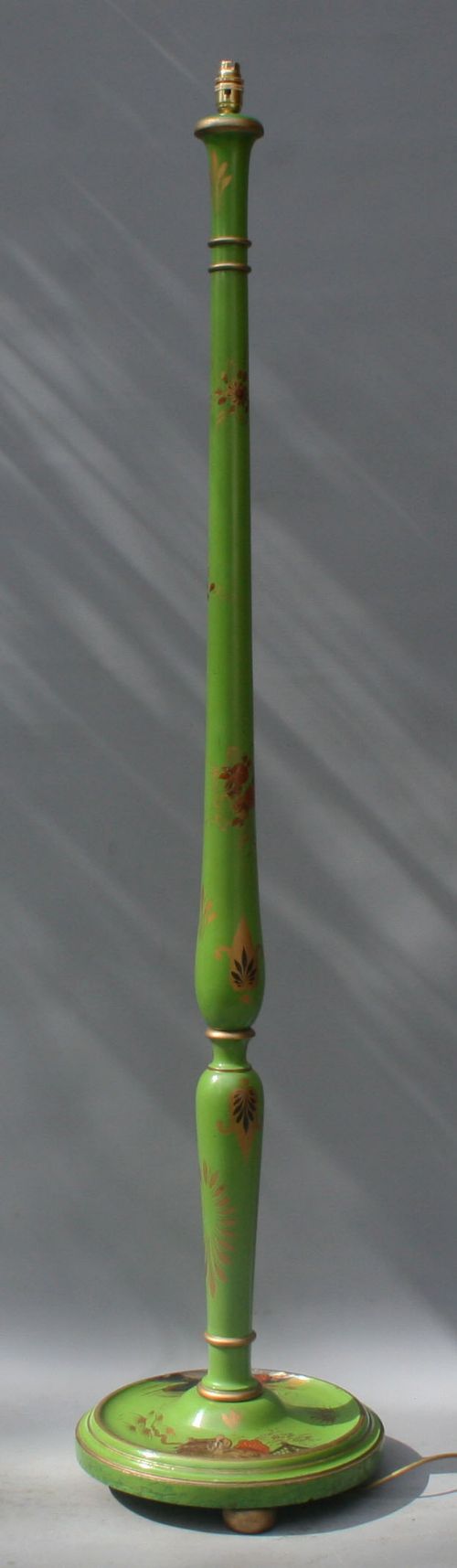


Gilded Floor Standing Lamp
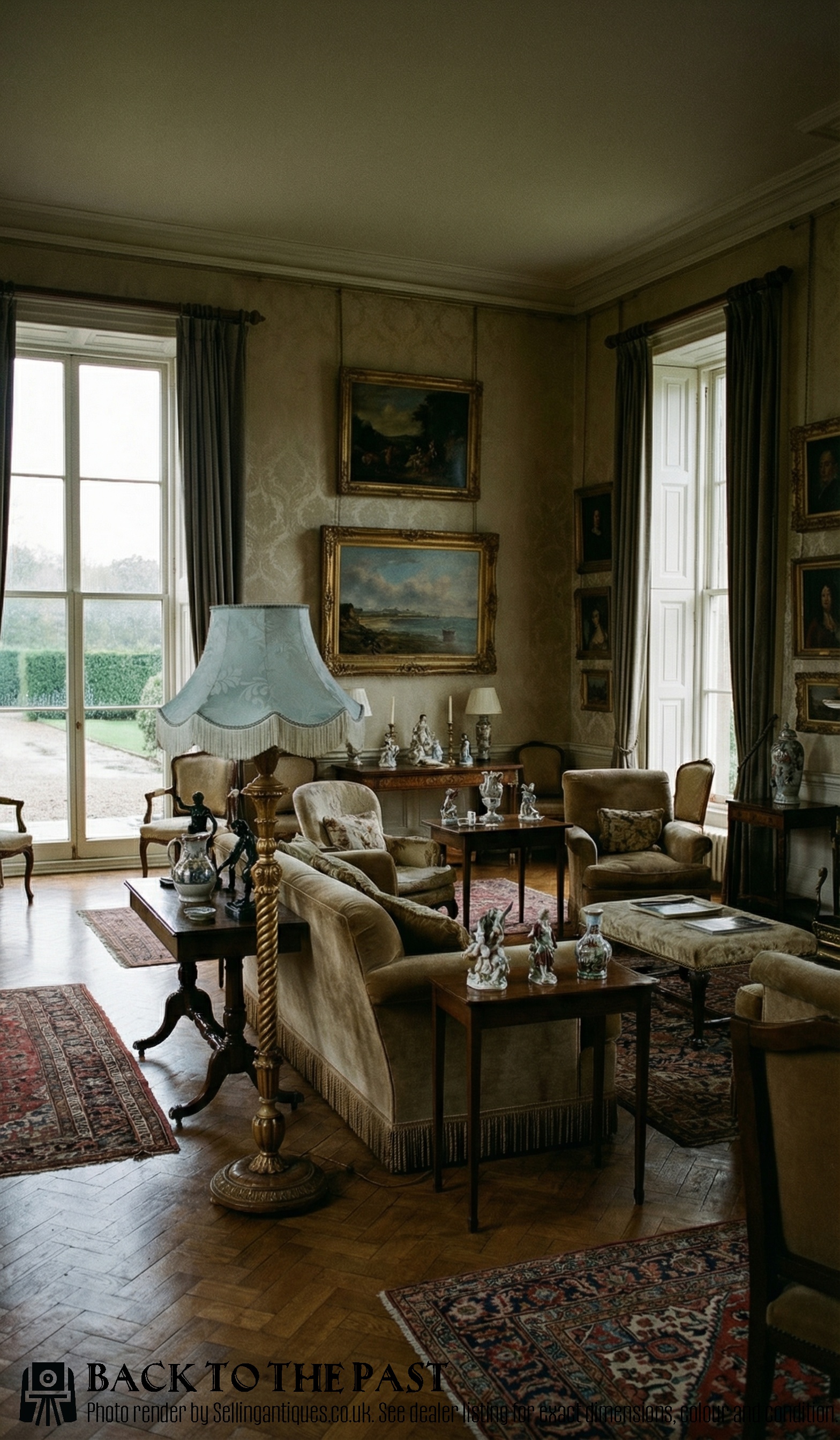
These gilded floor standing lamp pieces combine elaborate craftsmanship with practical illumination, bringing height and rich metallic surface texture to a room.
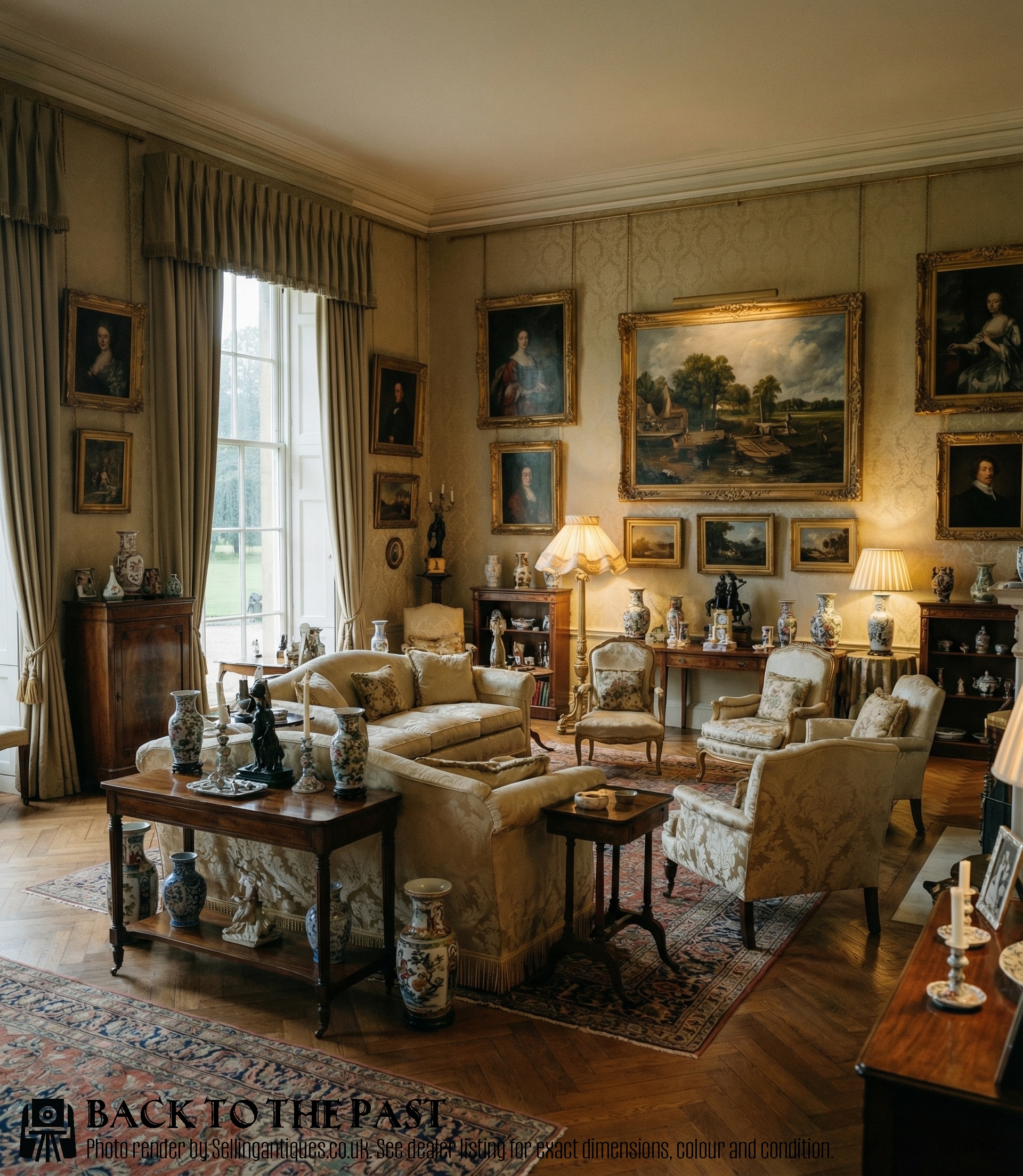
Gilded Floor Standing Lamp
A gilded floor standing lamp provides functional height while introducing decorative presence into an interior space. When searching for a gilded floor standing lamp, a buyer encounters forms that range from slender classical columns to ornate figural stands.
The selections visible here span several distinct periods including the Edwardian era, the nineteenth century, and the early twentieth century up to nineteen thirty. Standard lamps and floor lamps appear frequently alongside specialised torchere forms.
Stylistic influences vary significantly across the inventory, drawing on Venetian, Florentine, and Italian baroque traditions as well as neoclassical revival and chinoiserie. Buyers are most likely to meet carved giltwood standards and painted or lacquered wooden shafts decorated with gold leaf.
Materials and construction methods
Construction relies heavily on traditional timber working combined with surface ornamentation techniques. Artisans carved solid wood bases and shafts, applying gesso as a smooth preparation layer before laying down gold leaf or parcel gilt highlights.
Alternative metallic elements incorporate cast brass and ormolu details to add structural crispness and varied sheen. Painted and black lacquered wooden surfaces appear alongside original gilt polychrome finishes on figural stands.
Distinguishing quality in craftsmanship
The standard of carving determines much of the visual success in these pieces, separating fluid, deeply undercut foliage from rigid or shallow detailing. Superior examples exhibit hand-chiseled depth in the wooden or gesso enrichment rather than moulded shortcuts.
Surface preservation dictates the character of the piece, with intact original gold leaf or polychrome pigment holding greater appeal than heavy later overpainting. The integration of structural joinery within the upright shaft ensures stability despite the considerable height of the object.
Coutan
The Gilded Floor Standing Lamp Glossary
- Giltwood
- Wood that has been decorated with thin sheets of gold leaf applied over a prepared gesso ground. This technique creates a rich, warm metallic lustre that ages with a soft patina.
- Gesso
- A plaster mixture applied to carved wooden surfaces to provide a smooth, absorbent base for gilding or painting. It allows craftsmen to model crisp decorative details before applying gold leaf.
- Torchere
- A tall stand or ornamental candlestick originally designed to hold a torch or single light source. In later periods, these forms were adapted to carry electrical lamp fittings.
- Polychrome
- Decoration executed in multiple colours, often found on carved figural standards and Venetian pieces. This surface treatment combines metallic leaf with painted pigments to accentuate sculptural details.
- Chinoiserie
- A European artistic style reflecting Chinese aesthetic motifs, frequently applied to lacquered and painted wooden furniture. This style appears on standard lamps featuring dark lacquer and gilt decoration.
Gilded Floor Standing Lamp: Frequently Asked Questions
What is a gilded floor standing lamp?
A gilded floor standing lamp is a tall illuminating fixture featuring a wooden or metallic structure decorated with gold leaf, gesso, or paint. These pieces serve both as practical light sources and sculptural decorative elements within a room.
Inventories show these lamps taking forms such as carved columns, torchere stands, and figural supports reflecting various historical revivals.
How do I date a standard lamp?
Dating relies on examining the stylistic vocabulary, wood types, and surface finishes present on the standard. Pieces from the nineteenth century often show deeper baroque carving influences, while nineteen thirties examples can display cleaner classical revival lines.
Construction methods also provide clues, as older hand-carved wooden shafts differ subtly from later turned designs.
What styles are common?
Common styles include Italian and Florentine baroque revivals, neoclassical designs, and chinoiserie treatments involving black lacquer. These aesthetic movements influenced the decorative motifs carved into the wood and applied to the base.
Makers drew inspiration from French louis periods as well as Venetian traditions of polychrome figural carving.