


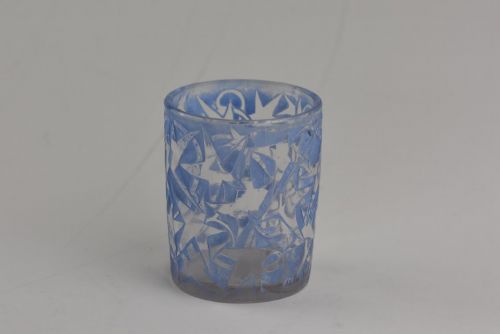


Vintage Stained Glass Art
Vintage stained glass art brings vibrant colour and architectural light into interior spaces through leaded panels, windows, and decorative vessels.
Vintage Stained Glass Art
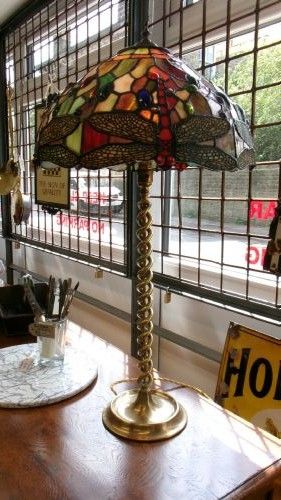
Vintage stained glass art encompasses architectural windows, hanging panels, and decorative objects created during the nineteenth and early twentieth centuries. These works emerge from distinct design movements including Victorian, Edwardian, Arts and Crafts, Art Nouveau, and Art Deco traditions.
The selection on this page centres primarily on leaded and painted glass windows alongside moulded, frosted, and stained glass vessels. Architectural salvage and hanging panels dominate the forms, offering graphic depictions of flora, fauna, and figurative scenes.
Pieces span multiple decades from the late Victorian era through the 1930s, reflecting shifts in domestic architecture and decorative arts. Buyers encounter both structural window panels and smaller decorative glass items bearing coloured staining or enamelling.
What varies in quality
Quality in these works rests upon the complexity of the hand-painted details and the precision of the lead cames. Finely executed brushwork on figurative or natural scenes elevates a panel above standard geometric designs.
The integrity of the glass itself, including the depth of moulded relief and the richness of applied enamels or staining, distinguishes finer production. Substantial framing materials and careful soldering ensure structural longevity across larger architectural pieces.
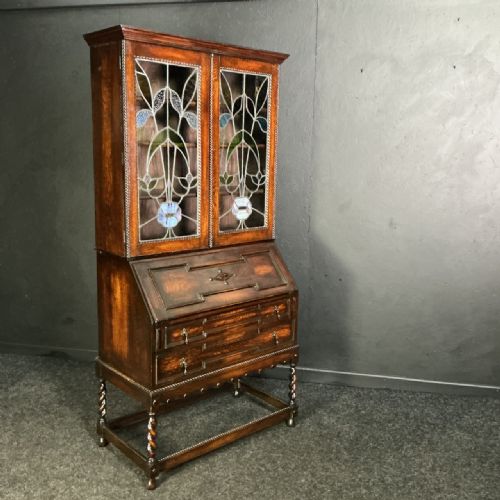
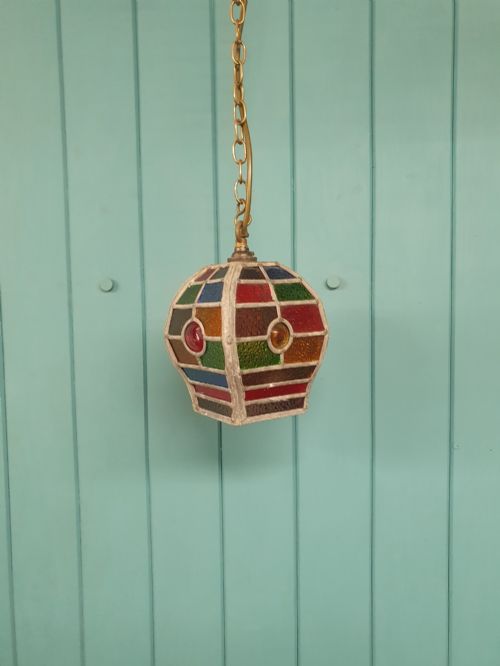
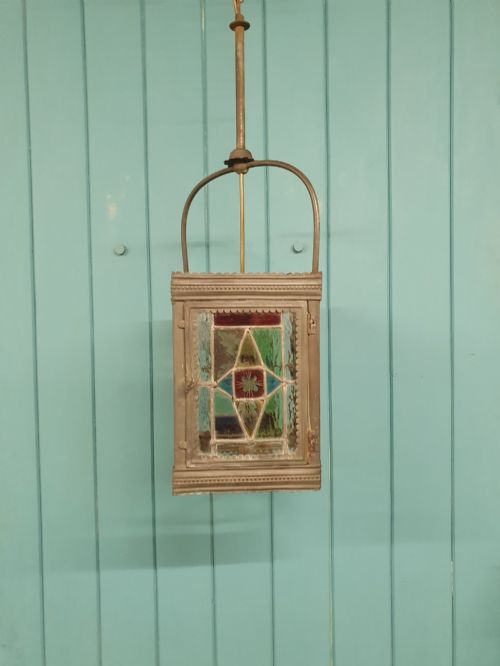
The inventory includes architectural salvage windows alongside smaller decorative objects like pendant lights, vases, and perfume bottles.
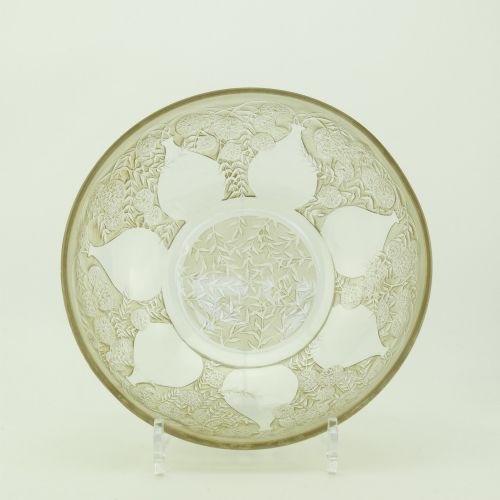
Rene Lalique·S Theeman
The Vintage Stained Glass Art Glossary
- Came
- A slender rod of lead, zinc, or copper with a grooved profile used to hold pieces of glass together in a window. These metal strips form the linear grid of the design.
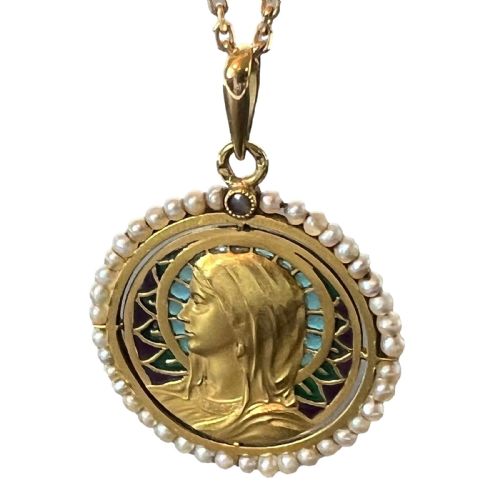
- Plique-a-Jour
- An enamelling technique where enamel is applied within a cellular framework without a backing, allowing light to shine through the translucent material similar to stained glass. This method appears on fine metal pendants and medals.
- Bullseye
- A round piece of glass containing a central concentric swirl or thick spot, formed during the traditional cylinder or crown glass blowing process. Makers incorporated these into windows to add texture and catch the light.
- Opalescent
- Glass that exhibits a milky, iridescent appearance with varied play of colour across the surface. This material gained popularity during the late nineteenth and early twentieth centuries.
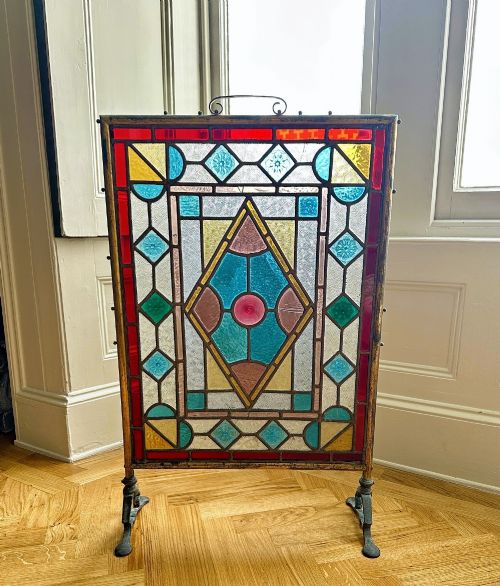
- Firescreen
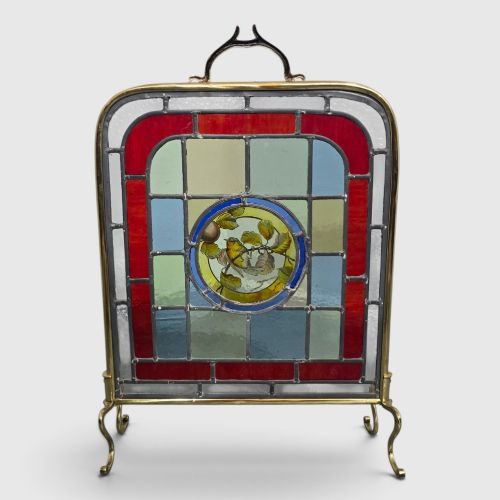
- A decorative screen placed in front of a fireplace opening when not in use, often constructed with a stained glass panel mounted on an iron or brass stand.
Vintage Stained Glass Art: Frequently Asked Questions
How do I hang a stained glass window?
Stained glass panels require secure hanging from the frame rather than the lead cames alone to prevent sagging and structural damage over time. Steel chain or wire attached to anchor points on the outer wooden or metal surround distributes the weight evenly.
Positioning the panel in front of an existing window or mounting it within a wooden frame with backlighting allows natural light to pass through the coloured glass.
Are these windows suitable for exterior installation?
Most antique panels were built for interior partitions or secondary exterior glazing rather than modern weather-exposed exterior walls. Placing them inside a protective double-glazed unit shields fragile historic lead and glass from wind pressure and temperature extremes.
Consulting a specialist conservator ensures that older lead cames can support external placement without bowing or compromising the weather seal.
How do I clean antique stained glass?
Dusting gently with a soft, dry microfibre cloth removes everyday debris without disturbing fragile painted details or aged lead work. Avoid using harsh chemical cleaners, ammonia, or abrasive pads that can strip historic enamels or damage the surface of the glass.
For stubborn grime, a slightly dampened cloth with mild soapy water works safely when dried immediately with a soft towel.
How do I identify the period of a panel?
Stylistic motifs offer the clearest indication of age, with flowing floral designs pointing toward Art Nouveau and geometric patterns aligning with Arts and Crafts or Art Deco periods. The presence of hand-painted details combined with specific types of lead cames helps narrow down the decade of manufacture.
Examining the type of glass, such as opalescent or textured bullseyes, further aids in dating pieces from the Victorian era through the 1930s.