


Painted Stained Glass Window
A painted stained glass window brings interior spaces alive with colour, combining hand-painted detail and leaded glass panels from the Victorian and Edwardian eras.
Painted Stained Glass Window
A painted stained glass window encompasses architectural salvage from churches, shops, and domestic properties dating mainly from the nineteenth and early twentieth centuries. These panels and windows display distinct forms ranging from single rectangular panels to large church triptychs and arch tops.
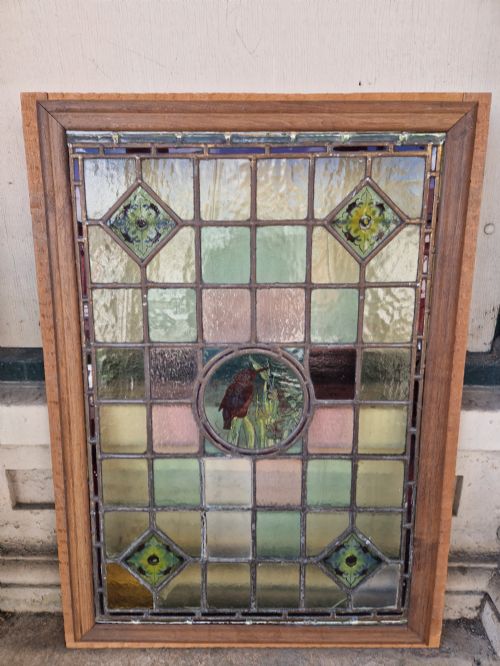
The most common versions met on this page are domestic and architectural leaded panels featuring hand-painted central motifs. Buyers frequently encounter representations of birds, flowers, country scenes, and religious iconography set within traditional lead came.
Pieces span several decades of British craftsmanship, reflecting the aesthetic shifts of the Victorian, Edwardian, and Gothic Revival movements. They serve both as structural glazing and decorative focal points within modern interiors.
Assessing quality in painted glass
The sophistication of the hand-painted detail separates standard architectural salvage from exceptional works. Fine brushwork depicting intricate feathers, facial expressions in knight or religious scenes, and nuanced countryside landscapes demonstrates superior artistic execution.
The complexity of the leading and the integration of diverse glass types, such as bullseyes and flashed glass, dictate the structural and visual richness of a panel. Well-preserved enamel work that resists fading and chipping indicates higher kiln-firing standards during production.
Among the natural motifs, a handful of surviving panels capture a cricket match and a lifeboat in action, preserving fleeting Victorian pastimes in glass.
The Painted Stained Glass Window Glossary
- Lead came
- The grooved lead strips used to join individual pieces of glass in a window. This pliable metal creates the dark linear framework holding the entire design together.
- Bullseye
- A circular roundel of glass formed from the centre of a blown glass disc, featuring a prominent central nub. These are often set into windows to add texture and catch the light.
- Enamel
- A type of glass-based paint applied to the surface of the glass and fired at high temperatures. It allows artists to render fine details like birds, flowers, and human figures.
- Architectural salvage
- Building elements rescued from structures slated for demolition or renovation. This category includes windows and panels removed from period homes, shops, and churches.
Painted Stained Glass Window: Frequently Asked Questions
How do I hang a window?
These panels can be hung in front of an existing light source using sturdy chain or brackets attached to the surrounding timber frame. Secure wall or window frame fixings ensure the weight of the lead and glass is properly supported.
Positioning the piece where natural daylight passes through the glass reveals the full depth of the painted enamel and coloured sections. Many buyers choose to mount them inside a larger wooden frame for added stability.
Were these used in homes?
Many painted stained glass windows originated in domestic properties, particularly during the Victorian and Edwardian periods. They served as interior partition glazing, front door transoms, and decorative window inserts.
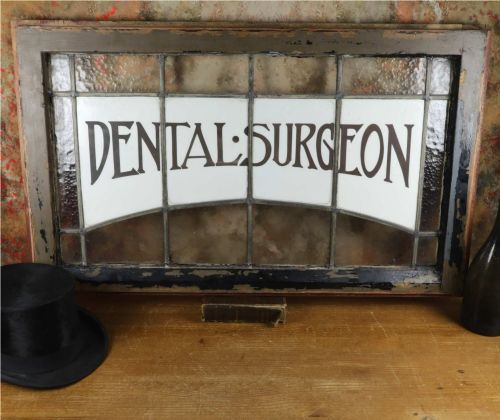
Commercial premises such as tobacco shops and dental surgeries also utilised specialised painted glass signs and panels to attract custom and advertise services.
How do I date a window?
Dating relies on stylistic clues, subject matter, and the specific manufacturing techniques visible in the glass and lead. Victorian pieces often lean towards Gothic Revival motifs or formal botanical studies, while Edwardian examples frequently feature lighter Arts and Crafts influences.
Records show common production dates clustering around the late nineteenth century up through the 1920s, with distinct artistic shifts marking each decade.
Are church windows different?
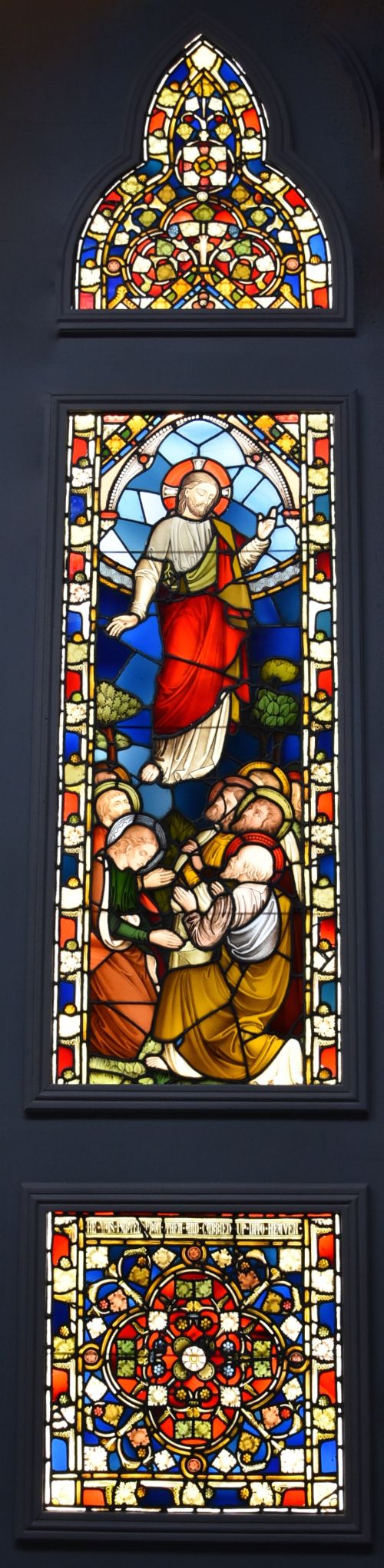
Church windows typically display larger scales, such as triptychs and arch top formats, with overt religious iconography and narrative scenes. Domestic panels are generally smaller and more varied in subject, featuring birds, fruit, and rural landscapes.
Both types utilise the same fundamental technique of leaded glass construction combined with hand-painted enamel details.