
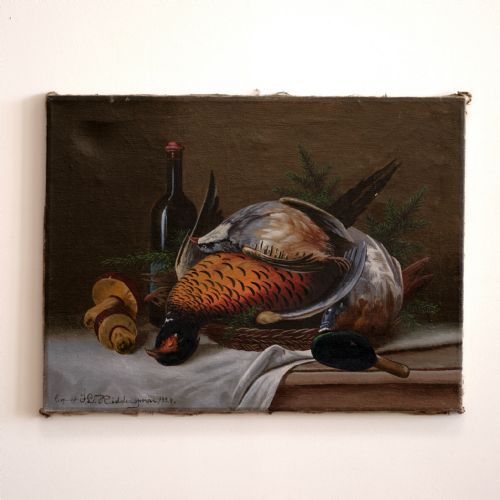
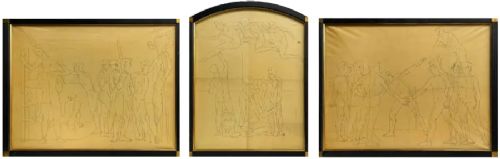
Vintage Sports Wall Art
Vintage sports wall art brings equestrian scenes, cycling posters and athletic watercolours from the nineteenth and twentieth centuries directly into your interior.
Vintage Sports Wall Art
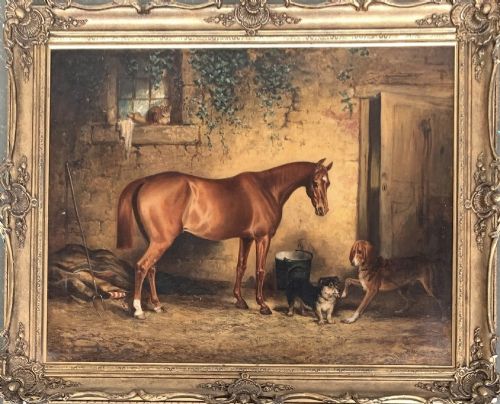
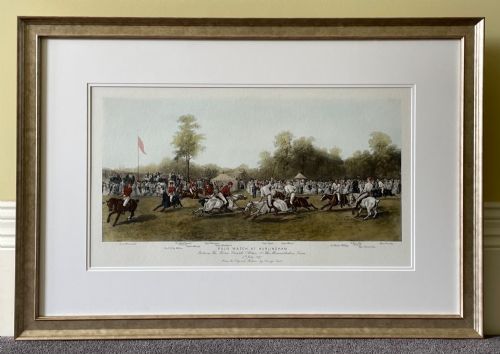
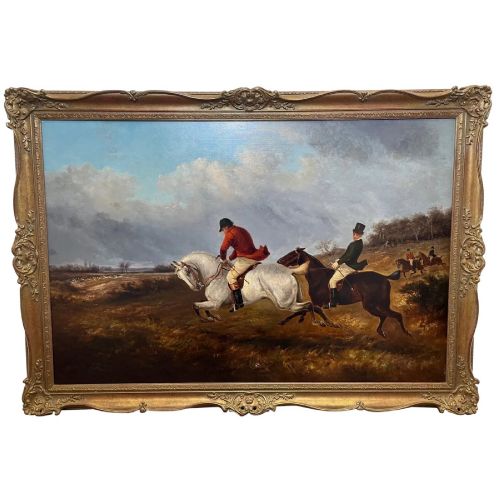
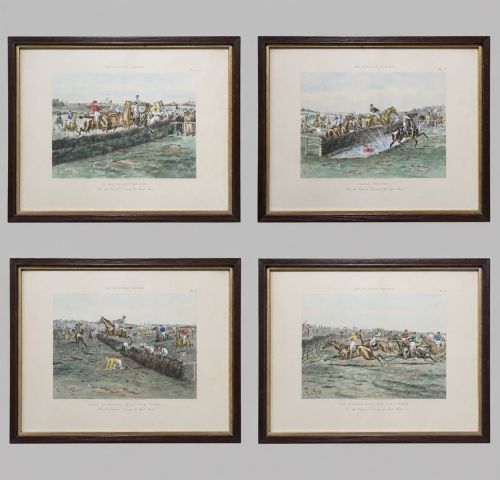
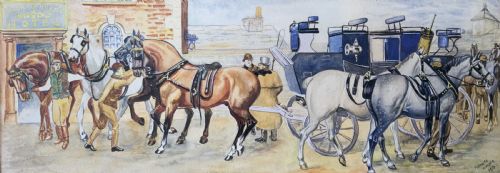
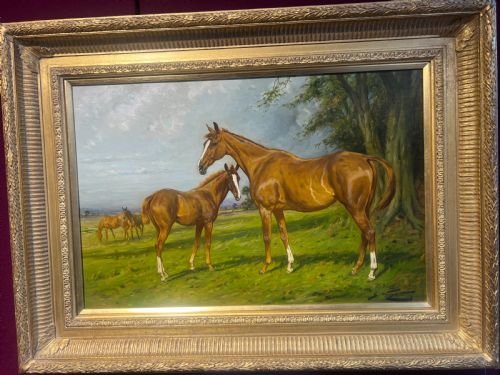
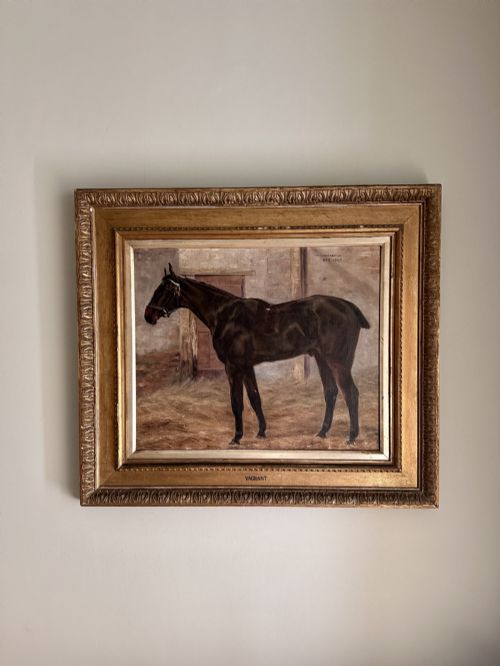
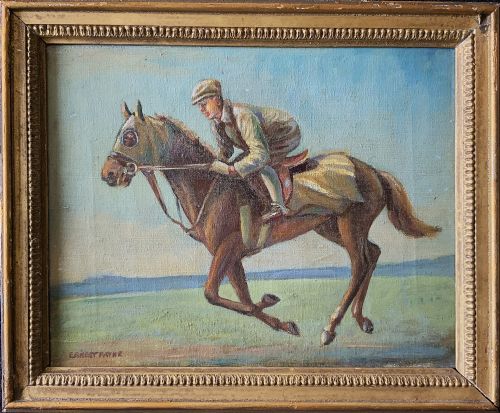
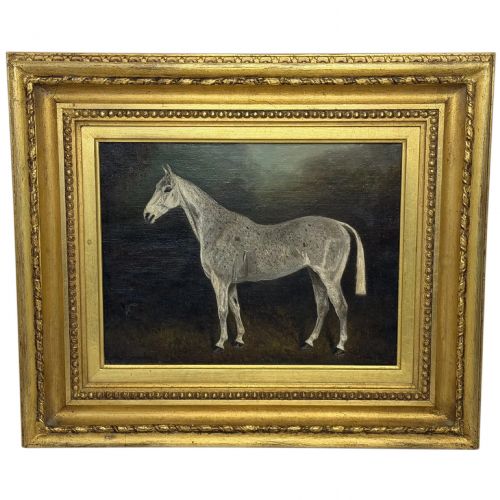
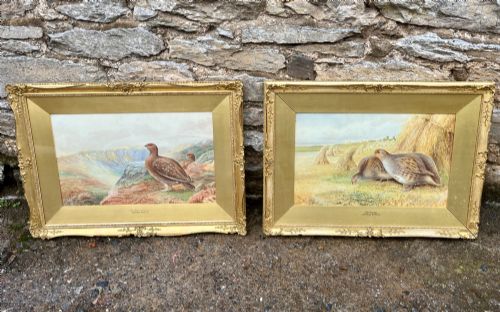
Vintage sports wall art covers oil paintings, watercolours, chalk drawings, lithographs and aquatints spanning the Georgian, Victorian, Edwardian and mid-century periods. Equestrian subjects dominate the selection, ranging from detailed racehorse portraits to bustling polo matches and fox hunting scenes.
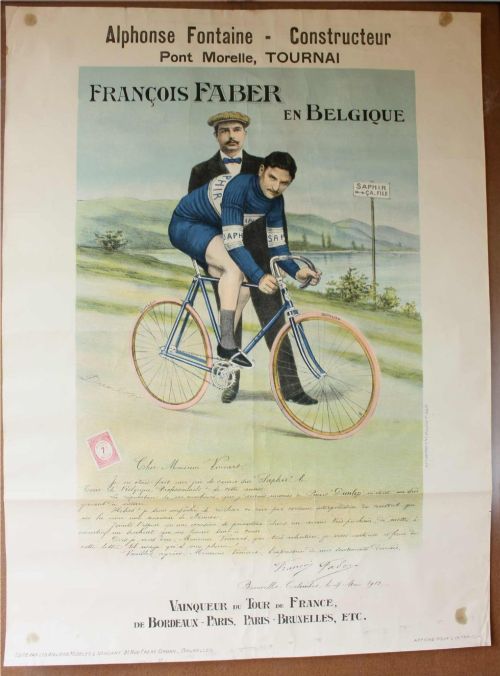
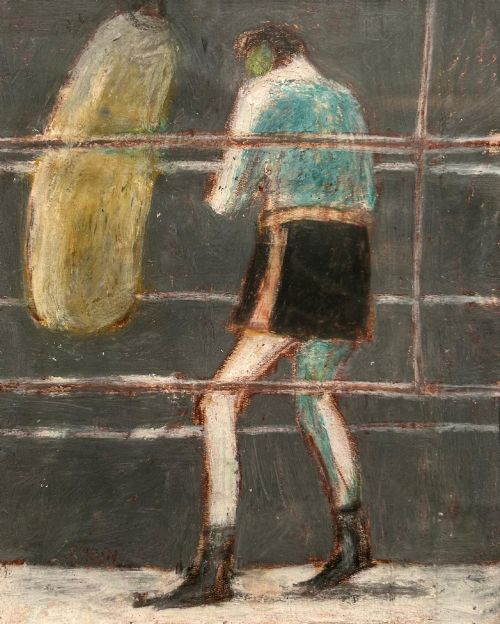
Beyond horse racing and hunting, the selection encompasses cycling posters, tennis barometers, boxing workouts, cricket prints, rodeo drawings and snooker scenes. These pieces capture historical athletic pursuits through varied artistic interpretations, from academic nineteenth-century oils to expressionist works on paper.
Buyers will most frequently encounter framed works depicting horses, hounds and racing subjects executed in oil paint or print formats. The origins span British sporting art traditions alongside continental cycling imagery and Olympic depictions from the early decades of the twentieth century.
Materials and construction methods
Artists painted these sporting subjects primarily with oil on canvas or applied watercolour, ink and pastel onto paper and card. Printers utilised lithography, engraving and aquatint techniques to reproduce popular paintings and promotional posters for wider circulation.
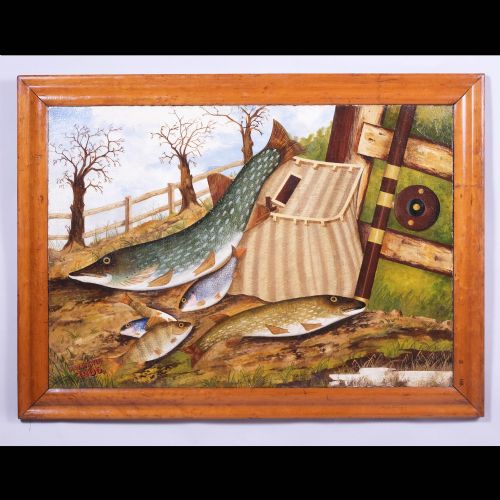
Framing materials reflect the period of creation, utilising wood such as walnut and oak alongside giltwood frames. Many works on paper are protected behind glass with original mounts.
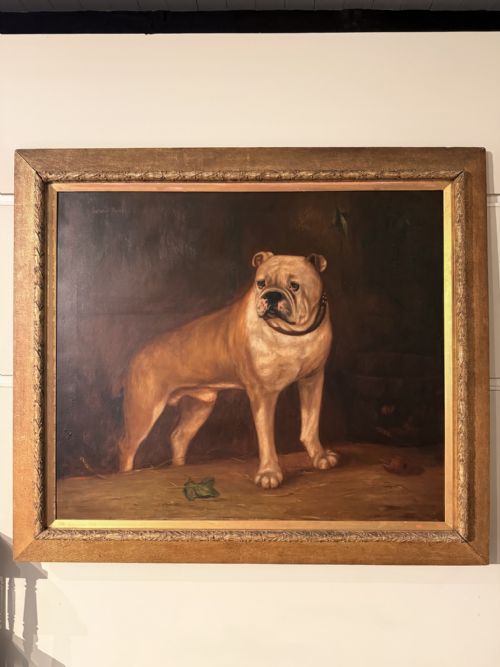
Dogs make frequent appearances alongside horses, occasionally interrupting a hunt or watching a match from the sidelines.
Distinctions in quality
Quality rests upon the skill of the draughtsman or painter in capturing movement, anatomical accuracy and the dynamism of the sport. Works by recorded sporting artists display superior handling of light, equine anatomy and compositional balance compared to anonymous commercial prints.
The integrity of the materials also defines the piece, with original hand-painted oils and signed watercolours holding greater artistic distinction than mass-produced mechanical prints. Contemporary framing and the preservation of the paper or canvas surface further distinguish superior examples.
Thomas Smythe·Francois Faber·James Stroudley·George Finch Mason·Samuel Rabin·George Wright·Fred Fitzpatrick·Ernest Payne·George Rankin·J C Dollman·Snaffles·C R Breytle·Thomas Walker Bretland·John Frederick Herring Snr·Gen Paul·John Rattenbury Skeaping·Albert Clark·Anne Goldthwaite·Gertrude Halsband
The Vintage Sports Wall Art Glossary
- Aquatint
- An intaglio printmaking technique that produces areas of tone resembling watercolour washes. It was frequently utilised for nineteenth-century sporting prints.
- Lithography
- A planographic printing process using a flat stone or metal plate. It allowed for the vibrant production of early twentieth-century cycling and event posters.
- Giltwood
- Wood carved and covered with a thin layer of gold leaf. This material is commonly found on frames housing nineteenth-century oil paintings.
- Gouache
- An opaque water-based paint that provides solid, matte colour blocks. Artists used it alongside watercolour for enhanced definition in mid-century sports illustrations.
Vintage Sports Wall Art: Frequently Asked Questions
What subjects are most common?
Equine subjects, horse racing, fox hunting and polo form the vast majority of the sporting depictions available. Cycling, boxing, cricket and tennis appear less frequently.
These subjects reflect the popularity of equestrian pursuits in British country life and international sporting culture across the nineteenth and twentieth centuries.
How do I date a piece?
Dating relies on stylistic shifts, artist lifespans, framing materials and printed publication dates noted on the work. Mid-century modern aesthetics differ markedly from Victorian academic realism.
Clothing styles, bicycle designs and printing technology also provide clear chronological markers for narrowing down the decade of production.
Are these works original?
The selection includes both unique hand-painted works, such as oil paintings and watercolours, and period-printed reproductions like lithographs and aquatints. Each listing specifies the exact medium used by the creator.
Signed pieces and original artist proofs represent direct primary works, while vintage prints offer period-accurate decorative interpretations of famous sporting moments.
How should I display them?
These framed paintings and prints suit studies, living rooms and hallways, particularly when paired with traditional wooden furniture. Direct sunlight should be avoided to protect watercolours, pastels and paper from fading.
Ensuring stable indoor humidity preserves both the canvas or paper support and the wooden or giltwood frames.