
Vintage Spirit Glasses
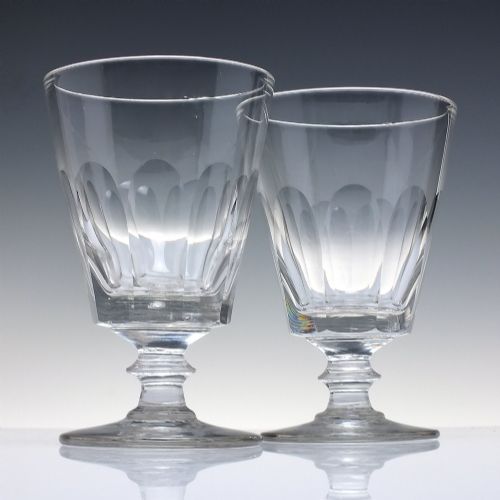
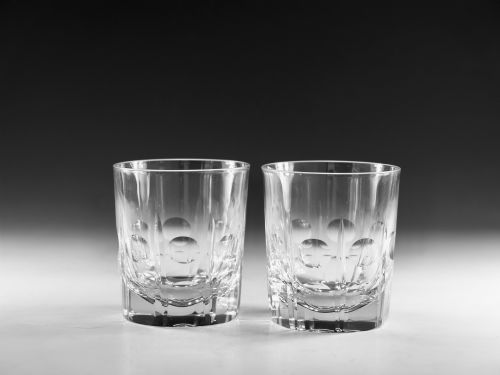
These vintage spirit glasses bring period character to the sideboard, spanning Georgian rummers to Edwardian tumblers designed for evening drams.
Vintage Spirit Glasses
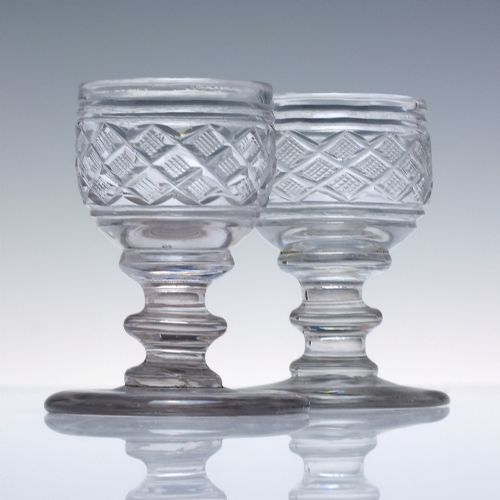
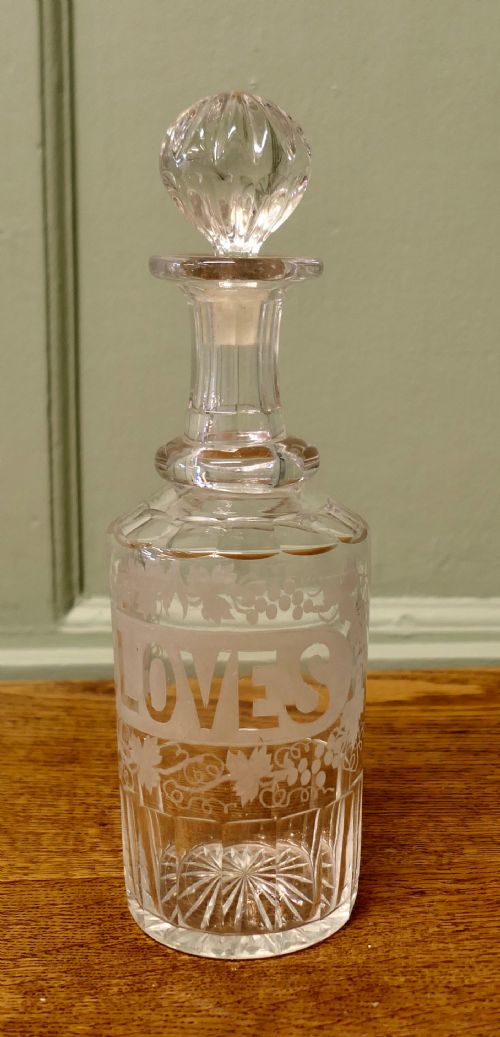
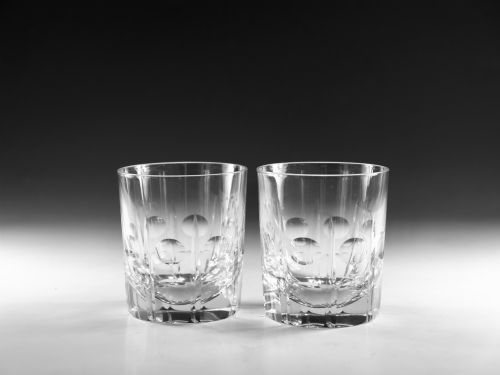
When buyers search for vintage spirit glasses, they encounter drinking vessels and pouring pieces shaped by Victorian, Edwardian, and earlier traditions. The selection includes heavy dram glasses, whiskey tumblers, and rummers intended for daily hospitality.
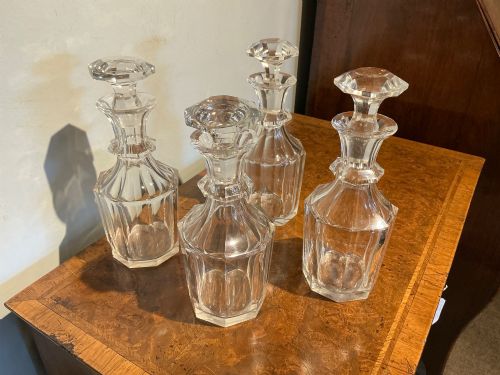
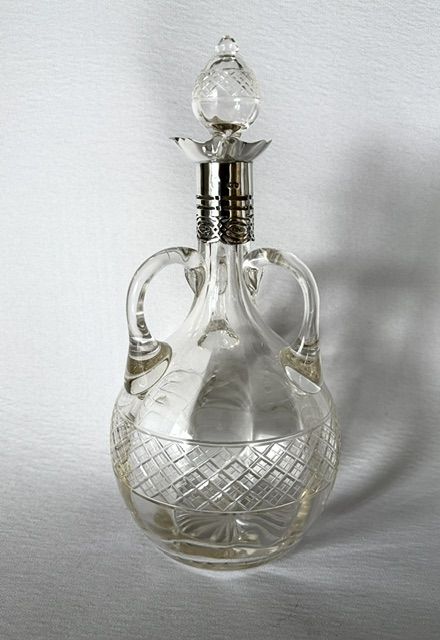
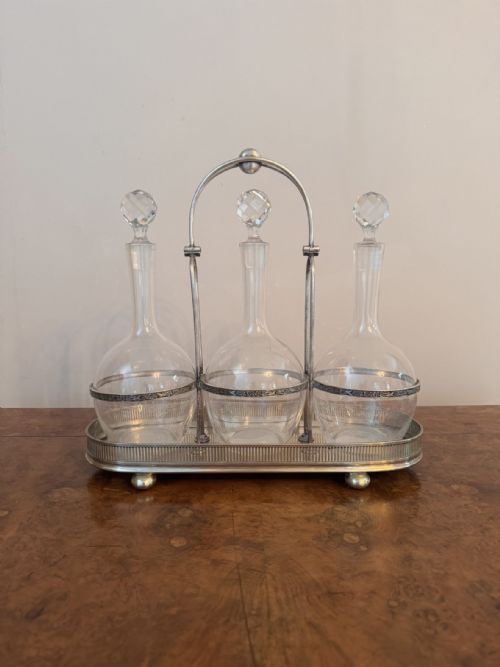
Most examples originate from the nineteenth and early twentieth centuries, appearing alongside decanters, tantalus sets, and silver-mounted flasks. The forms reflect the social habits of the period, from field campaign sets to formal dining room glassware.
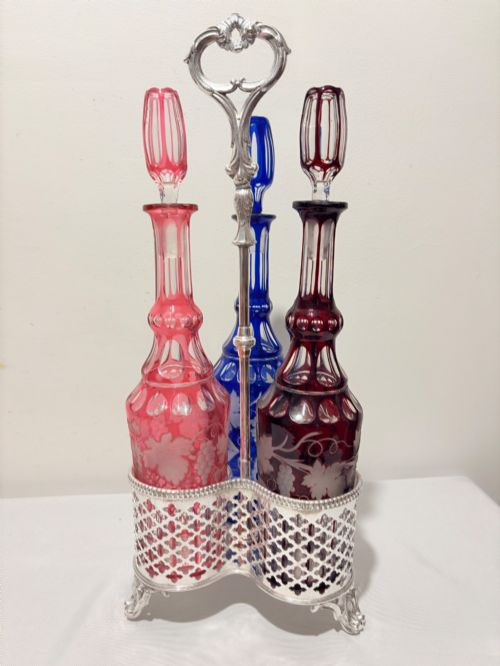
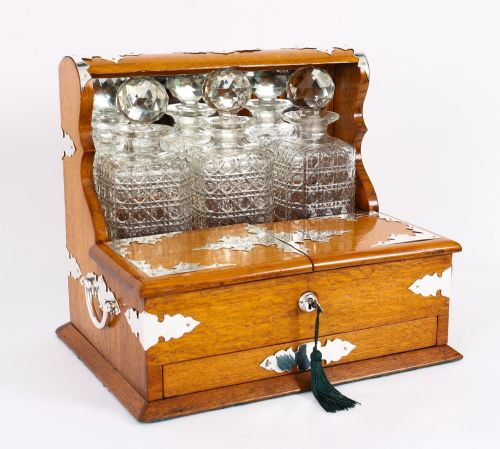
Sets range from matched pairs of tumblers to larger groupings housed in fitted wooden cases with silver-plated stands. These vessels served everything from claret and brandy to whisky and cordials.
Materials and manufacture
The objects are formed predominantly from glass, lead crystal, and cut crystal, shaped through blowing and pressing techniques before receiving hand-cut facets. Makers utilised sterling silver and silver plate for collars, mounts, and protective framing.
Decoration involves wheel engraving, acid etching, hand painting, and enamelling directly onto the body of the glass. Wooden housings utilise oak, satinwood, and coromandel to contain the crystal vessels securely.
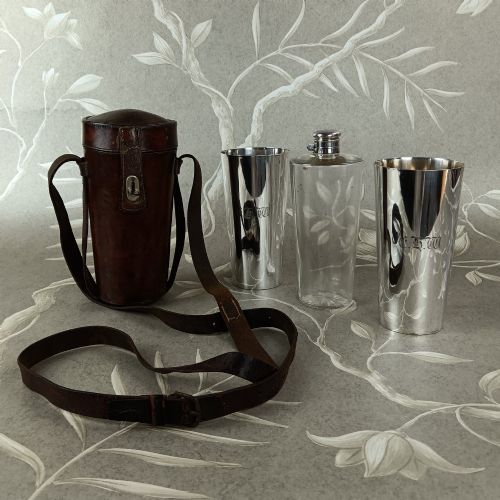
Victorian travellers carried fitted leather cases containing silver-topped flasks to ensure a reliable dram during cross-country railway journeys.
Judging quality in glassware
Quality rests in the clarity of the crystal, the crispness of the hand-cut facets, and the weight of the individual glass. Superior pieces display precise symmetry and a resonant tone when struck gently.
Mounts and hardware add distinction when executed in solid sterling silver rather than silver plate, particularly with intact hallmarks. Fitted wooden tantalus frames show superior craftsmanship through tight joinery and functional locking mechanisms.
James Dixon & Sons·Betjemann·Rene Lalique
The Vintage Spirit Glasses Glossary
- Rummer
- A large drinking glass popular in the eighteenth and nineteenth centuries, typically featuring a short stem and a capacious bowl used for ale, wine, or spirits.
- Tantalus
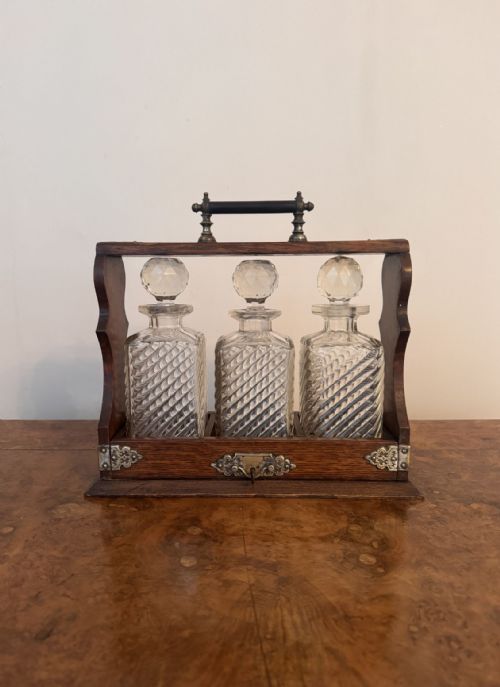
- A locking wooden frame holding decanters securely visible while preventing access to the contents without a key.
- Lead crystal
- Glass containing metal oxides that increase weight, brilliance, and the ability to hold deep, sharp cuts.
- Dram glass
- A small drinking vessel designed specifically for a single measure of whisky or spirits.
- Cut glass
- Glass decorated by holding it against rotating abrasive wheels to cut geometric or floral patterns into the surface.
Vintage Spirit Glasses: Frequently Asked Questions
Are old tumblers safe to use?
Most nineteenth-century glassware is safe for occasional use with modern beverages. Lead crystal can leach trace amounts of lead if liquids remain stored for long periods.
Use the vessels for serving rather than long-term storage. Hand wash them carefully after each gathering.
How do I date cut glass?
Examine the base of the piece for pontil marks, where the glassblower's rod was snapped off and ground smooth. Earlier pieces often display rougher pontils and deeper hand-cutting.
Consider the overall form and accompanying metal mounts, as silver hallmarks provide exact decades. Edwardian pieces often show brighter, more uniform machine assistance than Georgian work.
What is a tantalus?
A tantalus is a locking barware cabinet invented in the Victorian era to secure spirits from unauthorized servants or guests. The frame locks the stoppers in place so the decanters cannot be removed.
These pieces typically combine oak or coromandel wood with cut crystal decanters and silver-plated or sterling mounts. They sat on sideboards in dining rooms and studies.