


Vintage Silver Tazza
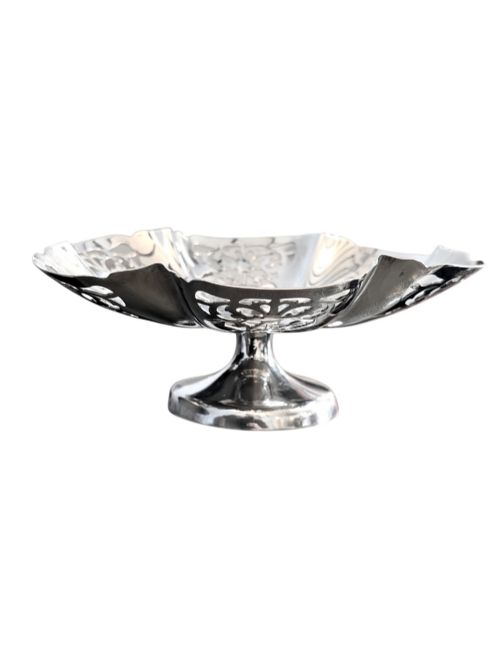
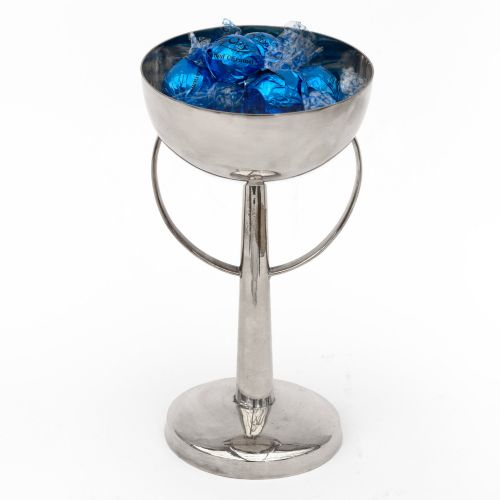
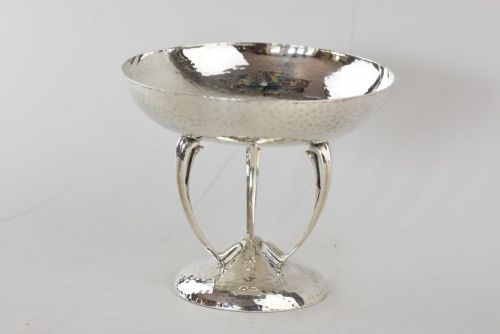
These vintage silver tazza pieces bring height and presence to a table, offering a pedestal stage for fruit, sweets or floral displays.
Vintage Silver Tazza
When you search for vintage silver tazza items, you encounter pedestal dishes designed to elevate presentation across dining tables and sideboards. These elevated vessels appear in forms ranging from compact sweet dishes and cake stands to grand table centrepieces and decorative bowls.
The selections span distinct historical periods from the nineteenth century through the Edwardian era and into the Art Deco and Art Nouveau movements. You meet pieces originating from English workshops, continental makers, and distant export markets such as India and China.
Silver plate and sterling silver dominate the selections, frequently paired with cut glass or Britannia metal to create varied silhouettes. These elevated dishes function as structural ornaments that introduce vertical interest to domestic displays.
Materials and construction methods
Silversmiths utilised solid sterling silver, silver plate on base metals such as Britannia metal, and chrome, often mounting bowls upon cast or raised pedestals. Many examples incorporate heavy cut glass inserts that contrast against gleaming metallic frames.
Makers applied specialised decorative techniques including hand hammering during the Arts and Crafts movement, intricate wirework in Indian export pieces, and flowing organic motifs characteristic of Art Nouveau and Jugendstil designs.
The inventory encompasses distinct design movements spanning Victorian, Arts and Crafts, Art Nouveau, Edwardian, and Art Deco styles.
Assessing quality in pedestal dishes
Quality reveals itself in the weight and balance of the pedestal relative to the bowl it supports, ensuring the piece stands firm without listing. Superior examples display crisp definition in chased or hammered surface details rather than soft, mass-produced stamping.
The integration of mixed materials, such as the exact fit of cut glass within a silver-plated mount, demonstrates the standard of manufacturing. Maker marks and hallmarks stamped into the metal further distinguish workshop output from anonymous commercial production.
Goldsmiths and Silversmiths Company London·Mappin and Webb·W M F
The Vintage Silver Tazza Glossary
- Tazza
- An Italian term for a shallow bowl or cup mounted on a stem and foot. This vessel serves as a decorative centrepiece or a formal server for fruit and confectionery.
- Comport
- A large standing dish or bowl used for holding fruit or sweetmeats on the dining table. The term is frequently used interchangeably with tazza in nineteenth and early twentieth-century inventories.
- Bon bon dish
- A small small dish specifically designed for holding sweets, small chocolates or nuts. These often feature pierced or footed designs suitable for passing among guests.
- Britannia metal
- A tin-based alloy used as a base metal for silver plating or finished on its own to resemble pewter or silver. It provides a lightweight yet rigid substrate for decorative vessels.
- EPNS
- Electroplated nickel silver, a common base material consisting of a nickel alloy coated with a layer of pure silver. This technique allowed manufacturers to produce durable tableware at a lower cost than solid silver.
Vintage Silver Tazza: Frequently Asked Questions
What is a tazza used for?
A tazza functions primarily as a decorative pedestal dish for displaying fruit, cakes, or sweetmeats on a dining table or sideboard.
Historically, these elevated vessels served to create height and visual variety among table settings during formal meals.
How do I clean silver plate?
Clean silver plate gently using a specialised silver cloth or mild polish formulated specifically for plated items to preserve the metallic layer.
Avoid harsh abrasives and scrubbing, which can wear away the thin silver coating over the underlying base metal.
How do I date a piece?
Dating relies on identifying stamped hallmarks, maker marks, and stylistic indicators such as Edwardian symmetry or Art Nouveau floral asymmetry.
Comparison of materials like Britannia metal, sterling silver, or cut glass inserts also helps place an item within its manufacturing era.
Can these pieces hold food?
Many vintage tazza and compote dishes can hold dry foods, fruit, or confectionery for presentation during gatherings.
Items with cut glass inserts or solid silver surfaces are generally safe for food service, though pieces with worn plating require careful consideration.