





Antique Silver Table Centre
An antique silver table centre anchors a dining scheme with presence, drawing the eye through height and metalwork.
Antique Silver Table Centre
An antique silver table centre encompasses grand centrepiece bowls, epergnes, candelabras, and occasional or side tables designed to command the middle of a room or dining surface. These pieces emerge across the nineteenth and twentieth centuries, spanning Victorian, Edwardian, and Art Deco periods alongside distinct regional interpretations.
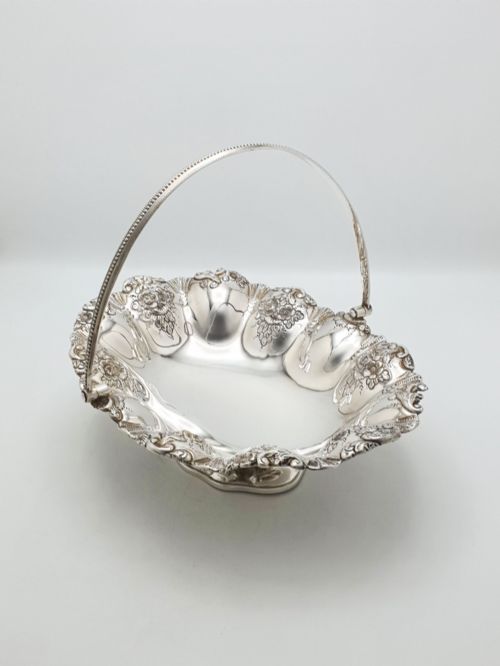
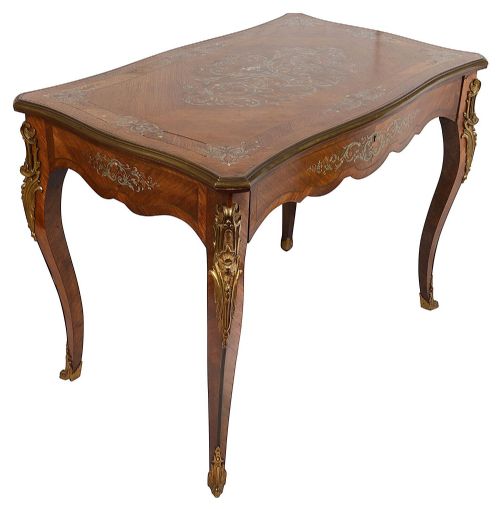
The version most frequently met on this page is the silver plated or sterling silver centrepiece bowl, often paired with cut glass inserts or detailed repoussé rims. Alongside these table-top vessels, the selection includes wooden occasional and dining tables designated for centre placement, frequently embellished with silver inlay or built from mahogany and walnut.
What varies in quality
The distinction between standard production and top-tier execution lies in the crispness of the chased detail and the weight of the metal used. Heavier sterling silver and substantial Old Sheffield plate retain sharper definition in floral repoussé and structural joins, whereas lighter plated wares show softening across high points.
Compositional complexity dictates value, separating simple bowls from multi-tiered epergnes featuring cut glass and figural supports like ostriches and palm trees. Timber tables vary according to the precision of the silver inlay and the depth of figure within the mahogany or burr walnut veneers.
Listings feature items spanning the eighteenth to the twentieth centuries, incorporating sterling silver, silver plate, mahogany, walnut, and cut glass.
Joseph Rodgers·Elkington
The Antique Silver Table Centre Glossary
- Repoussé
- A metalworking technique where a design is hammered into relief from the reverse side. This method defines the floral rims seen on Edwardian and Victorian baskets.
- Epergne
- An ornamental centrepiece featuring a central dish with multiple branching arms and hanging baskets. These vessels held fruit, flowers, or sweets during formal dining.
- Old Sheffield Plate
- An early fusing technique where a sheet of silver is fused to a copper base before rolling. This process produces a rich surface warmth distinct from later electroplating.
- Plateau
- A mirrored tray placed in the centre of a table to reflect light and support candelabras or bowls. These mirrored bases protect polished wood surfaces from heat and wax.
- Dish Ring
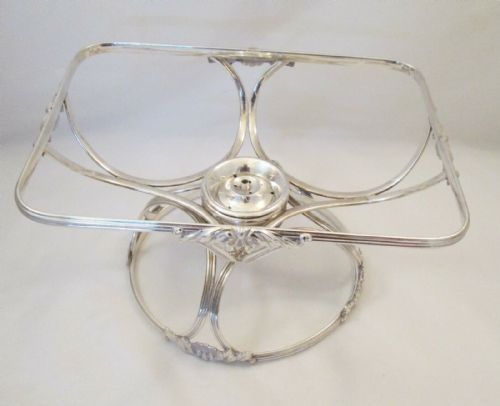
- A spool-shaped stand, often pierced, designed to elevate a fruit bowl or dish above the table cloth. Some examples incorporate built-in burners.
Antique Silver Table Centre: Frequently Asked Questions
How do I clean an antique silver centrepiece?
Clean silver plate and sterling silver gently using a soft cloth and a reputable silver cream designed to preserve delicate repoussé details. Avoid abrasive cleaners that strip thin plating or Old Sheffield layers.
Keep glass inserts washed separately in warm soapy water and dry thoroughly before replacing them in their metal mounts. Prevent polish build-up in deep crevices by using a soft brush.
What is the difference between a table centre and an epergne?
A table centre generally refers to a single bowl, basket, or mirrored plateau placed in the middle of a dining arrangement. These items focus on low-profile displays or singular floral arrangements.
An epergne is a more complex multi-tier centrepiece that incorporates hanging baskets and branching holders. This vertical structure allows for elaborate food or flower presentations across multiple levels.
How do I date an antique silver centre piece?
Dating relies upon hallmarks on sterling silver components, stylistic shifts from Victorian floral revival to Edwardian elegance, and registration numbers found on later electroplated wares. Comparing the manufacturing technique, such as the transition from Old Sheffield plate to later plating, narrows the era.
Supporting materials like cut glass style and timber veneers also provide firm chronological markers. Examine any inscribed dates or registry marks for precise verification.
Can I use an antique centrepiece for dining?
These pieces function well for modern dining tables, holding floral displays, fruit, or seasonal decorations much as they did originally. Care must be taken with vulnerable cut glass and delicate silver plate during regular use.
Ensure heavy items rest on protective pads if placed directly onto polished wooden furniture surfaces. Periodic inspection of structural joints prevents accidental strain on antique metalwork.