
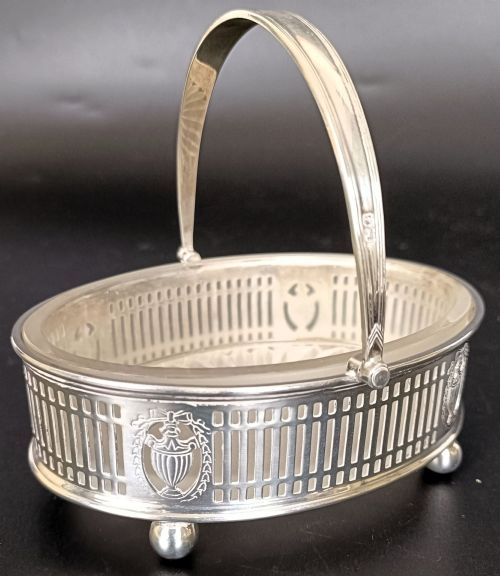


Silver Cake Dish
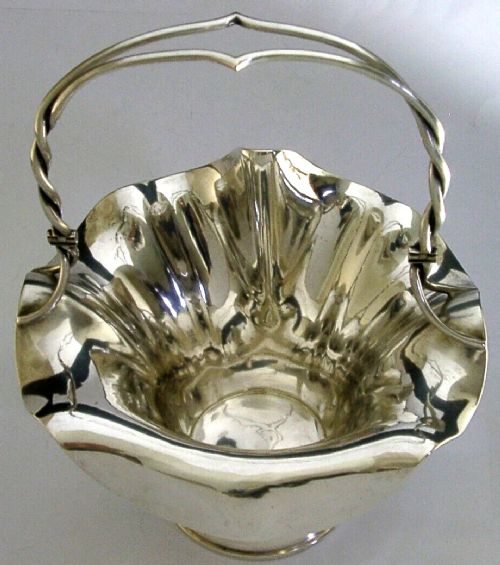
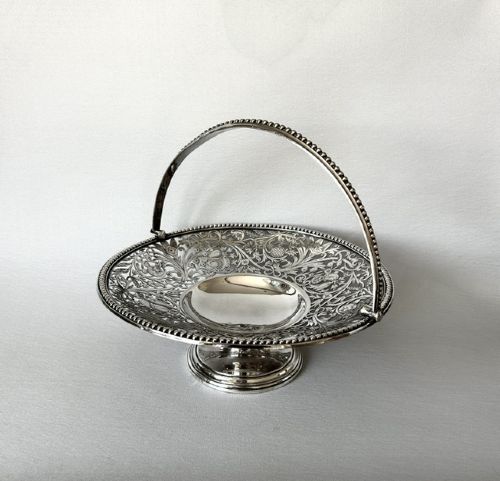
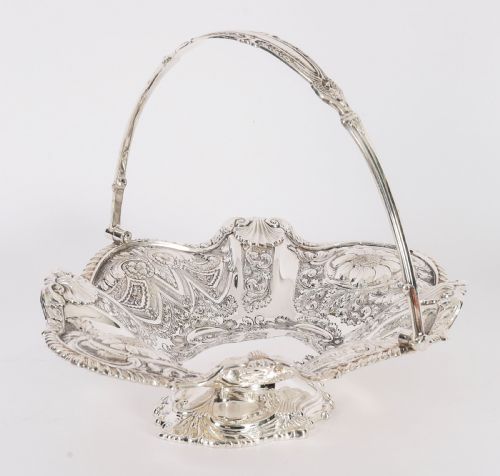
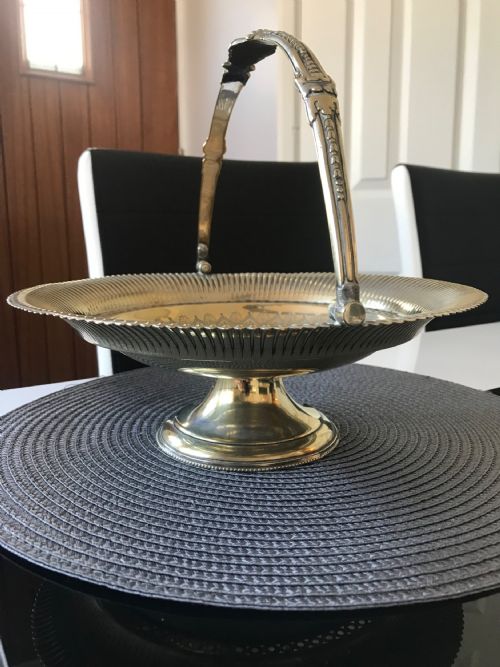
A silver cake dish sits at the centre of the afternoon table, holding baked goods with traditional grace.
Silver Cake Dish
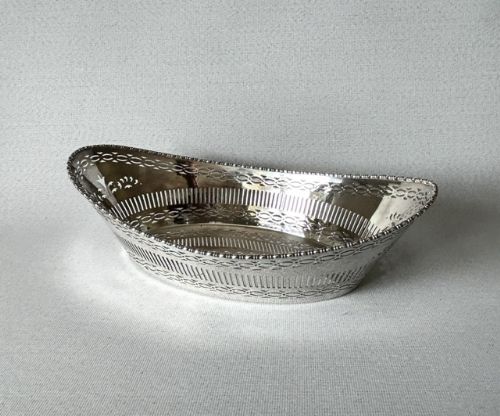
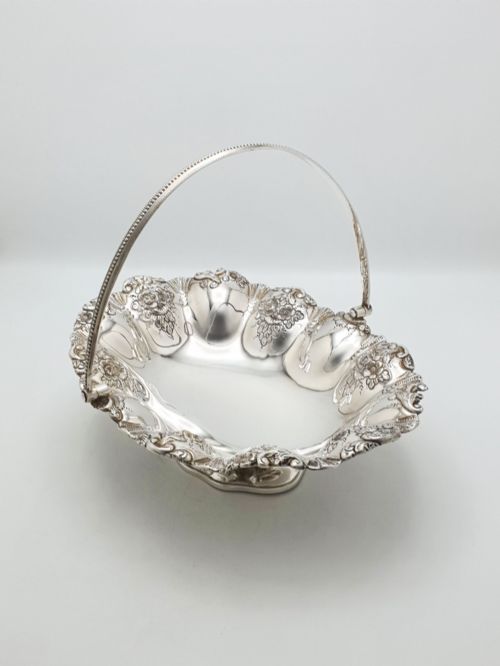
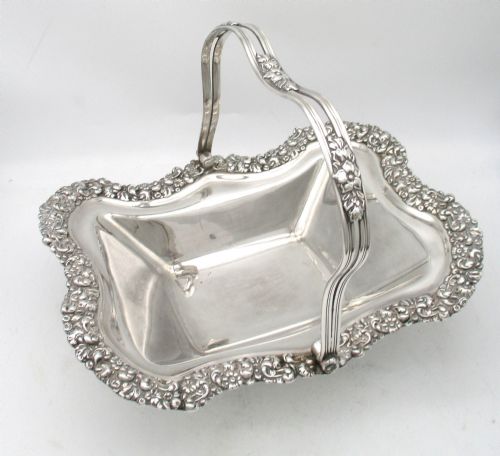
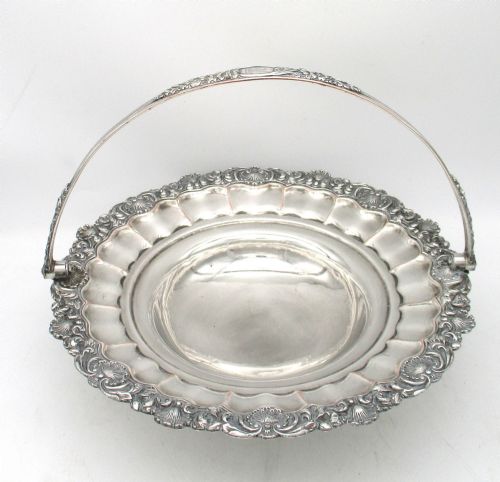
A silver cake dish search reveals a broad selection of antique baskets, bowls, and table vessels intended for serving baked goods, bread, and fruit. These domestic objects appear frequently in silver plate, electroplated nickel silver, Old Sheffield plate, and sterling silver across this selection.
The prevailing forms originate primarily from the nineteenth and early twentieth centuries, spanning Victorian, Edwardian, and Art Nouveau periods. Makers utilised swing handles, loop handles, and footed bases to create both functional tableware and decorative centrepieces for the dining room.
Buyers will encounter specific regional variations, including British hallmarked items alongside continental pieces and specialised wirework constructions. These domestic pieces bridge the gap between practical dining accessories and decorative display items.
Materials and construction methods
Silversmiths employed sterling silver and various plating methods, including Old Sheffield plate and electroplated nickel silver, to shape these serving vessels. Copper provides the underlying base metal in traditional plated items, while solid silver examples display official assay office hallmarks.
Craftsmen shaped the metal using piercing, embossing, and repoussé techniques to create intricate floral rims and lattice patterns. Wirework construction and applied glass elements occasionally appear, demonstrating diverse workshop capabilities of the nineteenth and twentieth centuries.
Assessing quality in antique silver
The integrity of the metalwork and the crispness of the decorative detailing distinguish superior pieces from standard production. Heavy gauge silver or substantial plating ensures the basket maintains its structural form under weight.
The refinement of hand-pierced lattices and the depth of repoussé work reflect the skill of the original maker. Well-preserved hallmarks and legible maker stamps provide historical documentation that elevates a piece's standing.
George W. Scott & Sons Ltd·Mappin & Webb·John Hunt·James Deakin & Sons Sheffield·W M F·James Dixon & Sons·Archibold Knox for Liberty & Co London
The Silver Cake Dish Glossary
- Repoussé
- Metalworking technique where the design is hammered into relief from the reverse side. This method creates tactile floral and scroll motifs around the rim of a dish.
- Old Sheffield plate
- Early method of fusing a thin sheet of silver to a thicker copper base prior to rolling. Items made this way display characteristic copper lines where the base metal shows through wear.
- EPNS
- Electroplated nickel silver, a common base metal base coated in a thin layer of silver using an electrical current. This technique became widespread during the Victorian period for accessible tableware.
- Pierced work
- Openwork pattern created by cutting or sawing decorative apertures through the metal plate. This technique lightens the visual weight of large fruit and cake baskets.
- Swing handle
- Movable arched handle attached to the sides of a basket or bowl via pivots. It allows the vessel to be stored compactly on the table or sideboard.
Silver Cake Dish: Frequently Asked Questions
How were silver cake dishes used?
These vessels served cakes, pastries, and bread during formal afternoon teas and dining occasions. They functioned as both practical tableware and decorative centrepieces on the dining table.
The swing handles allowed servants or hosts to pass the dishes easily among guests. Over time, many transitioned into purely decorative bowls for fruit or display.
What is the difference between sterling and silver plate?
Sterling silver consists of a solid silver alloy containing a specific high proportion of pure silver, verified by official assay office hallmarks. Silver plate involves a thin layer of silver bonded to a base metal such as copper or nickel silver.
Solid silver pieces carry intrinsic metal value and bear maker's marks and town marks. Plated items offered a more affordable option for Victorian and Edwardian households while retaining a bright metallic appearance.
How do I date an antique silver dish?
British hallmarked items feature specific letters and symbols that correspond to the year of assay and the city where the piece was tested. Examining the style, such as Art Nouveau curves or Regency symmetry, also helps narrow down the production era.
Maker's marks stamped into the metal can be cross-referenced against historical silversmith registries. The presence of Old Sheffield plate generally indicates an early nineteenth-century origin.
How should I clean silver cake dishes?
Maintain silver surfaces using a specialist silver polish and a soft cloth to remove tarnish without scratching the metal. Avoid harsh abrasive cleaners that can wear away silver plating or damage delicate repoussé details.
Store pieces in dry environments away from direct sunlight and humidity to slow down future tarnishing. Hand washing with mild soap and warm water is recommended for plated and solid silver alike.