


Antique Filigree Bowl
An antique filigree bowl brings intricate wirework and metal or glass threading to your table, offering delicate craftsmanship that catches every ray of light.
Antique Filigree Bowl
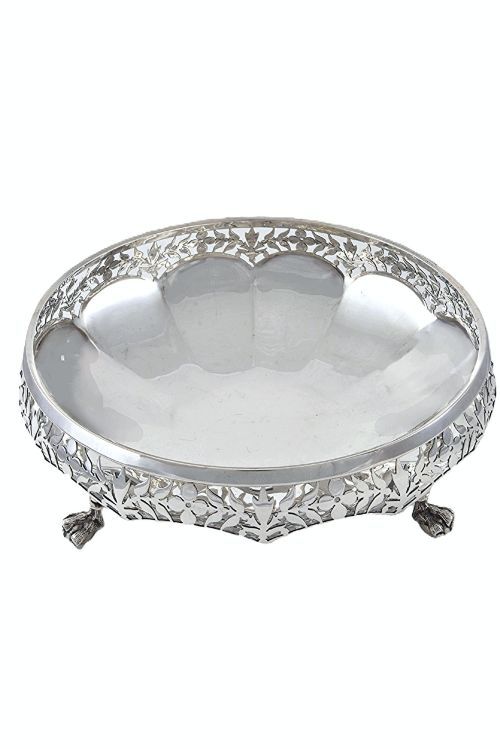
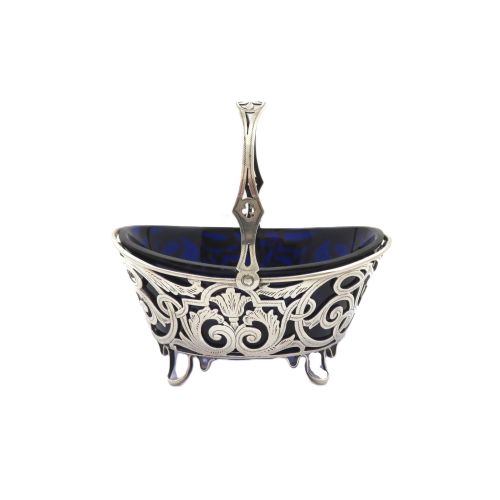
You are most likely to meet silver wirework baskets, centrepiece bowls, and lidded pot pourri vessels on this page. Styles stretch from English and Imperial Russian designs to Chinese Qing dynasty work and Venetian glass production.
The forms serve varied purposes, from sugar bowls and ashtrays to grand decorative centrepieces. Each object showcases the distinct regional techniques applied to fine metal threads or twisted glass canes.
Materials and construction
Makers shaped sterling silver and solid silver into fine wires, soldering them together to create openwork lattices and intricate floral patterns. Enamel and jade rims occasionally augment the metal framework, adding colour and contrasting textures.
Glass vessels utilised techniques like latticinio and lattimo decoration, encasing opaque white and coloured glass threads within clear or aventurine glass. Artisans in Venice and France blew these molten canes into sugar bowls, plates, and decorative dishes.
Some ashtrays from this era featured detailed dragons and jade rims, proving that smoking accessories once received the grandest artistic treatment.
Judging quality and execution
Quality rests upon the precision and tightness of the wirework or glass threading. Superior pieces exhibit meticulous symmetry and secure soldering joints that hold delicate openwork securely without visible excess adhesive or solder.
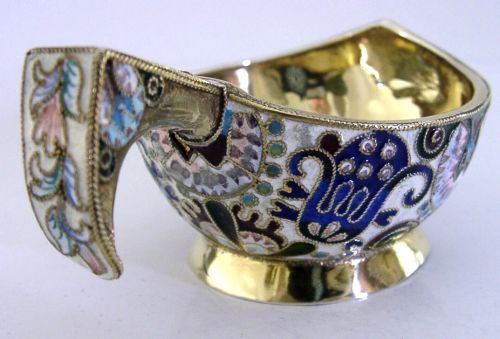
The integration of supplementary materials, such as fitted glass liners in baskets or polychrome enamel work on silver-gilt surfaces, distinguishes finer examples. Heavier gauge silver and flawless coloured glass canes indicate higher atelier standards.
Walker & Hall·Salviati Venice·Baccarat
The Antique Filigree Bowl Glossary
- Filigree
- Ornamental work of fine wire, usually gold or silver, formed into delicate tracery. It creates openwork designs resembling lace.
- Latticinio
- Venetian glassmaking technique featuring fine opaque white or coloured glass threads twisted inside clear glass. It produces a delicate net-like pattern.
- Silver-gilt
- Silver that has been plated with a thin layer of gold on the surface. This gives the object a warm golden sheen while retaining a silver core.
- Kovsh
- Traditional Russian boat-shaped vessel with a single flat handle. Historically used for drinking mead or serving beverages.
- Pot Pourri
- A mixture of dried petals and spices placed in a pierced vessel to scent a room. The bowls feature perforated lids to diffuse the fragrance.
Antique Filigree Bowl: Frequently Asked Questions
What is an antique filigree bowl used for?
These bowls served decorative and functional roles in historic households, acting as centrepieces, sugar containers, or pot pourri holders. Their openwork designs made them unsuited for holding liquids, so they held dry goods, petals, or stood empty as ornamental objects.
Today, they continue to function as decorative accents on side tables or display cabinets. Their intricate metal or glass work provides visual interest without requiring active utility.
How do I clean silver filigree?
Silver wirework requires gentle handling due to the fragile nature of soldered openwork threads. Avoid harsh scrubbing or abrasive dips that can weaken structural joints or strip delicate gilt surfaces.
Use a soft-bristled brush with mild soapy water to lift dust from the crevices. Pat dry thoroughly with a lint-free cloth to maintain the shine.
What is latticinio glass?
Latticinio is a glassblowing technique where opaque white or coloured canes are twisted inside clear molten glass. This creates delicate web-like patterns throughout the vessel wall.
Originating in Venice, the method spread to French factories like Baccarat. It produces a translucent effect that catches light differently from solid-coloured glass.
How do I date an antique bowl?
Dating relies on hallmarks stamped into silver pieces, which indicate the assay office, standard of metal, and year of production. Stylistic markers, such as Victorian scrollwork or Edwardian proportions, also offer clues.
For glass objects, pontil marks on the base and manufacturing techniques help narrow down the period. Comparing known factory patterns provides further chronological context.