



1950s Sterling Silver
These 1950s sterling silver pieces range from functional desk items to mid-century modern jewellery, offering tactile metalwork for daily use.
1950s Sterling Silver
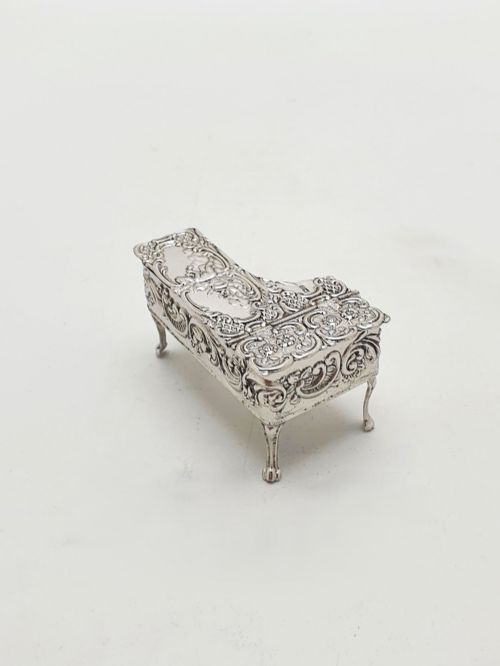
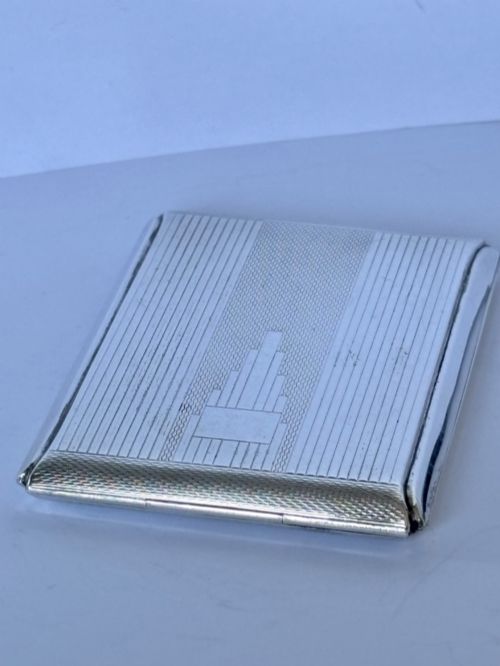
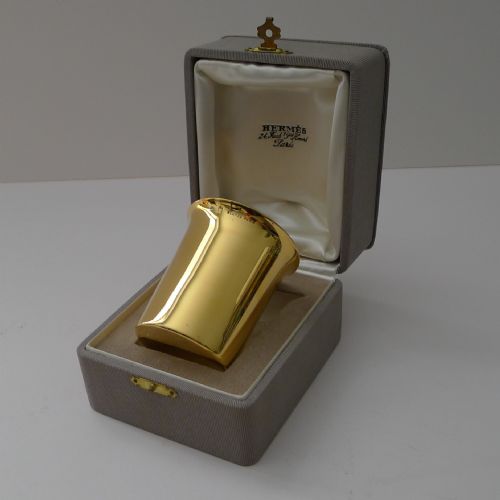
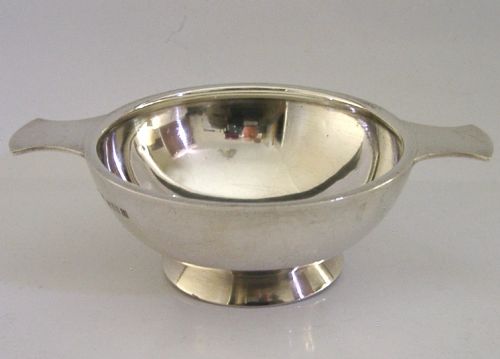
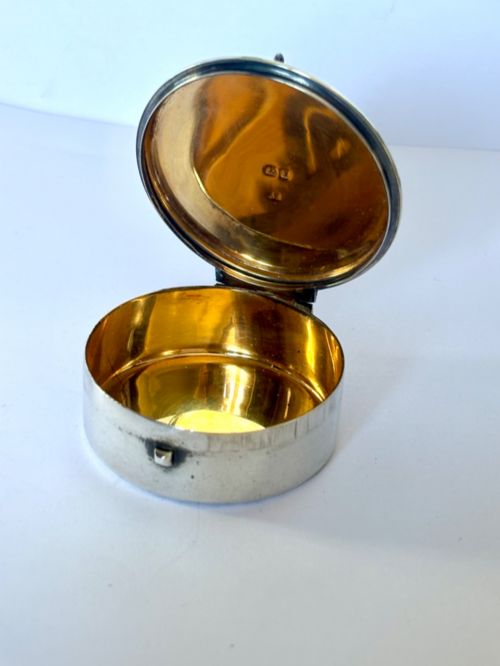
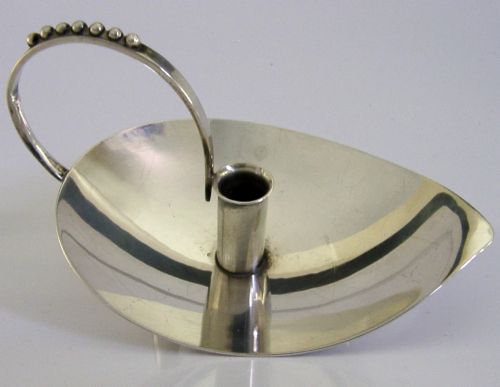
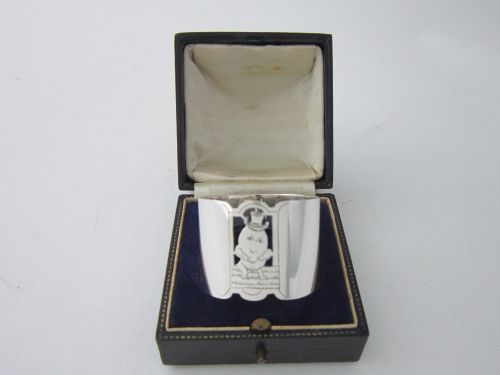
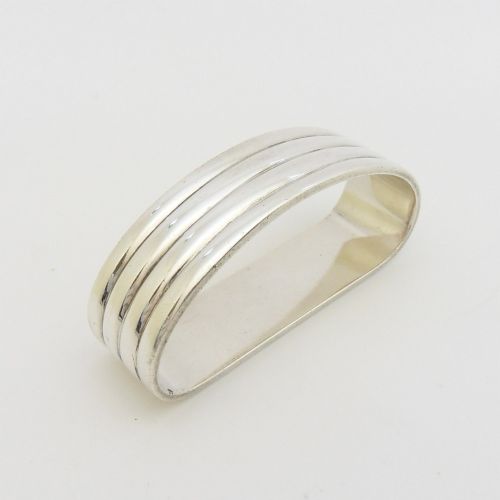
When searching for 1950s sterling silver, a buyer encounters a diverse range of objects spanning practical tableware, ecclesiastical items, and personal ornaments. The selection includes napkin rings, candle holders, decorative figurines, and religious artefacts such as pyx boxes.
The objects reflect the specific aesthetic priorities of the mid-century period, merging utility with decorative form. Whether through an animal figurine or a cigar cutter, each piece demonstrates the versatility of silver fabrication during this decade.
How they were made
Craftsmen utilised solid sterling silver and silver gilt, often combining the metal with glass, malachite, agate, amethyst, and diamonds. Enamel work frequently appears, adding coloured highlights to brooches, earrings, and decanter labels.
Techniques range from hand-hammered arts and crafts methods to clean mid-century modern shaping and detailed casting used in animal figures and ecclesiastical pyx boxes. Hallmarks stamped into the metal record assay offices in cities like London, Birmingham, and Sheffield, alongside international maker marks.
1950s Sterling Silver Retail Price Guide 2026
Typical asking prices for 1950s sterling silver among the pieces listed under this phrase on Sellingantiques today, from the lower quarter to the upper quarter. They describe what is for sale here now, not the wider market.
Listings feature items from 1950, 1951, 1953, 1954, 1957, 1958, and 1959, executed in sterling silver, silver gilt, enamel, and malachite.
What varies in quality
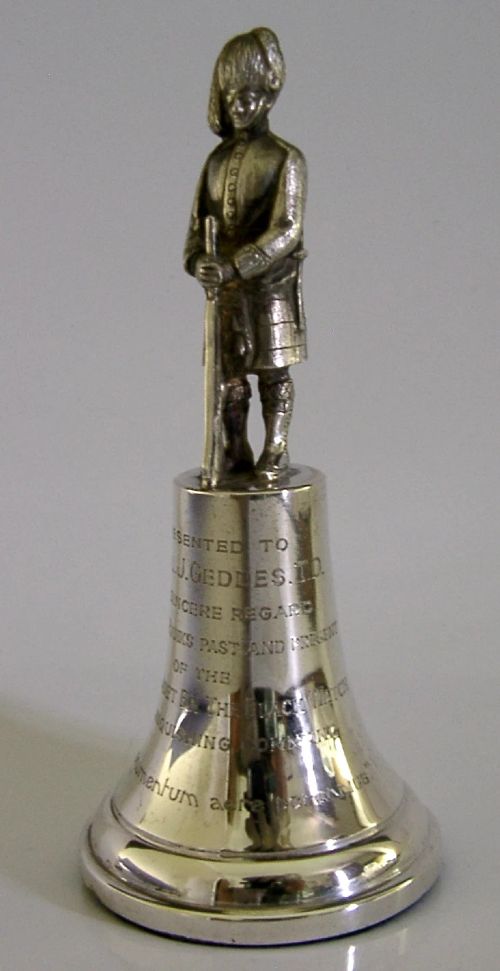
The calibre of a piece rests upon the weight of the metal and the precision of the maker's hand, distinguishing standard commercial production from workshop artistry. Heavier items, such as solid silver walrus figures or desk bells, demonstrate substantial material use compared to lighter stamped wares.
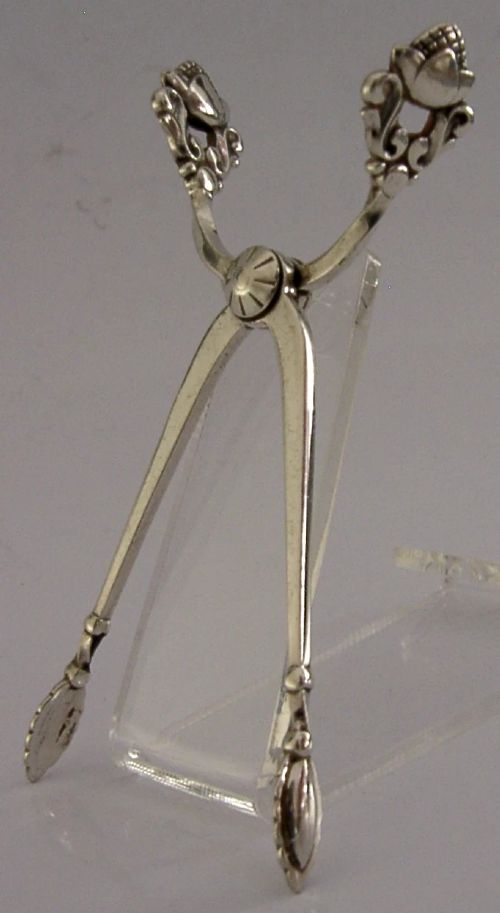
Detailing determines distinction across the range, visible in the clean lines of Danish modern sugar tongs or the intricate application of enamel on leaves and floral cluster earrings. Maker attribution, through clear hallmarks or signatures from recognised designers, elevates the standing of individual objects.
GEOFFREY BELLAM·F. OSBOURNE & CO·BURNS OATS & WASHBOURNE·GEORG JENSEN·ADIE BROTHERS·HANS MYHRE·LINTON·HANS HANSEN
The 1950s Sterling Silver Glossary
- Sterling silver
- An alloy containing 92.5 percent silver by mass, with the remainder consisting of other metals like copper to add strength.
- Silver gilt
- Sterling silver that has been coated with a thin layer of gold on its surface, often utilised for ecclesiastical or decorative items.
- Pyx box
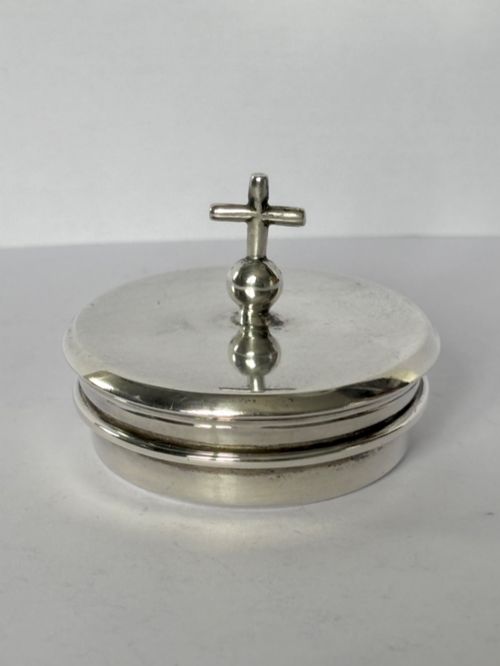
- A small round container traditionally used to carry the communion host, frequently fashioned from sterling silver gilt during this era.
- Chamberstick
- A short candlestick fitted with a pan to catch dripping wax and a handle for carrying from room to room.
- Hallmark
- An official stamp applied to precious metal items to guarantee the purity of the metal and indicate the maker and year.
1950s Sterling Silver: Frequently Asked Questions
How do I clean 1950s sterling silver?
Apply a specialised silver polish using a soft cloth, working in gentle, linear motions rather than circles. Rinse the item thoroughly in lukewarm water and dry immediately with a clean microfiber towel to preserve the finish.
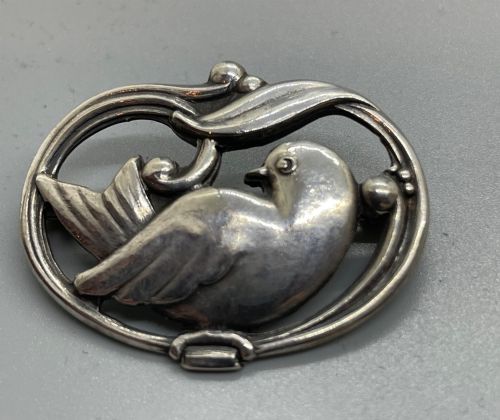
Avoid abrasive brushes or harsh chemical dips that strip away patination or damage delicate enamel, malachite, or diamond settings found on brooches and earrings.
Can I use these silver items daily?
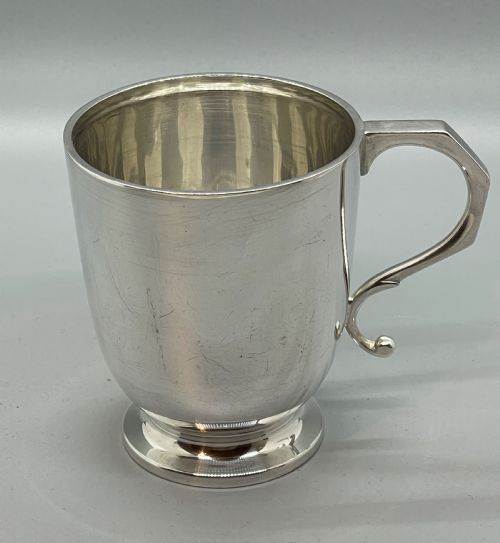
Many items, such as napkin rings, butter dishes, and mugs, were designed for functional household use. Sterling silver is durable enough for regular handling during meals or gatherings.
Delicate pieces featuring glass, enamel, or gemstones require more care and are better suited for occasional display or careful personal wear rather than heavy routine use.
How do I identify the date of a piece?
Look for British hallmarks stamped directly onto the metal, which include symbols indicating the specific assay office, such as an anchor for Birmingham or a leopard head for London. A designated letter stamp often corresponds to the exact year of manufacture.
Items originating from Scandinavia or other international workshops frequently rely on maker signatures or stamped standards like 925 to indicate the silver content and period style.