



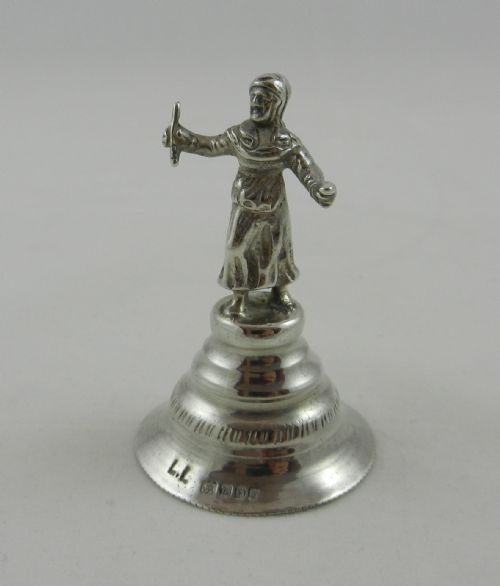


Vintage Silver Bell
A vintage silver bell carries the sharp chime of another century, bringing practical desk accessories and decorative novelties straight into modern rooms.
Vintage Silver Bell
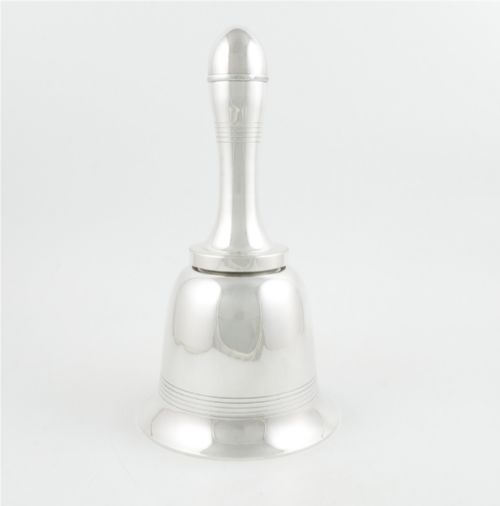
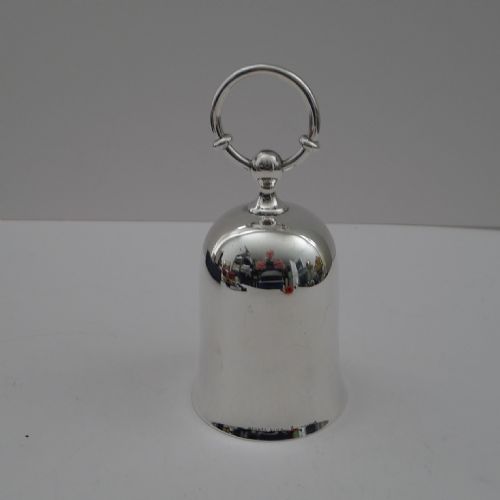
A vintage silver bell encompasses a diverse range of objects designed for functional service or novelty appeal, appearing frequently as table bells, reception counter desk bells, and integrated inkwells. These pieces emerge across several periods, including the Victorian era, the Edwardian period, and the twentieth century up to the 1960s.
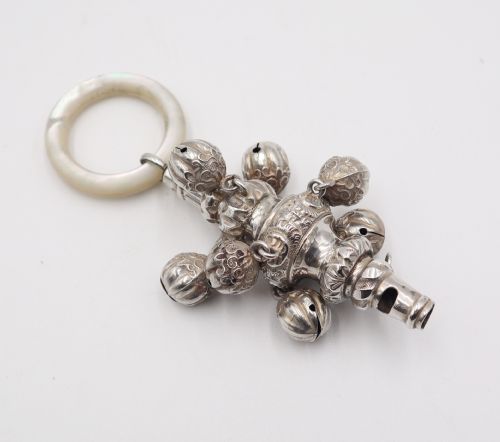
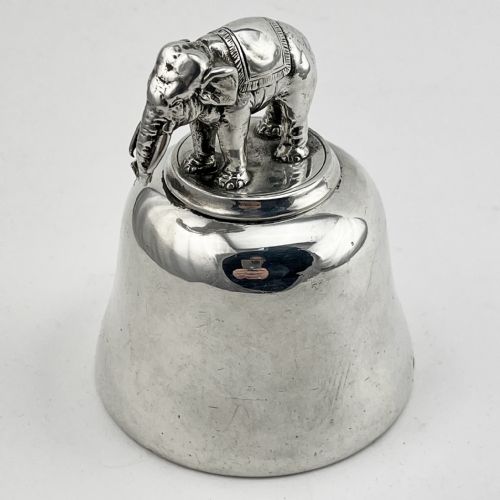
The forms vary widely from simple hand-held designs to mechanical desk models and elaborate novelty shapes like horses, dogs, and pigs. Materials shift between solid sterling silver, silver plate, white metal, and brass, often paired with glass, mother-of-pearl, or coral elements.
Buyers will encounter both plain domestic table accessories and highly decorative novelty items created for desk use or display. The assortment spans multiple centuries, offering insight into changing domestic habits and decorative tastes.
Materials and construction methods
Construction relies heavily on traditional metalworking techniques, utilising sterling silver, silver plate, brass, and white metal to form the bell bodies and associated stands. Artisans shaped these metals through casting, hammering, and plating, often mounting them on ornate bases or combining them with glass and mother-of-pearl.
Vintage Silver Bell Retail Price Guide 2026
Typical asking prices for vintage silver bell among the pieces listed under this phrase on Sellingantiques today, from the lower quarter to the upper quarter. They describe what is for sale here now, not the wider market.
A polished mechanical pig from 1890 stands ready to chime upon command.
Assessing quality and execution
Quality rests on the weight of the metal, the clarity of the ring, and the crispness of any cast or chased detail across the body and base. Heavier pieces, such as substantial sterling silver table bells, demonstrate superior substance compared to lighter plated alternatives.
The sophistication of the mechanical action in novelty items, such as animal bells or desk mechanisms, distinguishes standard production from finer workmanship. Original patination, maker marks, and the integrity of paired materials like glass or mother-of-pearl further elevate a piece.
Hermes Paris·Asprey Co·Jaeger Le Atmos·Joseph Lum Of London·Le Coultre·David Andersen·Ivar T Holth
The Vintage Silver Bell Glossary
- Sterling silver
- A silver alloy containing 92.5 percent pure silver by mass, widely used in British silver manufacturing and marked with specific assay hallmarks.
- Silver plate
- A layer of silver applied to a base metal core, offering the appearance of solid silver at a different scale of production.
- Novelty silver
- Silver items shaped into amusing, unusual, or pictorial forms, such as animals or everyday objects, popular as desk accessories.
- Table bell
- A bell designed to sit on a surface and be struck or pressed by hand, frequently used in dining rooms or reception areas before electronic call systems.
- Inkwell
- A small container for ink, often incorporated into desk stands alongside bells and pen trays.
Vintage Silver Bell: Frequently Asked Questions
How were table bells used?
Table bells served as a primary method for summoning domestic staff in larger households or calling attention in offices and reception areas.
They sat on desks, dining tables, or counters, requiring a press or a tap to produce a sharp chime.
How do I care for silver bells?
Silver and silver-plated items require gentle cleaning with a soft cloth to preserve the metal surface and remove tarnish without scratching.
Avoiding harsh chemical dips protects any integrated materials like mother-of-pearl, glass, or enamel.
How can I tell the period?
Dating relies on identifying assay marks, hallmarks, stylistic cues like Art Nouveau curves, or structural materials mentioned in the description.
Different eras favoured distinct decorative motifs, ranging from ornate Victorian chasing to mid-century modern restraint.