
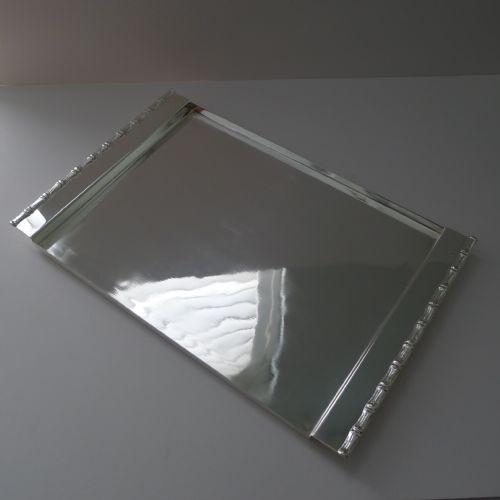
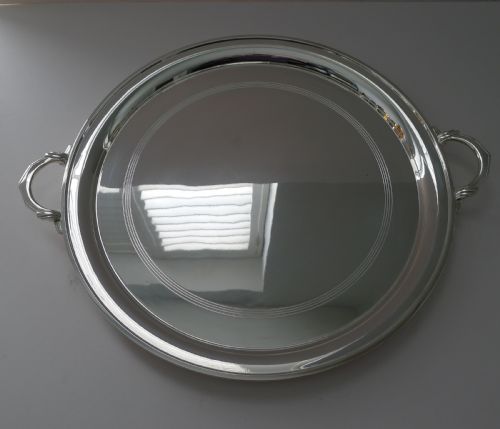
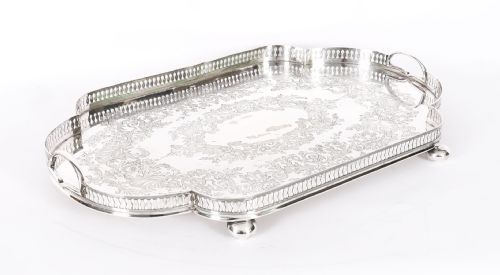
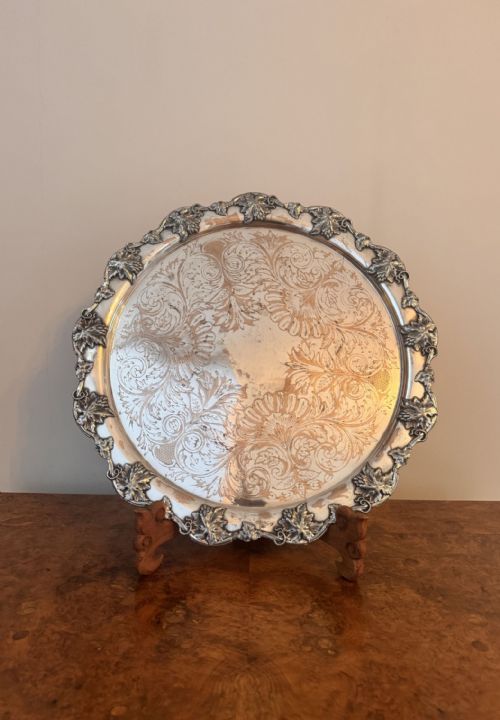

Vintage Silver Plated Platter
A vintage silver plated platter brings domestic metalwork from past dining rooms straight to the modern table, offering reliable utility and bright display.
Vintage Silver Plated Platter
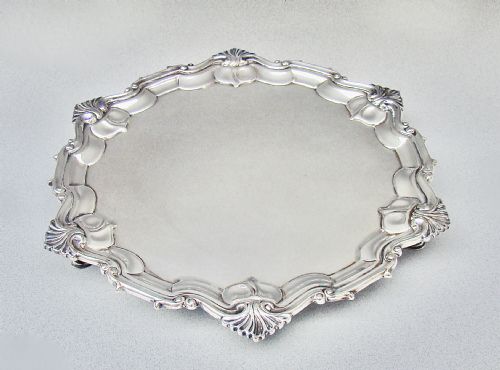
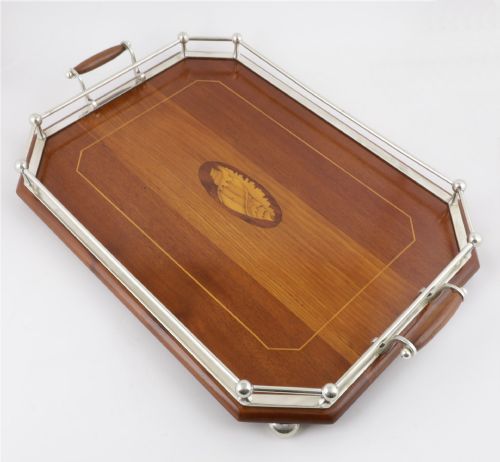
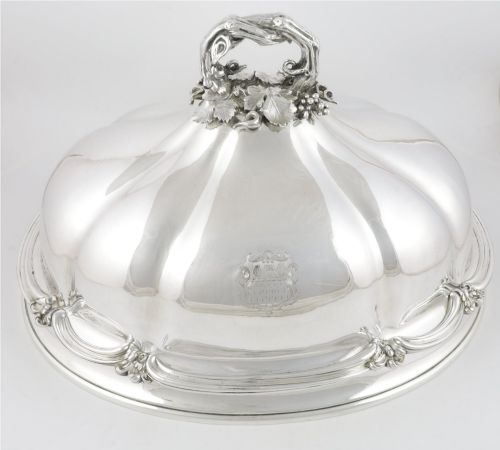
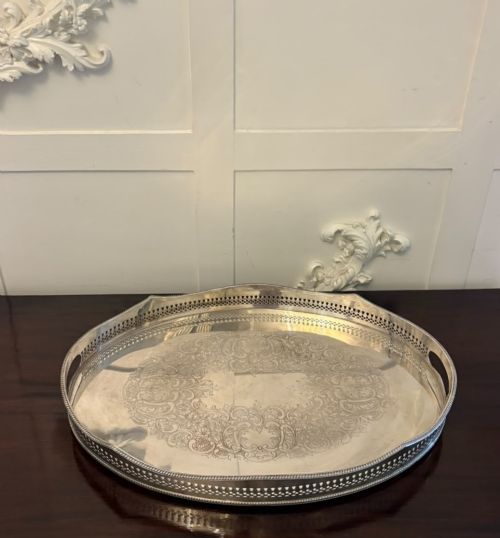
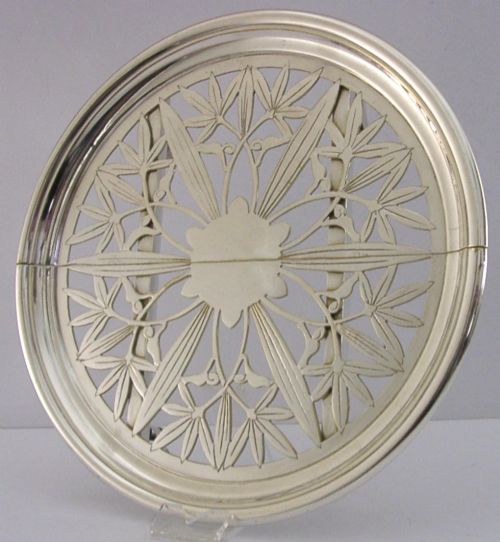
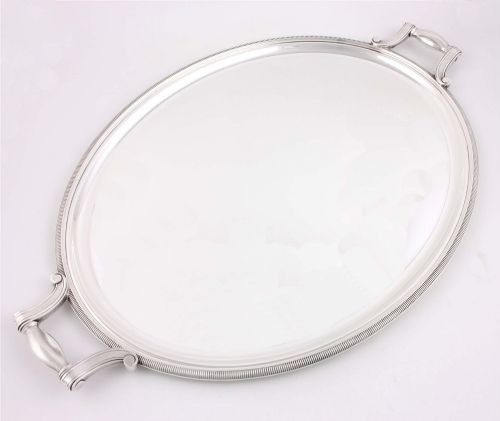
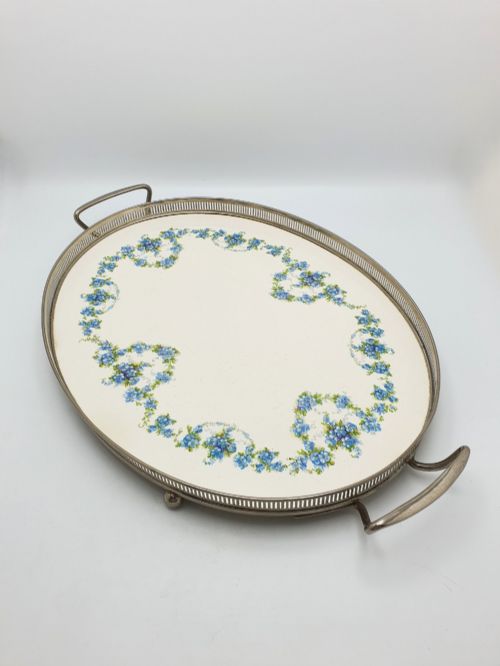
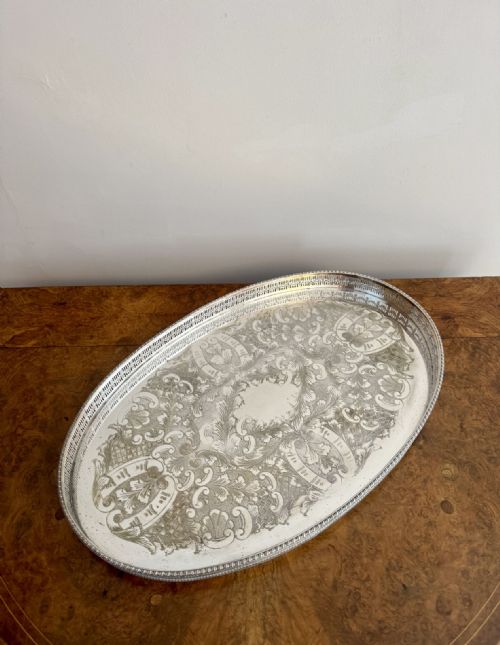
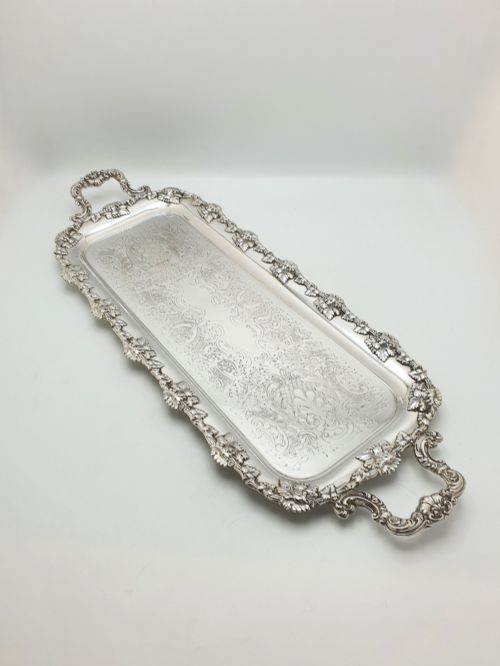
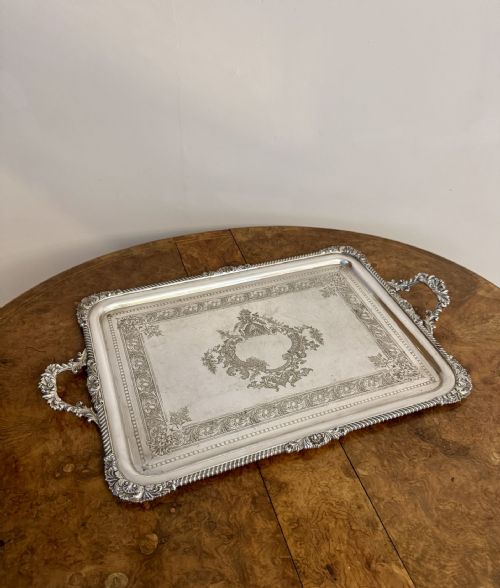
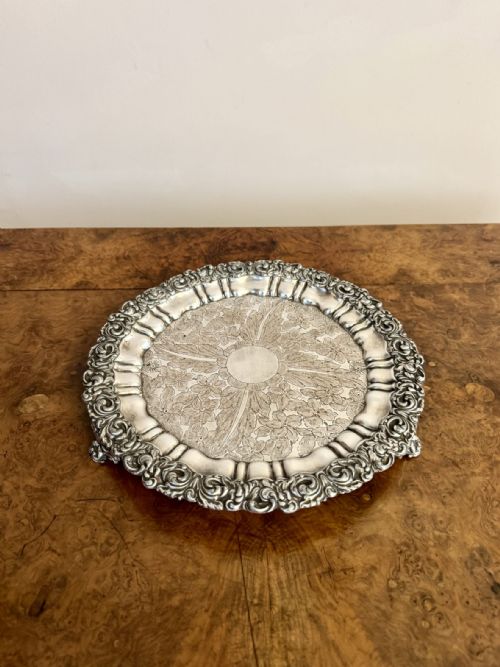
A vintage silver plated platter encompasses a broad category of serving vessels, ranging from cocktail trays and gallery trays to entree dishes, meat domes, and charger plates. Buyers navigating this selection will frequently encounter Edwardian and Victorian examples alongside later Art Deco and mid-century designs.
The objects originate from various periods spanning the nineteenth and twentieth centuries, produced in forms meant for grand dining or formal entertaining. Serving trays and salvers dominate the selection, often featuring handles, pierced galleries, or embossed scroll borders.
Makers and workshops from Britain, France, and Italy contributed to the variety of shapes, which include circular, oval, octagonal, and diamond silhouettes. These pieces served practical functions in domestic service and now provide decorative accents for modern interiors.
Materials and Techniques
Makers utilised base metals such as copper, nickel silver, and electroplated nickel silver as foundations for applying thin layers of silver. Old Sheffield plate methods involved fusing a sheet of silver to a copper ingot before rolling them together into plates.
Electroplating processes gained widespread use in the nineteenth century, allowing manufacturers to deposit silver evenly across metal objects via an electrical current. Artisans then applied decorative finishes through hand engraving, piercing, embossing, repoussé work, and applied borders.
Some dining domes feature tiny removable vents to let escaping steam signal that the roast chicken is ready for the table.
Assessing Quality
The distinction between standard utility items and superior pieces rests on the weight of the underlying metal, the crispness of chased or embossed details, and the integrity of applied borders. Heavier construction prevents warping and indicates a higher grade of base metal beneath the plating.
Maker attribution also influences standing, with established firms like Mappin & Webb or Christofle delivering superior execution in handles, hinges, and gallery assembly. The preservation of the silver layer across high-wear areas demonstrates the original thickness of the plating.
Keith Murray For Mappin & Webb·James Deakin·William Hutton & Sons·Christofle·Roberts Cadman·Henry Wilkinson·Padley Parkin·Mappin & Webb
The Vintage Silver Plated Platter Glossary
- Electroplated Nickel Silver
- A base alloy of copper, nickel, and zinc coated with a layer of pure silver through an electrolytic process. This technique became the standard method for producing affordable silver-plated wares from the mid-nineteenth century onward.
- Old Sheffield Plate
- An early composite material created by fusing a thin sheet of silver to a thick copper base before rolling them into sheets. Items made this way often reveal faint hints of copper showing through along high friction edges.
- Gallery Tray
- A serving tray featuring an upright pierced or solid metal gallery border around the perimeter. These walls prevented decanters and glassware from sliding off during transport.
- Salver
- A flat serving tray typically supported on small feet rather than resting directly on a surface. They were traditionally used for presenting letters, cards, or drinks.
- Repoussé
- A metalworking technique where the artisan hammers the design from the reverse side to form raised reliefs on the front. This method creates tactile floral and scroll patterns on tray borders.
Vintage Silver Plated Platter: Frequently Asked Questions
How do I clean a silver plated platter?
Wash the piece gently in warm water using a mild, non-abrasive liquid soap and a soft cloth. Dry it immediately with a lint-free towel to prevent water spots.
Avoid harsh dips and aggressive scouring pads that strip away the remaining silver layer. Occasional use of a specialised silver polish maintains the shine without damaging the metal underneath.
Can I use these platters for serving food?
Most vintage pieces function well for serving dry foods, cheeses, cakes, and pre-plated canapes. Ensure the silver surface is clean before placing direct food items upon it.
Acidic foods like citrus fruits or vinegars should not sit on silver plating for extended periods, as they can tarnish or react with the metal.
What is the difference between Old Sheffield plate and electroplate?
Old Sheffield plate relies on a physical fusion method where a sheet of silver is mechanically bonded to copper. This older process produces a warmer tone and often reveals thin copper edges through wear.
Electroplate uses electrical current to bond silver particles to a nickel silver or copper base. This later method creates a uniform, bright finish without exposed copper lines.
How do I date a vintage platter?
Examine the style of the piece, such as the geometric lines of Art Deco or the floral scrolls of Victorian design. Maker marks stamped on the reverse also provide clues through registered design numbers or corporate evolution.
Materials offer another indicator, as Old Sheffield plate generally points to the eighteenth or early nineteenth centuries, while EPNS marks denote production from the Victorian era onward.