

Vintage Silver Plated Cooler
A vintage silver plated cooler brings heft, polish and proper ceremony to a table, keeping wine and champagne cold with enduring style.
Vintage Silver Plated Cooler
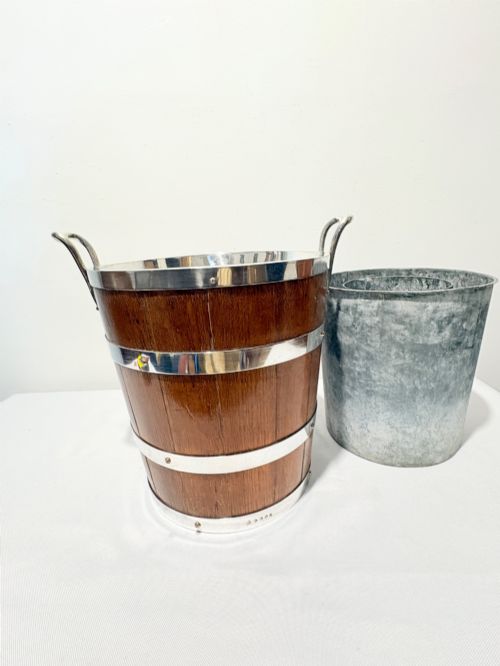
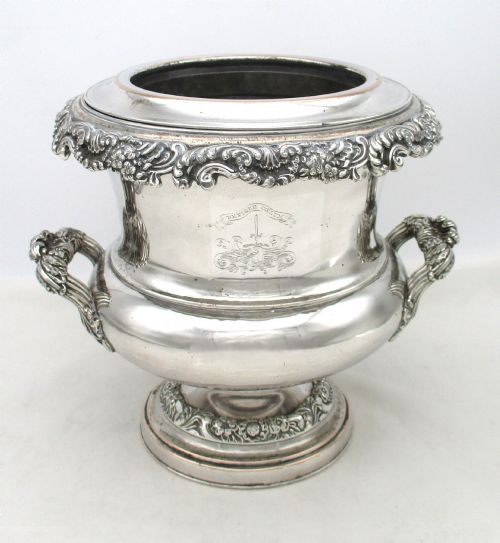
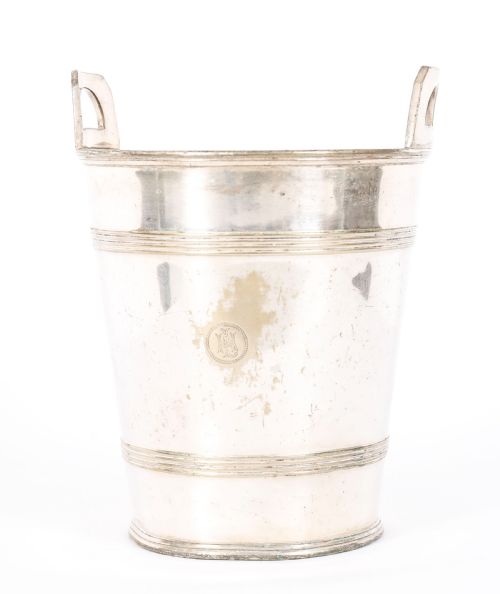
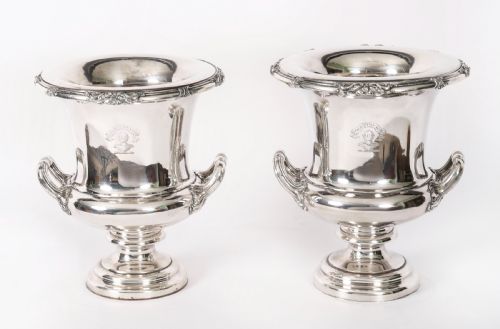
When you search for a vintage silver plated cooler, you encounter pieces designed to chill wine or champagne, alongside ice buckets and barware for domestic service. The items span various historical periods from the late eighteenth century through the mid-twentieth century, showing distinct stylistic shifts.
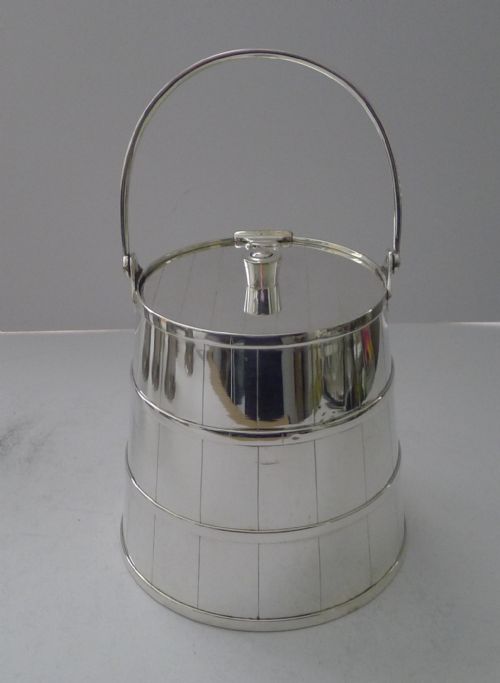
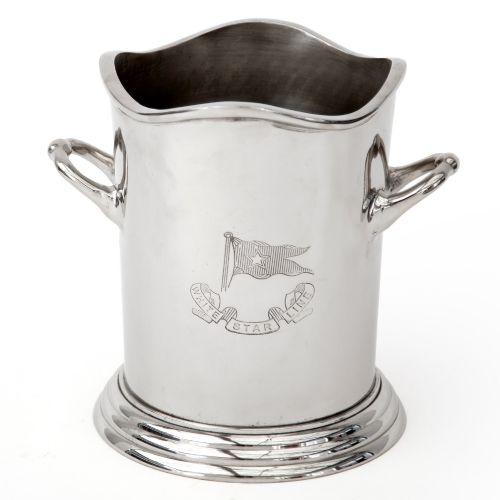
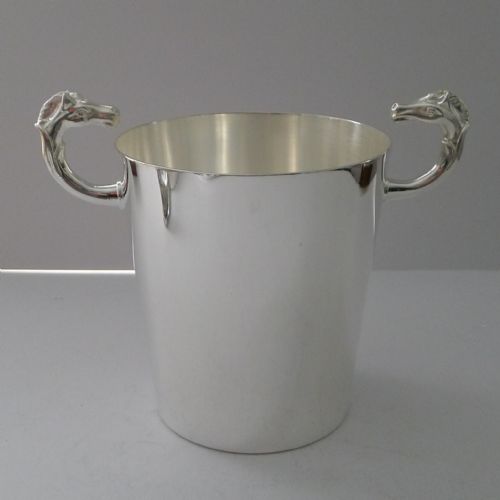
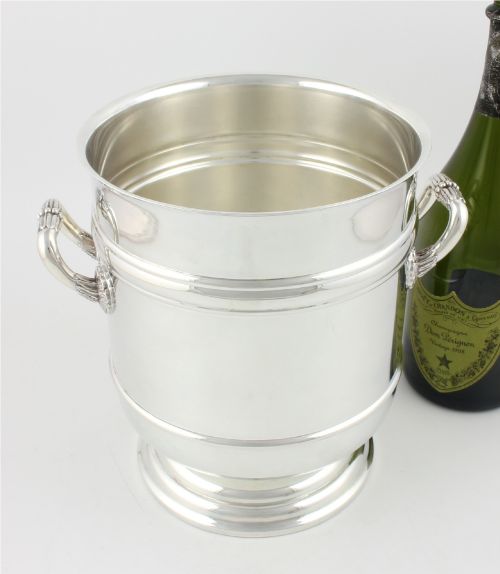
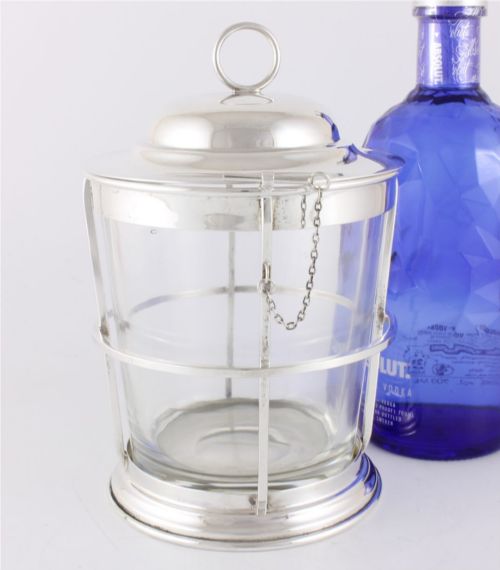
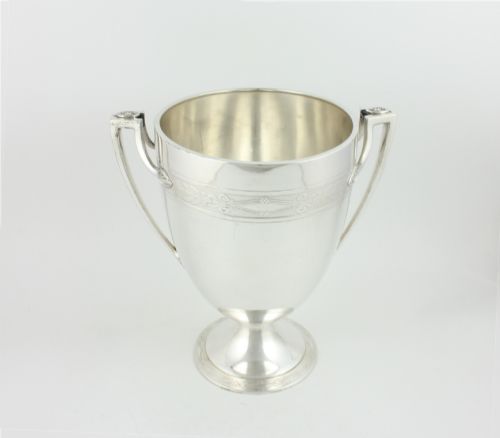
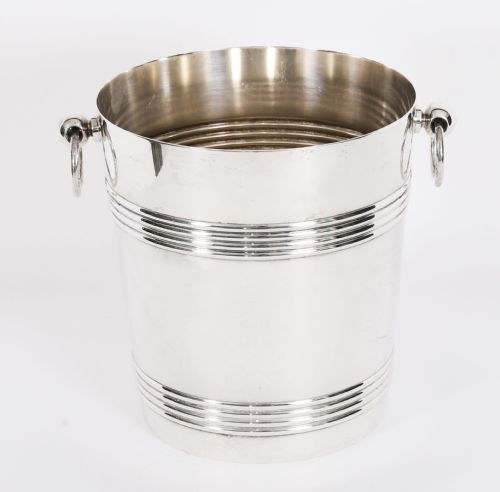
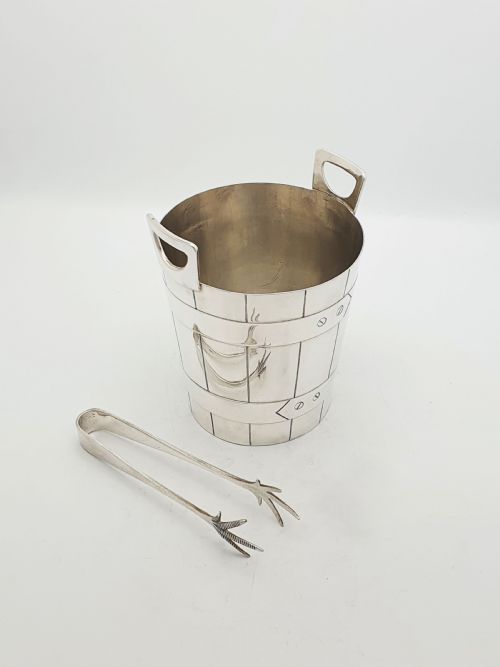
The most common versions met on this page include wine coolers, champagne buckets and ice pails from the Victorian, Edwardian and Art Deco eras. Makers utilised forms ranging from simple cylindrical vessels to twin-handled urns and novelty shapes like barrels or ship lanterns.
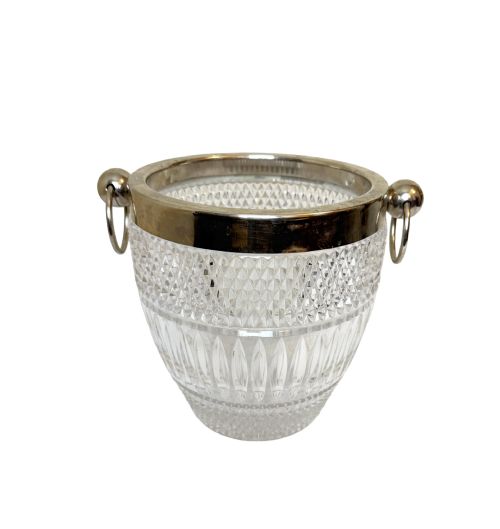
Origins vary across English, French and Italian workshops, reflecting regional preferences in metalwork and decoration. Pieces often incorporate liner elements, including cut glass inserts or removable metal collars designed to hold ice or water.
Materials and construction methods
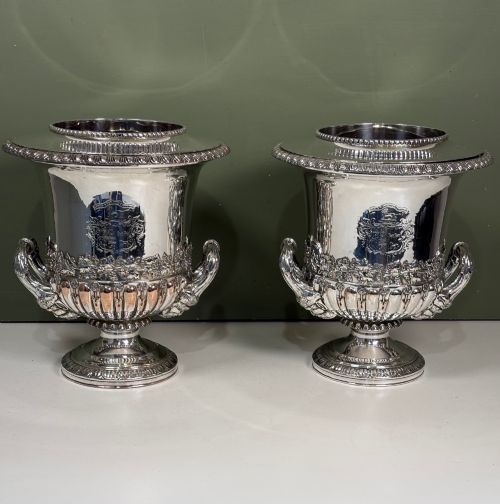
Makers formed these vessels predominantly from base metals such as copper and mixed metal alloys, coated with a layer of silver via early plating techniques like Old Sheffield Plate or later electroplating methods. Old Sheffield Plate fused a thin sheet of silver to a thicker copper core, often revealing copper edges where wear occurred.
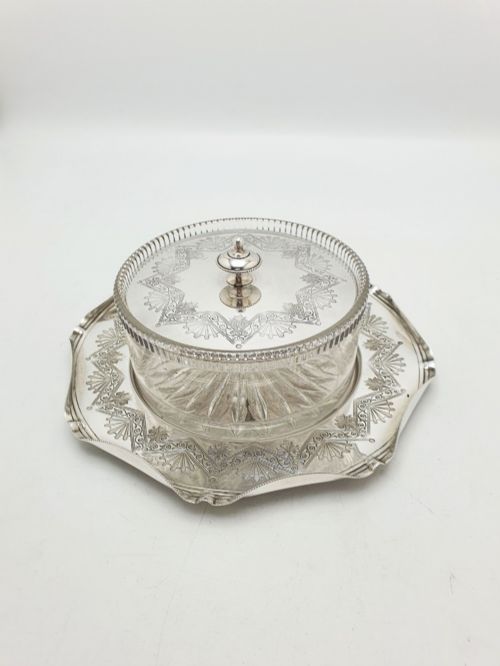
Decoration relied on applied casting, hand-embossing and chased details, producing surface ornament from floral tendrils and cherubs to armorial crests and geometric Art Deco planes. Handles, rims and bases were frequently cast separately and soldered or riveted to the main body.
Listings span periods from the eighteenth century to the mid-twentieth century, incorporating materials like cut glass, copper, and silver plate.
Distinctions in craftsmanship and design
The distinction between standard commercial barware and high-tier examples rests in the thickness of the plating, the weight of the underlying metal and the crispness of cast ornament. Master silversmiths and notable makers applied heavier silver coats and finished mounts by hand, ensuring smooth seams and balanced proportions.
Provenance and maker attribution elevate certain items significantly, particularly those associated with distinguished French and English houses or historic shipping lines. The presence of original fitted components, such as cut glass liners or matching tongs, contributes to a more complete and coherent object.
Hutton Sheffield·Hermes Paris·Christofle·PH Vogel·WMF·Mappin and Webb·IMA·Barker Ellis·Dawson·Elkington·Ercuis Paris·Luc Lanel
The Vintage Silver Plated Cooler Glossary
- Old Sheffield Plate
- A method of fusing silver to a copper base before fabrication, common in items from the eighteenth and early nineteenth centuries. The technique creates subtle highlights where the underlying copper shows through.
- Electroplating
- A process introduced in the nineteenth century using an electrical current to deposit a layer of silver onto a base metal object. This innovation allowed for more complex forms and broader commercial production.
- Monteith
- A type of bowl featuring a scalloped or notched rim historically used for chilling wine glasses. Surviving examples often double as generous coolers or punch bowls.
- Pail
- A cylindrical vessel fitted with a swing handle, frequently utilised for holding ice or champagne. These items often include a decorative rim or embossed body.
- Serveware
- A broad category encompassing vessels used for presenting food or beverages at the table. In this context, it includes coolers, bowls and ice buckets intended for hospitality.
Vintage Silver Plated Cooler: Frequently Asked Questions
How do I clean a silver plated cooler?
Wash the vessel gently in warm, soapy water using a soft cloth to remove surface dust and residue, avoiding harsh scrubbing brushes that might scratch the metal. Dry thoroughly with a lint-free cloth and apply a dedicated silver polish only when necessary to maintain the shine.
Store the item in a dry environment away from direct sunlight and damp conditions to prevent tarnishing. Handle the piece with clean hands to minimise oil transfer onto the plated surface.
Can I use these coolers for ice daily?
Many of these vessels were constructed specifically to hold ice or chilled water alongside wine bottles, making them durable enough for regular modern entertaining. Ensure you empty melted water promptly after use and dry the interior completely to protect the plating.
If the piece contains an original cut glass or removable metal liner, use that insert to hold the ice directly. This practice keeps moisture away from the interior silver plating of the outer bucket.
What is the difference between Old Sheffield Plate and later silver plate?
Old Sheffield Plate involves physically fusing a sheet of silver to a copper ingot through heat and pressure before rolling it into sheets to build an object. This technique yields a distinct warm tone where the copper base occasionally telegraphs through edges and high points.
Later silver plating utilises an electrochemical bath to bond pure silver onto a base metal like brass, nickel silver or copper. This twentieth-century method provides a uniform, bright surface coating across more intricate cast forms.
How can I tell the period of a cooler?
Examine the stylistic cues, such as neoclassical urn shapes from the Georgian period, floral tendrils from Art Nouveau, or clean geometric lines typical of Art Deco designs. Maker marks, stamped ciphers and registration numbers stamped on the base also offer clues to the manufacturing decade.
Construction details provide further evidence, as hand-soldered joints and fused copper edges point to earlier nineteenth-century work. Standardised machine stamps and uniform electroplate generally indicate mid-twentieth-century production.