
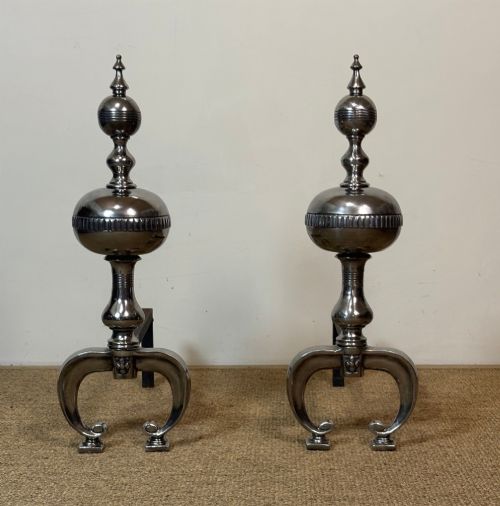
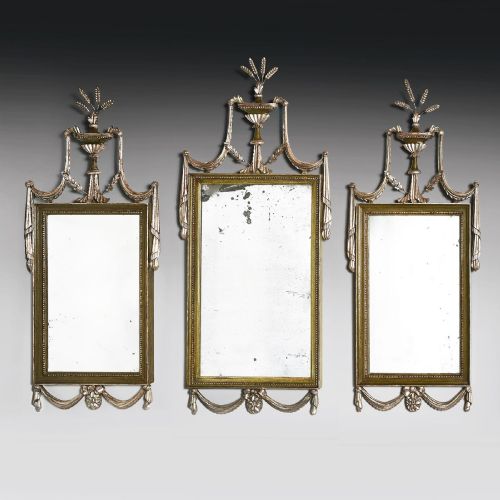


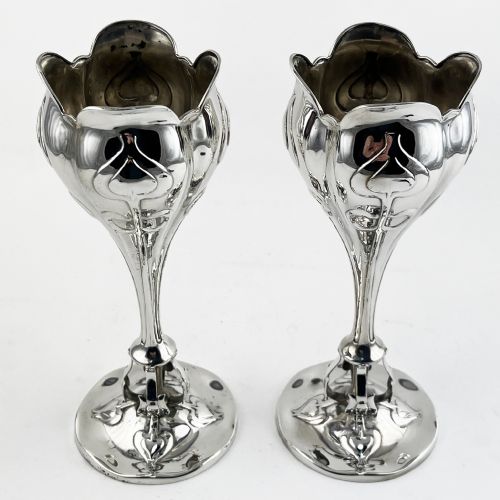


Antique Style Silver Urn
These antique style silver urn pieces bring neoclassical form and gleaming metalwork straight to the interior, offering a distinct focal point for any room.
Antique Style Silver Urn
When you search for antique style silver urn objects, you encounter a variety of decorative and functional forms that draw heavily on neoclassical design principles. These pieces range from tea urns and ice buckets to caddies and vases, capturing the classical silhouettes favoured across the nineteenth and twentieth centuries.
The versions most commonly met on this page span several periods, including Georgian examples, Edwardian interpretations, and later twentieth century revivals. They typically exhibit classical urn shapes, sometimes incorporating detailed handles, lids, and pedestal bases rooted in historical styles.
Materials and construction
The construction of these items relies on solid sterling silver, silver plate, and silvered bronze, chosen for their reflective qualities and ability to take fine detail. Workshops utilised traditional smithing and casting methods to shape the metal bodies, often adding applied cast elements such as handles and feet.
Secondary materials sometimes appear in supporting roles, integrating wood or steel where structural stability is required for stands and hardware. Surface finishes range from polished sterling to silver plating over base metals, reflecting the manufacturing standards of their respective periods.
Listings feature sterling silver and silver plate alongside alternative materials like steel and wood.
Distinguishing quality in silver urns
Quality in these pieces is primarily expressed through the crispness of the casting and the proportion of the classical form. Finer examples display cleanly rendered neoclassical details like swags, handles, and gadrooning, whereas simpler items rely on plain surfaces with minimal ornamentation.
The weight of the metal and the integrity of the construction also define the upper tier of the range. Solid sterling silver pieces by notable makers stand apart from silver-plated alternatives through their durability and the depth of their hallmarks.
Goldsmiths and Silversmiths Co·Comyns·Edmond Tetard
The Antique Style Silver Urn Glossary
- Neoclassical
- A style spanning the eighteenth and nineteenth centuries that draws inspiration from the classical art and architecture of ancient Greece and Rome. It frequently employs urn motifs, symmetry, and restrained ornamentation.
- Sterling silver
- An alloy containing a high proportion of pure silver combined with other metals to increase hardness and durability. It is standard for high-quality British silver items and usually bears official hallmarks.
- Silver plate
- A manufacturing method where a thin layer of silver is bonded to a base metal such as copper or brass. This technique offered an accessible alternative to solid silver during the nineteenth and twentieth centuries.
- Gadrooning
- A decorative carved or embossed border consisting of convex curves or flutes. It often edges the rims and bases of classical urns and vessels.
- Hallmark
- An official stamp applied by an assay office to indicate the purity of precious metal, the maker, and the year of manufacture. It serves as a guarantee of metal standard.
Antique Style Silver Urn: Frequently Asked Questions
What is an antique style silver urn used for?
These vessels originally served practical functions such as containing tea, holding ice, or acting as decorative table centrepieces in formal dining rooms.
Over time, their primary role shifted towards interior decoration, where collectors display them for their sculptural neoclassical silhouettes.
How do I identify a Georgian style silver urn?
Georgian and revival pieces typically exhibit balanced proportions, classical urn shapes, and traditional decorative motifs like beadwork or fluting.
Examining the manufacturing techniques and any applied hallmarks helps distinguish authentic period pieces from later twentieth century interpretations.
Are these urns made of solid silver?
The listings include both solid sterling silver items and silver-plated examples over base metals.
Checking for official hallmarks or testing the material composition clarifies whether a piece is solid precious metal or plated.
How should I clean silver urns?
Maintenance requires gentle cleaning with a specialised silver cloth or mild polish to preserve the finish without wearing down plated surfaces.
Avoiding harsh abrasives ensures the intricate neoclassical details and hallmarks remain intact over years of display.