

Vintage Silver Plate Tray
When you search for a vintage silver plate tray, you find practical serving pieces shaped by Victorian, Edwardian, and Art Deco makers.
Vintage Silver Plate Tray
A vintage silver plate tray encompasses serving platters, salvers, and cocktail trays created across the nineteenth and twentieth centuries. These objects served domestic households for tea service, drinks display, and dining carriage.
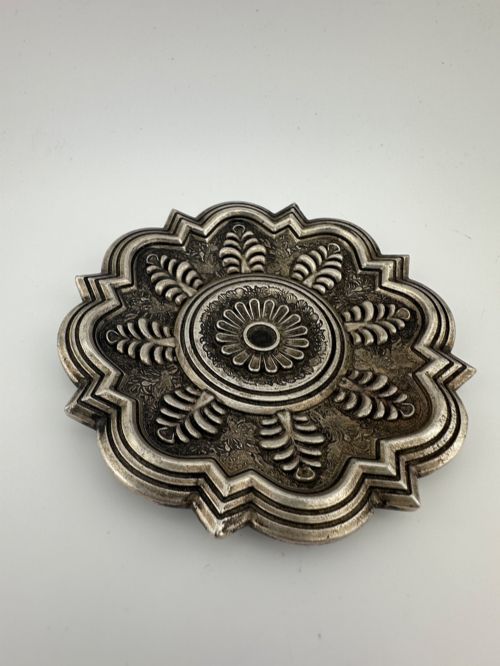
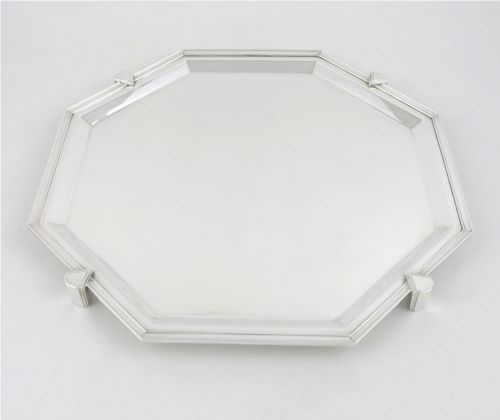
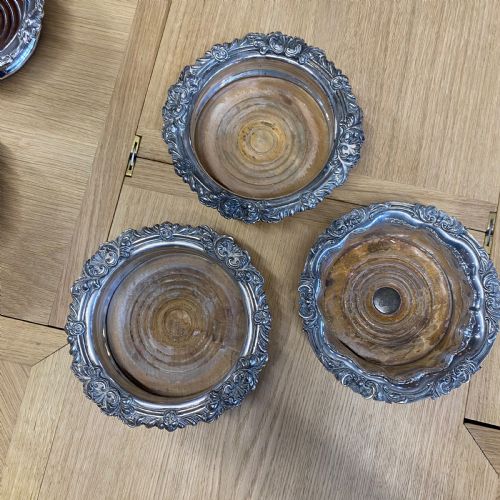
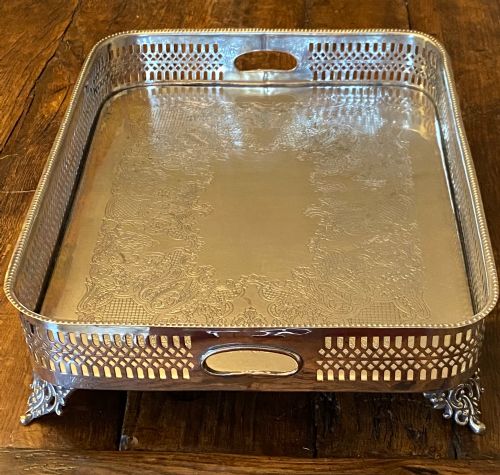
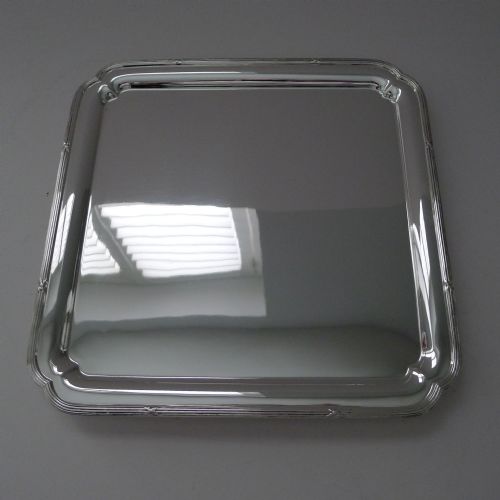
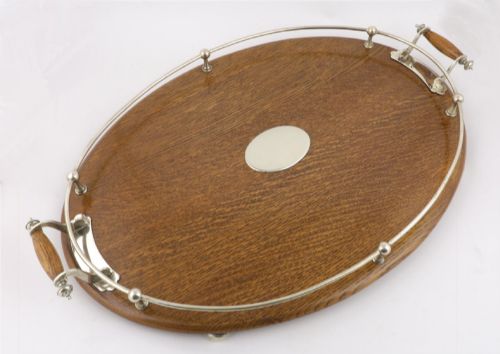
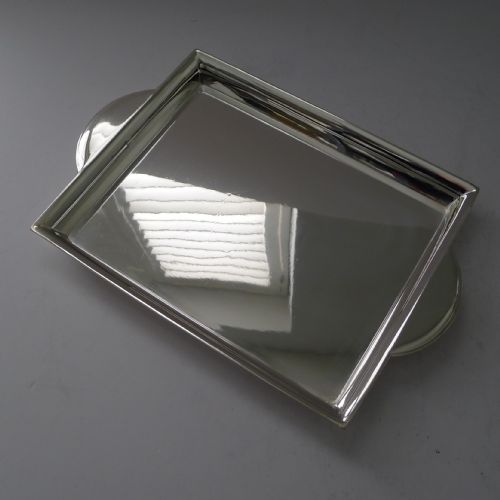
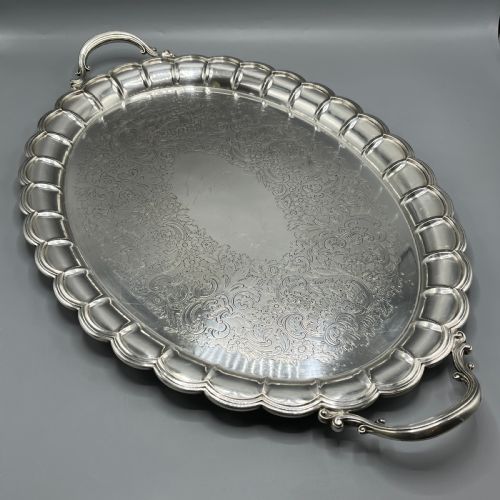
The pieces on this page span styles from heavy Victorian floral engraving and Edwardian pierced galleries to geometric Art Deco lines and Mid-Century Modern minimalism. Serving trays appear alongside related forms like wine coasters, butter dishes, and desk accessories.
Buyers meet examples originating from English workshops, French design houses, and continental manufacturers. Many incorporate timber bases, cut glass inserts, or gallery borders alongside plated metal surfaces.
How They Were Made
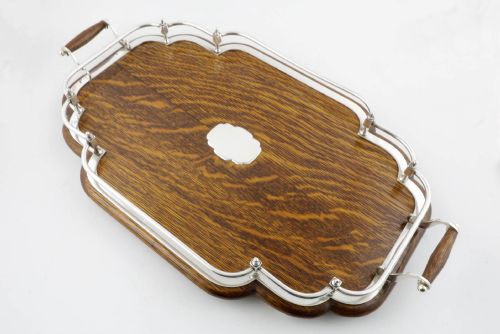
Workshops utilised electroplated nickel silver, base metal, and traditional Old Sheffield plating techniques to bond thin layers of silver over supportive cores. English oak and mahogany frequently formed the timber bases of gallery trays, secured with metal mounts and handles.
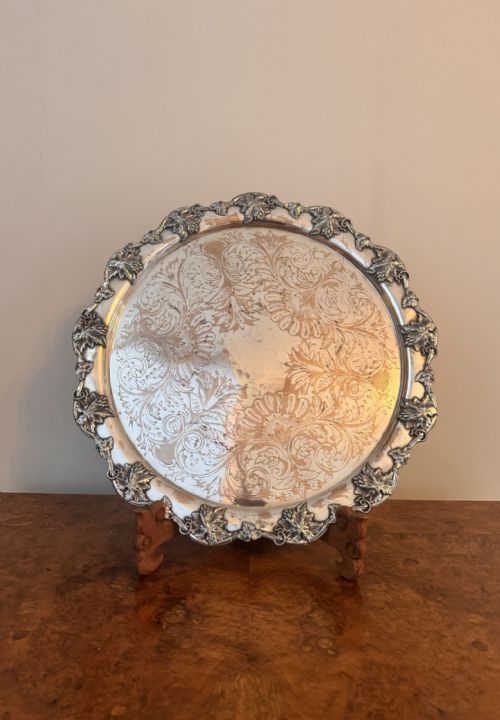
Craftsmen applied surface decoration through hand engraving, pierced metalwork, cast borders, and shell inlay. Glass liners and starburst cut glass panels were combined with metal frames for specific serving functions.
Vintage Silver Plate Tray Retail Price Guide 2026
Typical asking prices for vintage silver plate tray among the pieces listed under this phrase on Sellingantiques today, from the lower quarter to the upper quarter. They describe what is for sale here now, not the wider market.
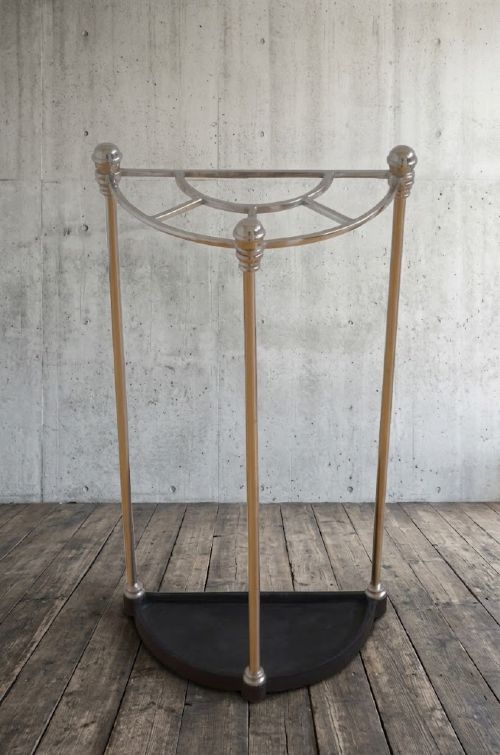
A solitary Art Deco umbrella stand waits quietly amongst the trays, holding five divisions of nickel-plated metal ready for rainy days.
What Varies in Quality
The standard of a vintage silver plate tray depends upon the thickness of the original plating, the crispness of chased or engraved detailing, and the structural integrity of applied handles and galleries. Substantial gauge metal resists bending and provides the weight expected of high-grade tableware.
Maker attribution influences desirability, with recognised firms employing superior casting methods and refined finishing. The integration of secondary materials, such as figured mahogany or heavy cut glass, separates standard utilitarian items from finer salon pieces.
Christofle·Mappin & Webb·James Deakin·William Hutton & Sons·Elkington·WMF·Walker And Hall·Creswick
The Vintage Silver Plate Tray Glossary
- EPNS
- Electroplated Nickel Silver. This designation indicates a base metal of nickel silver coated in a layer of silver through an electrolytic process.
- Gallery tray
- A serving tray fitted with a pierced or solid raised metal rim around its perimeter. This decorative border prevents decanters and glasses from sliding off during service.
- Salver
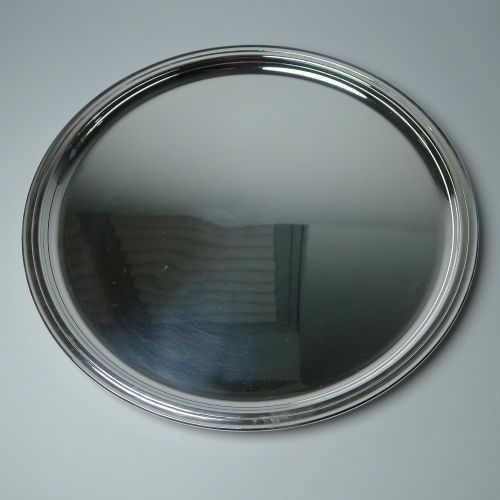
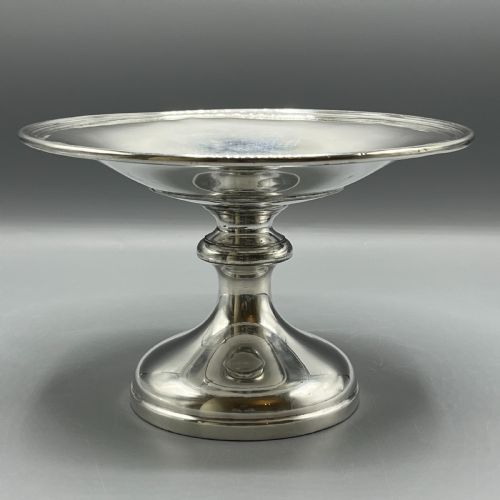
- A flat serving tray, usually circular and supported on small feet. These pieces typically present engraved surfaces and raised borders for presenting drinks.
- Old Sheffield Plate
- An early method of fusing a thin sheet of silver to a thicker copper ingot before rolling them into sheets. This technique predates modern electroplating.
- Vide poche
- A small tray or dish intended for emptying pockets of coins and keys. French for empty pocket, these items function as desk or hall accessories.
Vintage Silver Plate Tray: Frequently Asked Questions
How do I clean a silver plate tray?
Use a soft cloth and a specialised silver polish designed to preserve thin plated surfaces. Avoid abrasive cleaners that wear away the silver layer over the base metal.
Wash the piece gently in warm soapy water and dry it immediately with a lint-free cloth to prevent water spots on the metal or fitted wood.
Can I use these trays for serving drinks?
These serving pieces function well for cocktails, wine bottles, and glassware. Gallery designs keep bottles secure while moving across rooms.
Take care with moisture left on wooden bases or antique glass inserts to protect the original materials from staining.
What is the difference between a tray and a salver?
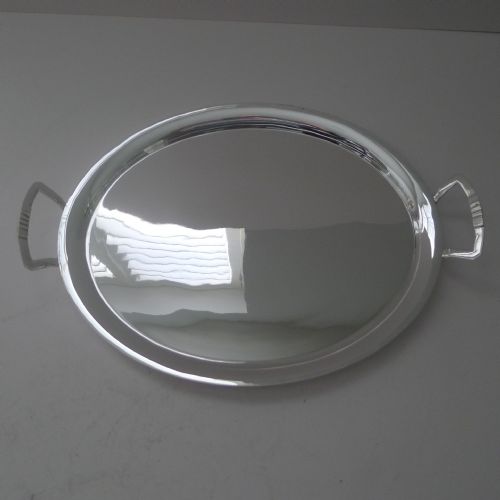
A salver is traditionally a flat, footed serving plate used for drinks or calling cards. Trays often feature handles and flat or gallery edges for carrying heavier loads.
Both forms appear across Victorian and Edwardian domestic settings with various engraved motifs.
How do I identify the period of a tray?
Stylistic clues such as floral Rococo Revival engraving point towards Victorian manufacture, while geometric shapes indicate Art Deco design. Pierced galleries and neoclassical motifs typically suggest the Edwardian era.
Maker marks stamped into the metal provide further clues regarding the manufacturing date and workshop origin.