

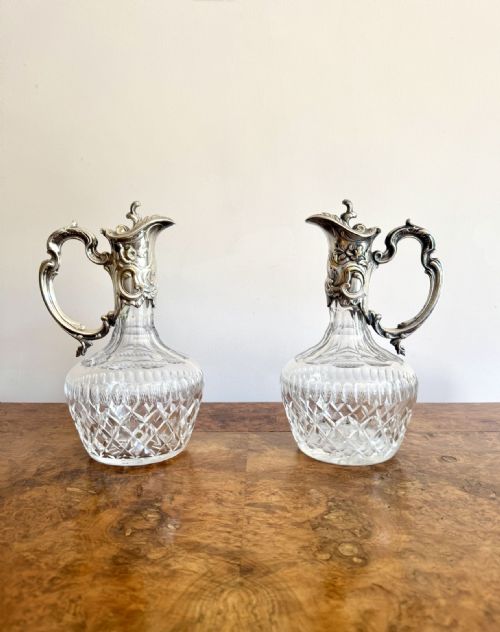


Vintage Silver Mounted Decanter
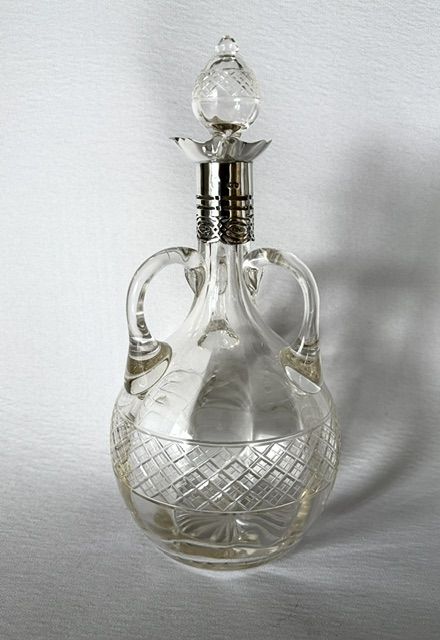
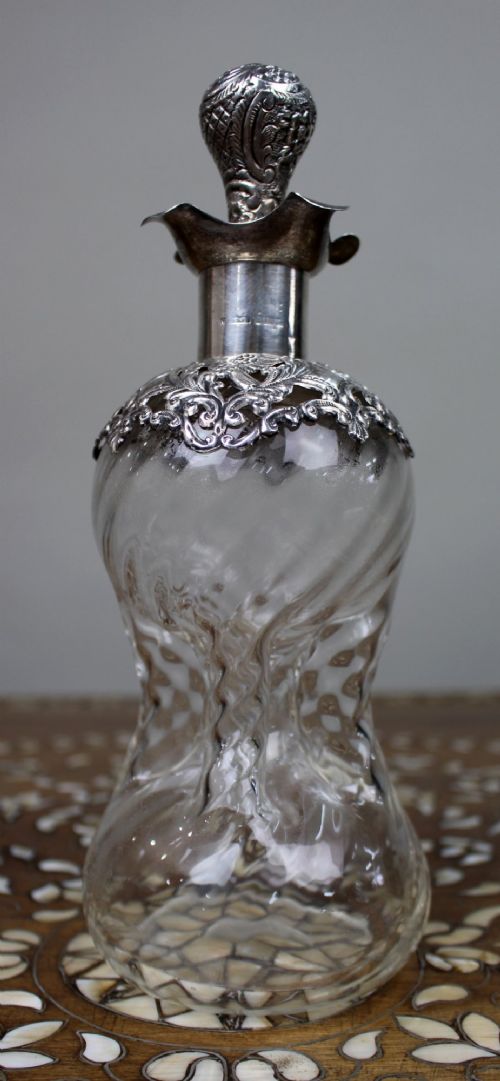
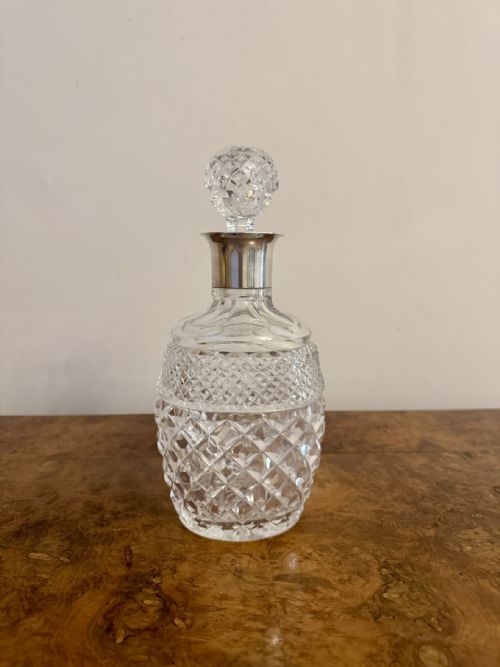
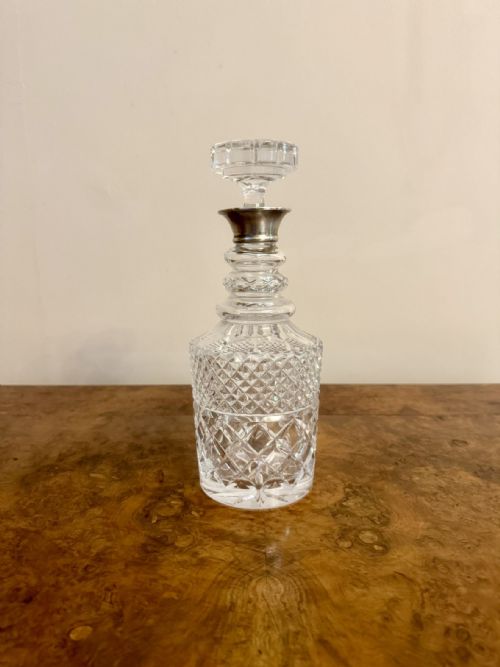
A vintage silver mounted decanter combines clear cut glass with solid silver or plated collars, bringing practical elegance to a sideboard or dining table.
Vintage Silver Mounted Decanter
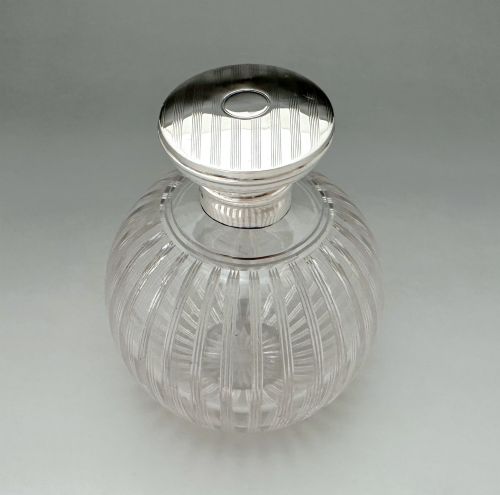
When you search for a vintage silver mounted decanter, you encounter functional vessels designed for serving wine, whisky, and spirits during the Victorian, Edwardian, and Art Deco periods. The selection on this page leans heavily toward Edwardian and Victorian examples, alongside George V items and Art Deco pieces from the nineteen twenties and thirties.
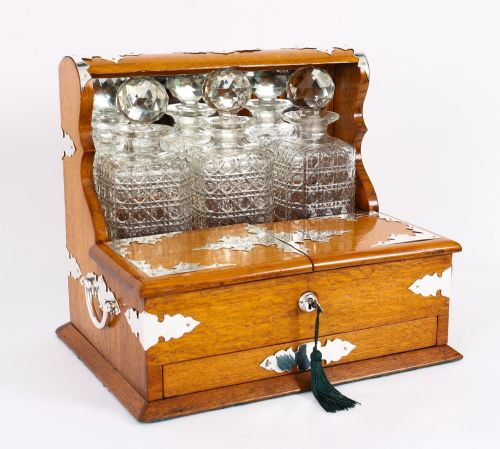
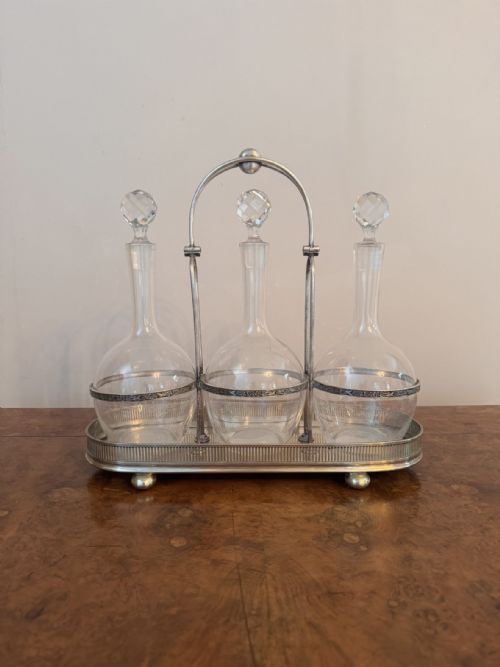
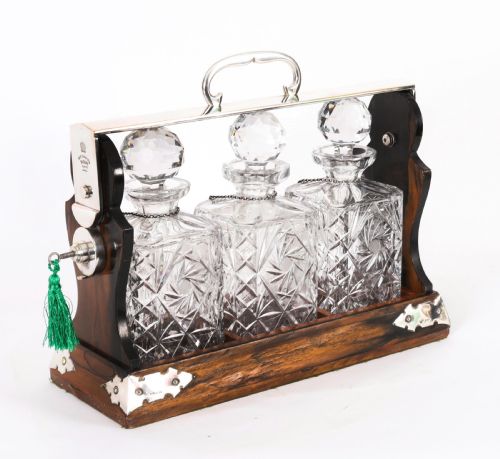
Most entries pair glass bodies with metal fittings, spanning standard wine decanters, whisky noggins, claret jugs, and scent bottles. Oak frameworks also appear housing multiple bottles, alongside leather cases holding smaller flasks for travel.
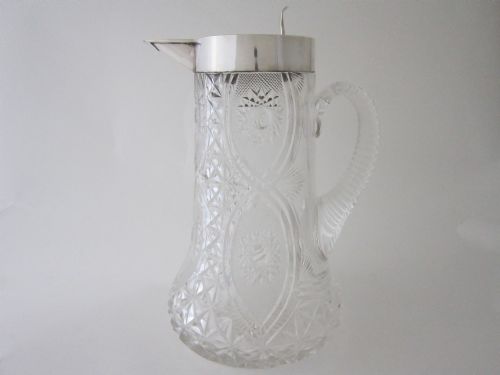
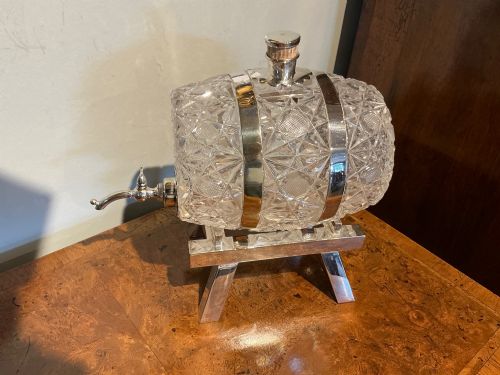
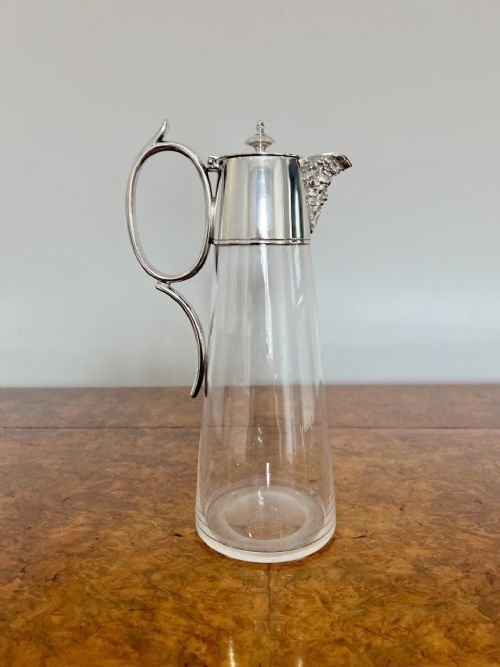
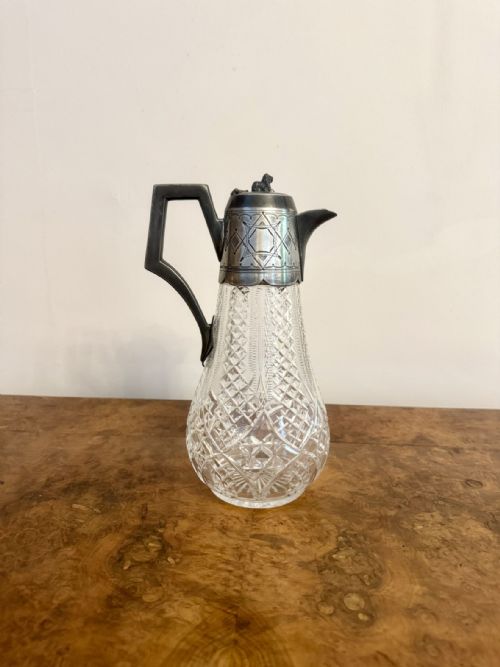
Vessels take various forms, from simple collar-shaped neck mounts on cut crystal to elaborate claret jugs with hinged lids and ice tubes. Ruby, cranberry, and blue glass variants supplement the dominant clear cut crystal and glass.
Materials and construction methods
Makers utilised clear, ruby, cranberry, or blue glass bodies, shaping them through heavy cutting, moulding, or blowing to catch the light. These glass reservoirs were then fitted with collars, mounts, and handles made from sterling silver or silver plate.
Silversmiths formed the mounts to hug the glass necks precisely, often securing them with cork stoppers or hinged lids with thumbpieces. Oak housings and coromandel wood provided sturdy frames for locking tantalus sets, lined with spaces for matching glasses and games compendiums.
Listings span the Victorian, Edwardian, and George V periods, featuring materials such as sterling silver, silver plate, oak, and cut crystal glass.
Separating ordinary examples from the finest work
The standard of cutting on the glass body dictates visual depth, where sharp, deeply grooved geometric patterns outshine shallow moulding. Heavy gauge silver mounts with crisp hallmarks denote superior metalwork compared to thin, easily dented plating.
Completeness alters a piece significantly, as matching silver labels, original stoppers, and intact mechanisms on tantalus bars preserve integrity. Maker marks from established firms indicate higher workshop standards than unmarked utilitarian pieces.
Mappin and Webb
The Vintage Silver Mounted Decanter Glossary
- Tantalus
- A locking frame holding decanters securely without a key access point until unlocked, preventing unauthorised pouring of spirits. These wooden compendiums typically house two or three glass bottles.
- Noggin
- A small vessel designed for measuring and serving a single portion of whisky or spirits, usually fitted with a pouring lip and a sterling silver collar. They frequently include a matching silver-lettered decanter label.
- Claret jug
- A tall serving pitcher specifically intended for red wine, featuring a handle, a hinged metal lid operated by a thumbpiece, and a silver collar around the neck. Victorian examples often display elaborate Rococo Revival metal mounts.
- Silver plate
- A base metal coated with a thin layer of silver, commonly used on Edwardian and Victorian barware to provide the appearance of solid silver at a lower production cost. Hallmarks on plated items differ from those on sterling silver.
- Cut crystal
- Glass containing lead oxide that increases its weight, clarity, and brilliance, allowing for deep, sharp facets that refract light effectively. It forms the heavy body of superior decanters.
Vintage Silver Mounted Decanter: Frequently Asked Questions
What is a spirit tantalus?
A spirit tantalus is a locking wooden frame that holds decanters upright, preventing people from pouring drinks without the key.
Victorian and Edwardian versions often incorporate games compendiums or three crystal bottles within oak or coromandel wood cases.
How do I identify a whisky noggin?
A whisky noggin is a small, stout jug with a silver collar and a single handle, made for individual spirit portions.
They frequently appear alongside matching silver labels bearing the name of the spirit.
What is the difference between silver plate and sterling silver?
Sterling silver consists of solid precious metal meeting official fineness standards, while silver plate applies a thin layer of silver over a base metal.
Hallmarks on sterling pieces indicate the assay office, date letter, and maker, whereas plated items carry different manufacturer stamps.
How should I clean silver mounts on glass?
Silver mounts require careful polishing with a soft cloth to avoid getting cleaning agents onto the glass or inside the bottle.
Stoppers should remain removed until the interior dries entirely to prevent moisture retention.