


Vintage Silver Lapel Pin
A vintage silver lapel pin secures a lapel with small-scale metalsmithing, coloured enamel, and set stones.
Vintage Silver Lapel Pin
When you search for a vintage silver lapel pin, you encounter small fastener forms including bar brooches, jabot pins, hat pins, and decorative brooches. These items originate across multiple eras, spanning Victorian, Edwardian, Art Deco, and mid-century periods.
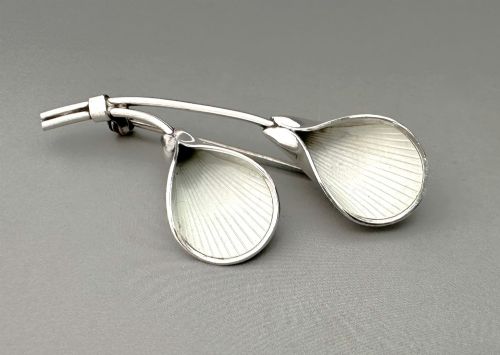
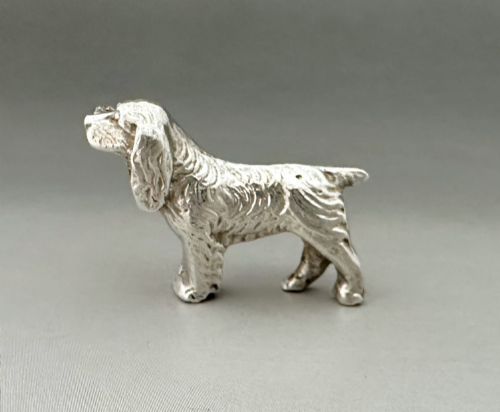
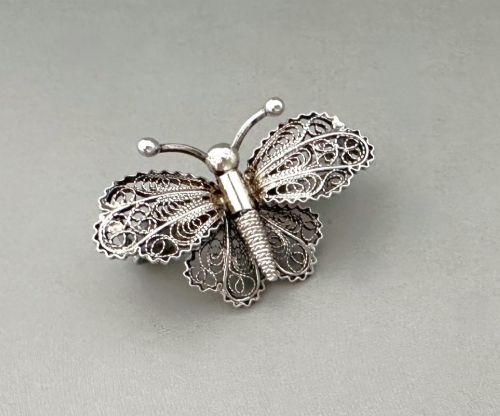
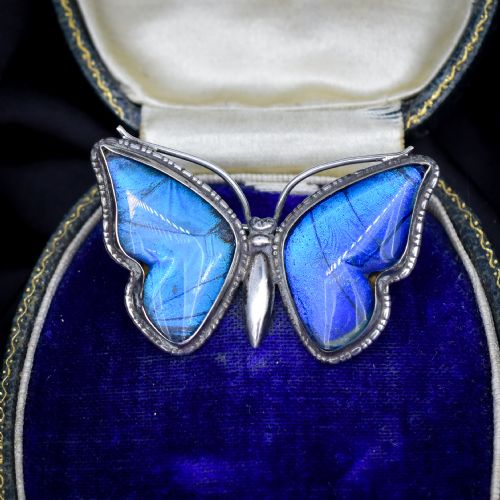
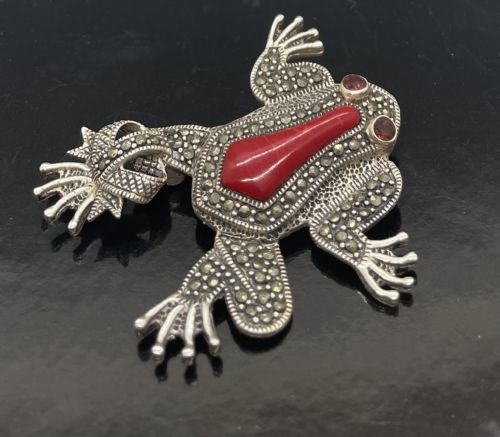
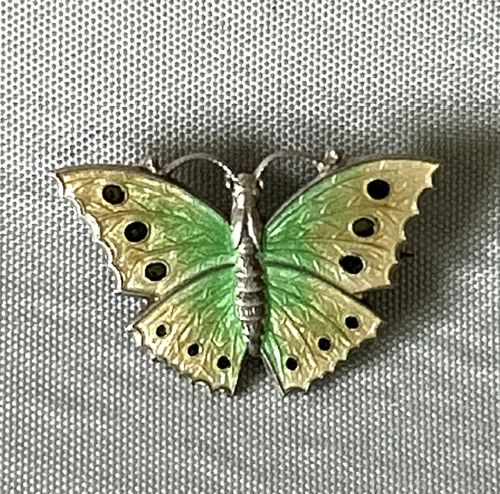
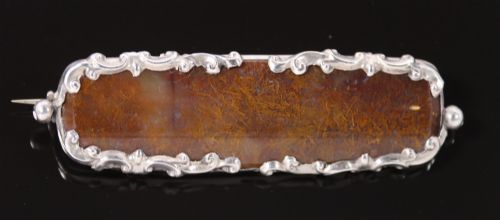
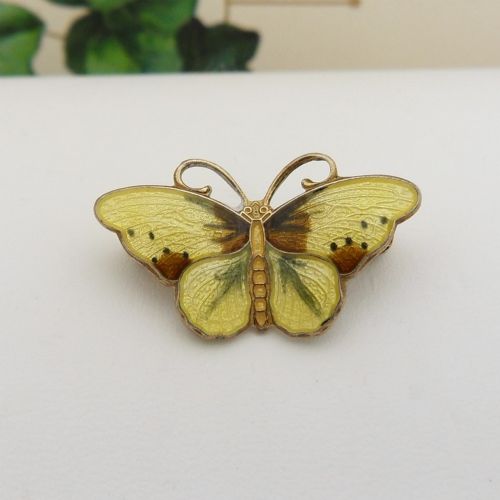
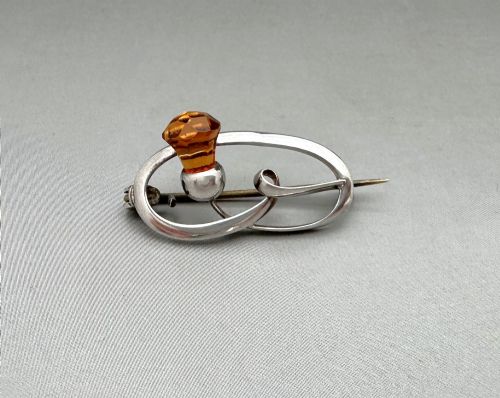
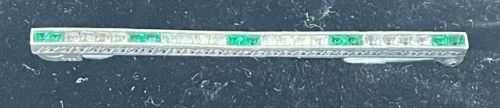
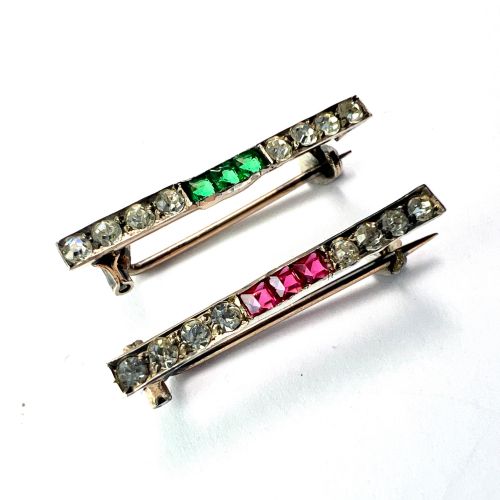
The selections on this page often take animal and floral shapes, such as butterflies, spaniels, frogs, snakes, thistles, and pansies. Other examples utilise geometric bar formats set with paste, diamonds, rubies, or moss agate.
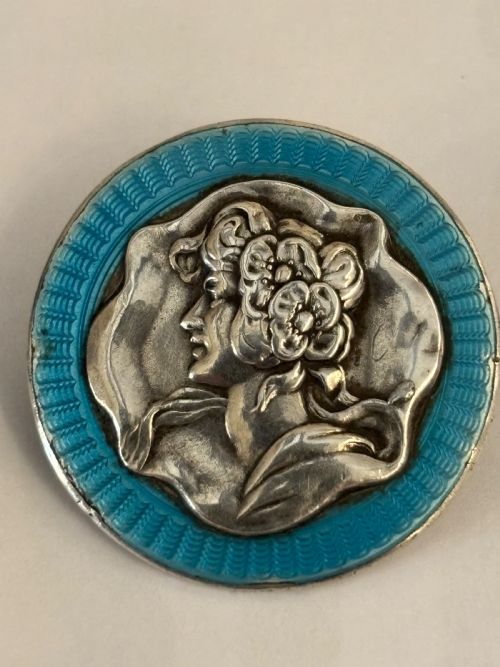
Makers and regional workshops from Norway, Britain, and beyond produced these pieces in sterling and standard silver, frequently applying coloured guilloche enamel or marcasite embellishments to catch the light.
How They Were Made
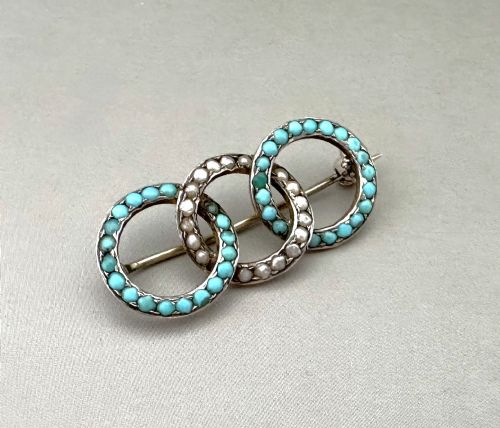
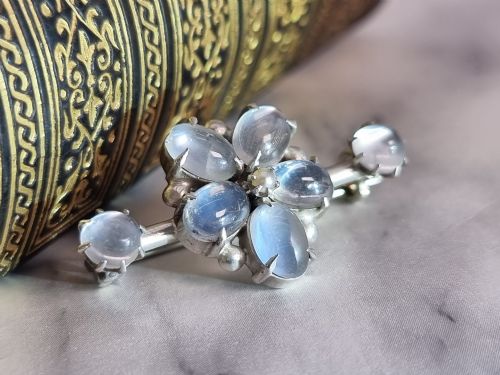
Silversmiths shaped base structures from silver and sterling silver using wirework, filigree, and cast foundations, occasionally applying silver gilt finishes. Stones like moonstones, amethysts, diamonds, and turquoise were then set by hand into bezels or flush mounts.
Enamelling techniques such as guilloche involved engraving patterns into the silver base before fusing translucent coloured glass layers over the metal. Marcasite stones were individually faceted and cemented or pinned into channels to imitate the sparkle of cut steel or diamonds.
The listings span the Victorian, Edwardian, and Art Deco eras up through the 1950s and 1960s, incorporating silver, enamel, marcasite, and moonstone.
What Varies in Quality
Quality rests in the crispness of the metalwork, whether hand-twisted filigree wire or cleanly cast animal and floral forms. Superior examples display precise enamel work without chipping or uneven pooling across the engraved grooves.
The selection of set elements also dictates grade, separating simple glass paste stones from genuine diamonds, pearls, moonstones, and rubies. Secure pin mechanisms and clear maker attribution further elevate the standing of an individual piece.
Charles Horner·Hroar Prydz·Mikimoto·John Hart
The Vintage Silver Lapel Pin Glossary
- Guilloche enamel
- A decorative technique where metal is engine-turned with a repetitive pattern and coated with translucent enamel. This method allows the underlying engraved design to show through the coloured glass layer.
- Marcasite
- Small faceted pyrite stones polished and set closely together into silver jewellery. They provide a dark metallic sparkle reminiscent of cut steel.
- Jabot pin
- A long ornamental pin originally designed to secure the lace jabot on historical garments. They function similarly to modern lapel or scarf pins.
- Filigree
- Delicate jewellery-work consisting of twisted fine silver threads soldered together in openwork patterns. It creates a lace-like appearance without heavy metal weight.
- Paste
- Hand-cut and polished glass used as a substitute for gemstones. Historical paste stones exhibit high lead content for increased brilliance.
Vintage Silver Lapel Pin: Frequently Asked Questions
How do I wear a lapel pin?
Push the pin stem through the buttonhole of a jacket lapel or directly through the fabric weave, securing it safely at the back with its clasp.
Position the pin on the upper left lapel, angling it to follow the natural line of the collar.
What is guilloche enamel?
Guilloche enamel involves mechanical engraving on a metal surface prior to the application of coloured glass enamels.
The translucent layers reveal the underlying geometric patterns when viewed under direct light.
Are these pins made of sterling silver?
Many items feature sterling silver construction, while others utilise standard silver grades or silver gilt. Hallmarks and metal tests indicate the precise silver standard used by the maker.
Checking the reverse side of the piece often reveals stamps denoting the metal purity and origin.
How do I date an enamel brooch?
Stylistic cues such as geometric Art Deco lines or flowing Edwardian floral motifs provide clear chronological markers. Maker marks and regional design trends help narrow down the decade of production.
Examining the pin mechanism and catch style also offers clues regarding the manufacturing era.