



Vintage Insect Pin
A vintage insect pin brings a touch of nature to a lapel, offering delicate craftsmanship in silver, enamel, and gemstone.
Vintage Insect Pin
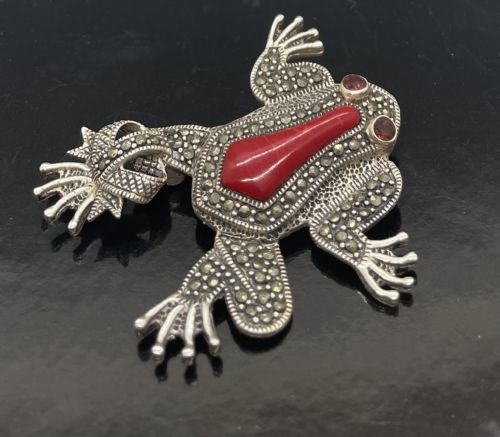
A vintage insect pin encompasses brooches, hatpins, bar brooches, and pincushions formed into butterflies, dragonflies, spiders, frogs, and scorpions. These ornaments span eras from the Victorian period through the Edwardian years into the 1920s, 1930s, 1950s, and 1960s.
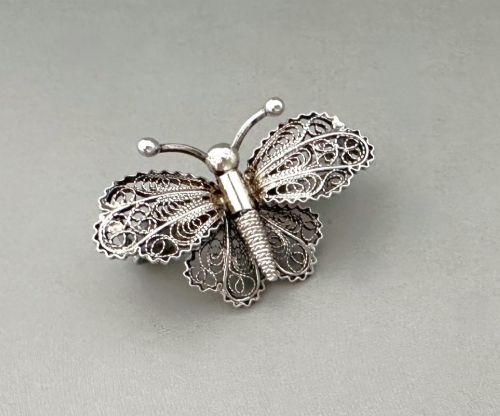
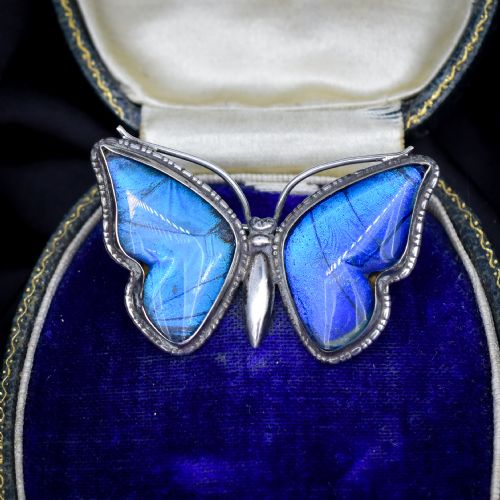
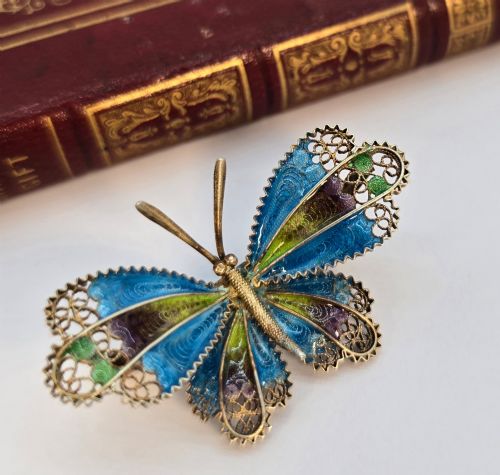
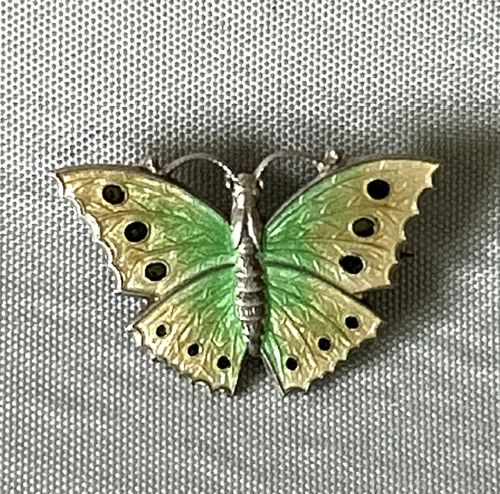
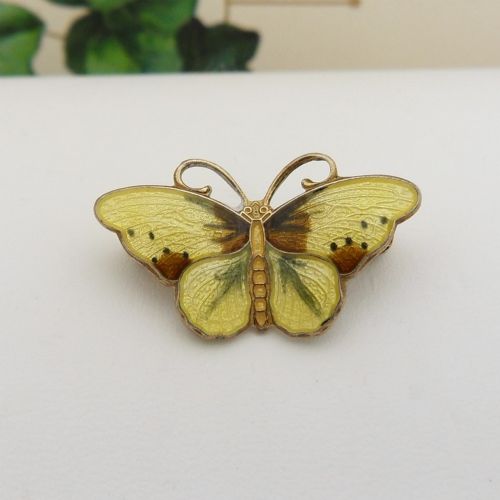
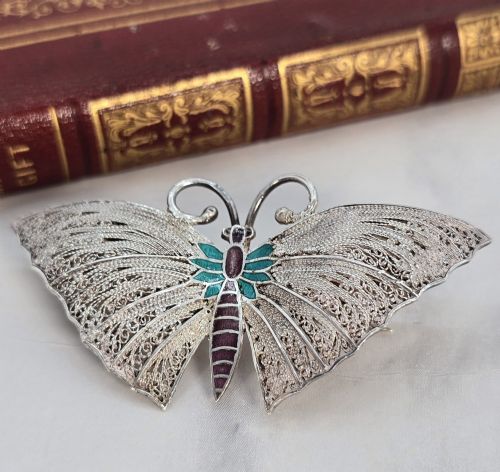
The most common examples on this page are silver and enamel butterfly brooches from the 1920s and 1930s, often featuring guilloche or filigree work. Alongside these, buyers find pieces set with diamonds, rubies, sapphires, moonstones, and butterfly wings.
Designs draw on Art Nouveau, Art Deco, and Mid-Century styles, originating from British, continental European, Scandinavian, and Chinese export workshops. Object forms range from wearable dress brooches to functional hatpins and desk pincushions.
How they were made
Silversmiths shaped sterling silver, silver gilt, and yellow gold into articulated insect bodies and thin wire filigree frames. Pewter and basaltic materials also appear among specific Victorian and Art Nouveau examples.
Coloured enamel, guilloche, and pressed butterfly wing panels provide the vivid hues seen across wings and bodies. Gemstones including diamonds, rubies, sapphires, emeralds, pearls, moonstones, and glass are flush or claw-set into precious metal mounts.
Listings feature insect forms ranging from butterflies and dragonflies to spiders, frogs, and scorpions across eight distinct decades.
What varies in quality
Quality rests on the fineness of the metalwork, such as intricate silver filigree versus heavier cast forms, and the preservation of delicate enamel or guilloche surfaces. Intact wing scales and well-applied enamel without chipping distinguish finer specimens.
The choice and cut of gemstones elevate certain jewels, moving from simple pressed glass or butterfly wing panels to precious stones like diamonds, rubies, and sapphires set in gold or silver.
Hroar Prydz·Rene Lalique
The Vintage Insect Pin Glossary
- Guilloche
- An engined-turned decorative technique producing precise, intricate geometric patterns beneath translucent enamel. It provides a shimmering background texture on many 1920s and 1930s butterfly wings.
- Filigree
- Delicate openwork jewellery formed from fine twisted metal threads soldered together. This technique creates the lightweight, lace-like wings seen on continental and Chinese export brooches.
- Silver Gilt
- Silver that has been coated with a thin layer of gold. This treatment gives the metal a warm, golden appearance while retaining a silver base.
- Bar Brooch
- A long, slender pin brooch worn horizontally across a garment. These often secure central insect motifs set with gems or enamel.
- Hatpin
- A long pin with an ornamental head used to secure hats to the hair. Examples feature detailed insect forms perched atop the shaft.
Vintage Insect Pin: Frequently Asked Questions
What materials were used for these insect pins?
Makers utilised sterling silver, silver gilt, yellow gold, and pewter to form the bodies and settings of these pieces. Decoration often incorporates enamel, guilloche, butterfly wing panels, and glass alongside gemstones like diamonds, rubies, sapphires, and moonstones.
Different periods favoured distinct palettes and techniques, from Victorian gem-set gold to 1930s enamel and silver filigree. Each material contributes to the distinct weight and visual character of the ornament.
How do I wear a vintage insect pin?
These pieces function primarily as dress brooches, lapel pins, and hatpins, fastening securely to coats, scarves, and hats. Bar brooches sit well across lapels, while smaller butterfly brooches suit collars and cuffs.
Due to their delicate enamel or filigree wings, handling them with care when fastening is advisable. Storing them in a dedicated box protects protruding legs and antennae from bending.
How can I tell the period of an insect pin?
Dating relies on material combinations, construction styles, and design motifs associated with specific eras. Victorian and Edwardian pieces frequently feature heavier metalwork, natural pearls, and precious gemstones in bar or clustered settings.
Later 1920s and 1930s examples often display geometric Art Deco influences, guilloche enamel, or Chinese export silver filigree. Mid-century Scandinavian pieces introduce clean lines and vibrant red or blue enamelling.
What is the difference between a brooch and a hatpin?
A brooch secures to clothing using a pin and catch mechanism on the reverse, designed to lie flat against fabric. A hatpin consists of a decorative head mounted on a long, straight metal stem.
Hatpins were originally pushed through women's hats and hair to hold headwear in place. Today, hatpins often find new life displayed in desk pincushions or collected as miniature sculptures.