

Vintage Silver Lamps
These vintage silver lamps bring functional illumination and metallic polish to a room, spanning periods from the Victorian era to the mid-twentieth century.
Vintage Silver Lamps
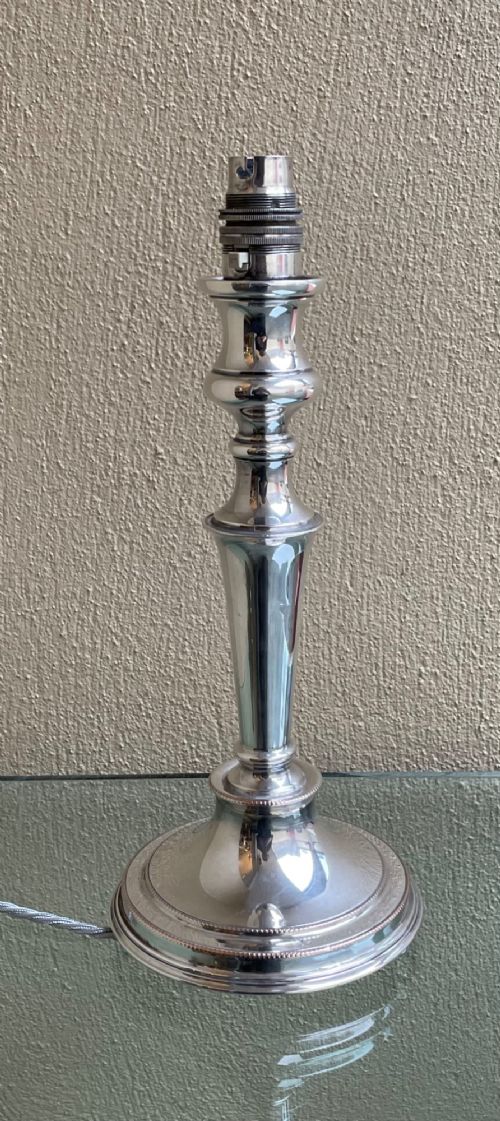
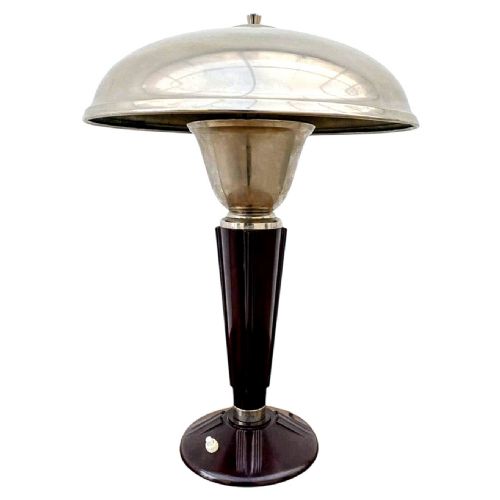
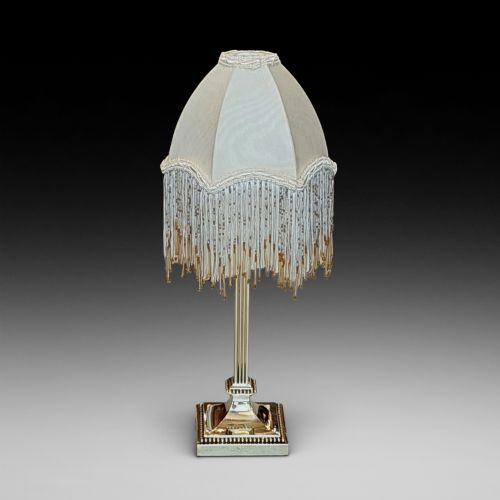
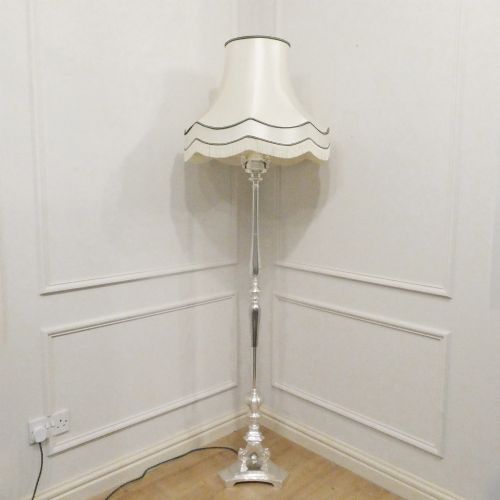
Vintage silver lamps encompass a diverse selection of lighting forms designed for domestic interiors, ranging from tall floor standards to compact table lamps. Buyers seeking vintage silver lamps frequently encounter pieces shaped by Victorian, Edwardian, and Art Deco design aesthetics.
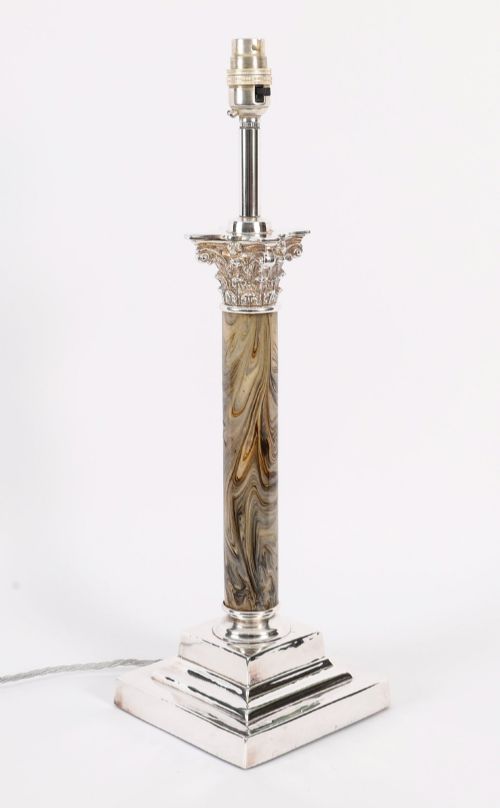
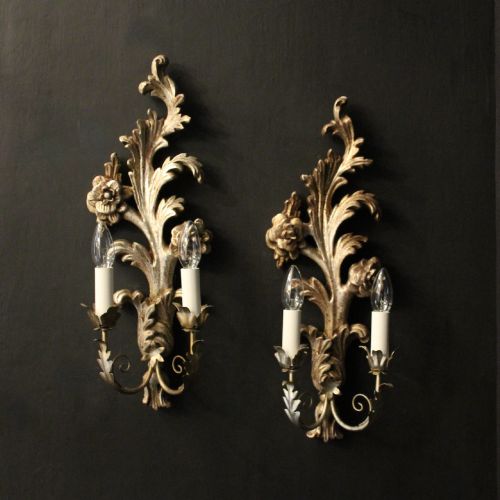
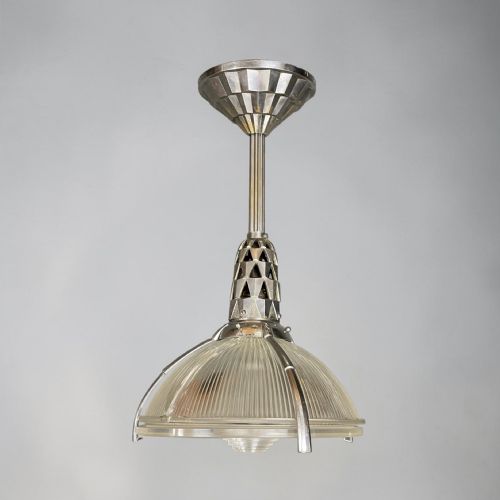
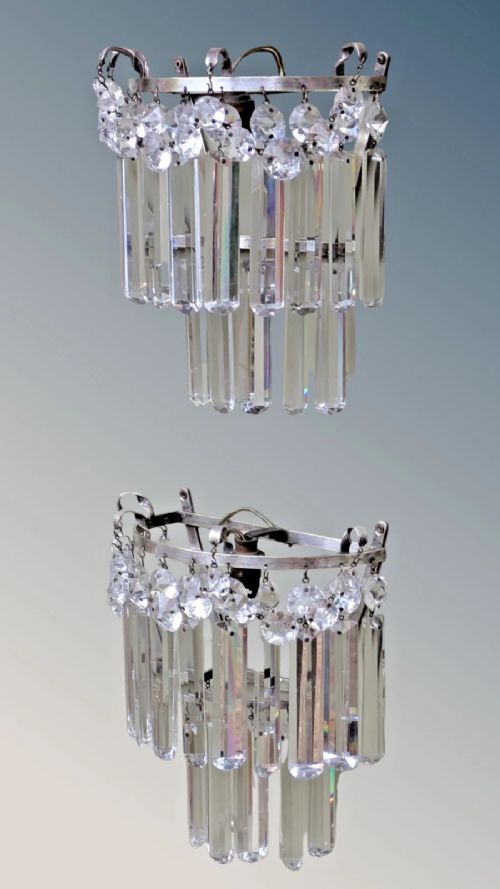
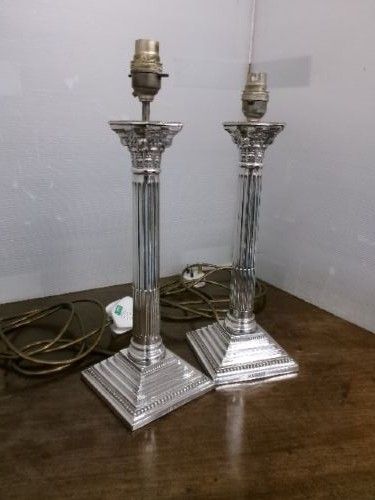
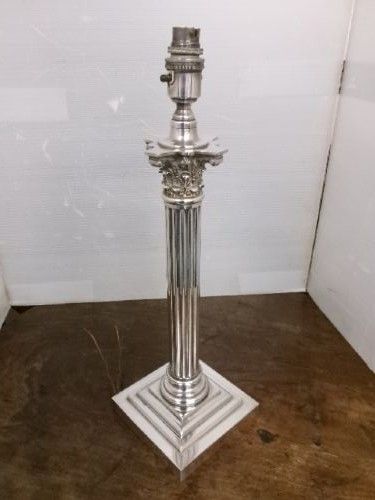
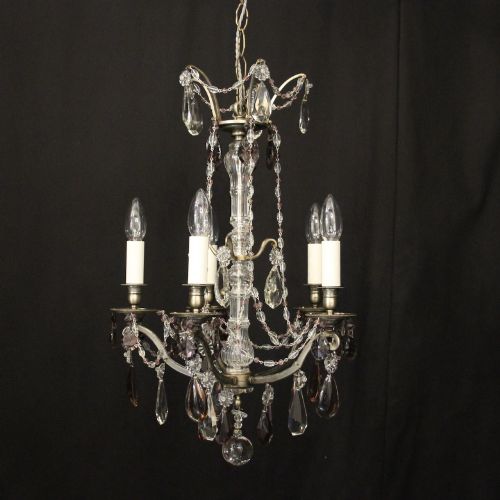
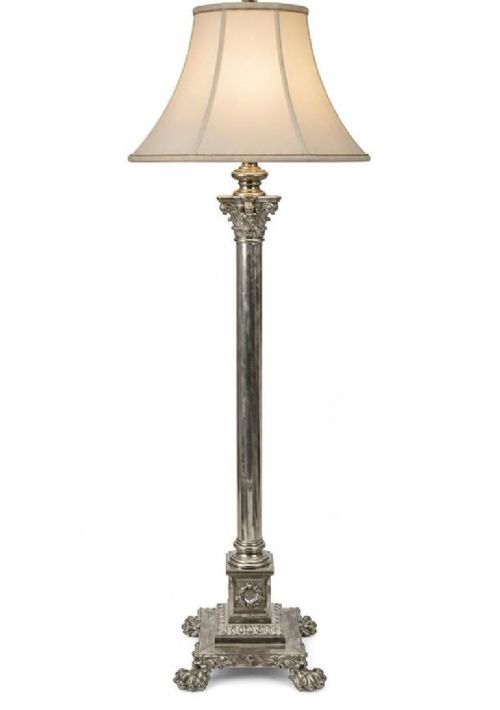
The inventory demonstrates substantial variety in object types, including classic Corinthian column table lamps, multi-light chandeliers, and adjustable desk lamps. Materials extend beyond solid sterling silver to encompass silver plate, EPNS, chrome, and gilt bronze, often paired with glass or fabric elements.
Origins span British workshops alongside French and American makers, reflecting shifting domestic tastes across the nineteenth and twentieth centuries. Floor lamps and table models dominate the selection, offering functional illumination alongside decorative presence.
What varies in quality
Quality rests upon the thickness of the silver plating over the base metal and the crispness of cast details on architectural elements like Corinthian capitals. Heavier gauges of silver and substantial metal casting indicate superior durability and refined craftsmanship.
The integrity of secondary materials, such as cut crystal drops, heavy glass shades, or original electrical fittings where retained, distinguishes standard production items from finer studio pieces. Maker marks and stamps provide tangible evidence of workshop provenance.
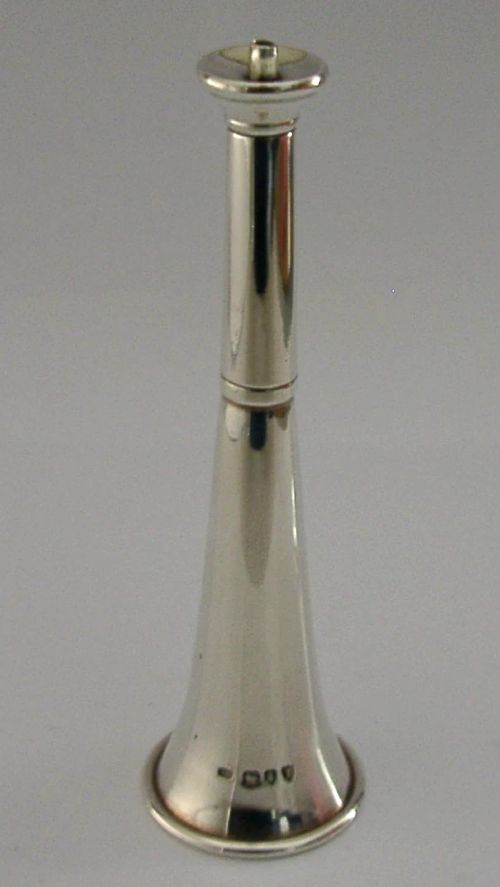
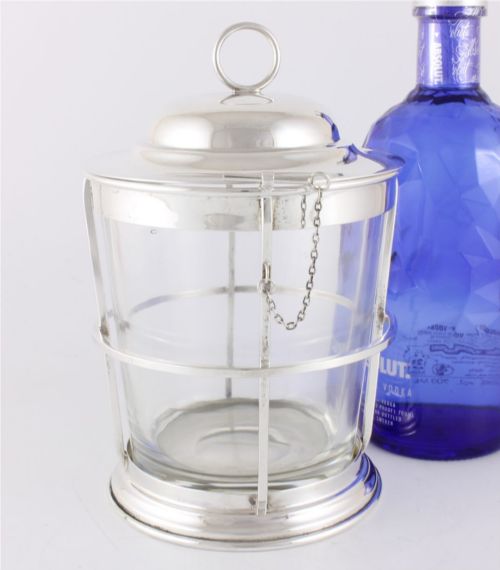
Object types range from desk lamps and chandeliers to ship's lanterns and ice buckets adapted for lighting purposes.
BRAHAM·Eileen Grey·Émile-Jacques Ruhlmann·PH Vogel·VESTARAY·WMF·Herbert Terry
The Vintage Silver Lamps Glossary
- Silver Plate
- A thin layer of silver bonded to a base metal core such as brass or copper. This technique allowed makers to produce domestic items with the appearance of solid silver at reduced cost.
- Corinthian Column
- An architectural support column featuring an ornate capital decorated with acanthus leaves. It remained a popular motif for nineteenth- and early-twentieth-century table lamps.
- Art Deco
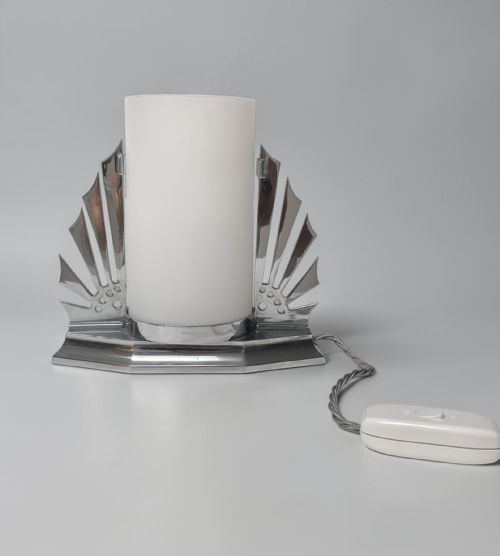
- A design movement characterised by sleek geometric lines, stylised motifs, and modern industrial materials like chrome and bakelite. It dominated lighting design during the nineteen-thirties.
- EPNS
- Electroplated Nickel Silver, a common base alloy used beneath a silver coating. It provides a stable and durable foundation for plated tableware and lighting.
- Standard Lamp
- A traditional British term for a tall floor-standing lamp designed to illuminate a room from a corner or beside seating. These often match smaller table variants in hotel and domestic settings.
Vintage Silver Lamps: Frequently Asked Questions
How do I date a silver lamp?
Dating relies on identifying stylistic markers, manufacturing techniques, and any stamped maker marks or hallmarks present on the metal base. Victorian examples often display ornate cast decoration, whereas nineteen-thirties pieces favour geometric chrome and streamlined silhouettes.
Examining the wiring, switch types, and construction methods offers further clues to the decade of manufacture. Comparing the form against documented pieces from known makers helps narrow the production period.
What is the difference between sterling silver and silver plate?
Sterling silver consists of a solid precious metal alloy containing a fixed proportion of pure silver, usually stamped with specific hallmarks denoting its standard. Silver plate involves a thin coating of silver applied over a cheaper base metal such as brass or copper.
Most antique lamps use silver plate rather than solid sterling to maintain a manageable weight and cost. Hallmarks on sterling pieces indicate government assay offices and dates, while silver plate markings denote maker initials and plating processes.
Can these old lamps be safely rewired?
Historic lighting fixtures can be updated with modern electrical wiring to meet current safety standards without compromising their antique metalwork. Professional rewiring ensures that internal components, bulb holders, and plugs comply with modern regulations.
Retaining original switches or cord grips where possible maintains the historical integrity of the piece while ensuring safe daily use in the home. Many collectors choose to preserve original patination on the exterior surfaces while updating the internal infrastructure.