
Edwardian Column Lighting
Edwardian column lighting brings classical proportion and warm illumination into a room through tall standards and table lamps.
Edwardian Column Lighting
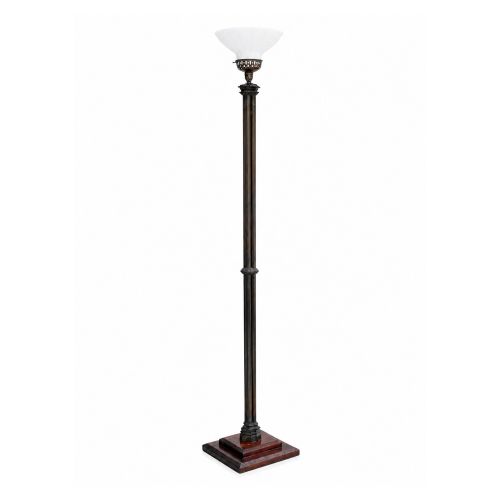
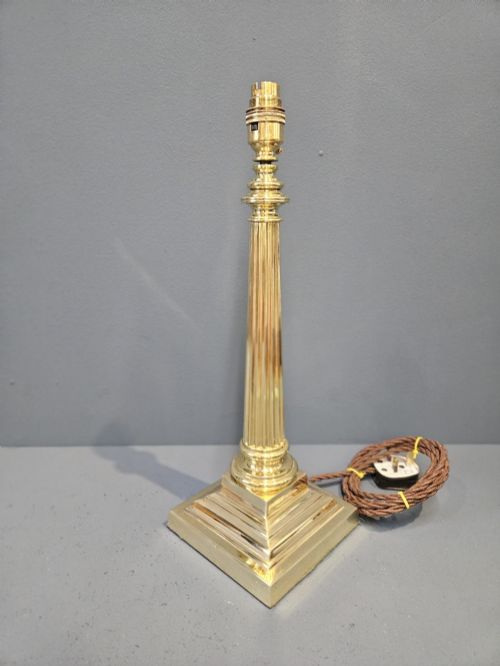
Edwardian column lighting encompasses standard lamps, table lamps, and oil lamps built with vertical shafts and classical capitals. When searching for edwardian column lighting, buyers encounter tall floor-standing lights alongside smaller table designs rooted in the architectural tastes of the period.
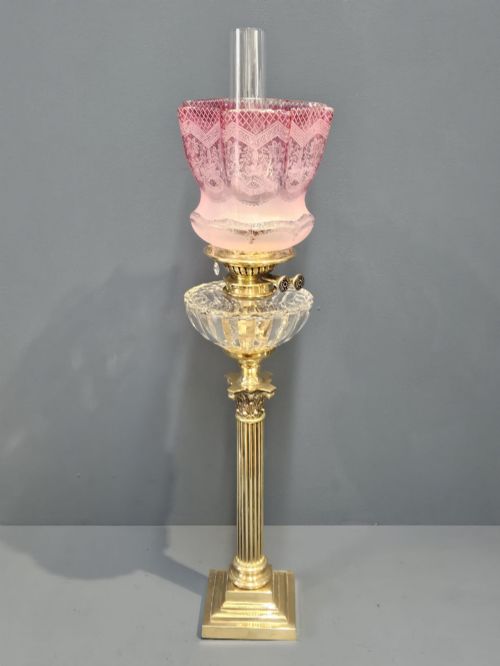
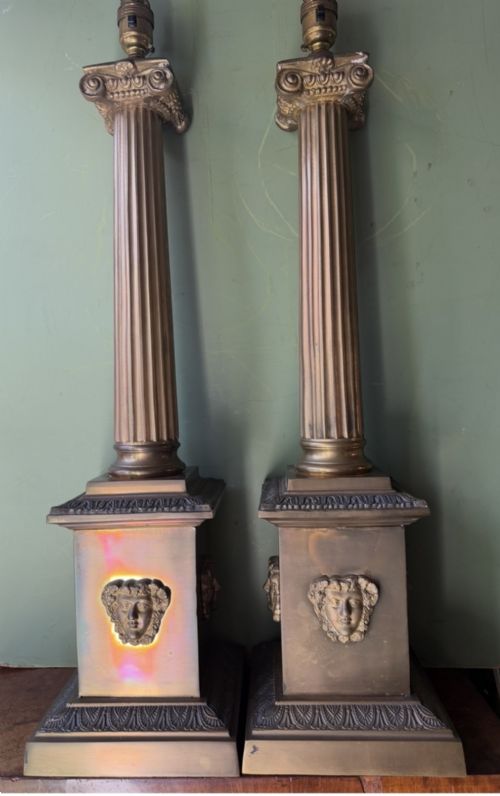
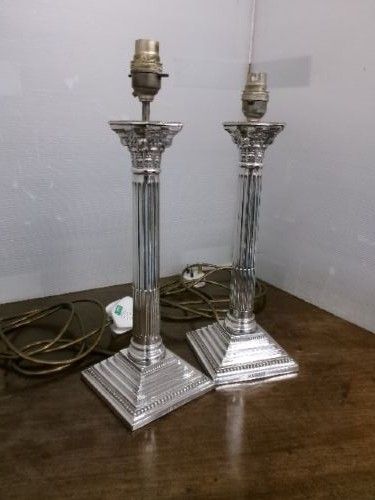
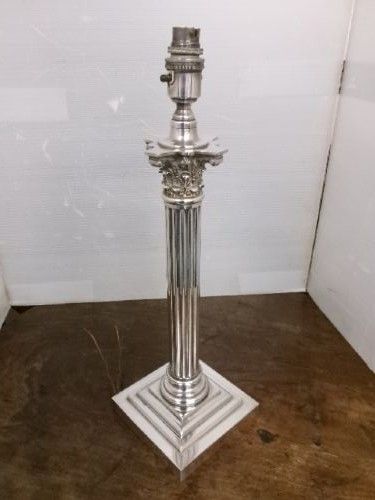
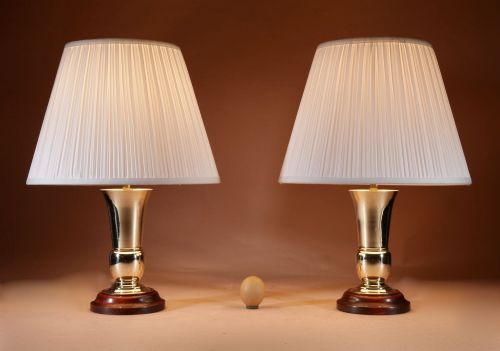
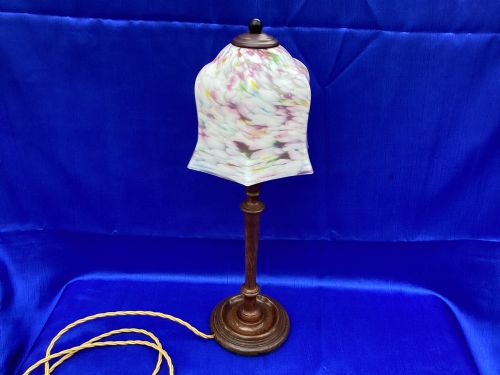
The pieces appearing here lean heavily on classical revivals, adopting the motifs of earlier centuries onto standard lamp and table lamp bodies. Makers utilised brass, silver plate, and various timbers to construct these vertical supports, often pairing them with fabric or glass shades.
Materials and construction methods
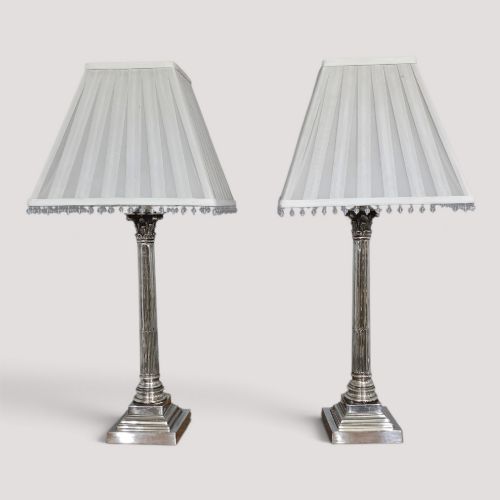
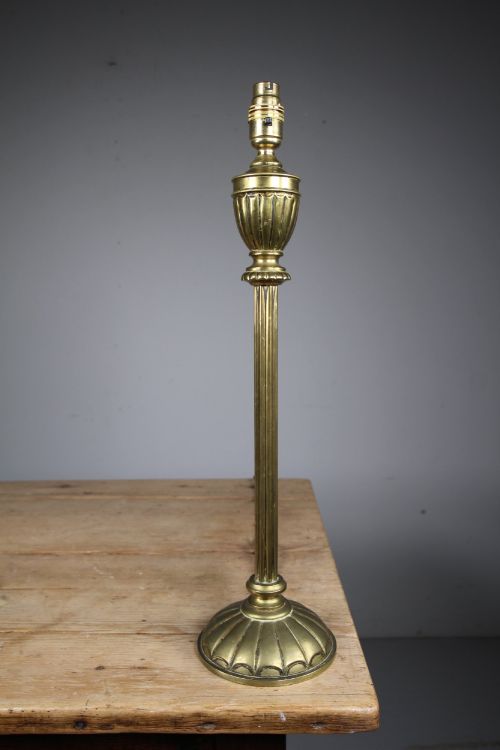
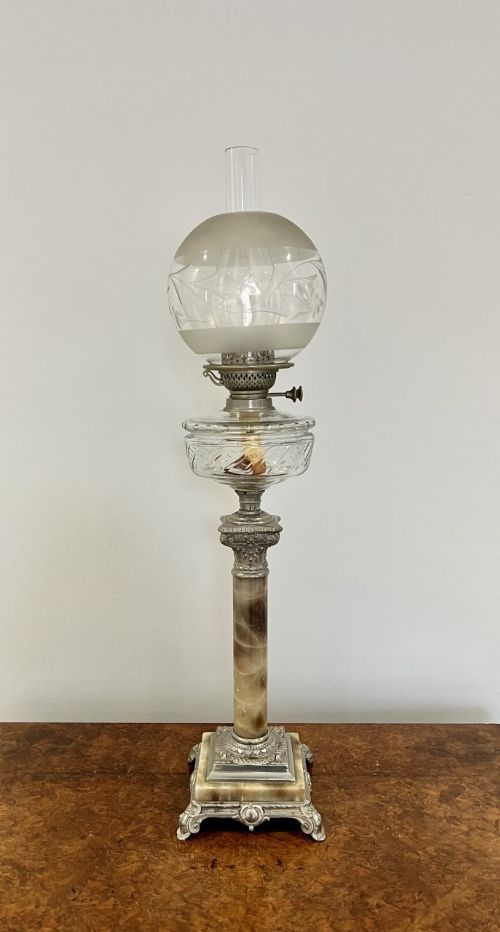
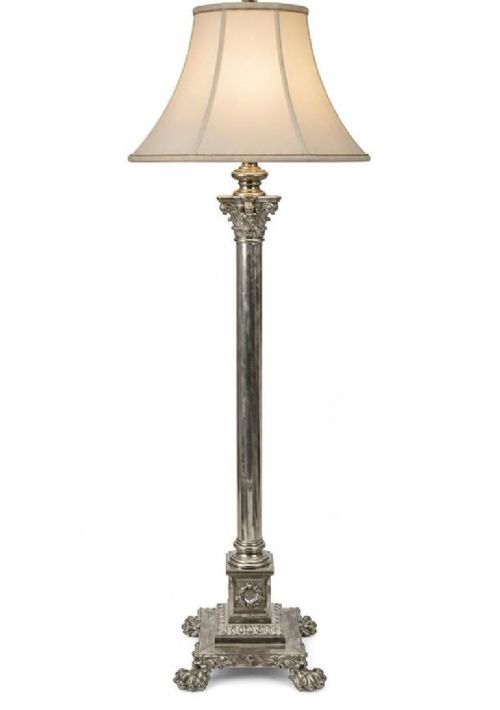
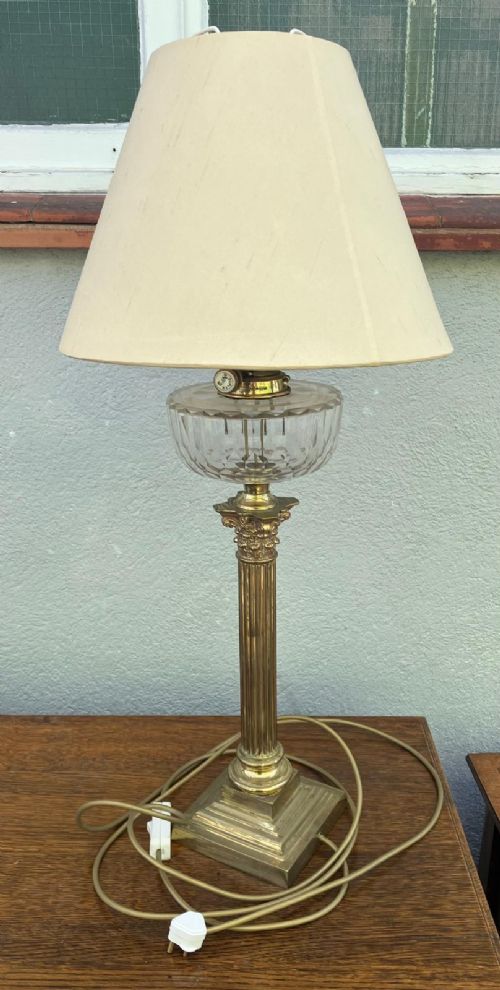
Metal fabrication dominates these pieces, with solid brass and silver plating cast into complex Corinthian capitals and fluted shafts. Marble and onyx bases provide necessary weight for stability at the foot of tall standard lamps.
Woodworking also plays a distinct role through turned oak, walnut, and limed oak columns. Shade construction combines traditional materials like silk and patterned fabric with hand-blown opaline or coloured glass.
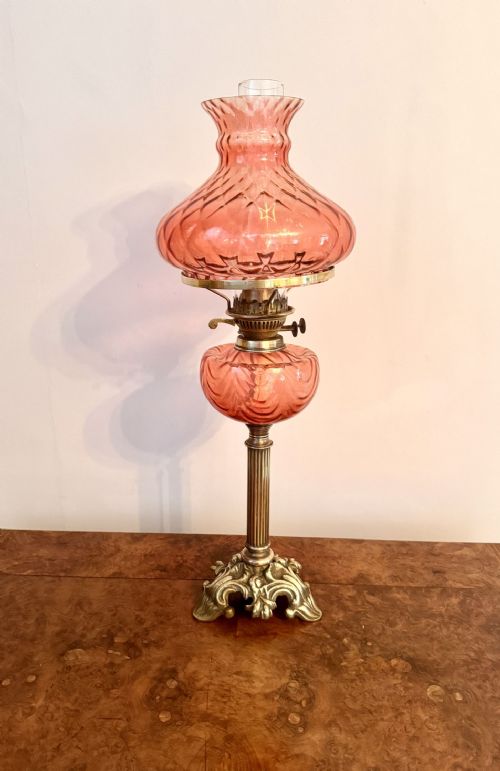
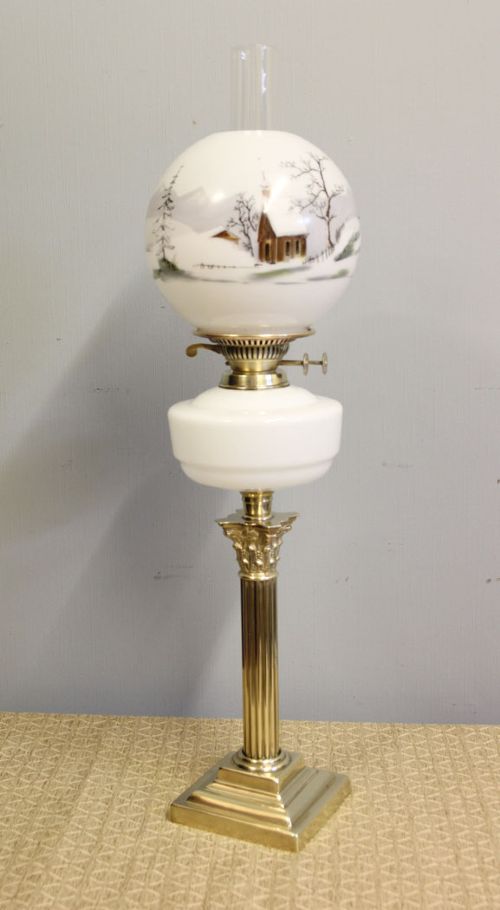
One exceptional Edwardian oil lamp wears a hand-painted winter snow scene upon its glass shade, bringing a permanent flurry indoors.
Distinguishing quality in column lighting
The crispness of the casting on metal capitals and bases dictates the upper tier of quality. Sharply rendered acanthus leaves and well-defined fluting separate superior brass and silver-plated examples from simpler, softer castings.
Substance and balance define the better pieces, particularly in standard lamps where heavy marble plinths or dense hardwoods anchor the height. The choice of original or sympathetic glass shades, such as cranberry or opaline glass, adds further distinction.
The Edwardian Column Lighting Glossary
- Corinthian column
- A classical architectural column style featuring an ornate capital decorated with rows of acanthus leaves. This motif appears frequently on the upper shafts of brass and silver-plated lamps.
- Standard lamp
- A tall floor-standing lamp designed to illuminate a room from standing height. These pieces often utilise heavy bases of marble or wood to support their vertical reach.
- Opaline glass
- A milky, translucent glass often tinted in pale colours, frequently blown into shades for period oil and electric lamps. It diffuses light softly across a room.
- Silver plate
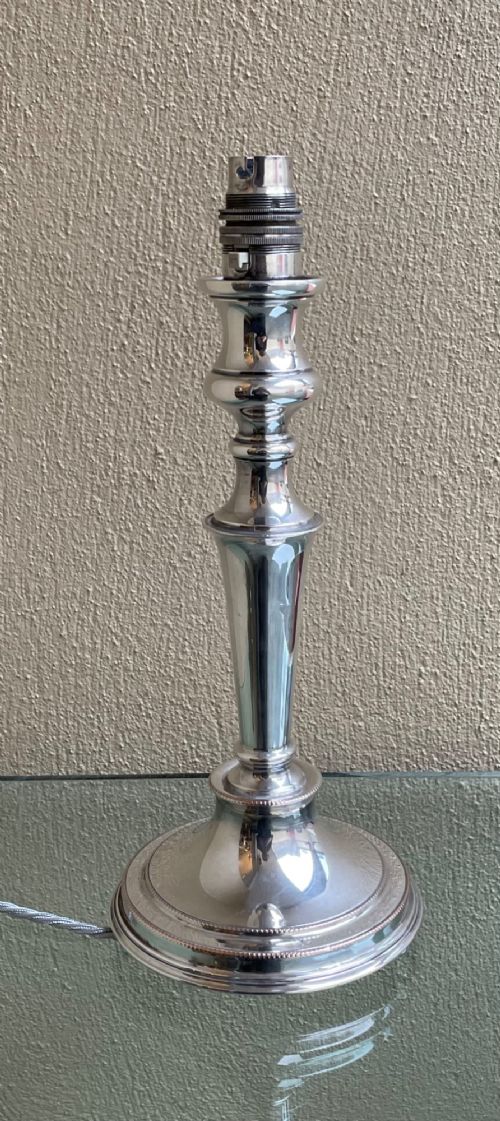
- A thin layer of silver fused to a base metal, typically brass or copper, to provide the appearance of solid silver. It is common on formal table and standard lamps.
Edwardian Column Lighting: Frequently Asked Questions
How do I identify an Edwardian column lamp?
Look for classical architectural details such as fluted shafts and Corinthian capitals cast in brass or silver plate. Materials like onyx, marble, and polished oak frequently ground these vertical forms.
The period spans the early twentieth century, though designs often draw upon Victorian and earlier neoclassical revivals. Examining the weight, metal patination, and construction methods helps confirm the age.
Were these lamps originally electric?
Many examples began life as oil lamps or candle lamps before being converted to electricity later in their lifespan. Standard lamps and table lamps were adapted as domestic power became widespread.
Evidence of burners, reservoirs, or wick adjusters often remains on pieces that started as oil-burning fixtures. Rewired examples bring these historic bodies into modern use safely.
What is a standard lamp?
A standard lamp is a tall floor-standing light fixture designed to stand beside furniture and cast light downward or outward. They utilise substantial bases to maintain stability at height.
In this category, standard lamps frequently feature wooden or metal columns paired with large fabric or glass shades. They serve as primary ambient lighting in period interiors.
How do I care for brass and silver plated columns?
Dust metal surfaces gently with a soft, dry cloth to prevent the accumulation of dirt in the intricate recesses of the capitals. Avoid harsh chemical polishes that strip away historical patination.
For silver-plated elements, use a mild silver cleaner applied sparingly only when necessary. Wooden columns benefit from occasional feeding with appropriate furniture wax.