


Classic Desk Lamp
These classic desk lamp examples combine practical illumination with historical character, offering durable materials and period style for daily work.
Classic Desk Lamp
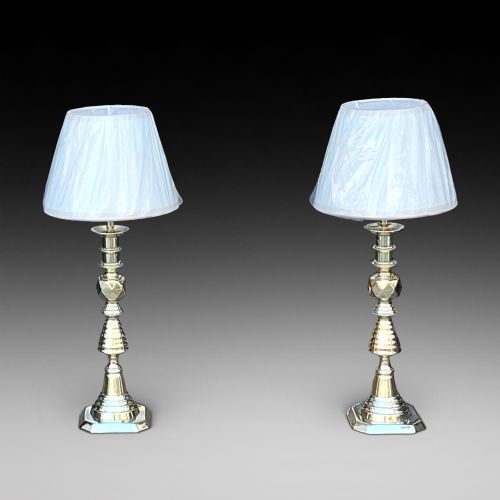
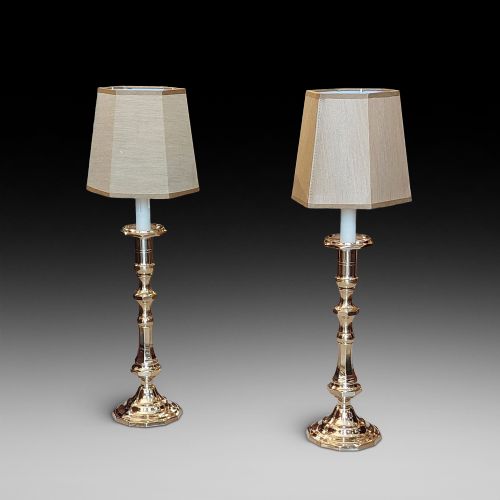
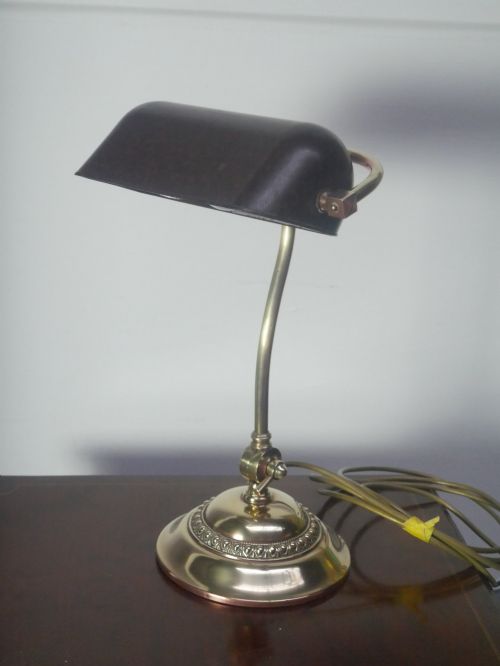
A classic desk lamp serves as a functional workspace accessory while carrying the distinct decorative traits of past centuries. Buyers searching for a classic desk lamp encounter pieces ranging from converted oil lamps to dedicated banking lights and adjustable metal designs.
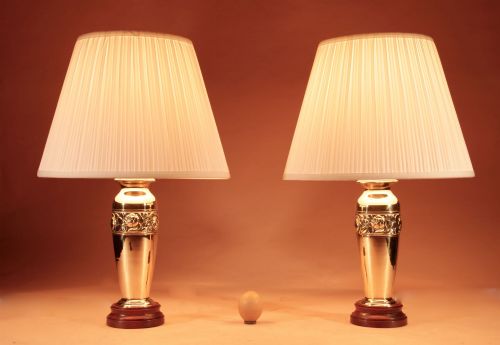
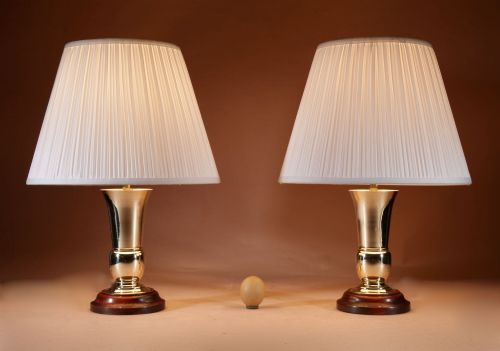
The selection includes specimens from the Victorian and Edwardian eras alongside 1920s Art Deco creations. Brass, silver plate, and bronze dominate the forms, frequently paired with marble or tole shades to diffuse light effectively across a writing surface.
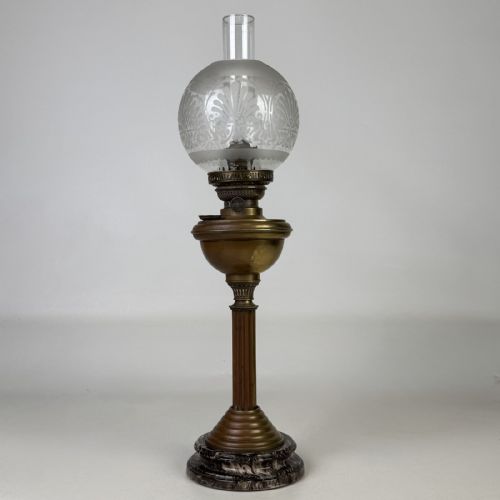
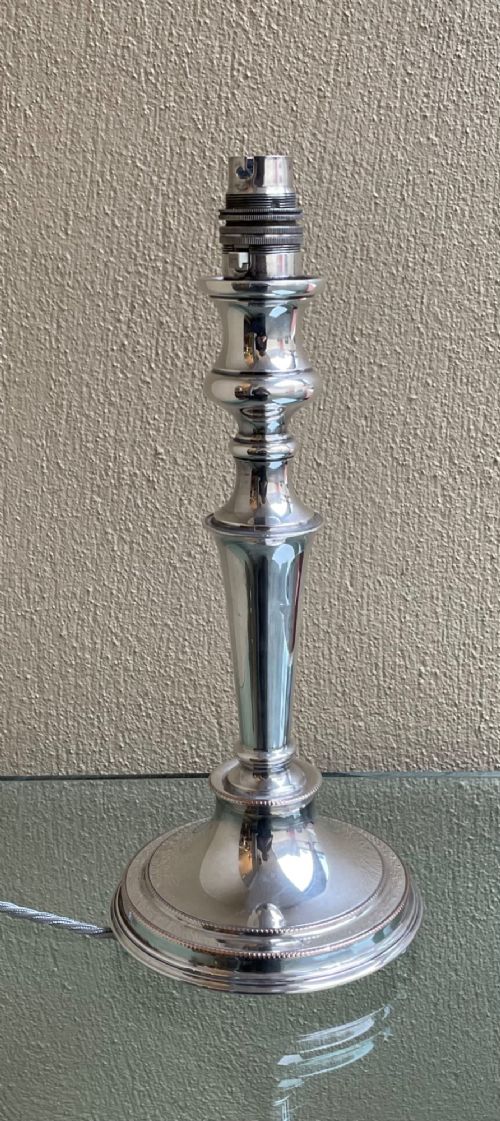
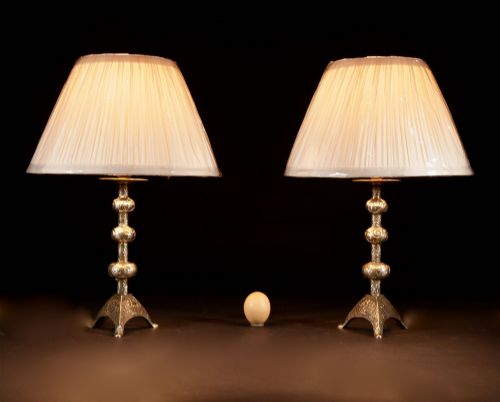
Many of these items began as candlesticks or oil burners before undergoing professional conversion to electricity in later decades. This adaptation preserves historical craftsmanship while meeting modern lighting requirements in a study or library.
Materials and construction methods
Metalworking forms the backbone of these pieces, utilising cast brass, silver plate, bronze, and gilt metal shaped into columns, urns, and figurative statues. Artisans employed traditional foundry techniques to create sturdy bases and detailed stems that support the electrical components.
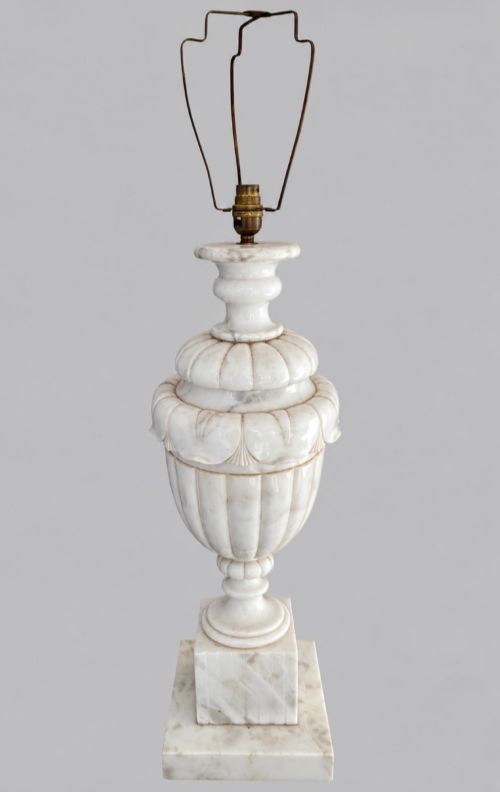
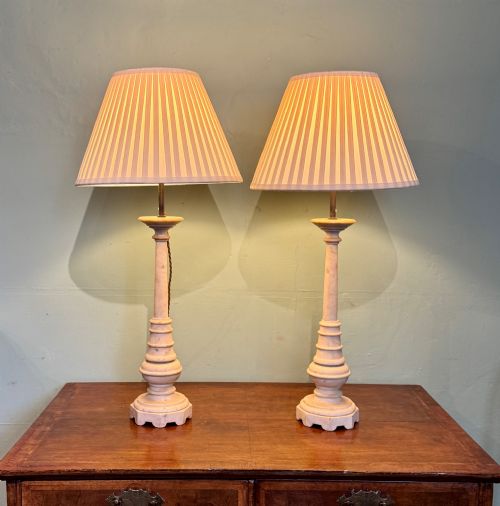
Secondary materials such as white marble, alabaster, and carved wood provide structural weight and contrasting textures to the metal frames. Fabric and painted tole shades complete the construction, introducing colour and directional control to the illumination.
Classic Desk Lamp Retail Price Guide 2026
Typical asking prices for classic desk lamp among the pieces listed under this phrase on Sellingantiques today, from the lower quarter to the upper quarter. They describe what is for sale here now, not the wider market.
Listings feature lighting pieces spanning the Victorian, Edwardian, and 1930s Art Deco periods.
Distinguishing quality factors
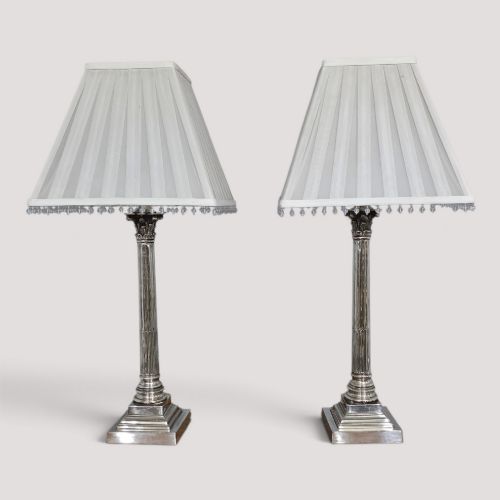
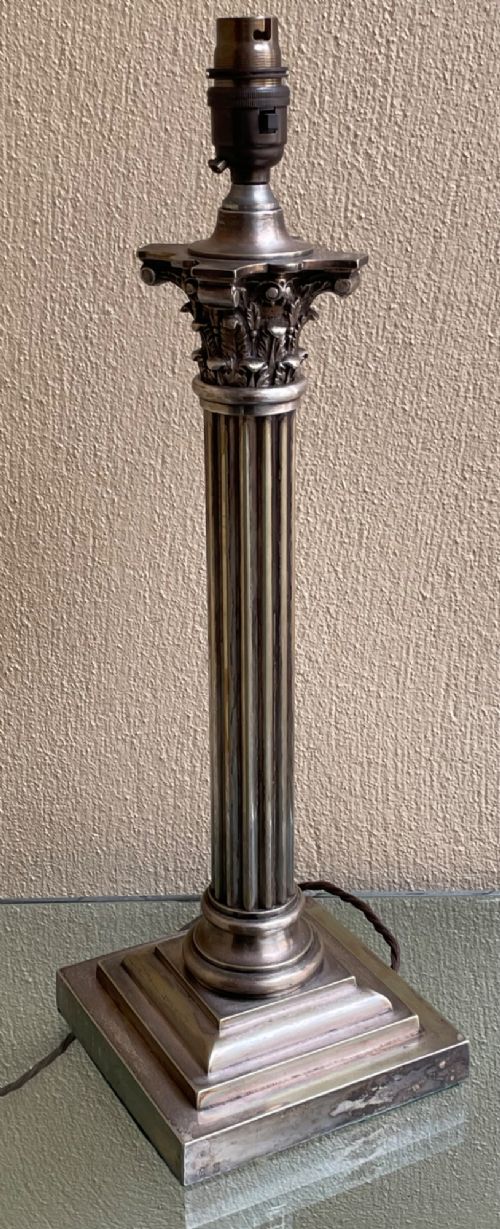
The refinement of the casting and the crispness of applied detail separate standard utility pieces from exceptional works. Heavy gauge metalwork, sharply rendered Corinthian capitals, and solid marble bases indicate superior initial manufacture.
Integrity of conversion work and the preservation of original plating or patination heavily influence the overall standard. Pieces retaining their factory stamps or maker markings command greater interest from collectors seeking documented provenance.
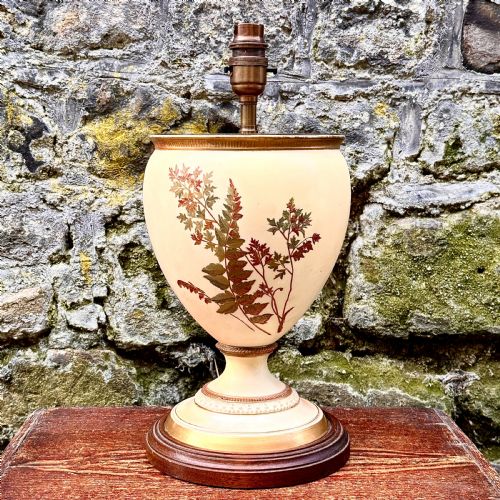
Faraday and Sons·Royal Worcester
The Classic Desk Lamp Glossary
- Tole
- Painted or lacquered sheet metal frequently utilised for lamp shades. It provides a durable surface that directs light downward onto a working area.
- Ormolu
- Gilt bronze produced by applying a finely ground high-carat gold-mercury amalgam to a bronze object. This technique imparts a rich golden finish seen on French decorative pieces.
- Corinthian column
- An architectural order featuring ornate capitals decorated with acanthus leaves. Many Victorian and Edwardian metal lamps adopt this column design for their stems.
- Bouillotte lamp
- A traditional French reading lamp comprising a central shaft, adjustable shade, and a basin base. They are typically rendered in brass or tole.
Classic Desk Lamp: Frequently Asked Questions
How do I safely clean antique brass lamps?
Dust the surface regularly with a soft, dry cloth to prevent grime accumulation. Avoid harsh chemical polishes that can strip the natural historical patina.
For stubborn residue, use a mild soap solution on a damp cloth, drying immediately afterwards with a lint-free towel.
Were all these lamps originally electric?
Many older specimens started life as oil lamps, candlesticks, or candelabra before conversion to electricity in the twentieth century. This practice repurposes historical metalwork for contemporary domestic use.
Evidence of conversion often appears in drilled bases or fitted brass threadings designed to secure modern lamp holders.
How can I identify a Victorian desk lamp?
Victorian examples frequently display heavy cast brass construction, classical architectural motifs like Corinthian columns, or ornate silver plating. Stylistic cues often align with the Gothic Revival or Neoclassical movements popular during the nineteenth century.
Maker stamps or registration marks stamped into the metal base can also confirm the manufacturing period.
What bulb type should I use?
Low-heat LED bulbs are recommended to protect fragile vintage shades made of fabric, painted tole, or delicate glass. These modern bulbs reduce thermal stress on nineteenth and early twentieth century materials.
Select warm white colour temperatures to replicate the softer glow originally produced by oil burners or early incandescent filaments.