

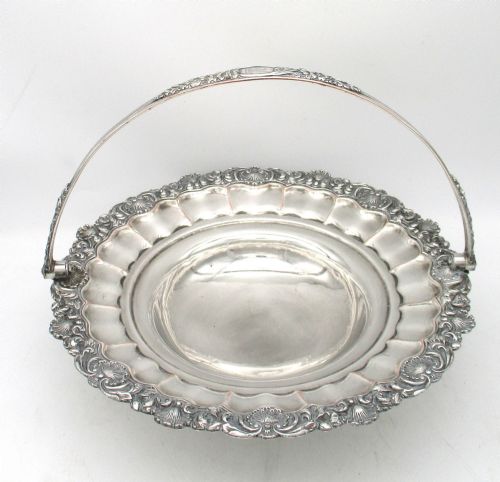


Vintage Silver Fruit Bowl
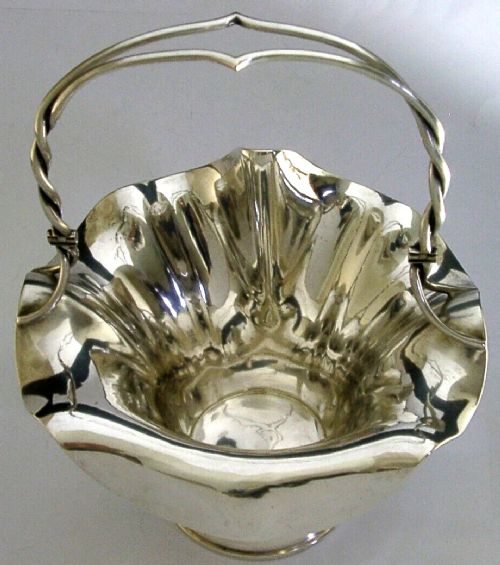
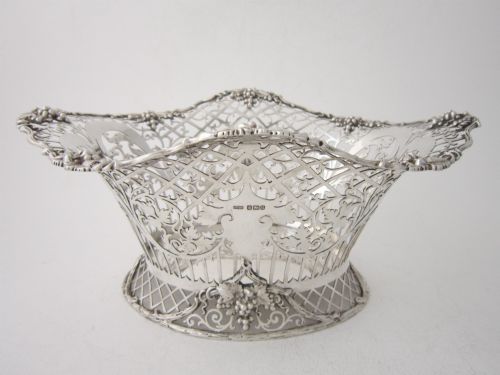
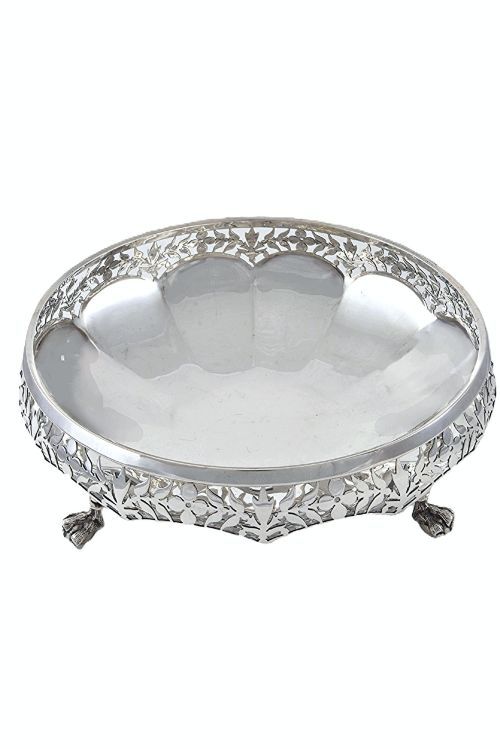
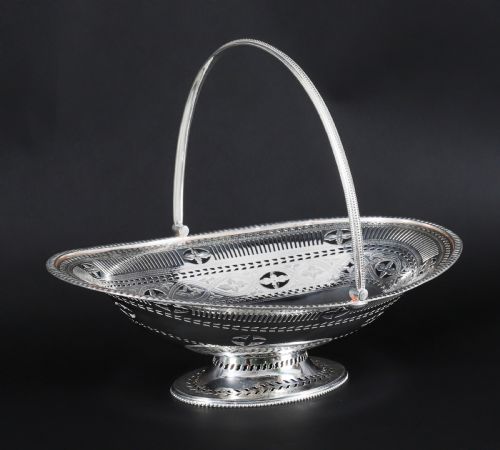
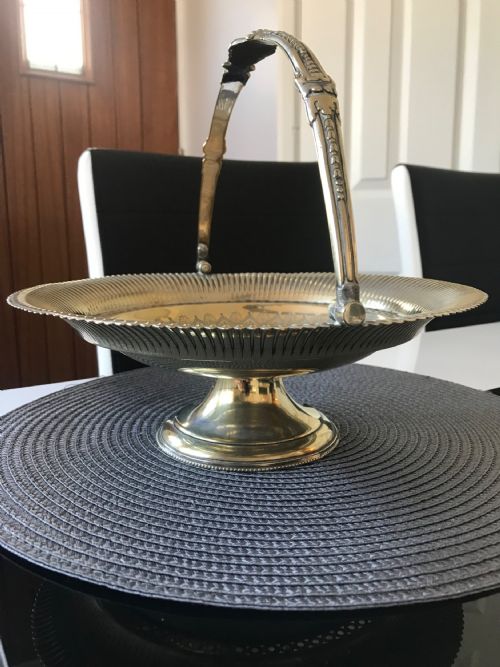
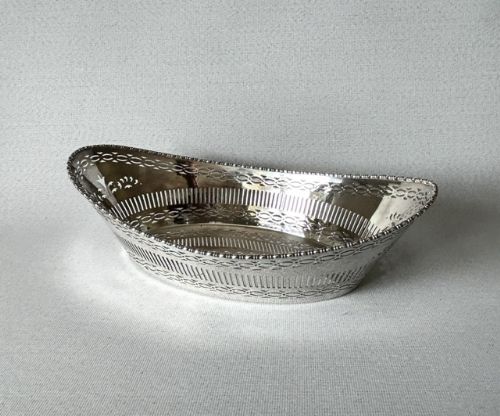
A vintage silver fruit bowl brings heavy metalwork and open wirework to the dining table.
Vintage Silver Fruit Bowl
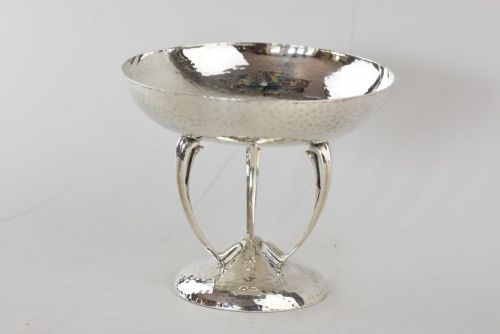
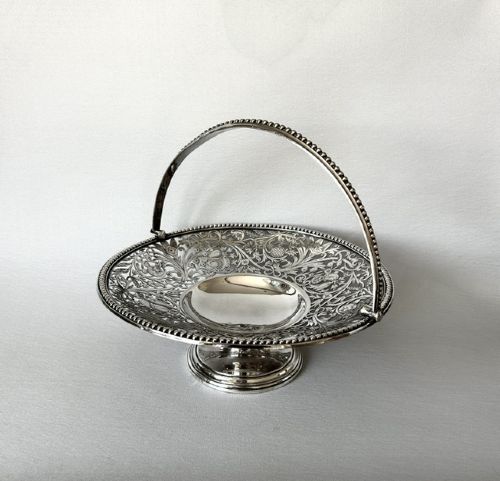
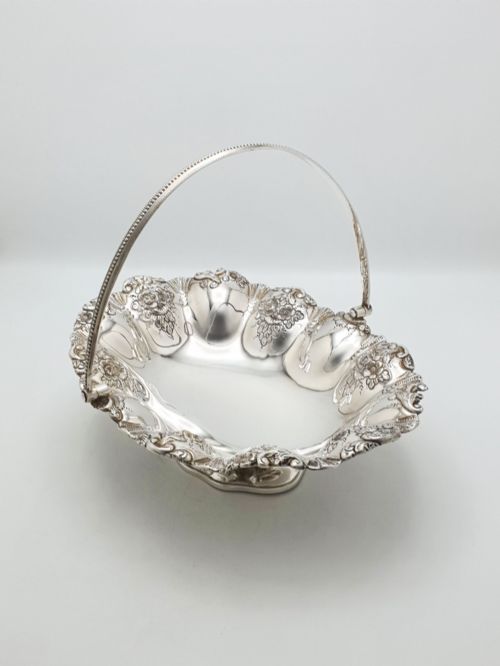
A vintage silver fruit bowl encompasses various forms including decorative baskets, handled centrepieces, pierced dishes, and heavy tazzas designed for the table. The pieces span from the mid nineteenth century through the Edwardian era and into the Art Deco period, capturing changing domestic fashions.
The selection ranges from substantial solid sterling silver vessels to silver plated copper, Old Sheffield Plate, pewter, brass, and mixed metal cairoware. Buyers frequently encounter swing-handle baskets from the Edwardian years alongside heavier Art Nouveau and Arts and Crafts creations.
Origins stretch from British makers in London, Sheffield, and Edinburgh to continental workshops in France and Germany, plus Anglo-Indian and Thai traditions. Each piece reflects the specific decorative vocabulary of its decade, whether floral repoussé, neo-classical symmetry, or geometric modernism.
Materials and Techniques
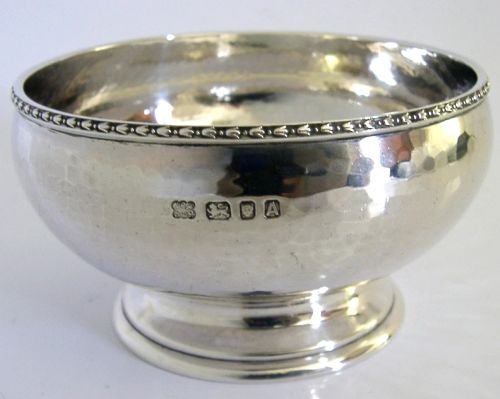
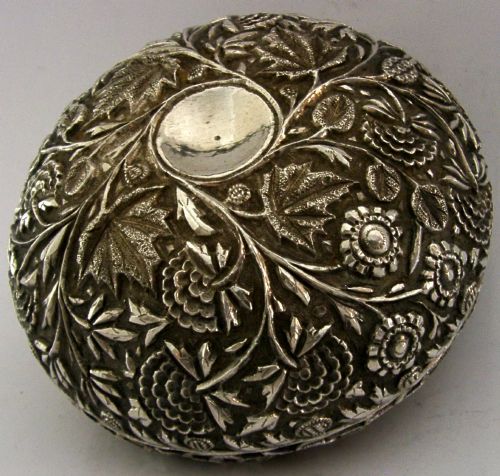
Silversmiths utilised sterling silver and silver plate over copper, forming vessels through spinning, casting, and piercing. Many pieces feature intricate hand-hammered surfaces known as planishing, creating a textured finish that catches the light.
Makers applied decorative techniques such as wirework, lattice piercing, and floral repoussé borders to achieve open, airy designs suitable for holding fruit. Mixed materials also appear, combining silver rims with glass liners, ceramic bodies, or carved oak mounts.
Art Nouveau and Arts and Crafts examples often display visible hand-worked details, while industrial methods produced precise neo-classical piercings and swing handles on silver plated frames during the Victorian and Edwardian periods.
Some Edwardian fruit bowls doubled as ice buckets, proving that hosts in the past enjoyed chilling their dessert.
Standards of Execution
Quality rests in the weight of the metal and the crispness of the hand-chased or hammered details. Thicker gauge silver and substantial plating withstand centuries of polishing without losing the underlying definition of the pattern.
Superior execution shows in the balance of the vessel, particularly in handled baskets and three-footed tazzas where stability matters. The integration of applied mounts, pierced lattices, and maker marks indicates superior workshop output.
Goldsmiths and Silversmiths Company·Hamilton & Inches·Mappin & Webb·Elkington & Co·Liberty & Co·Fenton·Tiffany & Co·WMF
The Vintage Silver Fruit Bowl Glossary
- Tazza
- A shallow bowl or dish mounted on a stem and foot, frequently utilised for serving fruit or small cakes.
- Repoussé
- A metalworking technique where the artisan hammers the design from the reverse side to form raised ornamentation on the front.
- Planished
- A surface finished by hammering with a small round-headed tool, leaving distinctive small facets across the metal.
- Old Sheffield Plated
- An early method of fusing a thin sheet of silver to a thicker copper base before rolling them together into sheets.
- Compote
- A deep dish on a stem used for serving fruit or compotes, appearing in silver, glass, and wirework.
Vintage Silver Fruit Bowl: Frequently Asked Questions
How were silver fruit bowls used?
These vessels sat centrally on dining tables to hold fresh fruit, bread, or decorative displays during formal meals.
Many featured swing handles to allow servants to pass them easily around the company.
What is the difference between solid silver and silver plate?
Solid silver contains a high proportion of pure silver throughout the entire vessel, hallmarked to guarantee its standard.
Silver plate consists of a base metal, such as copper or nickel silver, coated with a thin layer of exterior silver.
How do I date a silver bowl?
British pieces often carry hallmarks indicating the assay office, date letter, and maker's mark.
Stylistic clues such as floral repoussé for Edwardian items or geometric lines for Art Deco pieces also help establish the era.
How should I clean silver bowls?
Gentle washing in warm soapy water removes dust and oils from handling without harming the metal.
Specialist silver cloth should be used sparingly to avoid wearing away thin plating on older items.