




Vintage Silver Drinking Vessel
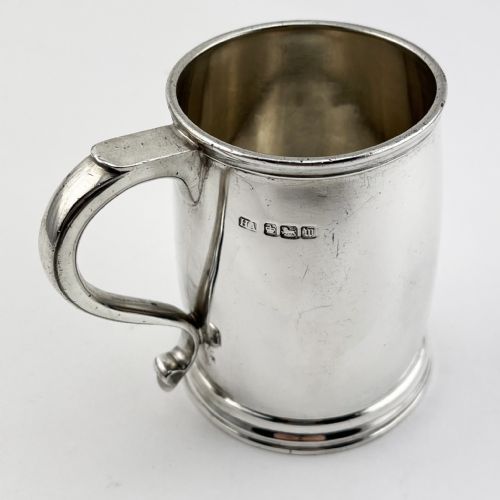
A vintage silver drinking vessel brings heft and history to a desk or bar, spanning plain eighteenth-century pints to art deco shakers.
Vintage Silver Drinking Vessel
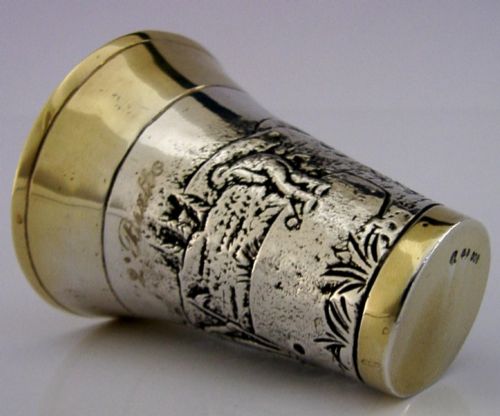
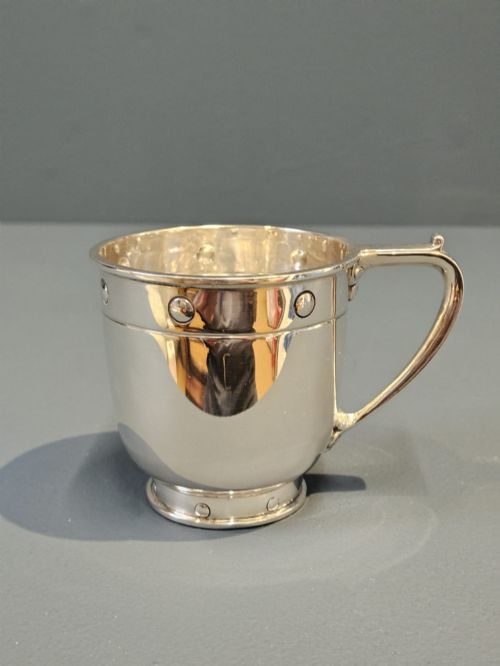
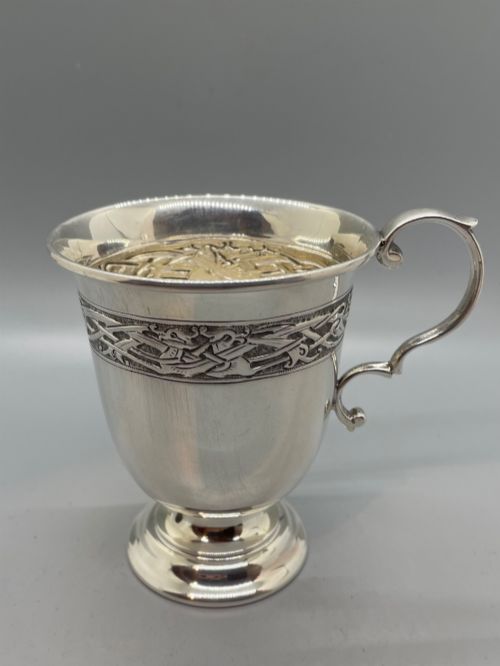
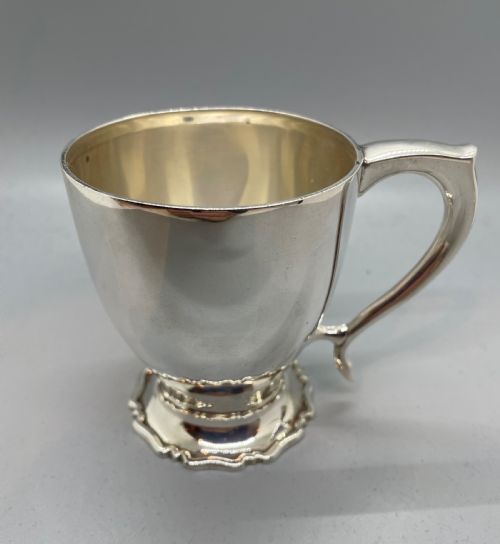
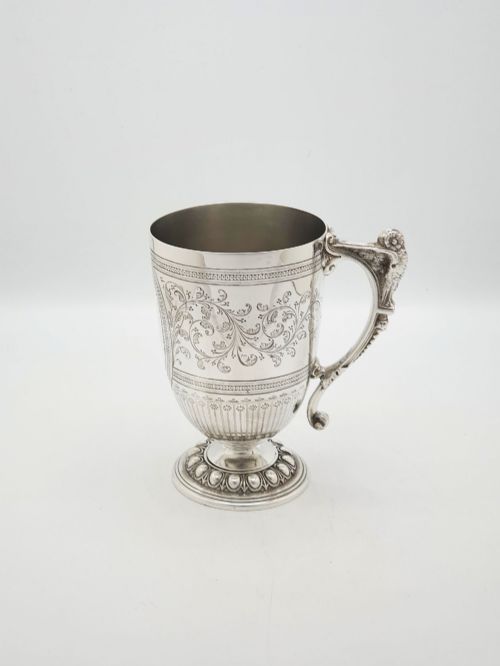
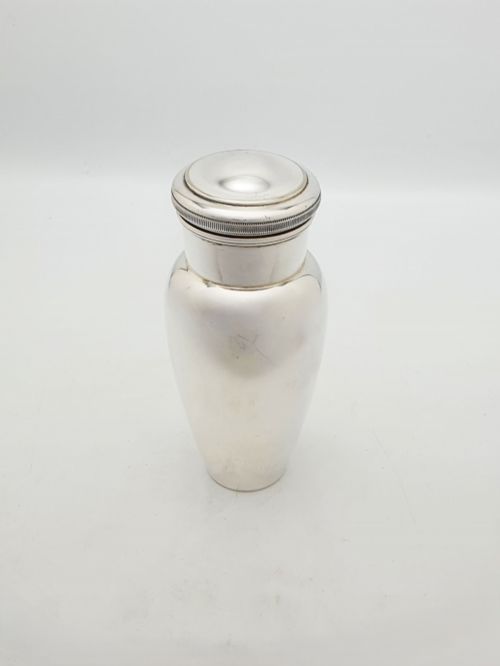
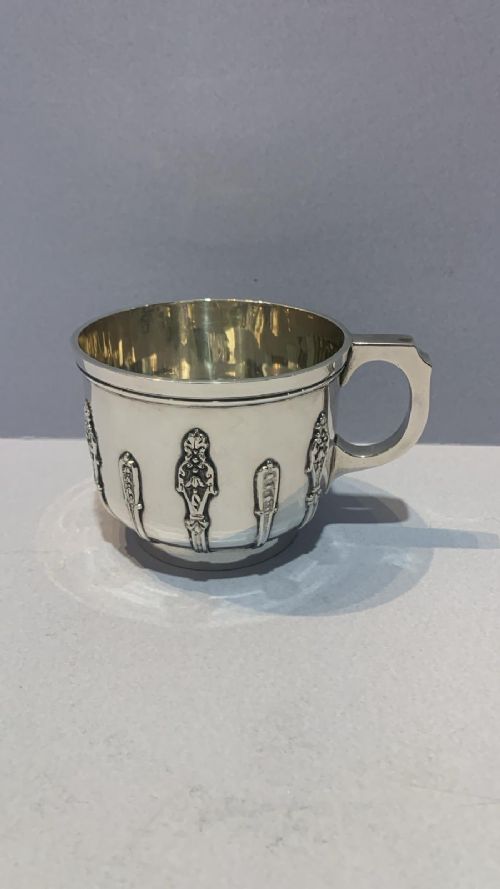
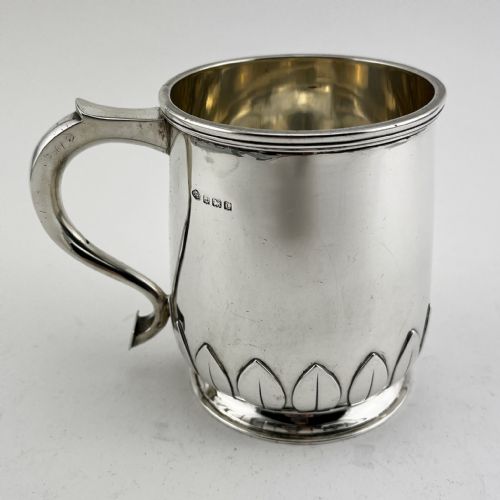
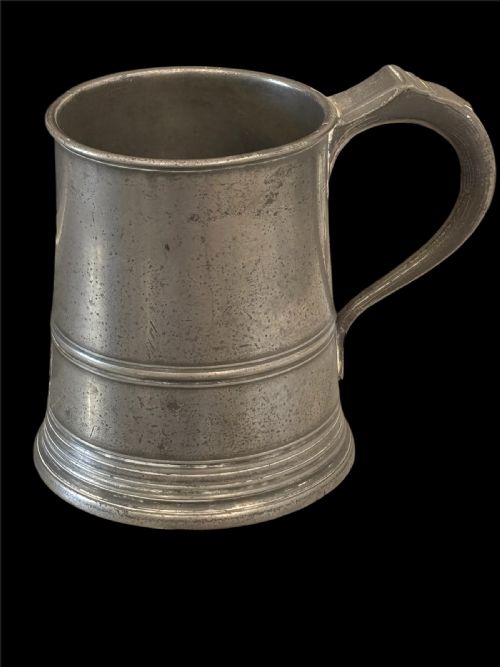
A vintage silver drinking vessel spans everything from sturdy eighteenth-century tankards and Georgian silver mugs to twentieth-century cocktail shakers and christening cups. These forms cross diverse styles like George V, Edwardian, and Victorian, taking shape in functional vessels designed for daily use or special commemoration.
The selection on this page relies heavily on sterling silver and silver plate, alongside variations in 800 silver, nickel silver, pewter, and cut glass. Pieces range from plain bodies to parcel-gilt finishes and figural handles, including specialty items such as bachelor cocktail shakers and wager cups.
How they were made
Many of these vessels utilise traditional silversmithing techniques, shaping solid sterling silver or silver plate into cylindrical tankards, mugs, and beakers. Makers employed methods like raising from a single sheet of metal and applying cast elements such as handles.
Details on specific pieces incorporate parcel-gilt interiors, cut glass bodies, and specialised additions like ice breakers in cocktail shakers. Anglo-Indian and continental European items demonstrate regional smithing traditions alongside standard British hallmarking practices.
Materials span sterling silver, silver plate, 800 silver, nickel silver, pewter, and cut glass across multiple centuries.
What varies in quality
Quality rests on the weight of the metal, the crispness of hallmarks, and the integrity of construction where handles join bodies. Solid sterling silver vessels with substantial gauge metal stand apart from plated alternatives through sheer material weight and durability.
Design ambition also divides the range, distinguishing plain utility mugs from exceptional figural pieces like owl-handled tankards or complex art deco cocktail shakers. The clarity of hand-chased decoration and the balance of form dictate the standing of each individual piece.
Barker Bros·Hukin & Heath·William Eaton
The Vintage Silver Drinking Vessel Glossary
- Sterling silver
- An alloy containing 92.5 percent silver by mass, forming the standard material for quality British drinking vessels.
- Tankard
- A tall, cylindrical drinking vessel with a single handle, frequently featuring a lid in older examples.
- Parcel-gilt
- A method where parts of a silver object, often the interior of a cup or mug, are coated in gold.
- Wager cup
- An antique double-cup used in historic drinking games where guests attempted to drink from both vessels without spilling.
- Old Sheffield plate
- An early form of plating created by fusing a thin sheet of silver to a copper base before fabrication.
Vintage Silver Drinking Vessel: Frequently Asked Questions
How do I clean a silver drinking vessel?
Wash the vessel gently in warm, soapy water using a soft cloth, avoiding harsh abrasive dips that strip natural patination. Dry thoroughly with a lint-free cloth to maintain the finish.
For stubborn tarnish, utilise a dedicated silver polish applied sparingly along the grain of the metal. Rinse completely and buff softly.
Can I drink from an antique silver mug?
Most solid sterling silver and silver-plated vessels remain entirely suitable for holding cool beverages. Ensure the interior is clean and free of old residues before use.
Avoid hot liquids in plated or fragile antique pieces to prevent stress on soldered joints. Acidic drinks should not be left sitting in the vessel for extended periods.
What is the difference between a tankard and a mug?
A tankard traditionally refers to a heavy, large drinking vessel that often includes a hinged lid for keeping contents covered. Mugs generally feature an open top and a sturdy handle for everyday use.
In older silver pieces, makers and contemporary retailers often use the terms interchangeably for cylindrical handled drinking vessels.
How do I identify the date of a silver vessel?
British pieces typically bear hallmarks stamped into the metal, indicating the assay office, maker, and a specific date letter code. Consulting standard hallmarking reference tables unlocks the exact year of production.
Pieces lacking full hallmarks rely on style, construction methods, and historical context to establish an approximate period of origin.