
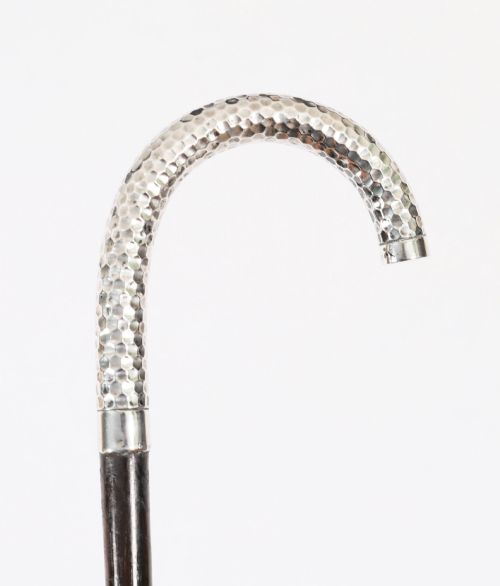
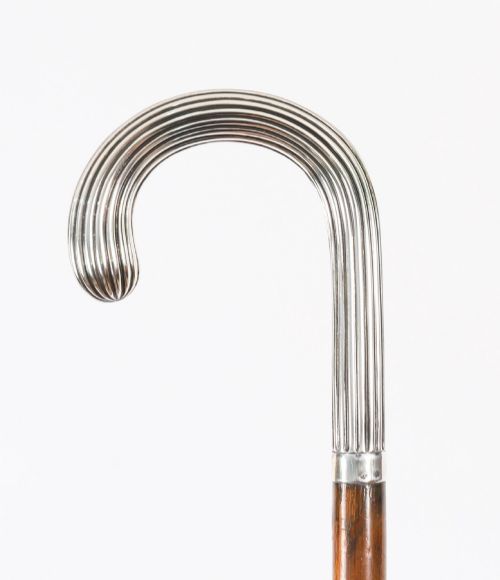
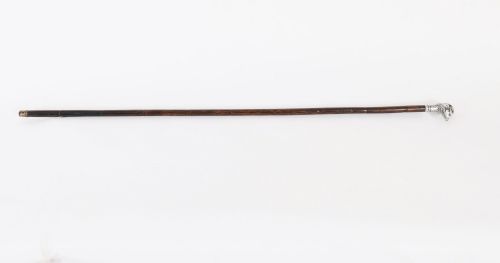
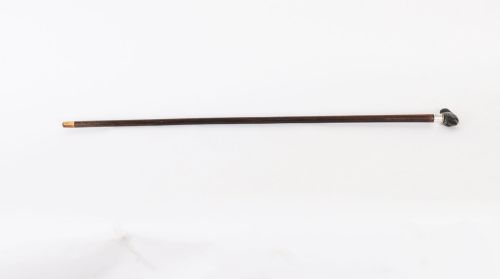
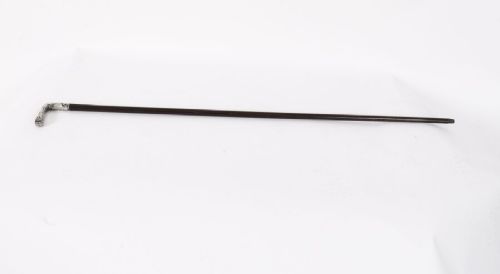
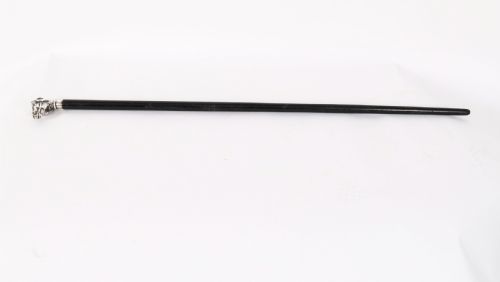
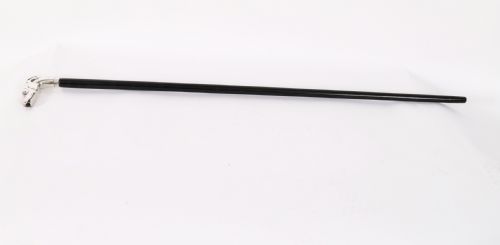
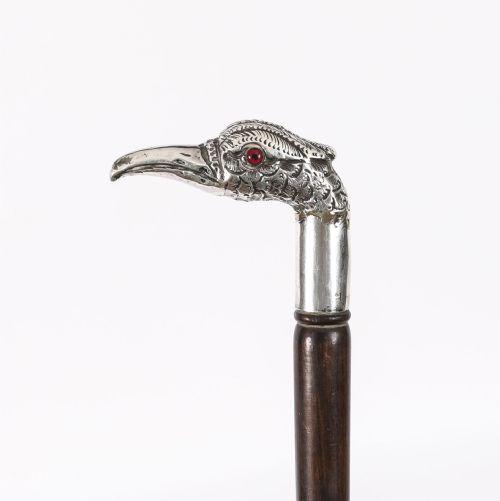
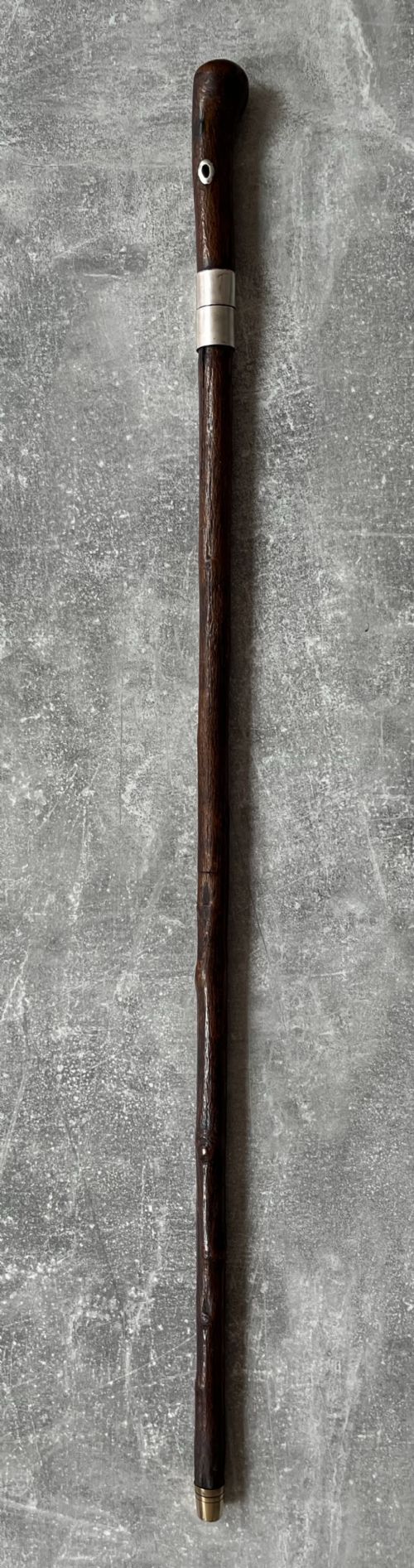
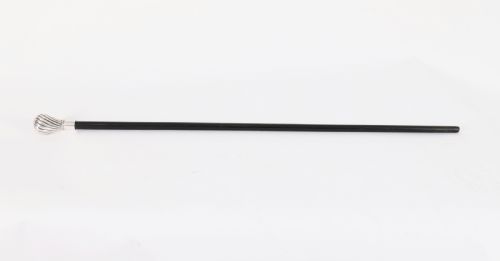


Vintage Silver Dress Cane
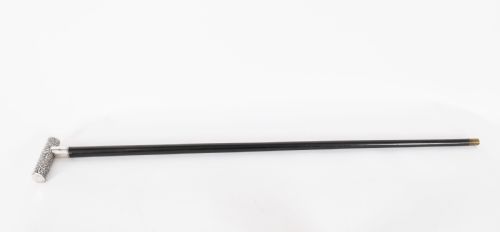
A vintage silver dress cane combines a precious metal mount with a slender shaft, carried for fashion rather than support.
Vintage Silver Dress Cane
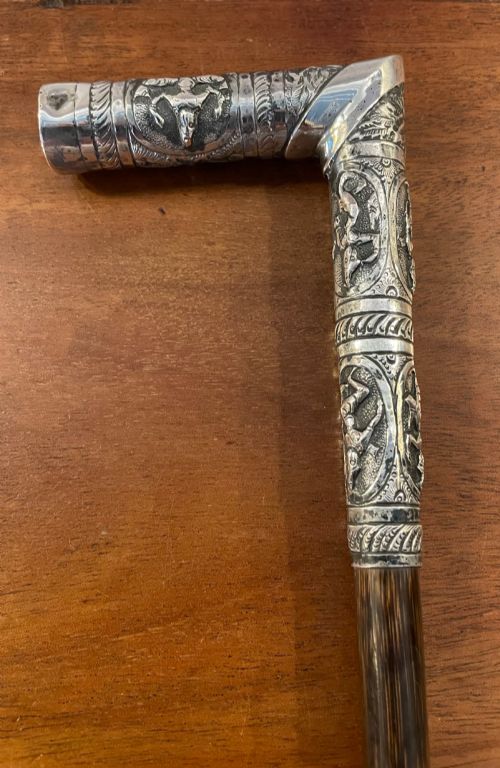
A vintage silver dress cane serves as a sophisticated accessory, featuring ornate metal handles mounted onto timber shafts. When exploring vintage silver dress cane options, expect to encounter Victorian, Edwardian, and Art Deco pieces spanning the nineteenth and early twentieth centuries. These items encompass walking sticks and novelty handles shaped as animals, birds, and golf clubs.
Continental, French, and Chinese export origins frequently appear alongside British examples, reflecting international demand for fashionable gentlemen's and ladies' accessories. Common handle motifs include ducks, greyhounds, horses, boars, and parrots, paired with shafts of ebonised wood, bamboo, snakewood, and palm wood.
Materials and construction methods
Makers fashioned handles from solid silver or silver plate, frequently employing repoussé and embossing techniques to shape detailed animal heads and floral patterns like prunus blossom. These metal tops were then secured to tapered wooden shafts using internal screws or adhesive.
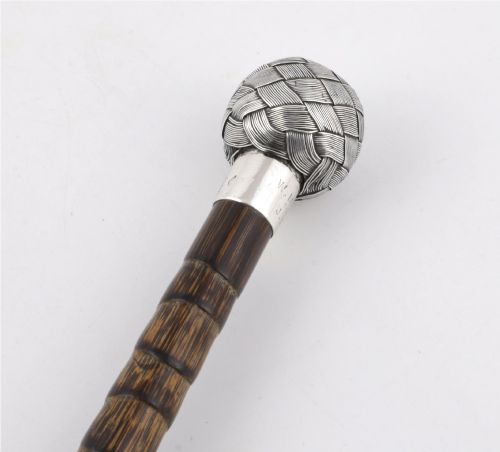
Shafts rely on dense natural materials including ebonised wood, bamboo, palm wood, and snakewood, selected for rigidity and grain. Certain pieces conceal steel blades within the timber, functioning as sword sticks.
Several Victorian gentlemen relied on silver-topped sticks that doubled as operational opera glasses or concealed swords.
Assessing craftsmanship and finish
The choice of shaft material also dictates grade, with exotic timbers like snakewood and palm wood commanding greater regard than standard painted hardwoods. Solid silver mounts demonstrate superior longevity compared to thin silver-plated alternatives.
The Vintage Silver Dress Cane Glossary
- Dress cane
- A lightweight walking stick intended for formal wear and social display rather than physical support.
- Repoussé
- A metalworking technique where the artisan hammers silver from the reverse side to form a raised design on the front.
- Ebonised wood
- Timber treated with a dark finish to imitate expensive ebony.
- Snakewood
- A dense tropical hardwood named for its mottled, snake-like dark markings.
- Sword stick
- A walking cane containing a concealed blade housed inside the wooden shaft.
Vintage Silver Dress Cane: Frequently Asked Questions
What is a dress cane?
A dress cane is a slender walking stick designed primarily for fashion and formal attire during the nineteenth and early twentieth centuries.
Unlike utility sticks meant for heavy walking support, these pieces emphasise decorative silver handles and polished wooden shafts.
How do I identify the period?
Dating relies on stylistic markers such as Victorian ornamentation, Edwardian elegance, or Art Deco geometric lines. Hallmarks stamped on the silver mount provide precise manufacturing years and assay locations.
Secondary clues include the choice of timber, fastening methods, and prevailing design motifs of French, Continental, or British origin.
What are novelty canes?
Novelty canes feature handles sculpted into specific shapes, including animals, birds, golf clubs, and human heads. Makers produced these whimsical designs to showcase metalworking skill and cater to personal tastes.
Popular subjects include ducks, greyhounds, boars, and parrots fashioned in embossed or cast silver.
Are sword sticks legal to own?
Sword sticks conceal a functional blade within the wooden shaft, historically serving as personal protection for gentlemen.
Ownership regulations vary by region, requiring buyers to check local laws concerning antique edged weapons before acquisition.