

Vintage Silver Decanter Stands
Vintage silver decanter stands bring order to the dining table, holding bottles and cruets securely while protecting polished surfaces from spills.
Vintage Silver Decanter Stands
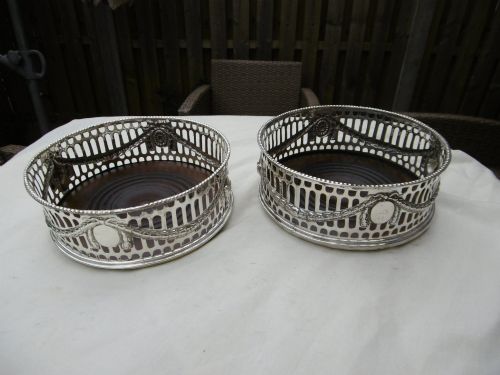
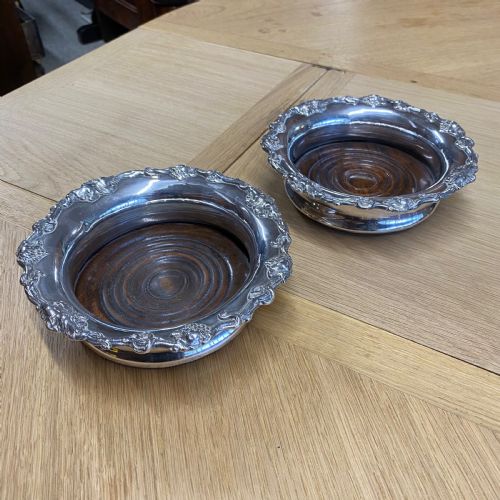
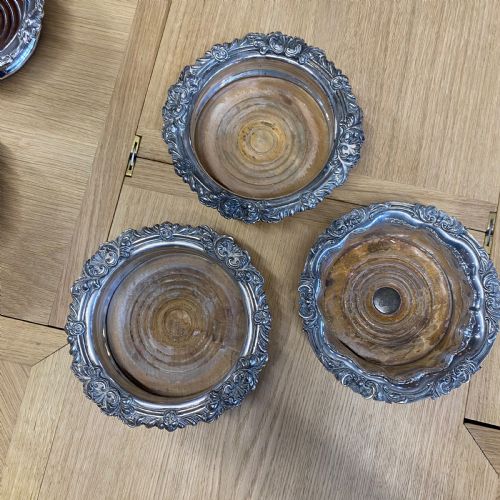
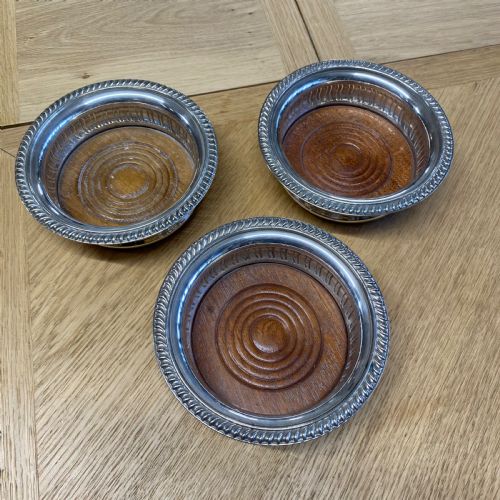
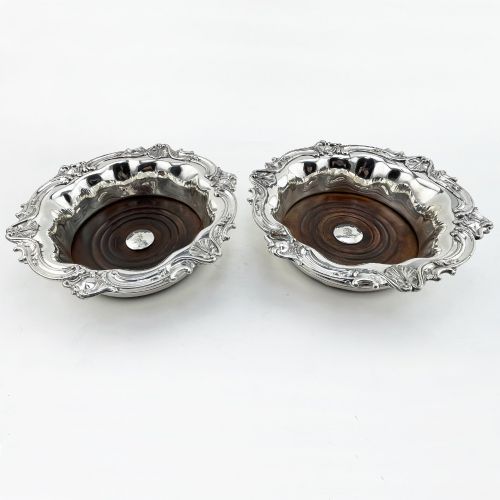
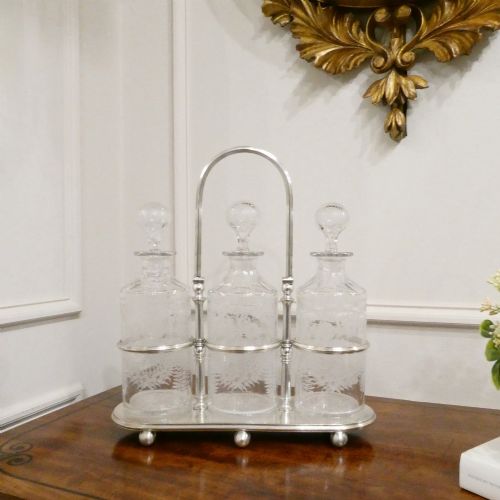
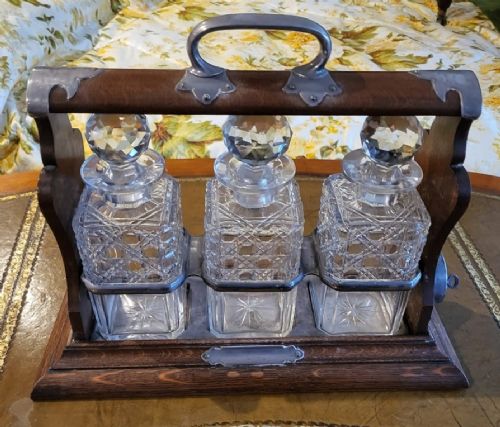
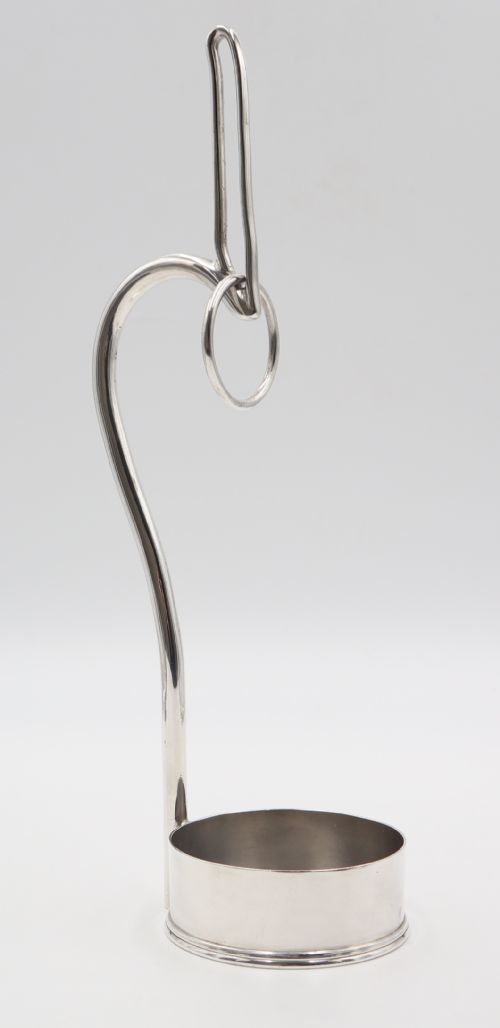
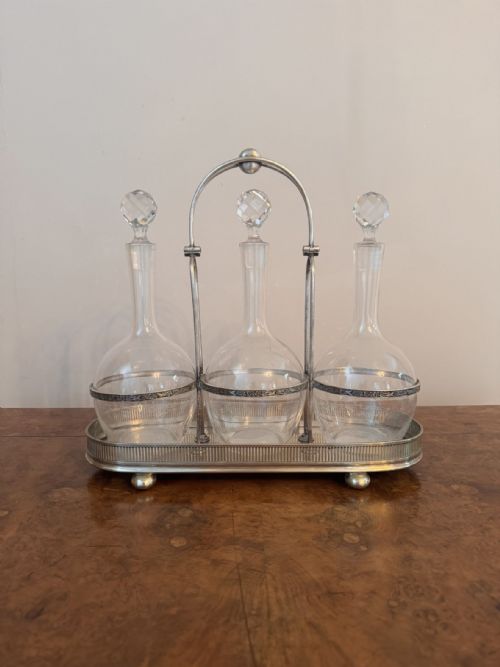
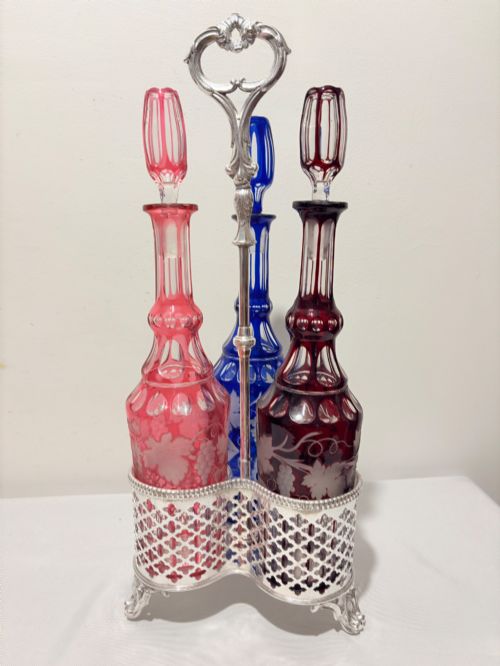
Vintage silver decanter stands encompass wine coasters, bottle holders, cruet sets, and locking tantalus frames designed to hold glassware securely. When searching for vintage silver decanter stands, buyers encounter items ranging from single coasters to multi-bottle frames spanning the Georgian, Victorian, and Edwardian periods.
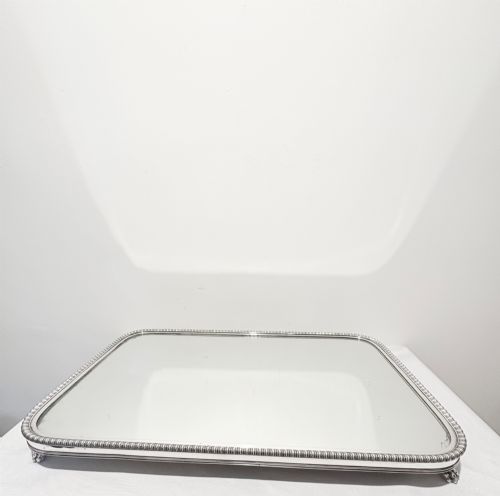
The forms on this page include mirror plateaus, silver-plated frames, and wood-based stands fitted with cut glass decanters or cruet bottles. Most examples rely on silver plate or Old Sheffield Plate, alongside solid sterling silver pieces from makers such as Matthew Boulton and John Rowbotham.
How they were made
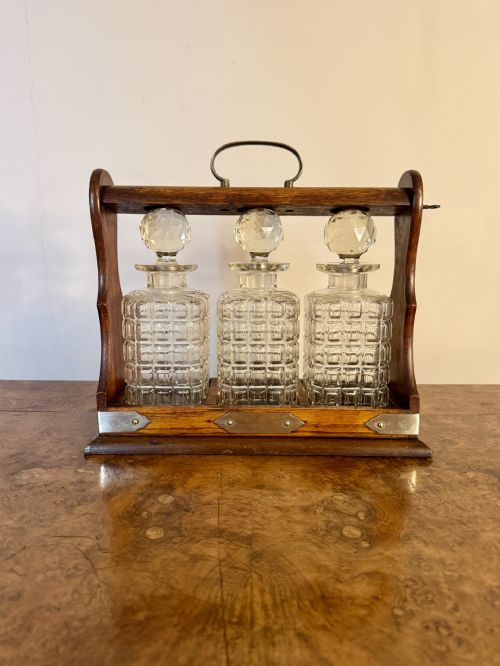
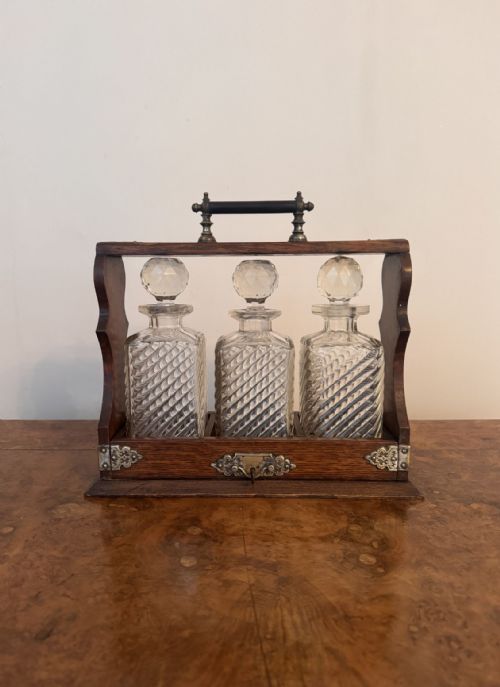
Silversmiths and manufacturers utilised methods such as silver plating over copper, Old Sheffield Plate fusing techniques, and solid sterling silver casting. Oak, mahogany, and coromandel timbers provided sturdy bases for multi-bottle tantalus frames and cruet sets.
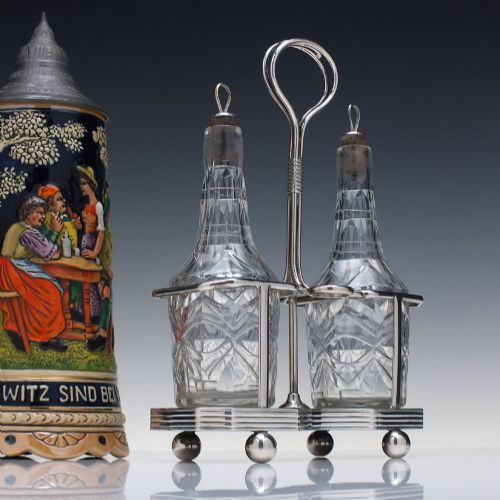
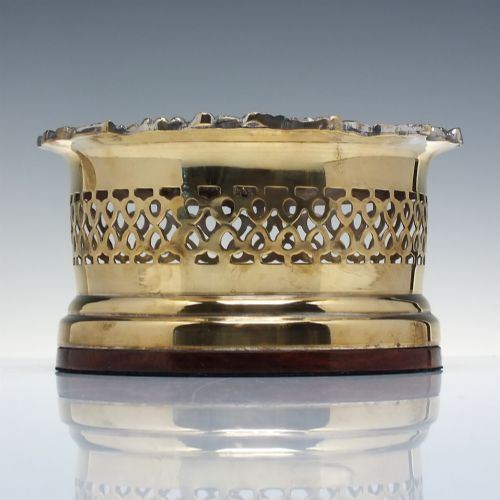
Cut glass decanters and bottles were frequently paired with metal stands, often featuring chased or pierced galleries and turned wooden inserts with central button roundels.
Vintage Silver Decanter Stands Retail Price Guide 2026
Typical asking prices for vintage silver decanter stands among the pieces listed under this phrase on Sellingantiques today, from the lower quarter to the upper quarter. They describe what is for sale here now, not the wider market.
The listings feature silver plate, solid sterling silver, cut glass, oak, mahogany, and coromandel across the Victorian and Edwardian periods.
What varies in quality
The distinction between standard production items and finer examples rests upon the crispness of chased decoration, the weight of the silver or plate, and the integrity of any fitted wood. Solid sterling silver and early Old Sheffield Plate exhibit superior metalwork compared to later mass-produced plating.
Original matching cut glass decanters paired with their correct frames elevate an object's integrity, whereas later replacement bottles or mismatched cruet inserts alter the original ensemble.
John Rowbotham·Lee & Wigfull·Walker & Hall·Betjemann·Brook & Son·Elkington·Asprey·Matthew Boulton
The Vintage Silver Decanter Stands Glossary
- Tantalus
- A locking drink stand that secures decanters behind a metal bar to prevent unauthorized access while displaying the bottles.
- Old Sheffield Plate
- A fused composite material made by melting a sheet of silver onto a thicker copper base before rolling them together.
- Cruet set
- A matched collection of glass bottles designed for holding condiments, oils, or vinegars, fitted within a dedicated metal frame.
- Mirror plateau
- A mirrored tabletop base bounded by a decorative metal gallery, originally used to reflect candlelight and support decanters.
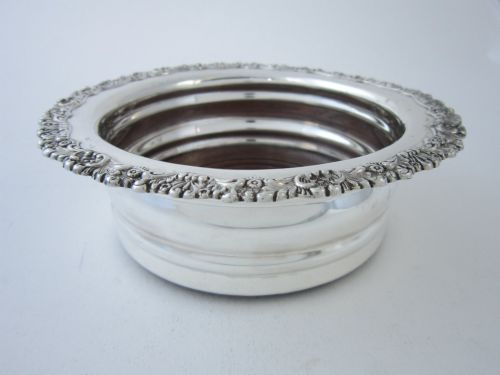
- Coaster
- A small circular tray or stand intended to hold a wine bottle or decanter and protect the dining table from moisture.
Vintage Silver Decanter Stands: Frequently Asked Questions
What is a decanter stand?
A decanter stand is a supportive holder or frame designed to keep wine bottles, decanters, or cruets upright on a dining table or sideboard.
These pieces protect wood surfaces from condensation rings and allow drinks to be passed smoothly around the table during a meal.
What is Old Sheffield Plate?
Old Sheffield Plate is an early form of plating created by fusing a thin layer of silver to a copper core through heat and pressure.
Pieces made this way often reveal faint hints of copper showing through the silver layer along high-wear edges, marking their age.
How do I care for silver plate?
Silver plate requires gentle cleaning with a non-abrasive silver polish and a soft cloth to preserve the thin metallic surface.
Avoid soaking wooden bases or frames in water, as moisture can warp oak or mahogany and damage internal linings.