






Vintage Silver Casket
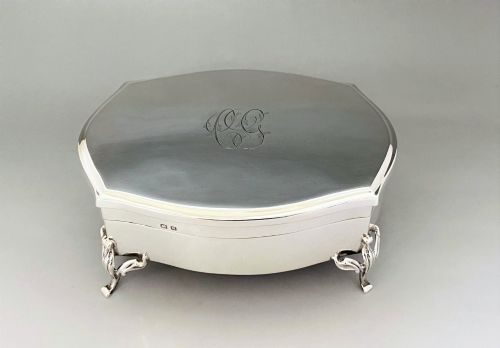
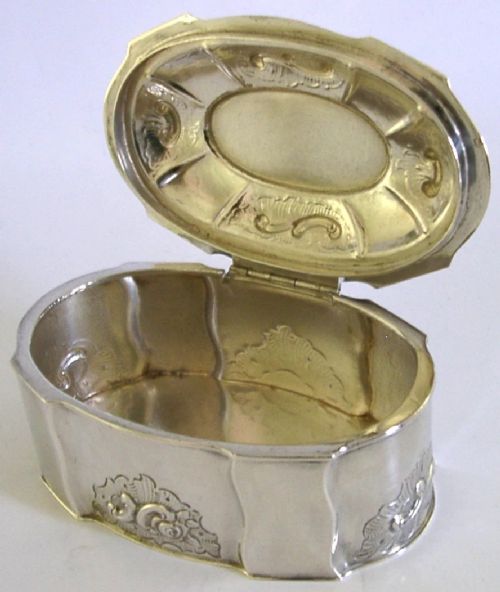
A vintage silver casket holds small treasures on a dressing table, combining solid metal or plate with glass, wood, or tortoiseshell.
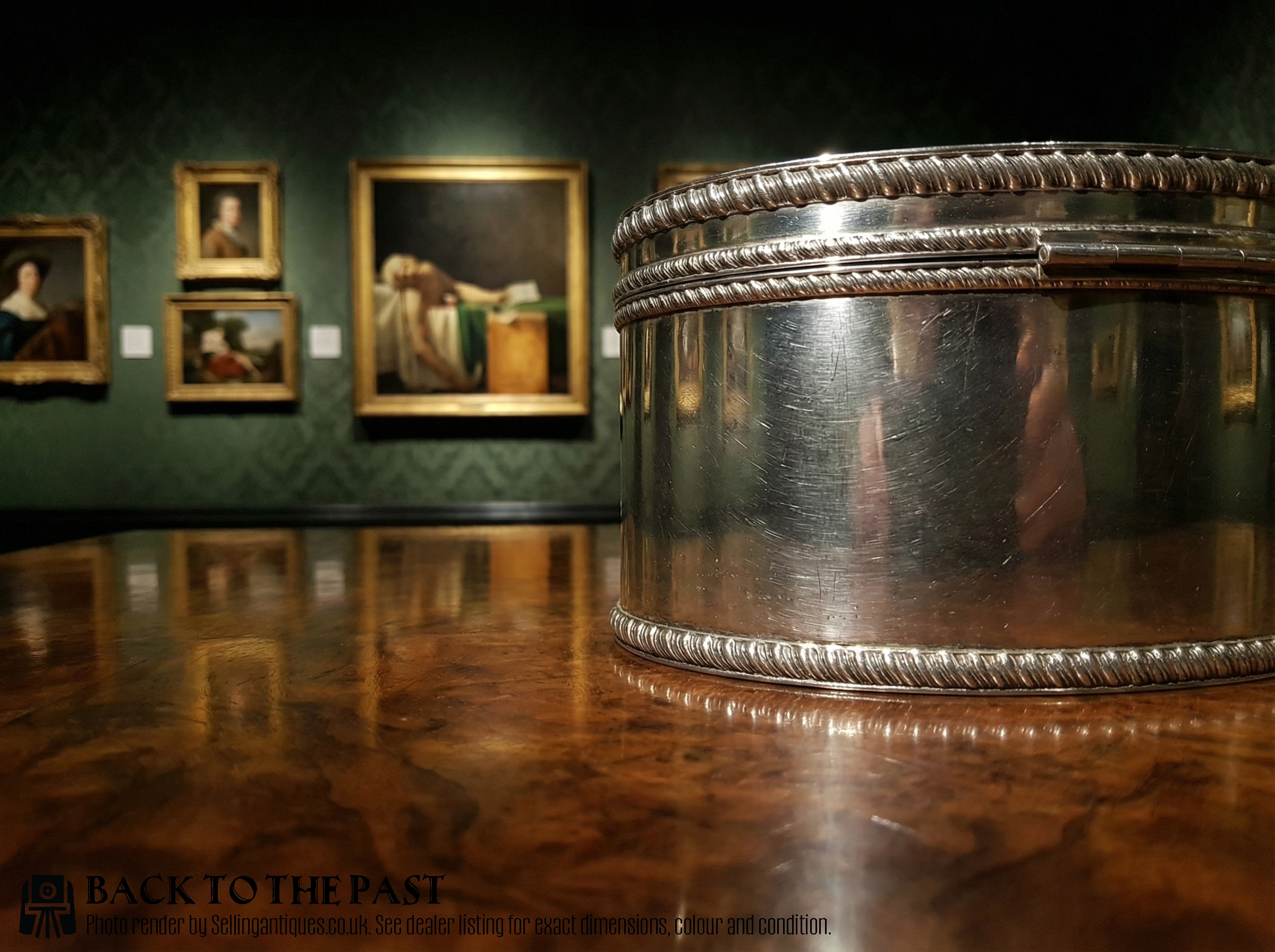
Vintage Silver Casket
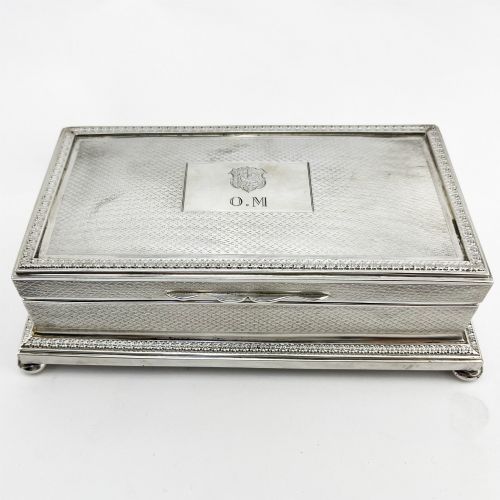
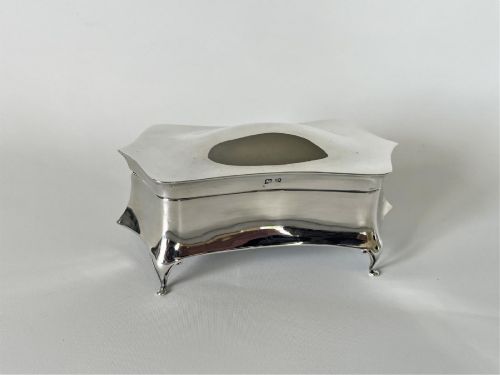
When you search for a vintage silver casket, you encounter various lidded containers designed to hold jewellery, trinkets, cigarettes, or small desk accessories. The selection spans from compact Edwardian and George V trinket boxes to substantial Art Deco dressing table pieces.
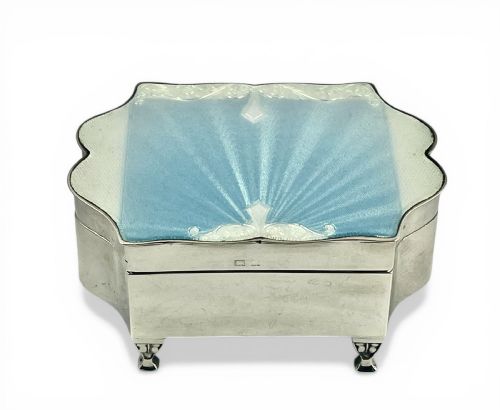
The forms range widely across periods and origins, including English silver boxes, continental work, and export silver from Asia. Many examples combine silver with contrasting materials such as tortoiseshell, enamel, or glass.
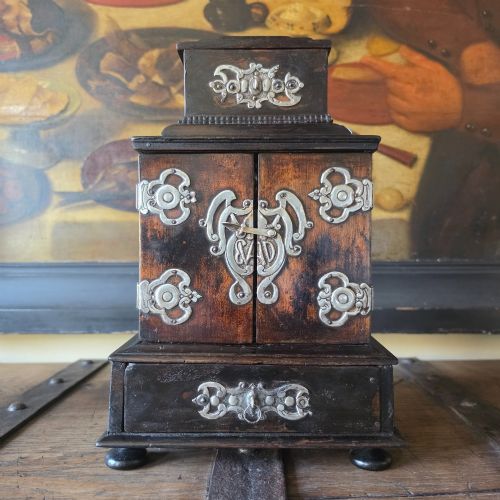
You are most likely to meet pieces produced during the early twentieth century, alongside Victorian items and occasional eighteenth-century cabinets. These boxes served functional roles on dressing tables and desks before becoming decorative collectors' items.
How they were made
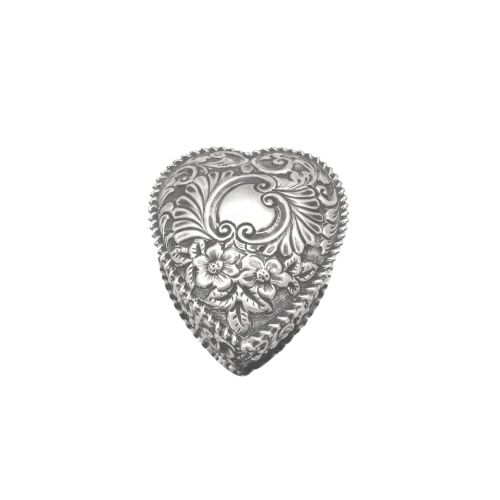
Many boxes rely on a core structure of sterling silver or silver plate formed into hinged caskets and trinket boxes. Metalwork techniques involve piercing, engraving with floral scrolls, or hand-beating pewter and silver.
Craftsmen frequently integrated organic and mineral materials into the metal framework. Tortoiseshell, blue enamel, cut glass, ivory, porcelain, and exotic woods like satinwood or oak form the lids and body panels of these containers.
Listings include materials such as sterling silver, tortoiseshell, glass, enamel, and wood across various historical periods.
What varies in quality
The calibre of a piece rests heavily on the weight of the silver used and the crispness of its decoration. Heavier solid metal constructions separate superior dressing table boxes from lighter plated alternatives.
Execution of secondary materials also dictates the standard of the work. Finely detailed enamel panels, precise silver mounts on tortoiseshell, and intact cut glass bodies elevate the status of an item.
Mappin & Webb·Wang Hing & Co·Posen of Frankfurt and Berlin·A & J Zimmerman Ltd·William Neale & Sons·Deakin & Francis·Gotthilf Jaeger
The Vintage Silver Casket Glossary
- Sterling silver
- An alloy containing 92.5 percent silver by mass, with other metals added for durability. This standard appears frequently in British boxes.
- Trinket box
- A small lidded container meant for holding rings, pins, or minor valuables. These objects sit typically on dressing tables.
- Tortoiseshell
- The mottled brown and yellow shell of certain sea turtles, used historically to veneer or inlay box lids. It provides a rich contrast to polished silver mounts.
- Niello
- A black metallic alloy used as an inlay on engraved metal surfaces. It creates dark contrasts against a silver background.
- Pandan
- A traditional Asian box used for holding betel leaf preparations or spices. These items often feature ornate handmade silver repousse decoration.
Vintage Silver Casket: Frequently Asked Questions
What fits inside a trinket box?
These containers suit small personal items such as rings, cufflinks, brooches, and loose pins. Their interiors often feature velvet or silk linings to protect delicate objects.
Larger caskets accommodate slightly bulkier items, including pocket watches, folded papers, or small cosmetics.
How do I date a silver box?
British pieces typically bear hallmarks that indicate the assay office, the maker, and the exact year of production. Examining these stamps provides a reliable chronology for Edwardian and later items.
Stylistic cues, such as geometric Art Deco lines or floral Edwardian scrolls, help narrow down the period when hallmarks are absent or foreign.
Were these boxes used for tobacco?
Many lidded containers from the early twentieth century served specifically as cigarette or cigar boxes. These often feature cedar linings designed to preserve tobacco moisture.
Other boxes double as card boxes or general desktop containers, reflecting the varied social habits of the eras in which they were made.
How do I clean tortoiseshell and silver?
Silver components benefit from gentle polishing with a soft cloth to avoid abrasive contact with adjacent materials. Care must be taken not to let polish touch vulnerable surfaces like tortoiseshell or enamel.
Tortoiseshell requires only a dry or slightly damp cloth to remove dust, avoiding harsh chemical immersion that might degrade the organic shell.