


Antique Trinket Container
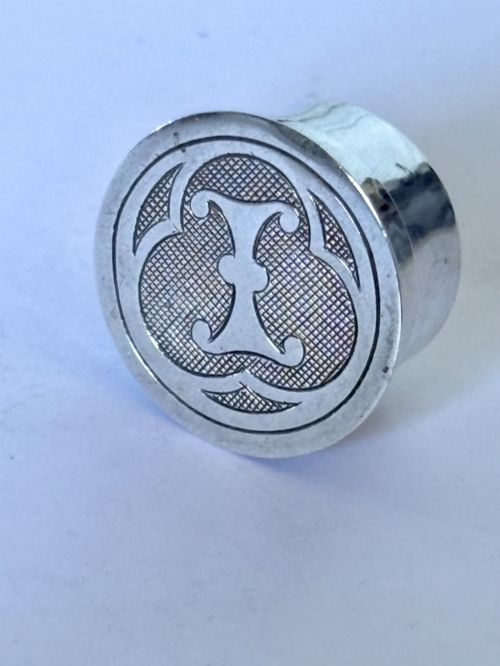
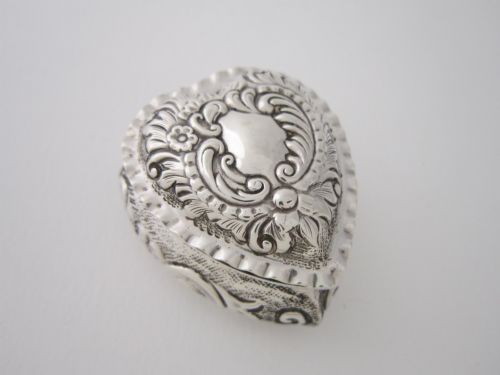
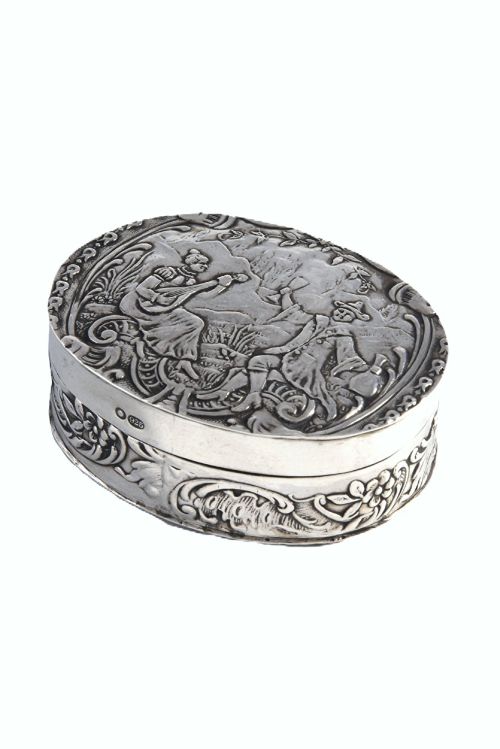
An antique trinket container spans from small silver pill boxes to substantial dressing table vessels crafted for personal use.
Antique Trinket Container
When searching for an antique trinket container, buyers encounter a diverse selection of small vessels intended for personal items, snuff, tea, or jewellery. The material evidence shows pieces originating across the Georgian, Victorian, and Edwardian periods, stretching into the early twentieth century.
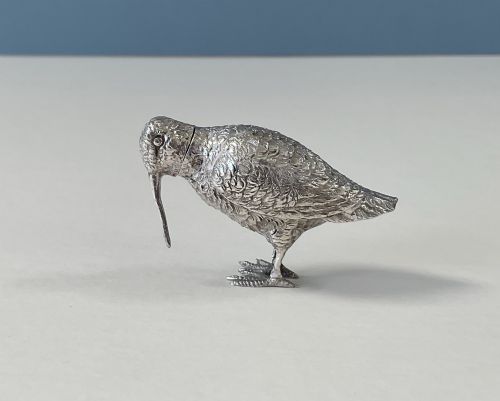
The most frequent forms on this page include sterling silver snuff boxes, vanity pots, pill boxes, and larger dressing table containers. Examples range from simple nineteenth-century wood and horn boxes to ornate solid silver and enamel creations.
Geographic origins vary widely among the listings, encompassing English provincial makers, continental European workshops, and Indian or Ottoman silversmiths. Buyers also find glass, porcelain, and crystal boxes alongside traditional metalware.
Materials and Construction
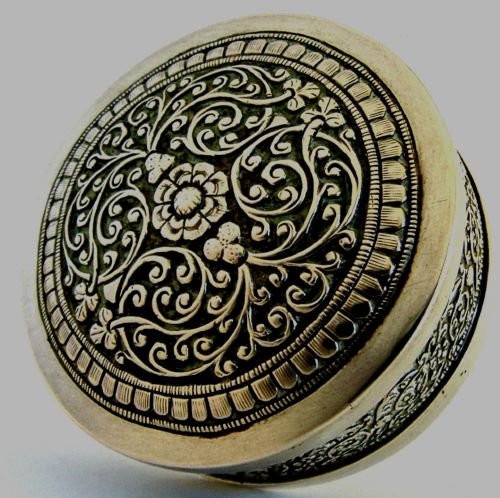
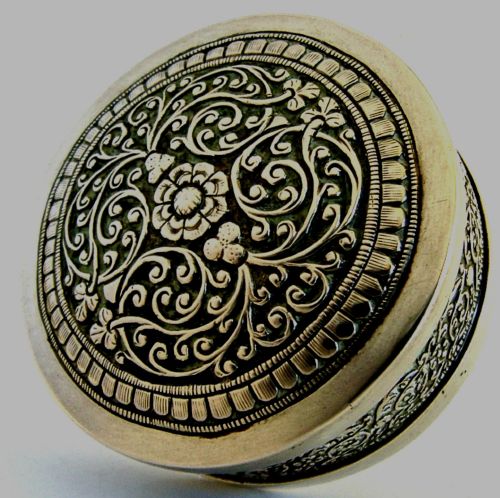
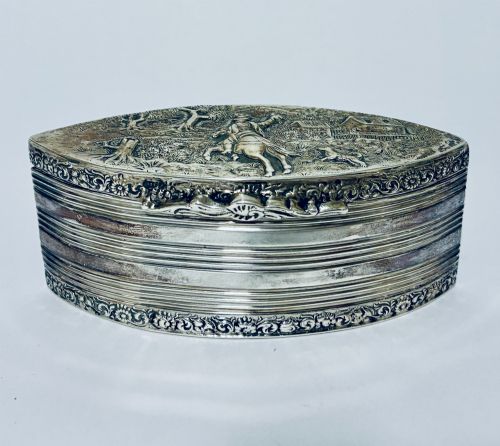
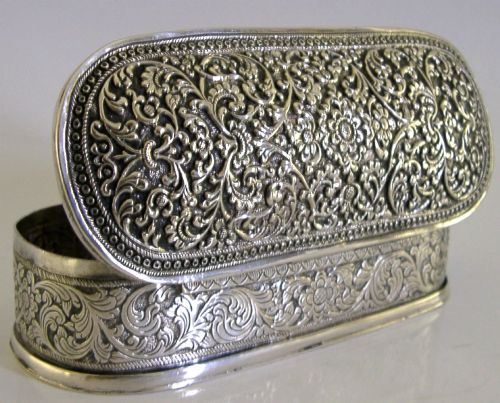
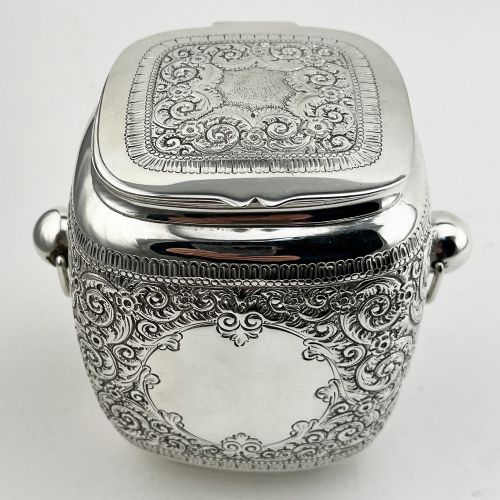
Silversmiths constructed many of these containers using sterling silver, solid silver, and silver plate, often employing techniques such as casting, repoussé, and detailed hand engraving. Assay office marks frequently appear on British items to indicate the year and place of testing.
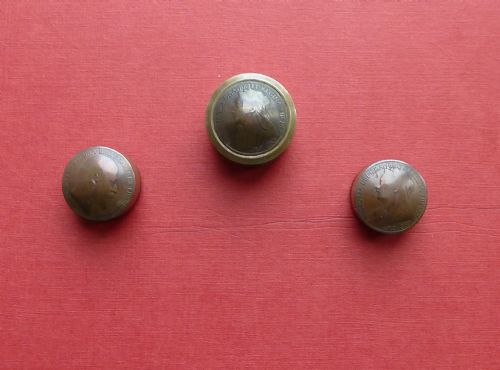
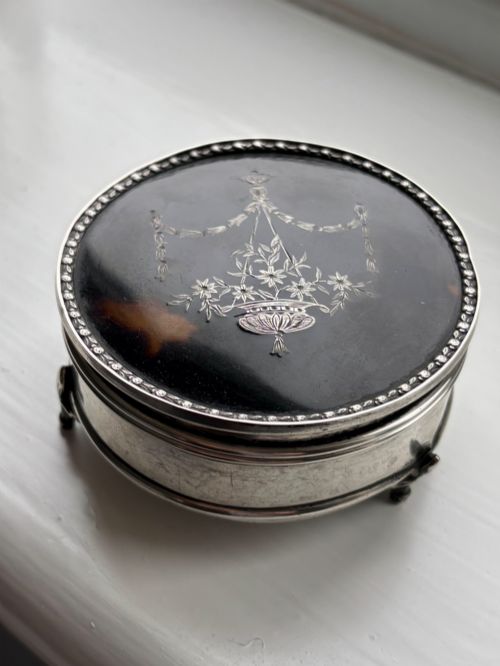
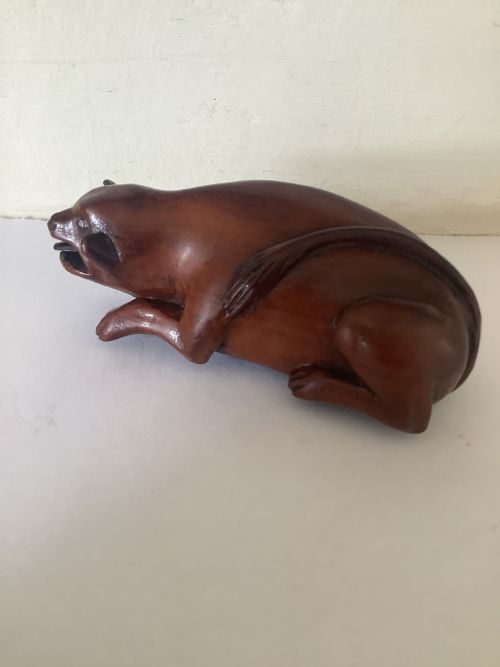
Makers integrated organic and decorative elements including mother of pearl, tortoise shell, enamel, abalone shell, and frosted glass into brass, bronze, and silver frameworks. Wood and horn boxes relied on naive carving and fitted joints rather than precious metal hinges.
One brass snuff box bears the robustly practical engraving of Richard Russell, boiler maker.
Judging Quality
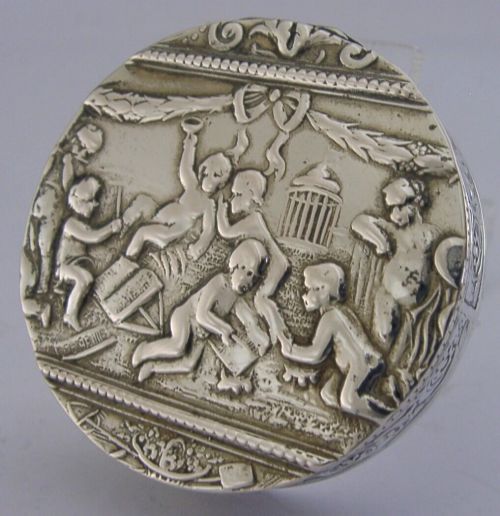
Quality in these containers rests on the crispness of the chasing, the weight of the metal, and the precision with which lids close against their bases. Heavier solid silver examples and pieces featuring intricate figural scenes or specialised materials demonstrate superior manufacturing effort.
The integration of secondary materials, such as tortoiseshell pique work or hand-painted enamel, dictates the refinement of the object. Maker attribution and clear hallmarks further distinguish standard utility items from high-workshop production.
Ollivant and Botsford·Martin Hall and Co·Paul Storr·Walker and Hall·Asprey and Co
The Antique Trinket Container Glossary
- Hallmark
- Official stamps applied to precious metals indicating the maker, purity, assay office, and year of manufacture. These marks allow collectors to date silver containers precisely.
- Repoussé
- A metalworking technique where the artisan hammers the design from the reverse side to form a raised relief on the front. This method creates decorative panels on many nineteenth-century boxes.
- Pique work
- The process of embedding tiny gold or silver pins into tortoiseshell or ivory to form delicate patterns. It appears frequently on Edwardian dressing table boxes.
- Tea caddy
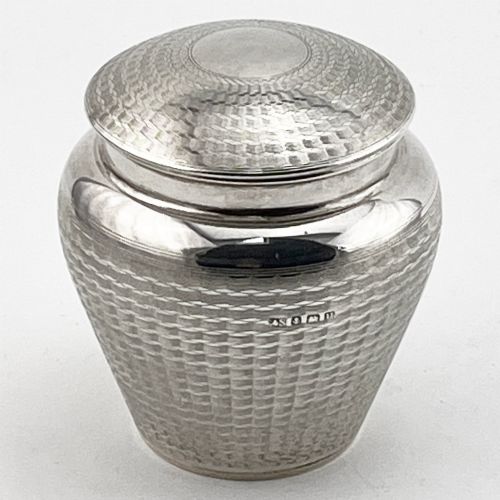
- A small container originally designed to store loose tea leaves securely before widespread packaging. Many surviving examples double as general trinket boxes today.
- Pyx
- A small round container historically used to carry sacramental bread, adapted in secular contexts as a diminutive pocket box.
Antique Trinket Container: Frequently Asked Questions
How do I identify a Georgian snuff box?
Georgian snuff boxes typically display heavier gauges of silver, hand-engraved scripts, or early cast ornamentation from the eighteenth and early nineteenth centuries. Their hinges and clasps reflect manual construction methods.
Checking for town marks and monarch duty marks helps confirm the production period.
Are all silver trinket containers solid silver?
Listings divide between solid sterling silver, weighted pieces, and silver plate over base metals. Hallmarks stamped directly on the metal clarify the precise composition.
Silver plated items utilise a thin coating over materials like brass or copper rather than solid precious metal throughout.
What were small antique pill boxes used for?
Diminutive pill boxes served personal medical needs or carried breath-freshening comfits in pockets and reticules. Their small scale required miniature hinges and secure snap closures.
Materials ranged from simple turned wood and horn to sterling silver and enamel.