


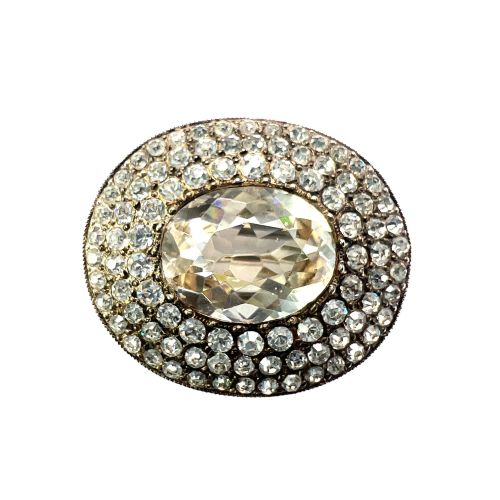
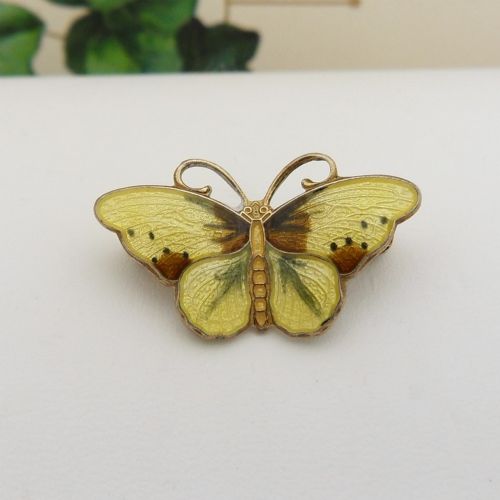
Vintage Silver Brooch
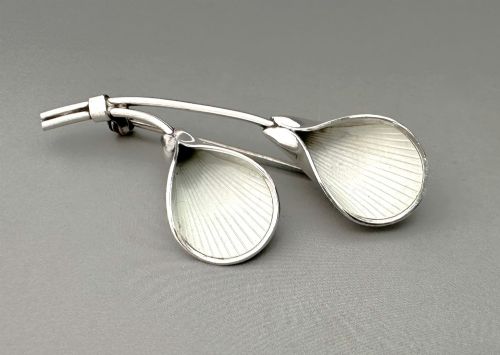
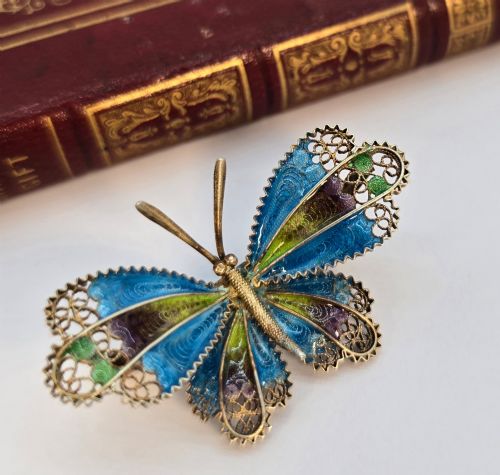
These vintage silver brooch pieces span Edwardian bow designs to Victorian crescent paste work and mid-century Scandinavian enamel.
Vintage Silver Brooch
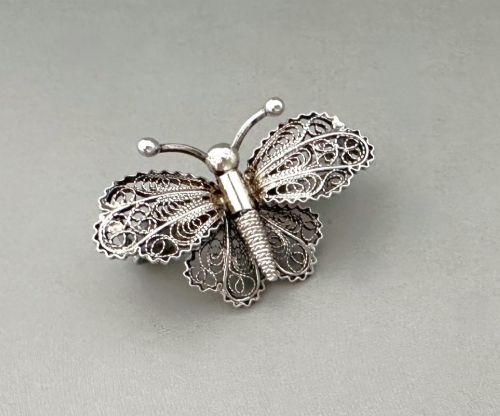
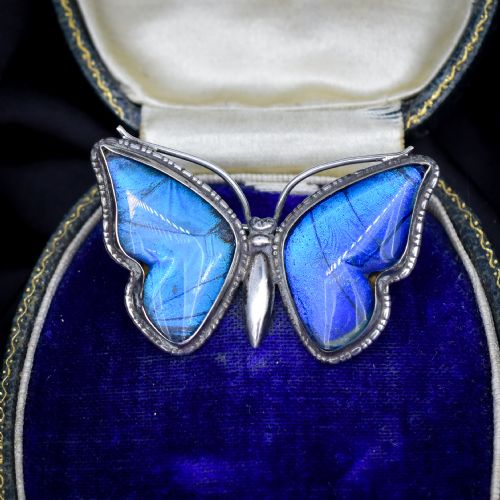
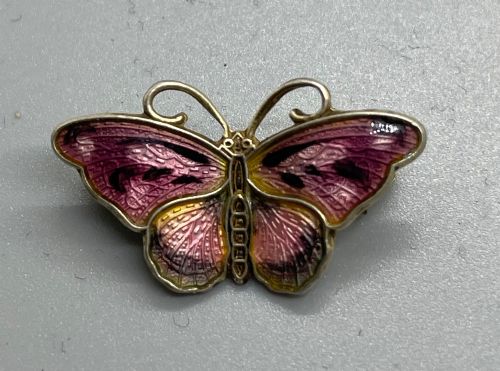
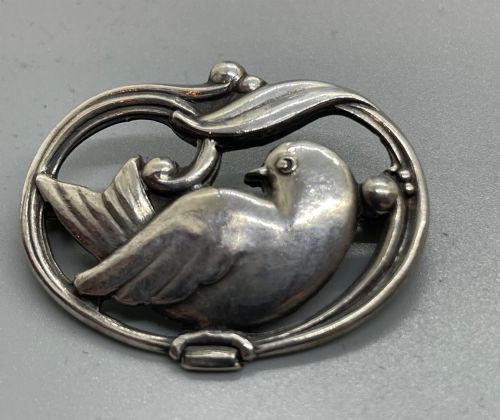
A vintage silver brooch appears in forms ranging from Edwardian ribbon bows and Victorian paste crescents to mid-century Scandinavian leaf and butterfly motifs. The pieces combine fastening utility with ornamental display across diverse periods including Edwardian and Victorian eras.
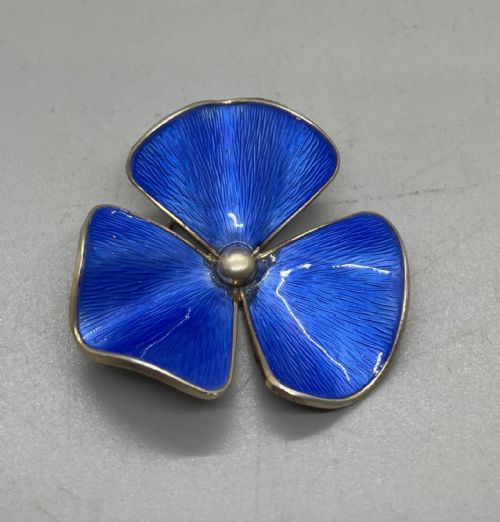
Scandinavian workshops and British designers contribute significantly to the recorded selection, utilising guilloché enamel alongside marcasite, carnelian, and peridot stones. Collectors encounter distinct regional styles spanning penannular forms, floral bouquets, and naturalist leaf sprays.
Materials and construction
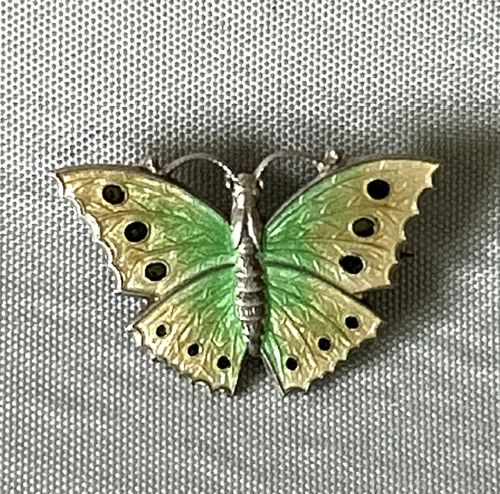
Silversmiths shape sterling and standard silver into intricate frameworks, often applying partial gilding to highlight raised details. Enamel work frequently appears as translucent layers over engine-turned guilloché grounds, particularly in Scandinavian modernist and traditional designs.
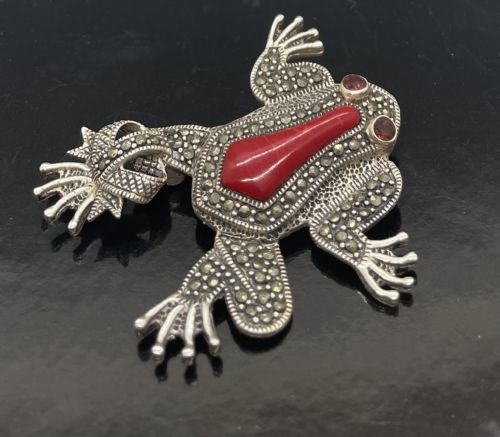
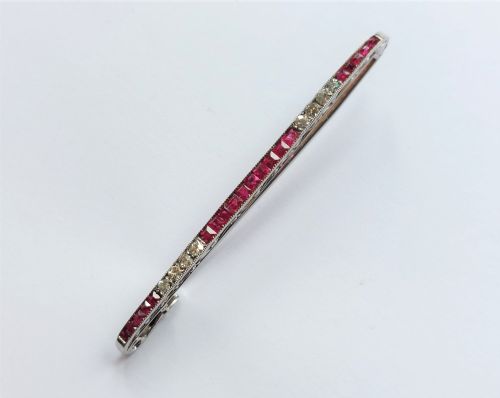
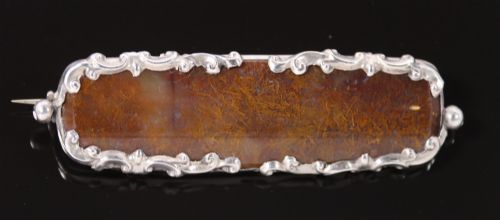
Gemstones such as peridot, carnelian, amethyst, citrine, turquoise, and garnet are set alongside sparkling paste crystals and marcasite stones. Pin stems and C-clasps or safety catches are integrated directly into the reverse structures of the metalwork.
The archive demonstrates extensive representation of Edwardian and Victorian periods alongside mid-century Scandinavian enamel work.
Quality and execution
Superior examples demonstrate meticulous enamel application with zero chipping, smooth stone settings, and crisp hand-chased or cast details in the silver. Lesser pieces may show uneven enamel translucency, careless solder joins, or dull replacement stones.
Signed items from established workshops or identifiable designers command attention through superior proportion, weight, and finish. The integrity of the original pin mechanism and hallmarks further distinguishes finer pieces.
Arne Nordlie·Aksel Holmsen·David Andersen·Hroar Prydz·Hans Myhre·Volmer Bahner·Bernard Instone·Ivar T Holth·Theodore Olsen
The Vintage Silver Brooch Glossary
- Guilloché
- Enamelling technique involving a mechanical pattern engraved into the silver beneath translucent coloured enamel. This method creates shimmering light effects across butterfly wings and leaf motifs.
- Marcasite
- Small faceted pyrite stones set closely together in silver mounts to imitate diamonds. These sparkle richly under candlelight.
- Penannular
- An ancient brooch form featuring an incomplete ring with a movable pin spanning the gap. Scottish examples utilise this traditional fastening structure.
- Paste
- Hand-cut lead glass used as imitation gemstones in historical jewellery. Victorian paste pieces achieve high brilliance through careful foil backing.
- Silver gilt
- Silver covered with a thin layer of gold, also known as vermeil. This technique provides rich colour contrast against coloured enamel.
Vintage Silver Brooch: Frequently Asked Questions
How do I date a silver brooch?
Examination of the clasp type, hallmarks, and stylistic markers reveals the period of manufacture. Edwardian and Victorian pieces display distinct fastening mechanisms compared to mid-century Scandinavian designs.
Assay marks and maker stamps provide precise chronological clues when present on the reverse of the silver frame.
How were enamel brooches cared for historically?
Enamel jewellery required gentle handling to avoid impact fractures to the glass surface. Owners stored pieces separately to prevent scratching the silver and coloured glass.
Periodic soft cloth polishing maintained the shine of the metal without harming delicate guilloché details.
What is silver gilt?
Silver gilt refers to solid silver items coated with a microscopic layer of gold. This process offered the aesthetic warmth of gold jewellery at a lower cost.
Victorian and Scandinavian designers frequently employed this finish to enhance contrasting enamel colours.
Can I wear a vintage brooch daily?
Sturdy silver construction allows regular wear provided the pin mechanism closes securely. Checking the C-clasp or safety catch prevents accidental loss during daily use.
Delicate enamel pieces benefit from careful placement away from heavy outer garments or thick knitwear.