





Vintage Silver Badge
A vintage silver badge offers a wearable piece of history, taking the form of detailed brooches and pins spanning multiple decades.
Vintage Silver Badge
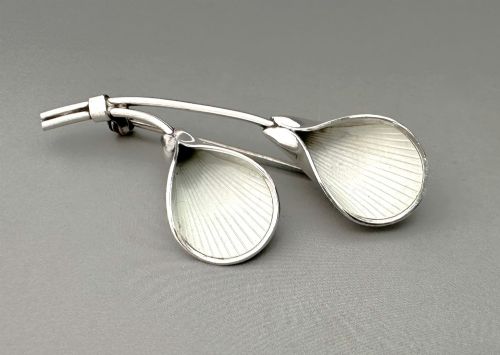
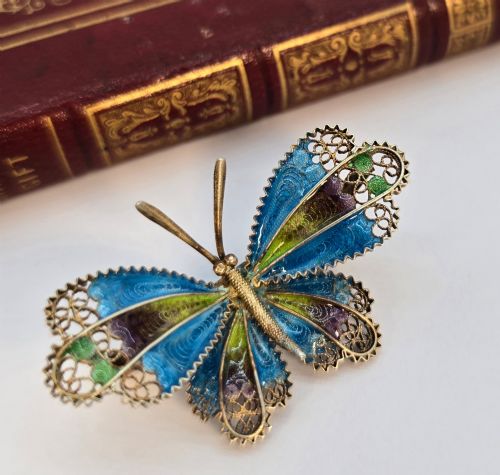
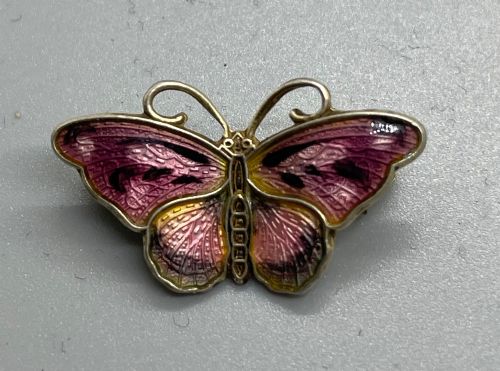
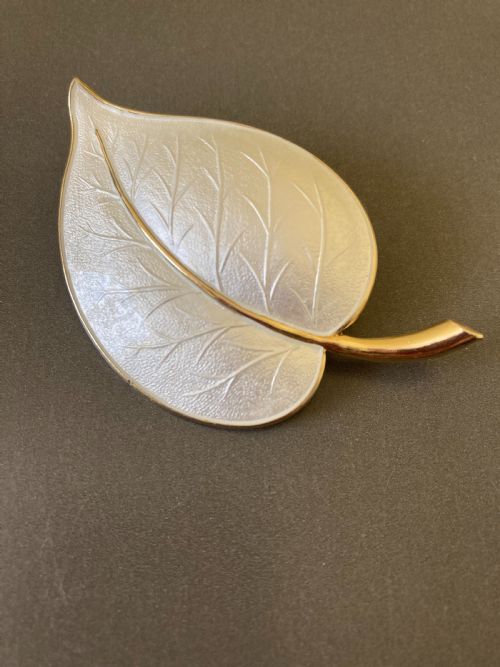
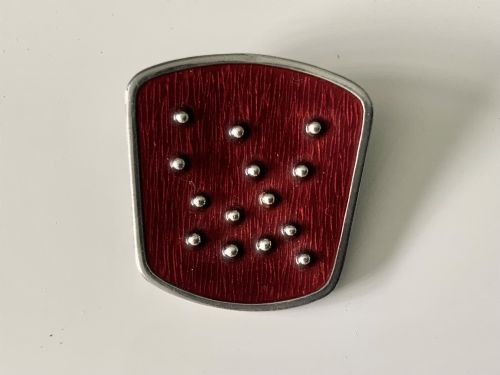
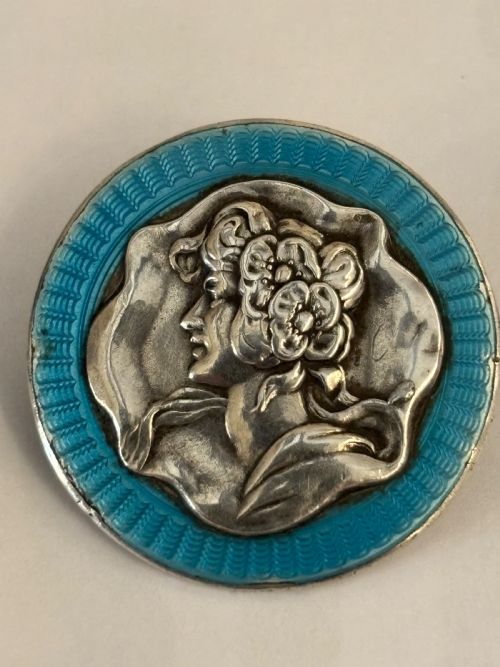
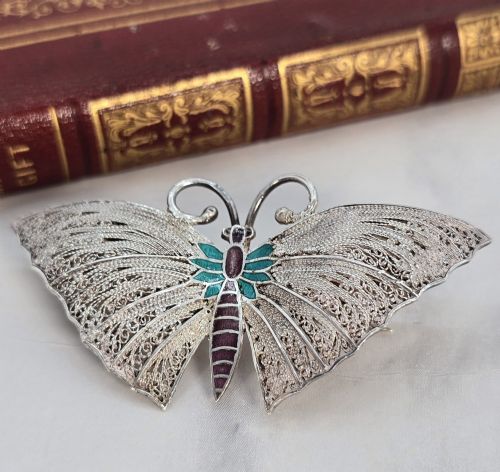
The most common versions met on this page are silver and enamel brooches, often originating from Scandinavian workshops and showcasing natural subjects like butterflies, birds, and flowers. These pieces combine precious metalwork with colourful vitreous coatings.
Items range from early twentieth-century sterling silver butterfly wing pieces to modernist Scandinavian creations and commemorative visitor badges. Each type demonstrates distinct craftsmanship tied to its specific decade of production.
How they were made
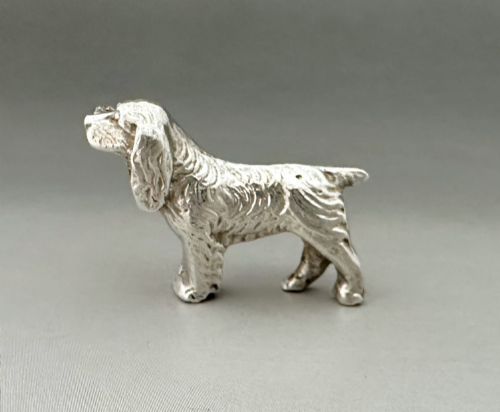
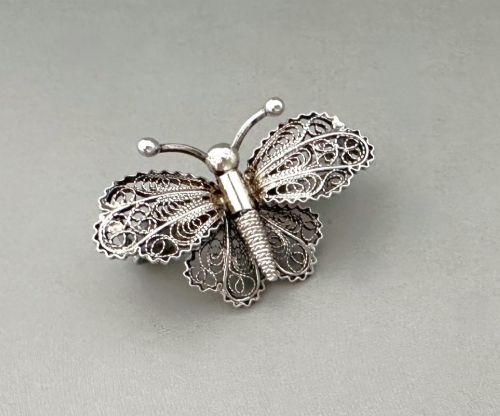
Maker's workshops utilised sterling silver, silver gilt, and pewter as foundational metals, shaping them through casting, filigree work, and hand-forming techniques. Artisans applied intricate surface details such as marcasite stones and diamond settings to enhance the visual depth of the metal.
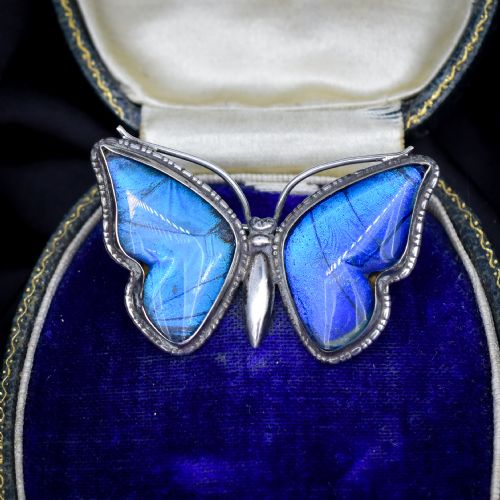
Colour was introduced primarily through vitreous enamel and guilloche enamel applied over engine-turned metal bases, alongside delicate butterfly wing panels preserved beneath glass. These combined materials required precise firing and setting skills to achieve durable, lustrous finishes.
Vintage Silver Badge Retail Price Guide 2026
Typical asking prices for vintage silver badge among the pieces listed under this phrase on Sellingantiques today, from the lower quarter to the upper quarter. They describe what is for sale here now, not the wider market.
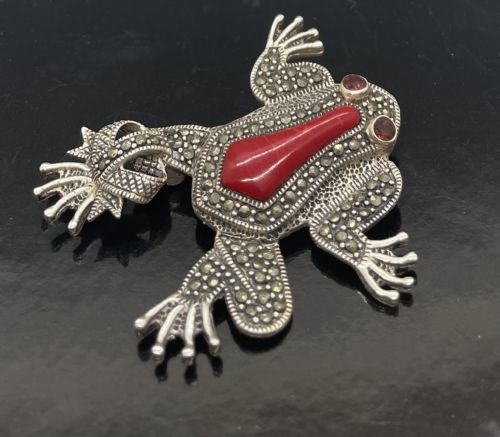
A tiny silver frog wearing marcasite spots waits quietly among the floral brooches.
What varies in quality
Quality differences emerge in the precision of the metalwork, particularly where fine filigree wire or complex silver gilt settings are employed by recognised makers. Superior examples exhibit clean solder joints, crisp stamping, and balanced proportions across the entire object.
The execution of the enamel surface dictates the upper tier of the range, with smooth, evenly fired translucent or opaque coatings outperforming rough or uneven applications. Preservation of delicate elements like glass-covered butterfly wings or intact marcasite stones further separates standard production from exceptional pieces.
Aksel Holmsen·A H Darby And Son·Georg Jensen·Jakob Bengel
The Vintage Silver Badge Glossary
- Guilloche enamel
- A decorative technique where a geometric pattern is engraved beneath a transparent layer of vitreous enamel. This method creates a reflective, shimmering background beneath the coloured glass.
- Silver gilt
- Silver that has been coated with a thin layer of gold on its surface. This treatment provides the warm appearance of gold while retaining a silver base structure.
- Filigree
- Delicate jewellery-making work consisting of twisted threads of silver soldered together in openwork patterns. Artisans arrange these fine wires to form intricate lace-like designs.
- Marcasite
- Small faceted pyrite stones set into silver mounts to provide dark metallic sparkle. Popularised during various historical periods, these stones mimic the appearance of cut steel.
- Vitreous enamel
- A material made by fusing powdered glass to a substrate by firing, usually at high temperatures. The resulting coating is durable, smooth, and resistant to chemical fading.
Vintage Silver Badge: Frequently Asked Questions
What periods do these pieces cover?
The items span from the Victorian era and Edwardian period through Art Nouveau and Art Deco designs into mid-century Scandinavian styles. Pieces date from the late nineteenth century up to the 1960s.
Different decades brought distinct aesthetic choices, moving from ornate floral sprays to sleek modernist lines and colourful enamel work.
How do I identify Scandinavian enamel?
Scandinavian pieces frequently employ guilloche enamel over sterling silver or silver gilt, focusing heavily on natural forms like butterflies, flowers, and birds. Workshops in this region developed a distinct palette and mastery of translucent enamelling.
Look for specific hallmarks and maker marks associated with northern European silversmiths alongside characteristic clean design lines.
What is butterfly wing jewellery?
This technique involves placing genuine Morpho butterfly wings under a protective glass dome within a silver frame. The resulting panels display a brilliant iridescent blue colour that shifts in the light.
Popularised during the early twentieth century, these pieces often depict tropical landscapes or abstract motifs surrounding the central wing panel.
How should I care for enamelled silver?
Enamel and silver require gentle handling to prevent scratching the glass surface or tarnishing the metal framework. Store pieces individually away from direct sunlight and moisture.
Clean them softly with a dry microfibre cloth rather than harsh chemical dips that can damage enamel or vintage gilt layers.