

Vintage Shop Counter
A vintage shop counter is a commercial trading fixture built to display and store goods, offering enduring functional utility and period character for modern domestic interiors.
Identifying a vintage shop counter
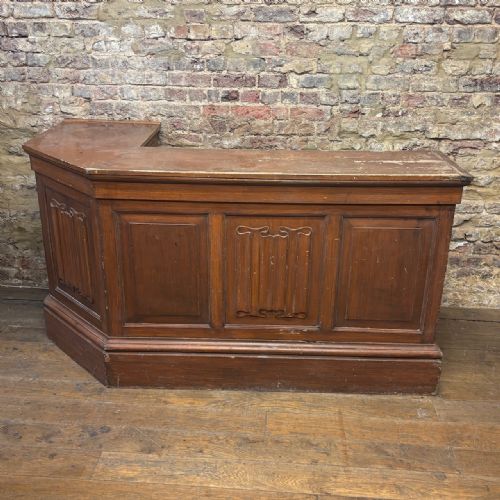
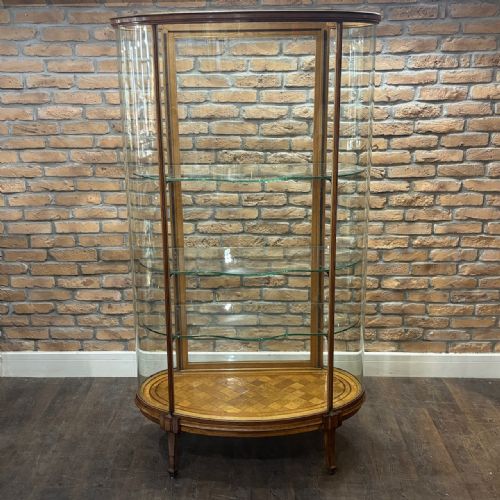
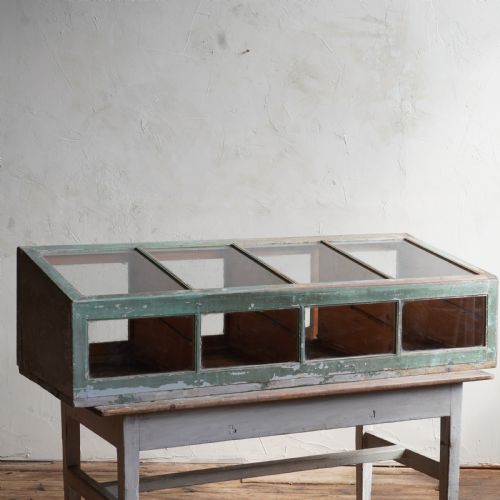
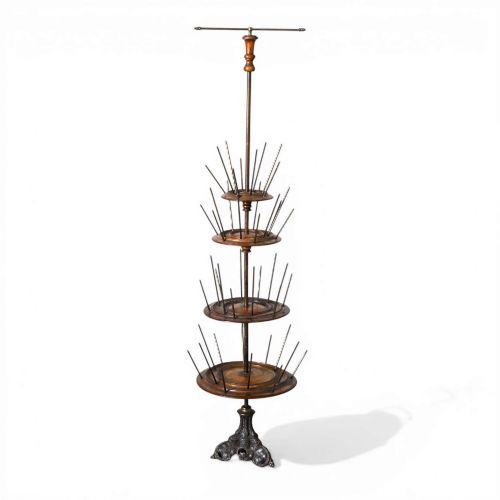
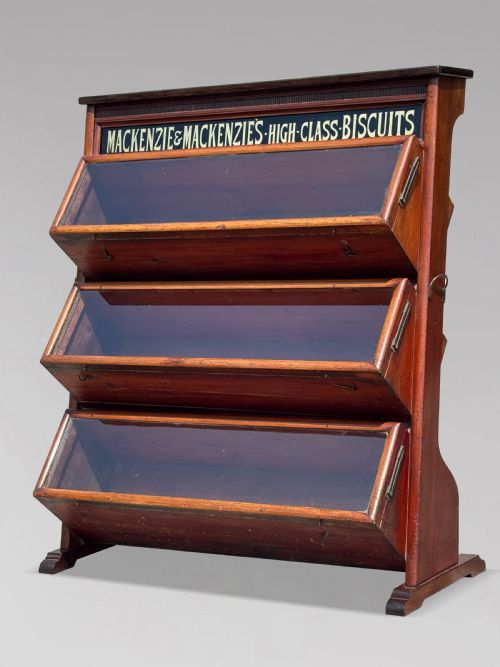
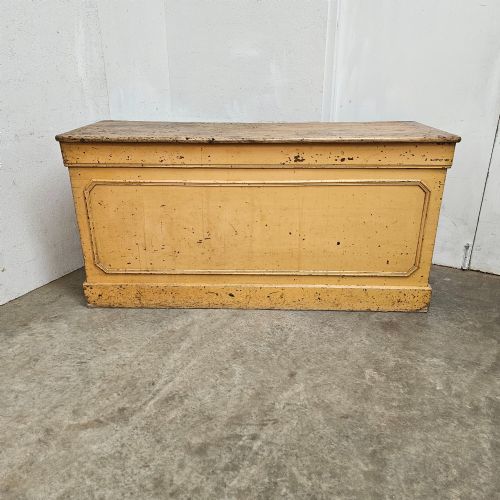
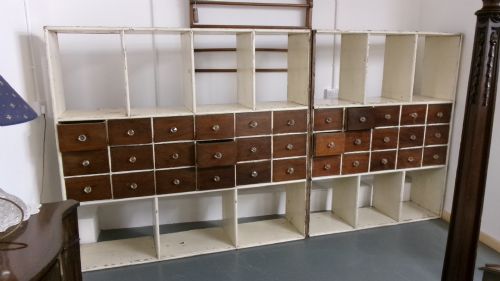
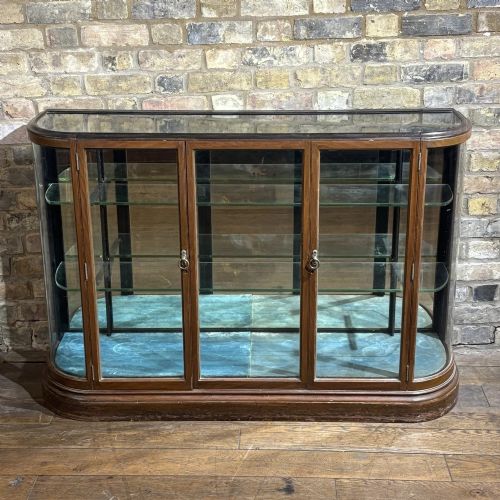
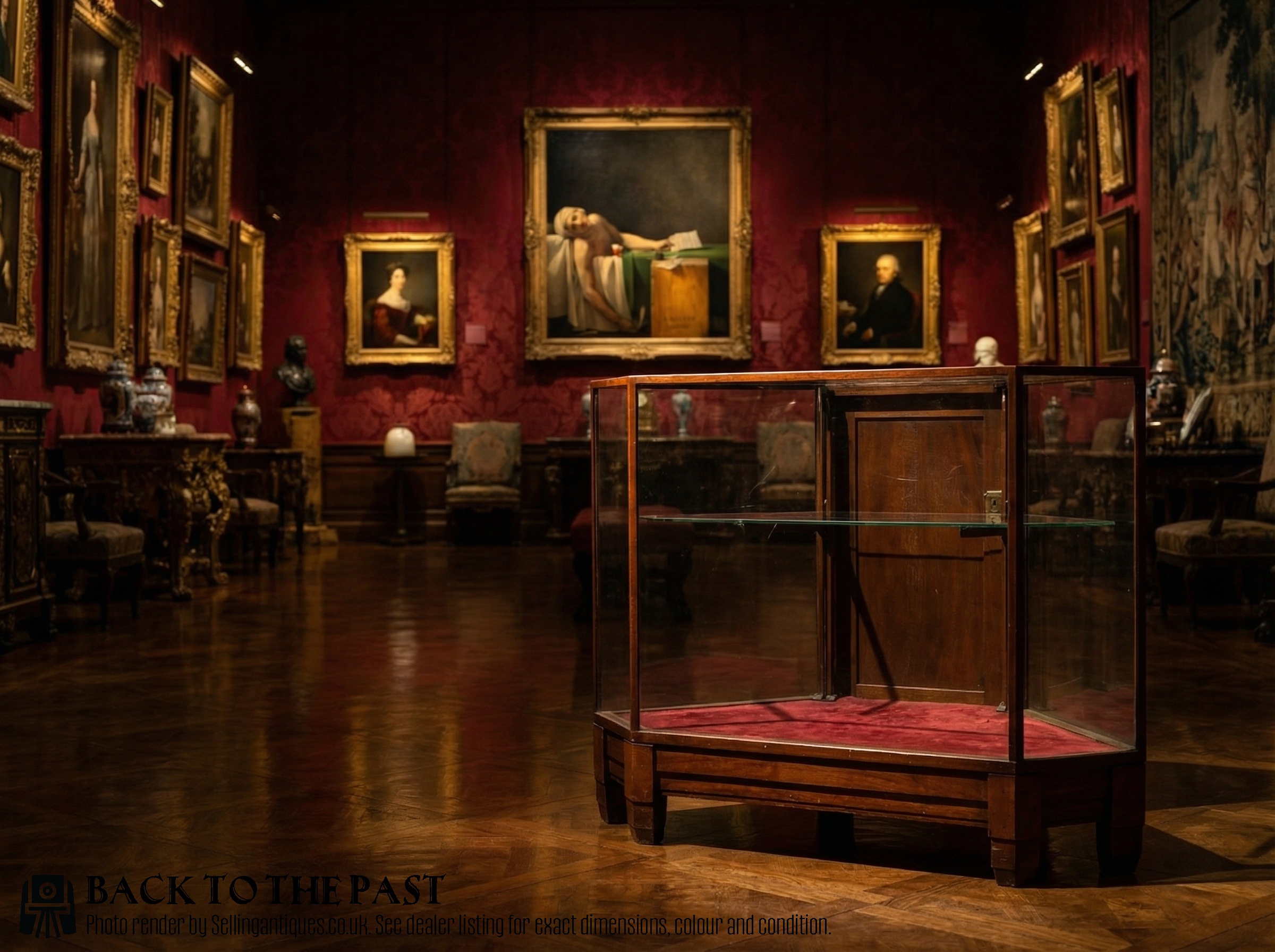
A vintage shop counter serves as a robust commercial fixture designed for retail display and customer service, drawing on traditional forms from the nineteenth and twentieth centuries. These pieces encompass specialised haberdashery counters, shop counters, display counters, and display cabinets created for retail environments.
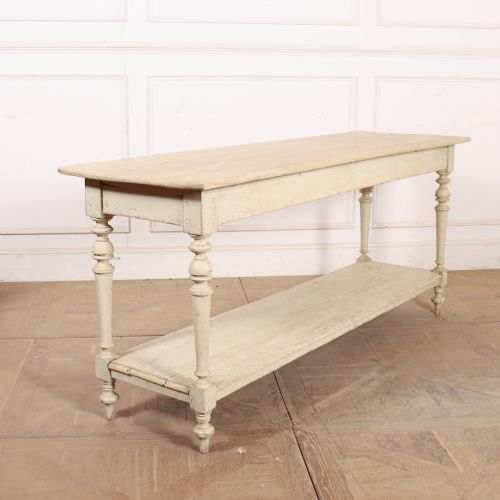
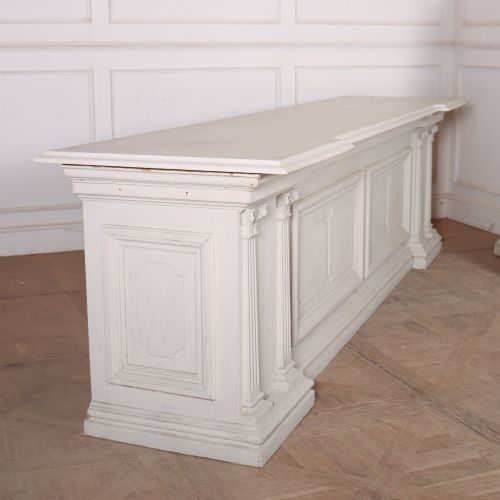
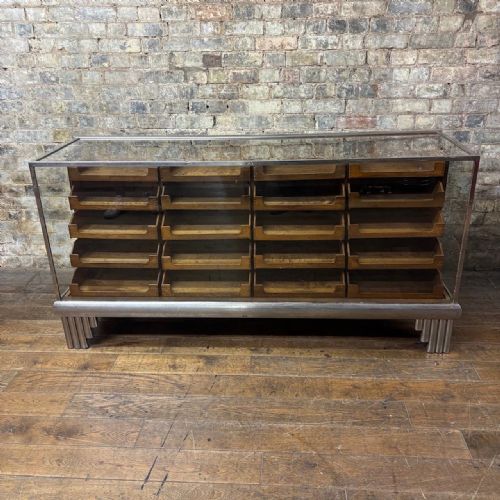
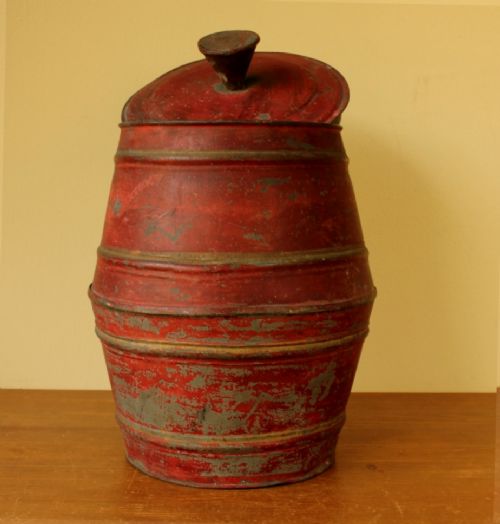
The selections available here predominantly feature haberdashery counters and display cabinets from the Art Deco period, alongside French provincial and country pieces. Buyers frequently encounter nineteenth-century painted pine designs alongside mahogany, oak, and chrome variations from the 1920s and 1930s.
Materials and construction
Construction relies heavily on structural timbers such as pine, mahogany, and oak, often paired with glass for display visibility and chrome or brass for framing and hardware. Painted finishes and original surface treatments appear frequently across French and commercial examples.
Makers integrated functional storage elements including drawers and display compartments, utilising durable joinery suitable for heavy commercial daily use. Metal elements such as chrome and bronze provide structural support and decorative framing on later twentieth-century commercial designs.
Retail Price Guide 2026
Typical UK retail prices for vintage shop counter, calculated from the Sellingantiques database of over a million retail prices indexed since 2003. This retail price guide relies exclusively on Sellingantiques data; no external sources or auction records are used, so the figures do not describe the wider market.
Listings demonstrate a strong presence of Art Deco haberdashery counters alongside nineteenth-century French painted pine examples.
Assessing quality and character
Quality rests in the integrity of the original materials, the survival of fitted drawers and glass panels, and the authenticity of surface paint or polished timber grain. Pieces retaining their original hardware and functional compartments represent the higher end of the range.
The distinction between standard commercial utility and superior craftsmanship lies in the refinement of the timber joinery, the clarity of the display glass, and the presence of documented maker details or distinctive regional styling.
Dudley & Co·Terry’s of York
The Vintage Shop Counter Glossary
- Haberdashery counter
- A retail fixture specifically designed with multiple shallow drawers or glass compartments to display small sewing goods, buttons, and accessories. These units often feature glazed top surfaces for customer inspection.
- Display cabinet
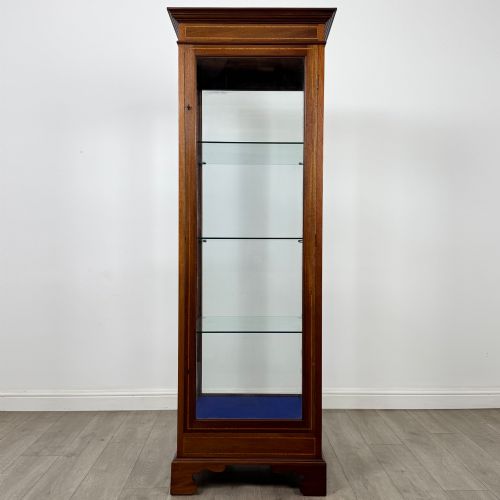
- A freestanding or counter-height case featuring glass panels intended to showcase merchandise while protecting items from dust and handling. They form a core category of commercial shop furniture.
- Pentagonal display counter
- A multi-sided counter configuration designed to fit into specific spatial layouts while maximising viewing angles for customers. This geometric form offers distinct display advantages in retail settings.
- Original paint
- Surface decoration applied during the period of manufacture that has survived without modern stripping or repainting. This patination provides historical evidence of the object's working life.
Frequently Asked Questions
How were shop counters used originally?
Shop counters acted as the primary barrier and transaction point between merchants and customers in nineteenth and twentieth-century retail establishments. They organised stock securely beneath the surface while showcasing goods on top.
Specialised variants like haberdashery units kept small textiles sorted in banks of drawers, allowing shop assistants to pull items out for inspection without leaving the service side.
Where can I place one at home?
These counters function effectively as kitchen islands, providing a substantial working surface combined with practical storage drawers beneath. Their display tops accommodate tableware or decorative collections.
In living spaces or hallways, they serve as grand console tables or home bar foundations, utilising glazed compartments to exhibit curated objects.
How do I date a shop counter?
Dating relies on identifying stylistic markers, construction timber species, and hardware types associated with specific eras like the Art Deco period or the nineteenth century. Commercial pieces often carry maker plaques or specific structural designs.
French provincial and country counters exhibit traditional joinery techniques and regional paint traditions that distinguish earlier centuries from later twentieth-century commercial manufacturing.
Are these counters suitable for daily use?
Built originally for heavy commercial retail environments, these fixtures possess sturdy timber frames and robust construction designed to withstand continuous daily operation. Their drawers and surfaces handle modern domestic loads easily.
Regular care involves maintaining timber finishes with appropriate wax or oil and handling glass panels with standard domestic caution.