


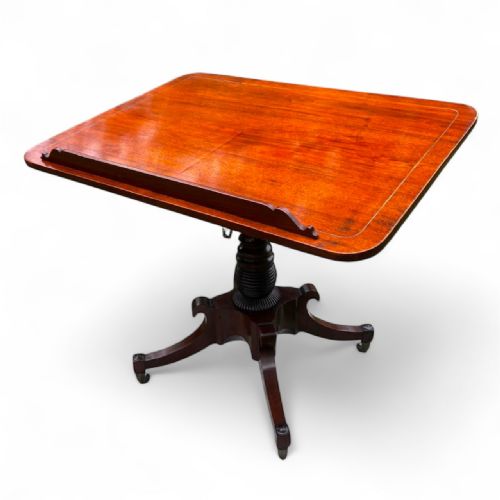


Vintage Sheet Music Table
These vintage sheet music table pieces are purposeful stands and cabinets designed to keep scores and periodicals tidy beside a chair or piano.
Vintage Sheet Music Table
When you search for a vintage sheet music table, you encounter a specialised form intended for domestic music rooms and parlours. These items organise loose folios, newspapers and periodicals near an instrument or seating area.
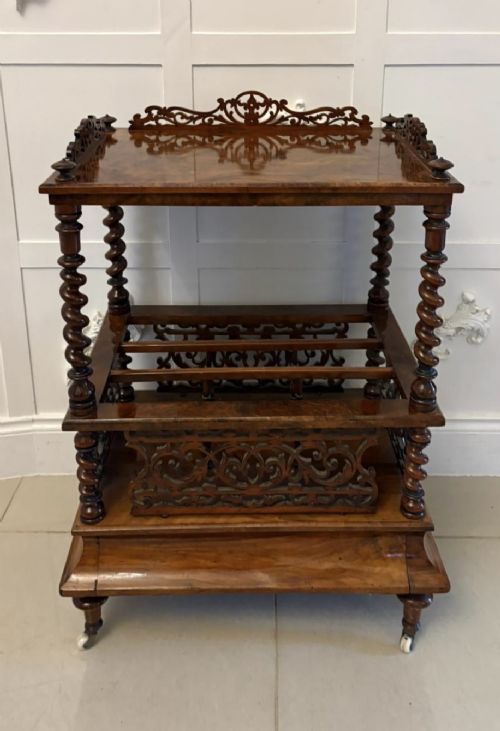
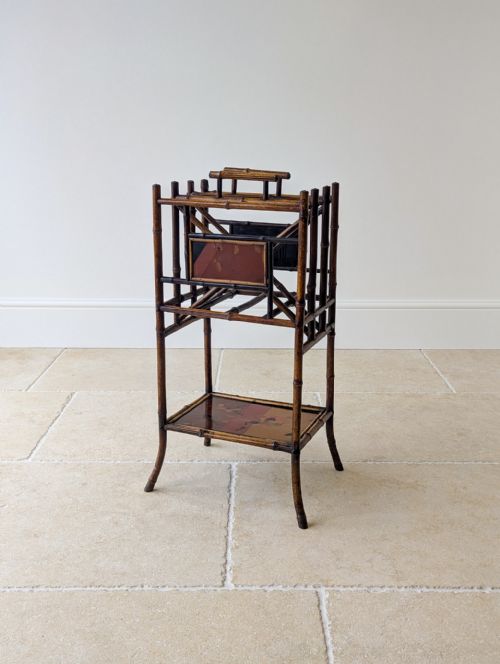
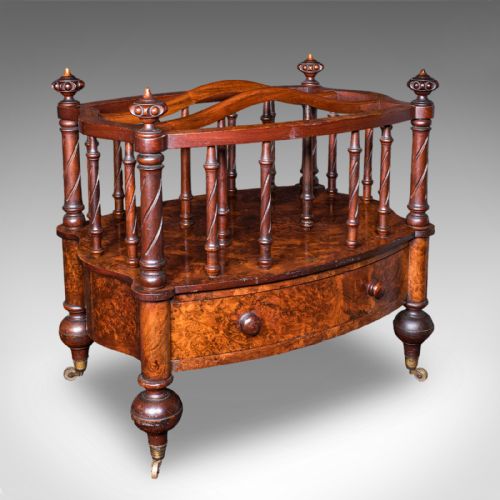
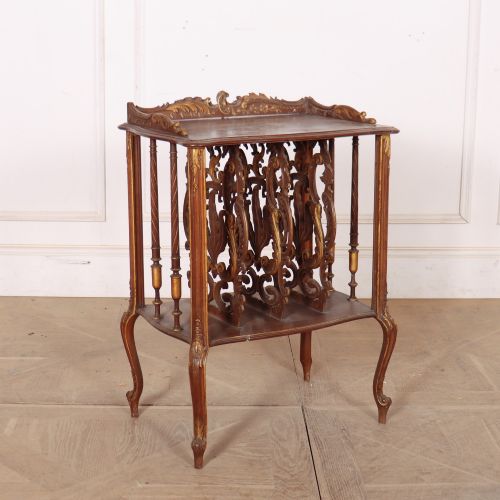
The version you are most likely to meet on this page is the Victorian burr walnut canterbury or the Edwardian inlaid mahogany sheet music cabinet. Pieces span periods from the Regency era through to the early twentieth century, taking the shape of open compartment racks, closed cupboards, and occasional tables combined with storage.
Makers and craftsmen of the nineteenth and early twentieth centuries produced these designs in forms such as music stands, side cabinets, and combination lamp tables with fitted drawers. Such examples integrate structural utility with domestic refinement, serving multiple purposes within a room.
How they were made
Timbers selected for these pieces include mahogany, walnut, burr walnut, and rosewood, frequently enhanced by contrasting inlay work in boxwood. Cabinetmakers utilised these rich woods to create visually striking surfaces for domestic interiors.
Structural hardware incorporates brass details, such as adjustable mechanisms on reading tables and decorative mounts on cabinets. Joinery methods of the nineteenth and Edwardian periods ensure stability across open partition slats and enclosed cupboard doors.
Some nineteenth-century canterburys were built with tiny castors so they could follow the pianist across the rug.
What varies in quality
The grade of timber veneer and the precision of inlaid boxwood determine the visual distinction of a piece. Finer examples display carefully matched burr walnut grains and meticulous marquetry rather than plain surfaces.
Construction intricacy separates standard production from superior examples, visible in turned columns, carved supports, and integrated drawer compartments. The presence of adjustable mechanisms or combined functions, such as a lamp table incorporating a compartment rack, indicates higher ambition in the design.
The Vintage Sheet Music Table Glossary
- Canterbury
- A low stand featuring vertical partitions, designed for holding sheet music, newspapers, and periodicals. It often includes a low drawer beneath the partitions.
- Inlay
- A technique where pieces of contrasting material, such as boxwood, are inserted into depressions within the primary wood surface to form decorative patterns.
- Burr Walnut
- A wood figure obtained from the warted growths of walnut trees, prized for its swirling, highly patterned grain used in veneering.
- Music Cabinet
- An enclosed piece of furniture with multiple shallow drawers or internal shelves specifically dimensioned to store bound scores and sheet music flat.
- Occasional Table
- A small, versatile table intended to be moved about a room as needed, sometimes combined with lower storage tiers for books or papers.
Vintage Sheet Music Table: Frequently Asked Questions
What is a vintage sheet music table?
A vintage sheet music table is a functional item of furniture created to store scores, folios, and periodicals near a piano or seating area. These pieces combine flat surfaces for lamps or reading with dedicated compartments or drawers.
Such items appear across several nineteenth and early twentieth-century styles, ranging from open compartment racks to enclosed cabinets.
How were music tables used?
Households placed these stands beside pianos or reading chairs to keep sheet music and daily periodicals orderly and accessible. The partitioned sections allowed musicians to separate different scores by type or composer.
Combinations with occasional tables or reading desks meant the furniture also served as a stable surface for lamps and books.
How do I live with a music table?
These tables integrate easily into modern living spaces as side tables, bedside surfaces, or dedicated magazine racks. The partitioned sections hold contemporary journals, records, or correspondence just as effectively as nineteenth-century scores.
Placing one beside a sofa or reading chair puts useful surface area and storage within reach.
How do I tell periods apart?
Regency and early nineteenth-century pieces often utilise solid mahogany or rosewood with restrained classical lines and brass inlay. Victorian examples frequently feature figured burr walnut, carved details, and Aesthetic Movement influences.
Edwardian items from the early twentieth century lean towards lighter mahogany frames with delicate inlaid decoration and enclosed cupboard doors.