


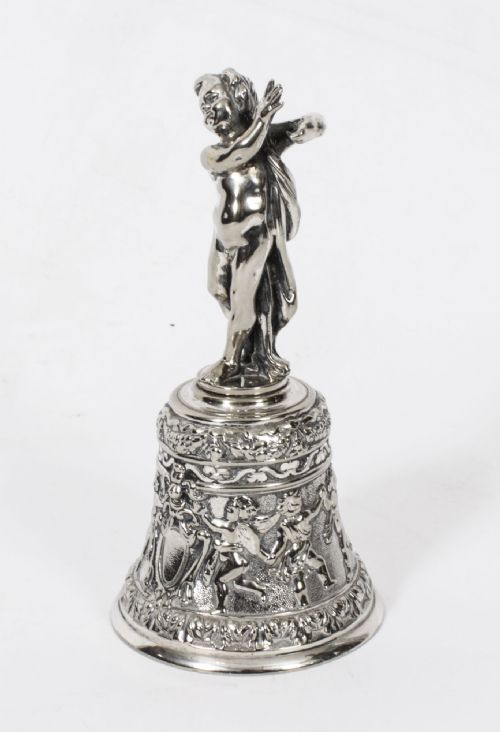


Vintage Service Bell
A vintage service bell brings a crisp, resonant ring and period character to a desk, counter or hall.
Vintage Service Bell
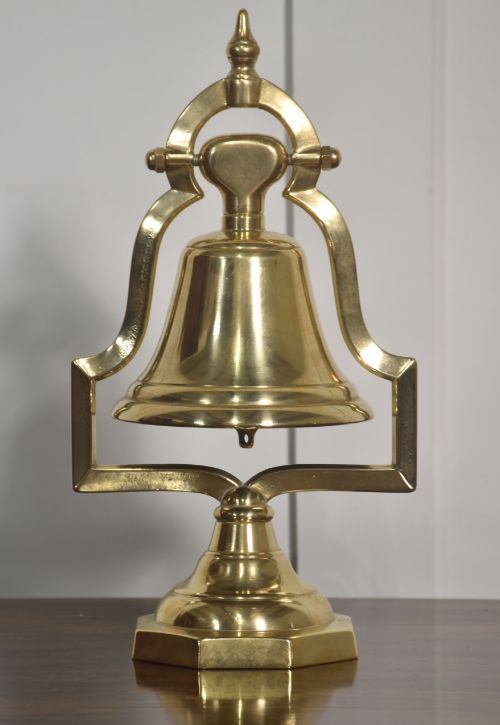
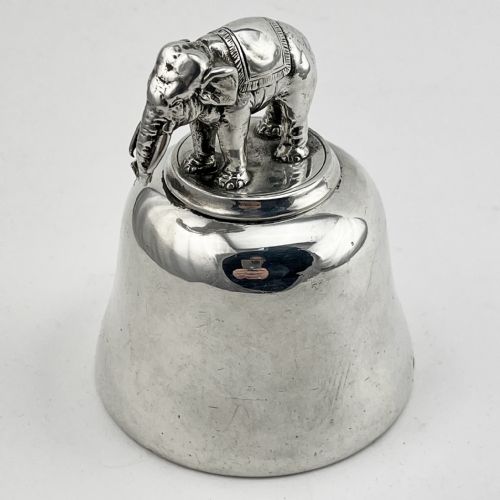
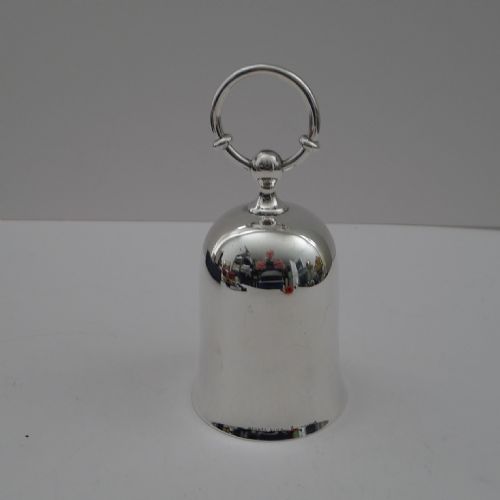
A vintage service bell gathers table bells, counter bells, desk bells and hand bells from the nineteenth century into the twentieth century. These pieces include simple brass desk mechanisms, ornate silver-plated table pieces and bronze dinner chimes.
The version most commonly met on this page is the brass counter or desk bell, often dating from the Victorian or Edwardian eras. These domestic and commercial implements range from plain polished brass cylinders to equestrian-themed designs with horse bit handles.
Materials and construction
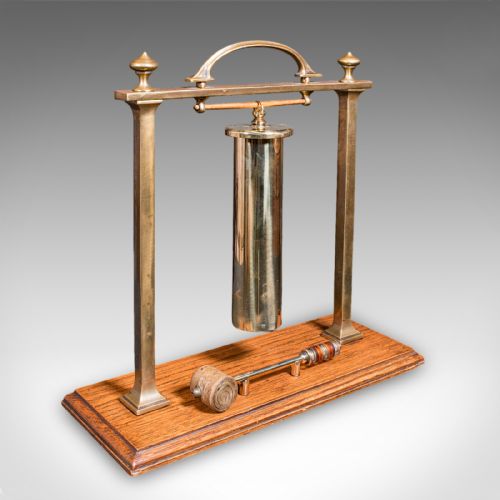
These items rely heavily on cast brass, bronze, and silver plate, frequently mounted on solid oak or ebonised wood bases. Metal components are turned, cast and polished, creating resonant domes and sturdy striking hammers.
Handle details incorporate carved bone and specialised hardware such as horse bits or mechanical figures. Silver plating over base metals provides a brighter finish on pieces intended for formal reception areas and dining tables.
Listings span the late nineteenth century through to the Edwardian period and the 1960s, utilising brass, bronze, silver plate, oak, and bone.
Judgements of quality
Quality rests in the weight of the metal, the clarity and sustain of the tone, and the crispness of any cast ornamentation. Heavier gauge brass and solid sterling silver demonstrate superior substance compared to lighter plated alternatives.
The integration of materials also defines the better examples, where turned oak or ebonised bases securely anchor the metal bell mechanism without looseness or rattle.
The Vintage Service Bell Glossary
- Counter bell
- A bell designed to sit upon a shop or hotel counter, often featuring a plunger mechanism or a dome mounted on a heavy base. These were used to summon attendants in commercial settings.
- Hand bell
- A portable bell with an attached handle, swung by the user to summon staff or signal the start of a meal. They appear in materials ranging from simple bronze to decorated silver plate.
- Desk bell
- A low-profile bell placed upon a writing desk or office table. They typically feature a spring-loaded push button or a rotating strike action.
- Silver plate
- A thin layer of silver applied to a base metal such as copper or brass. This technique offered the appearance of solid silver at a lower cost for domestic items.
Vintage Service Bell: Frequently Asked Questions
How do I clean a brass service bell?
Use a soft cloth and a proprietary metal polish formulated for brass, applying it sparingly to avoid getting residue inside the mechanism.
Buff gently to restore the shine without removing the desirable darker patination in recessed areas.
Were these bells used in homes or shops?
Both environments utilised these objects daily.
Smaller hand bells and tea gongs served country houses and dining rooms, while plunger bells managed customer service in Victorian shops and hotels.
How can I tell a Victorian bell from an Edwardian one?
Victorian examples often favour heavy, highly ornate cast brass and dark ebonised woods with revival stylistic influences.
Edwardian pieces frequently lean towards simpler geometric forms, lighter polished brass finishes, and practical oak mountings.
What causes the different tones?
The pitch and resonance depend entirely on the alloy composition, wall thickness, and physical size of the dome.
Heavier bronze and thick brass produce a deeper, more sustained ring than thin silver-plated alternatives.