



Vintage Scottish Highland Art
Vintage scottish highland art captures rugged terrain, cattle lochs and tartan portraits through oils, watercolours and wood panels.
Vintage Scottish Highland Art
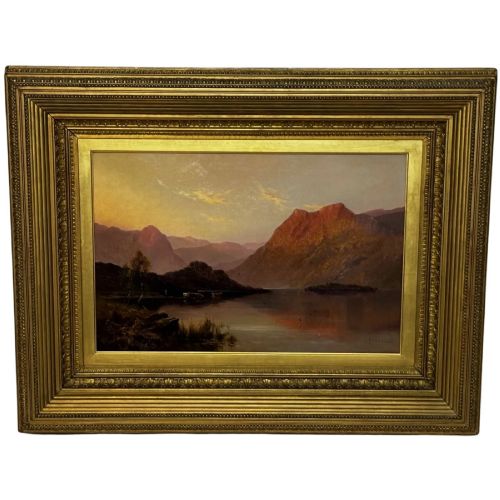
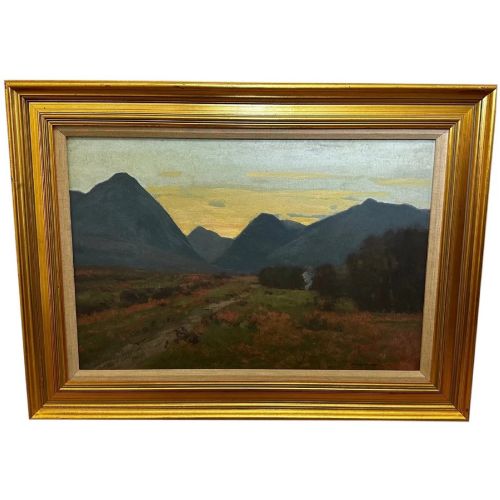
Buyers seeking vintage scottish highland art encounter oil paintings, watercolours and framed canvas works depicting dramatic mountain scenery, lochs and pastoral scenes. These pieces span from the nineteenth century through the mid twentieth century, encompassing Victorian landscapes, Scottish impressionism and twentieth century realism.
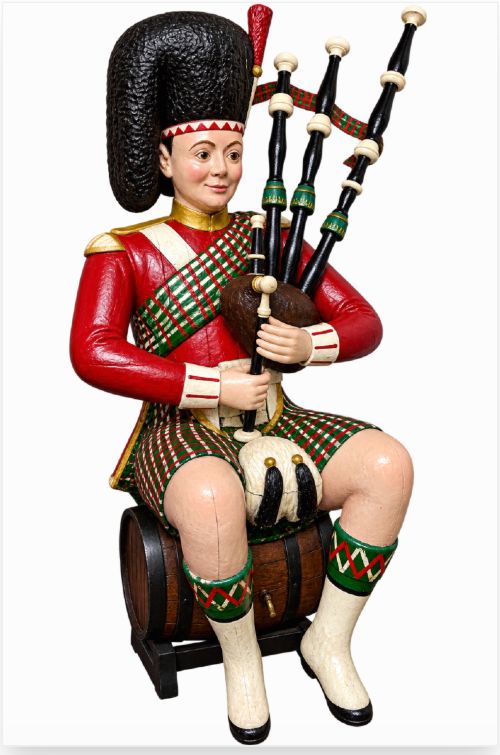
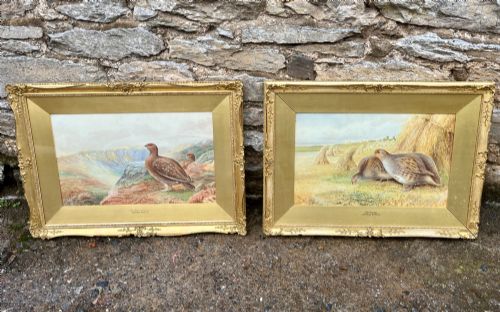
The selections on this page feature regional subjects such as Highland cattle, sheep, game birds and portraits of children in tartan kilts. Alongside traditional framed paintings, works extend to watercolours on paper and painted wood panels.
Makers and painters represented range from listed Royal Scottish Academicians to regional artists working across various periods. Every piece reflects the topography, wildlife and domestic traditions of Scotland.
Materials and methods
Artists painted primarily with oil or watercolour, applying pigment to stretched canvas, prepared wood panels or heavy paper sheets. Oil on canvas and wood panel allowed for rich layering and textured brushwork, particularly suited to moody skies and mountainous terrain.
Watercolours and gouache offered a more immediate medium for capturing swift shifts in light over lochs and moors. Frames were typically constructed from wood, often gilded or moulded to suit the aesthetic of the period.
Highland cattle stare from multiple canvases, steadfastly refusing to break eye contact across the centuries.
Factors determining quality
The strength of composition and sureness of brushwork dictate the success of a landscape or portrait. Superior examples demonstrate a confident handling of light and atmospheric depth rather than rigid formulaic rendering.
The prominence of the artist and the documentation of provenance elevate individual pieces. Works by established members of the Royal Scottish Academy command greater attention than anonymous studio output.
Tom Campbell·George Houston·Archibald Kay·Henry Robinson Hall·William Grant Murray·Stanley Orchart·Sir David Murray·George Melvin Rennie·William Miller Frazer·George Turner·Denys Garle·Alfred de Breanski·Robert Cleminson·Alfred Graham·Royal Worcester·Samuel Fulton·James Kay
The Vintage Scottish Highland Art Glossary
- Oil on canvas
- Pigment suspended in drying oil applied to a woven fabric support. This technique allowed artists to build rich textures and deep tones.
- Watercolour
- Paint made of colourants suspended in a water soluble vehicle, typically applied to paper. It offers luminous transparency and fluid washes.
- Wood panel
- A rigid wooden support used instead of canvas for painting. Panels provided a smooth, stable surface favoured in earlier periods.
- Gouache
- An opaque watercolour medium containing a white pigment filler. It creates flat, matte areas of dense colour.
- Scottish Impressionism
- A painting style influenced by French movements focusing on light and brushwork. Practitioners captured plein air effects in northern landscapes.
Vintage Scottish Highland Art: Frequently Asked Questions
What periods do these pieces date from?
The works span from the eighteenth century through to the nineteen sixties, encompassing Victorian, Edwardian and mid twentieth century creations.
Most items originate from the nineteenth and early twentieth centuries when landscape painting flourished across Britain.
How should I display a canvas painting?
Canvas works require stable indoor environments away from direct sunlight and excessive humidity to protect the paint layer.
挂 hanging them securely on interior walls ensures they remain safe from temperature fluctuations caused by heating systems.
What subjects are most common?
Common subjects include mountainous landscapes, Highland cattle grazing by lochs, sheep on hillsides and portraits of individuals in traditional dress.
Artists also frequently painted game birds, sporting dogs and architectural landmarks such as castles.
How can I distinguish watercolours from oils?
Watercolours are painted on paper behind glass, displaying a thin, translucent quality where the paper grain often shows through.
Oils utilise heavy pigments on canvas or wood panel, presenting a thicker surface texture with visible brushstrokes.