

Vintage Rosewood Stand
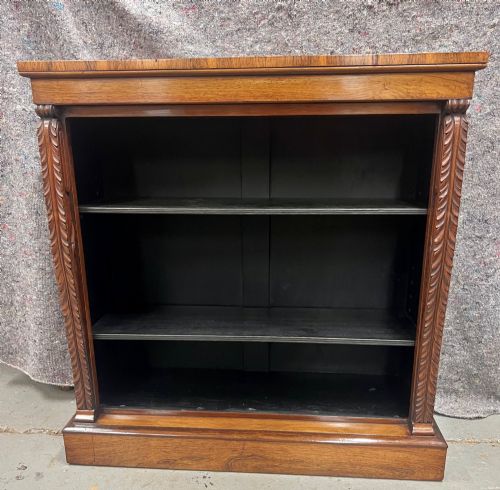
A vintage rosewood stand brings dark timber and polished grain into a room, serving practical needs from book storage to display.
Vintage Rosewood Stand
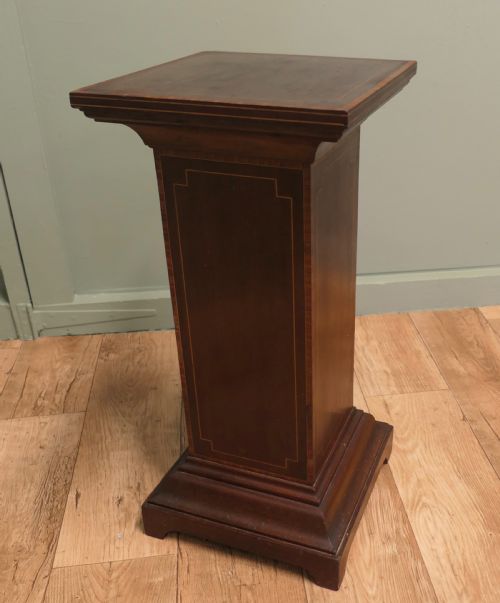
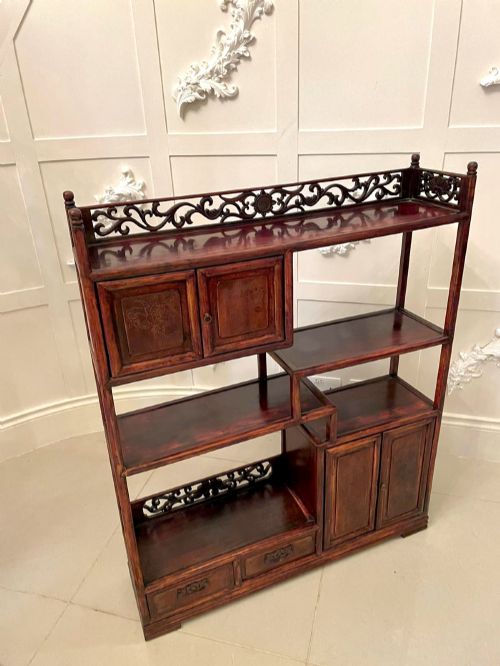
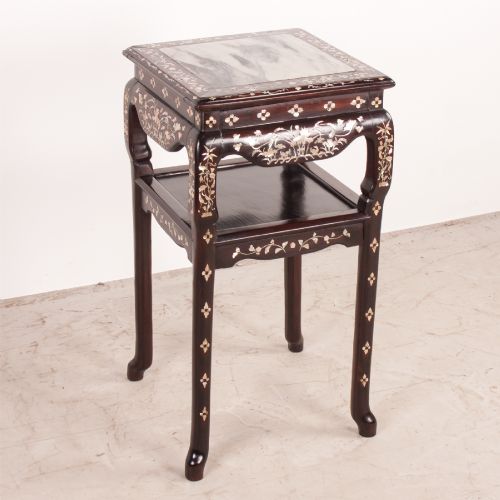
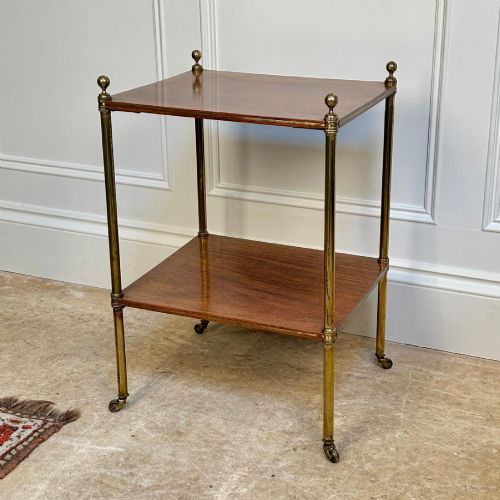
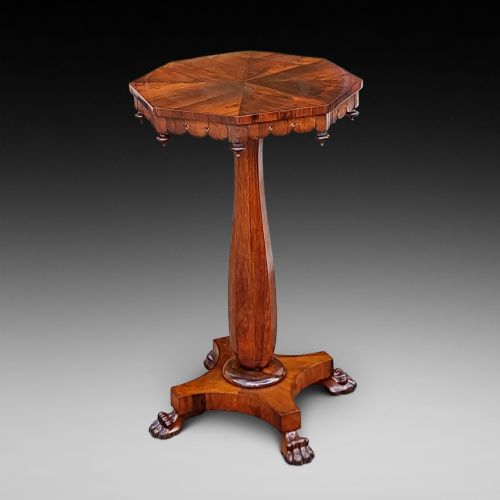
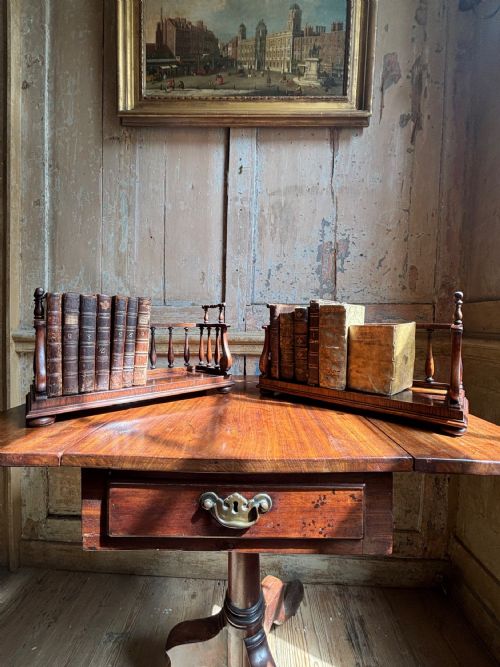
A vintage rosewood stand encompasses diverse furnishings designed to hold books, magazines, plants, or decorative objects within domestic spaces. Buyers seeking this phrase encounter items ranging from low side tables and tiered étagères to rolling canterburys and marble-topped plant pedestals.
The pieces appearing on this page span several stylistic traditions, including Victorian and Regency British furniture alongside Anglo-Indian and Chinese export pieces. Among these forms, the rosewood canterbury and the carved occasional side table emerge as frequent expressions of the genre.
Materials and construction methods
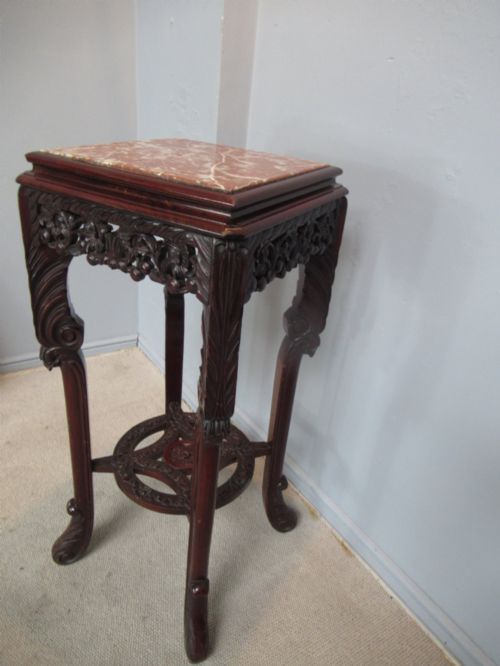
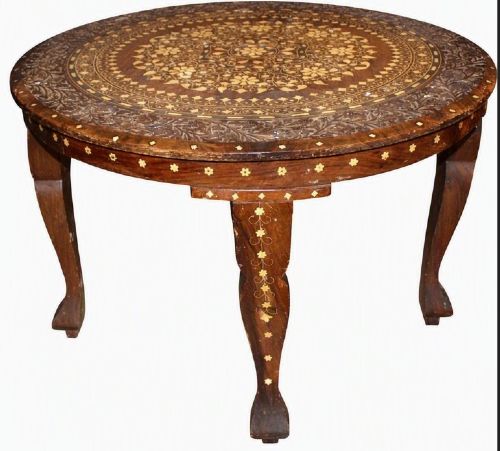
Cabinetmakers utilised dense rosewood alongside secondary hardwoods, frequently enhancing surfaces with brass inlays, bone inlay, or mother-of-pearl. Marble inserts appear inset into the tops of plant and vase stands to provide durable surfaces resistant to moisture.
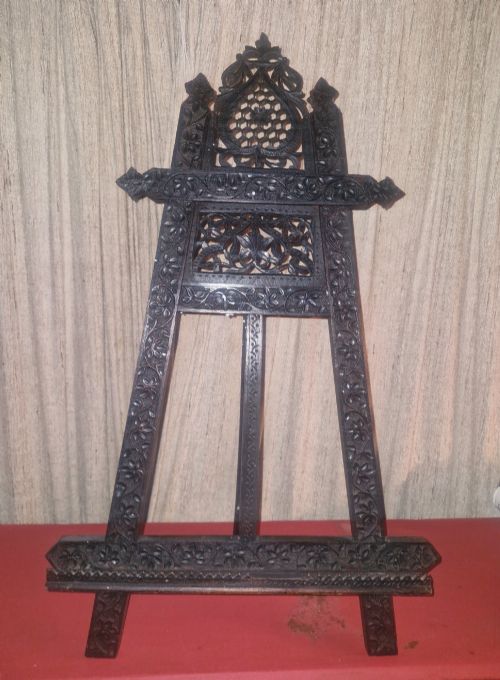
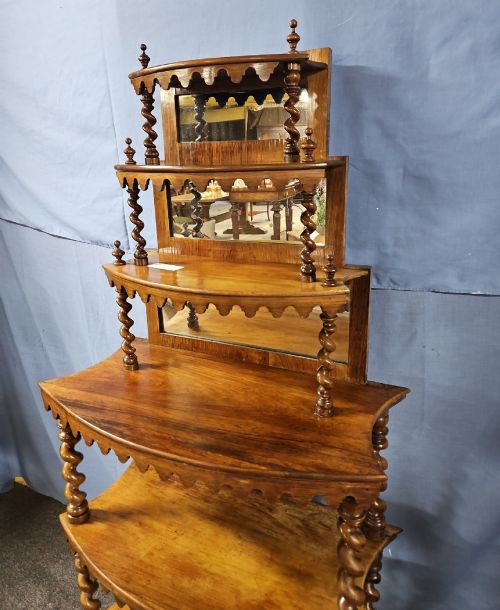
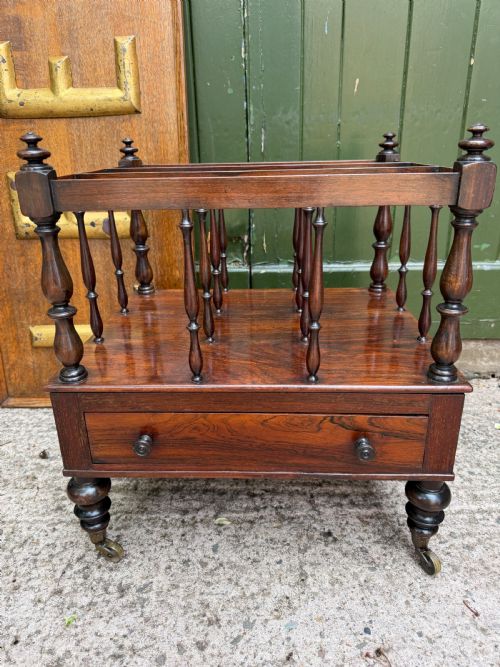
Construction relies upon traditional joinery techniques appropriate to each regional school, from British cabinet work featuring turned barley-twist legs to intricately carved panels found on Anglo-Indian and Far Eastern pieces.
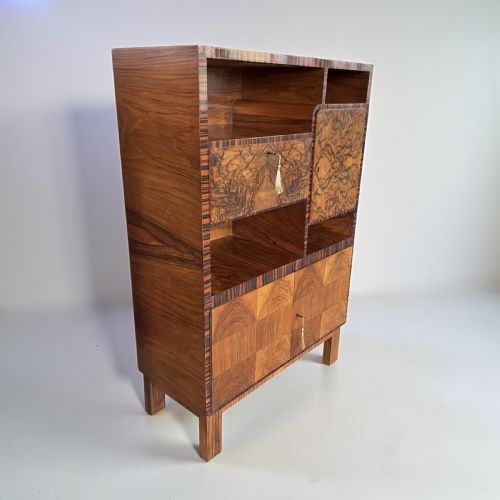
Listings feature items dated from the Regency and Victorian eras alongside twentieth-century Anglo-Indian and Art Deco examples.
Distinctions in craftsmanship and design
The upper tier of these stands displays crispness in hand-carved detail and precision in inlaid elements like bone or brass, whereas lesser examples show softer carving and simpler geometric lines. The choice and figuring of the rosewood timber itself dictates much of the visual impact, with richly grained boards commanding attention.
Structural integrity also separates standard utility pieces from exceptional commissions, particularly in multi-tiered étagères and canterburys where joints must bear weight securely without losing delicate proportions.
Liberty & Co·Gillows·Samson & Son London
The Vintage Rosewood Stand Glossary
- Canterbury
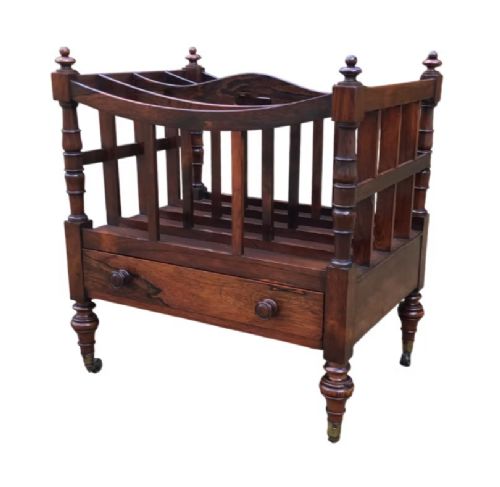
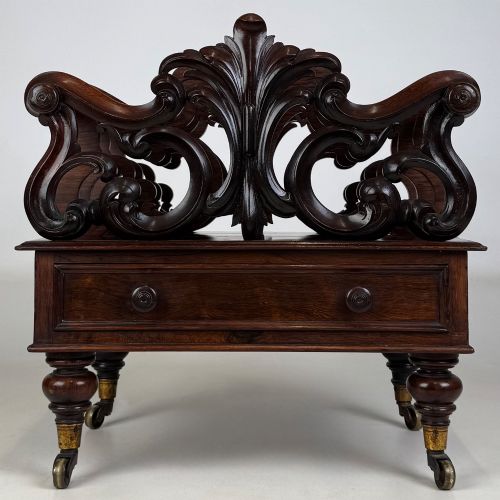
- A low multi-partitioned stand used originally for sheet music and books, often fitted with castors and a small drawer below. These items frequently feature vertically slatted dividers.
- Étagère
- A set of open shelves supported by slender pillars, designed for displaying small ornaments and curiosities. They often take tiered forms.
- Jardiniere stand
- A tall pedestal or small table specifically built to support a plant pot or flower vase, sometimes incorporating an inset marble top to catch spills. They appear in various regional styles.
- Rosewood
- A heavy, durable timber prized for its dark purple-brown hue and distinctive contrasting grain patterns. It takes a high polish.
- Barley twist
- A structural turning shaped like a spiral resembling twisted barley sugar, common on the legs and supports of nineteenth-century tables.
Vintage Rosewood Stand: Frequently Asked Questions
What is a vintage rosewood stand used for?
These pieces serve multiple domestic functions, acting as lamp tables, plant pedestals, or dedicated holders for periodicals and books. Their varied forms allow them to fit into hallways, living rooms, and studies.
Smaller occasional versions sit easily beside seating, while taller tiered stands utilise vertical space for display without demanding a large footprint.
How do I care for rosewood furniture?
Rosewood benefits from regular dusting with a soft, dry cloth to protect the polished surface from abrasive particles. Avoid placing pieces in direct sunlight or near heat sources to prevent timber splitting.
Applying a suitable wax polish occasionally helps nourish the grain and maintain the deep sheen characteristic of these hardwoods.
How do I distinguish Regency from Victorian stands?
Regency pieces typically display restrained neoclassical lines, classical proportions, and brass mounts or inlay. They reflect the early nineteenth-century taste for clean geometry.
Victorian stands often embrace heavier proportions, exuberant carving such as barley twists, and more elaborate detailing across surfaces and tiers.
Are Anglo-Indian stands made of rosewood?
Anglo-Indian pieces frequently combine dense local hardwoods with intricate hand-carved ornamentation, sometimes incorporating exotic woods or contrasting bone inlay. Many feature octagonal tops and folding bases.
While some utilise solid rosewood, others employ related dense tropical timbers native to the regions where British colonial craftsmanship flourished.