




Vintage Rose Gold Brooch
A vintage rose gold brooch carries the warm, coppery hue of past centuries, offering a distinct wearable piece of history.
Vintage Rose Gold Brooch
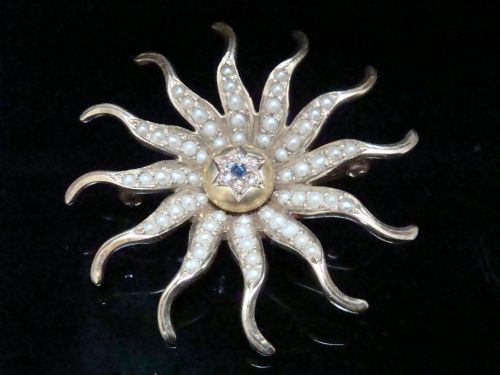
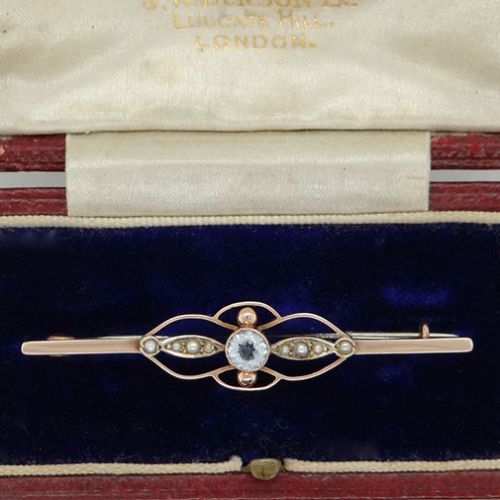
The selections on this page heavily feature Edwardian and early twentieth-century designs, alongside older Georgian and Victorian examples. Common formats include delicate bar brooches, crescent shapes, heart-shaped pendants, and intricate cluster pins.
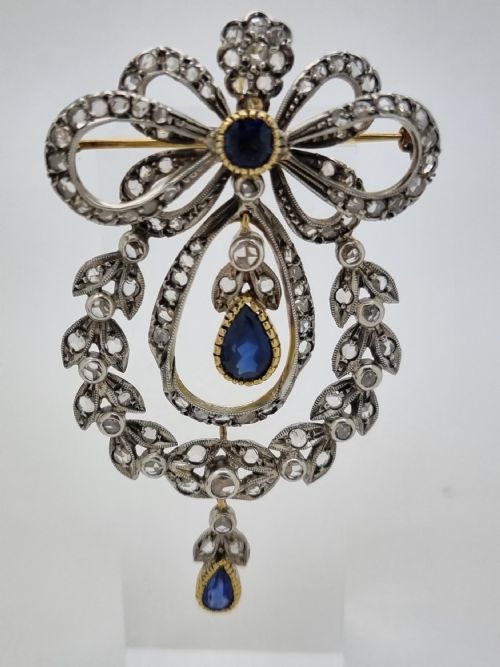
Many of these jewels double as pendants, offering versatile ways to wear the item. The combination of rose gold with pearls, diamonds, rubies, and sapphires defines the typical visual character of these accessories.
Materials and construction
Goldsmiths shaped these pieces using nine-carat, fifteen-carat, and eighteen-carat rose gold, occasionally combining the metal with silver or platinum to mount stones securely. Plique-à-jour enamel and hand-engraved details frequently appear alongside the metalwork.
Gemstones including rose-cut diamonds, pearls, aquamarines, opals, rubies, and sapphires are set by hand into the metal frames. Construction techniques range from delicate openwork wire frames to substantial cast cluster settings.
The listings here incorporate nine-carat and eighteen-carat rose gold, alongside silver and platinum combinations.
Assessing quality and craftsmanship
Quality in these jewels rests on the crispness of the metalwork and the harmonious arrangement of the set stones. Finer examples display meticulous hand-engraving, secure claw or bezel settings, and well-balanced proportions that sit gracefully when pinned.
The distinction between standard production and exceptional work lies in the delicacy of the filigree, the matching of natural pearls, and the absence of clumsy repairs to the pin stems or hinges.
The Vintage Rose Gold Brooch Glossary
- Bar brooch
- A narrow pin formed in a straight horizontal line, often decorated with a central cluster or set with uniform stones.
- Rose-cut diamond
- An antique diamond cut with a flat base and a faceted dome, designed to catch candlelight rather than electric illumination.
- Plique-à-jour
- An enamel technique resembling miniature stained glass, where transparent enamel is held within a wire frame without a backing.
- Chester Assay
- An official mark stamped on British precious metals indicating testing at the assay office in Chester, now inactive.
Vintage Rose Gold Brooch: Frequently Asked Questions
How do I wear a vintage brooch today?
These pieces pin securely onto jacket lapels, heavy scarves, knitwear, or velvet ribbon worn around the neck. Many designs featuring hidden loops also allow the piece to hang from a chain as a pendant.
Ensure the fabric is sturdy enough to support the weight of the metal and gemstones without sagging. Using a small backing disc behind the fabric can help distribute the weight of heavier cluster pins.
What is rose gold?
Rose gold is an alloy created by mixing pure yellow gold with a high proportion of copper, which imparts the characteristic pinkish-red tint. The exact shade varies depending on the ratio of copper and other metals used in the alloy.
Older pieces often show a softer, warmer blush compared to modern equivalents due to differences in historical alloying practices and surface patina.
How do I care for antique gemstone jewellery?
Clean these items gently using a soft, dry cloth to remove surface dust. Avoid submerging pearl or opal pieces in liquid cleaners, as moisture can damage organic gems and porous stones.
Store each brooch separately in a lined box or pouch to prevent the metal pins from scratching other items in your collection.
How do I tell an Edwardian brooch from a Georgian one?
Edwardian pieces, dating from around the start of the twentieth century, typically utilise platinum-topped gold, airy openwork filigree, and light-reflecting diamonds or pearls. They often feature delicate floral or ribbon motifs.
Georgian items originate from the eighteenth century and generally display hand-cut stones set in closed-back foils, heavier hand-wrought gold, and designs focused on romantic or natural subjects.