

Vintage Roman Numeral Clock
A vintage roman numeral clock brings architectural presence and mechanical reliability to a room through traditional dial markers and timber or brass casing.
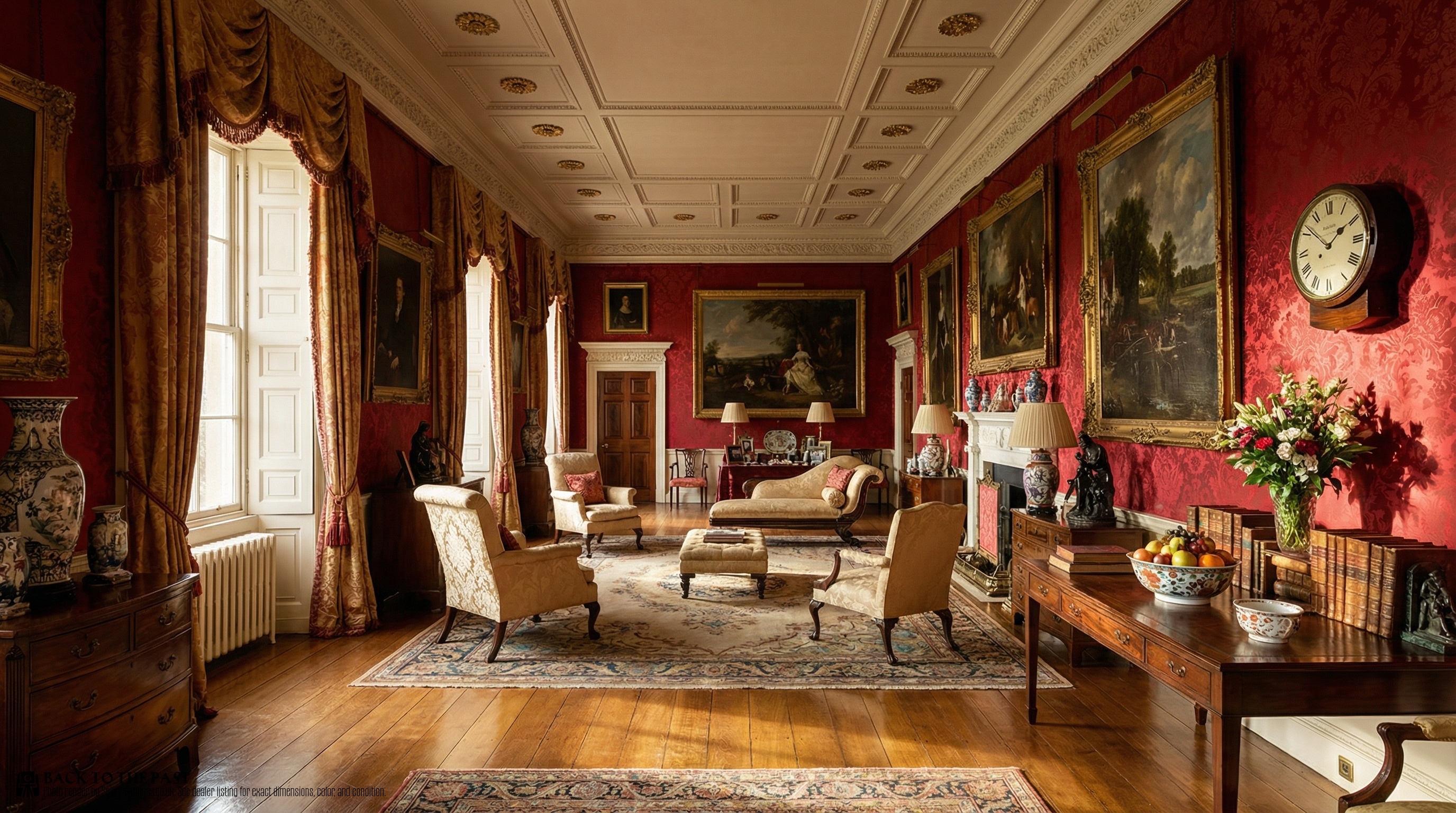
Vintage Roman Numeral Clock
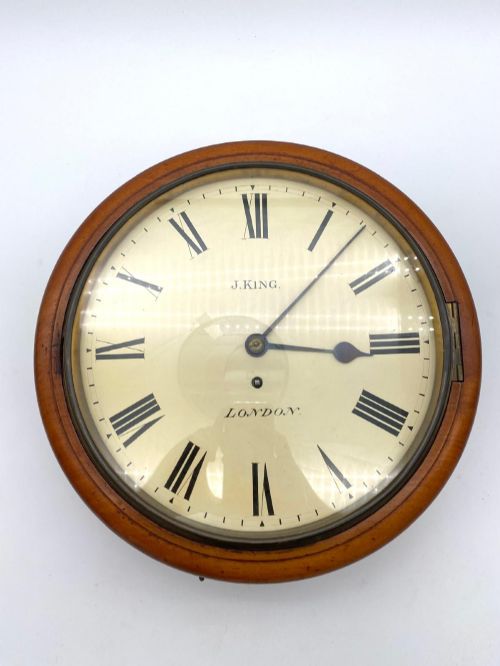
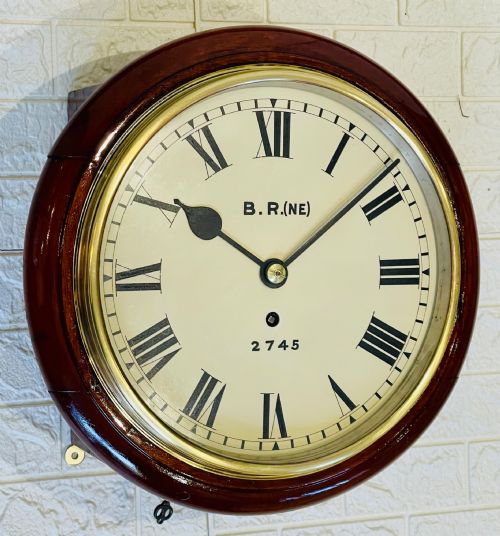
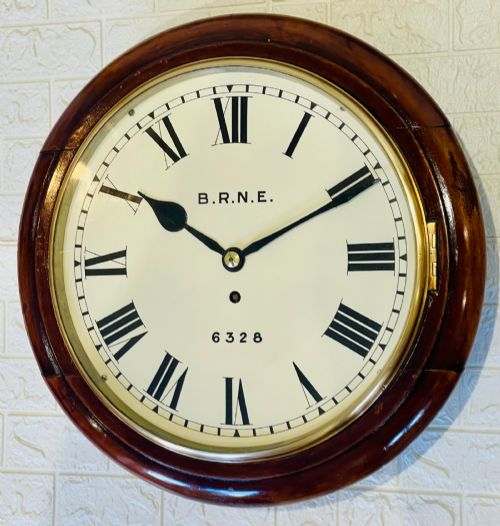
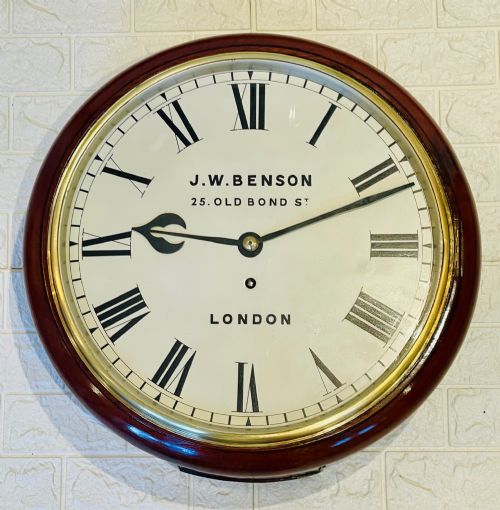
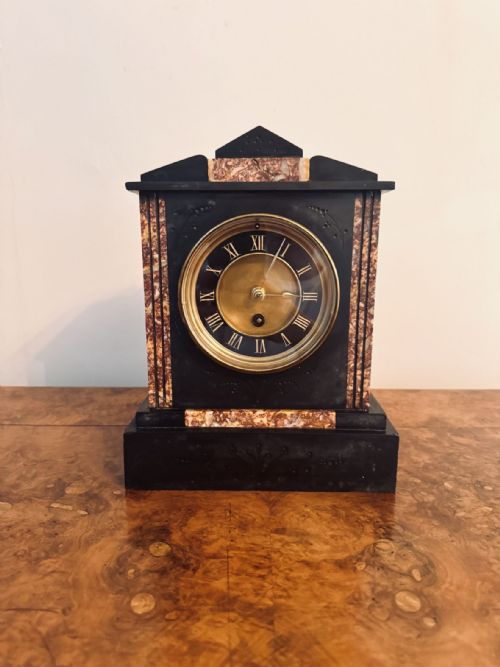
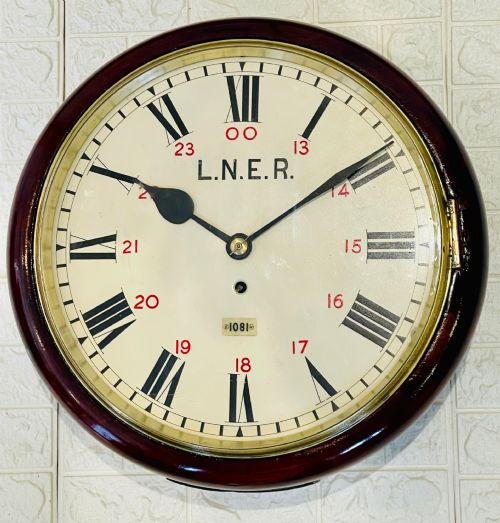
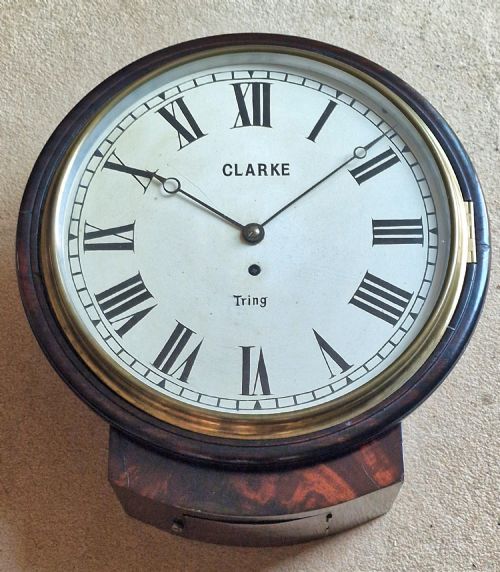
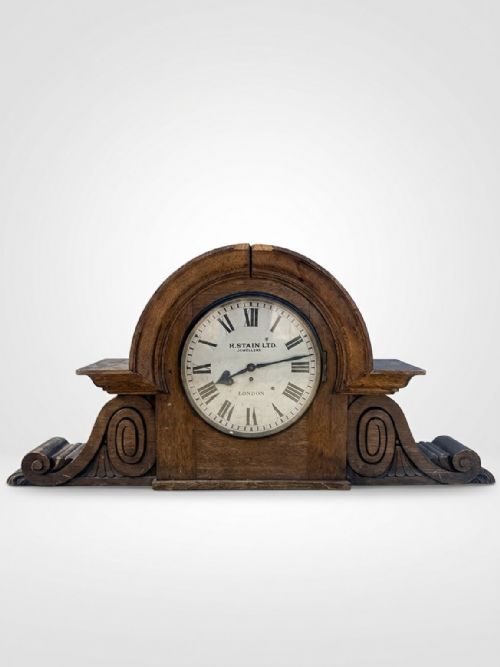
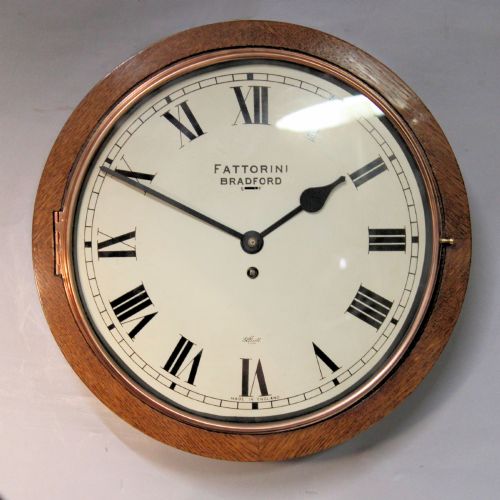
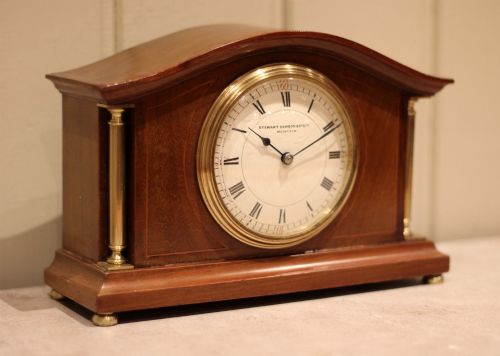
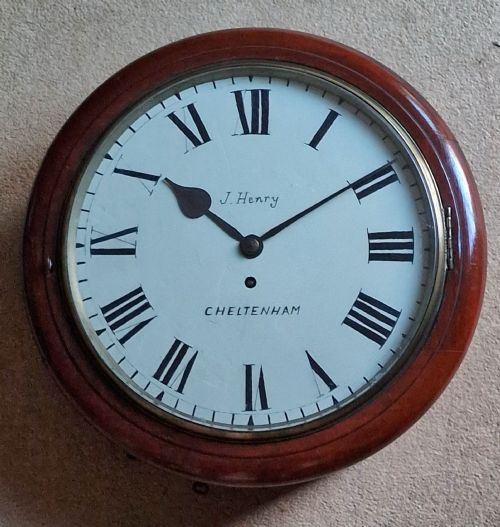
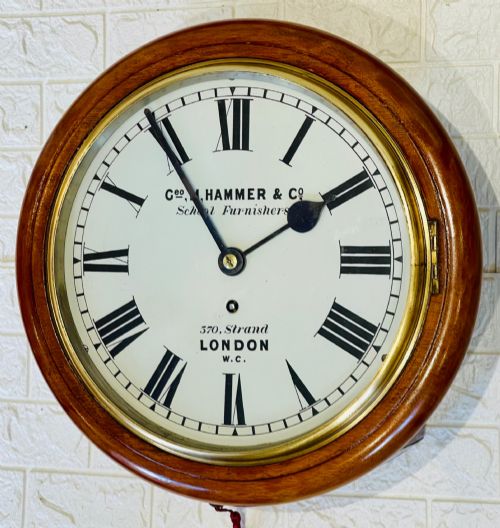
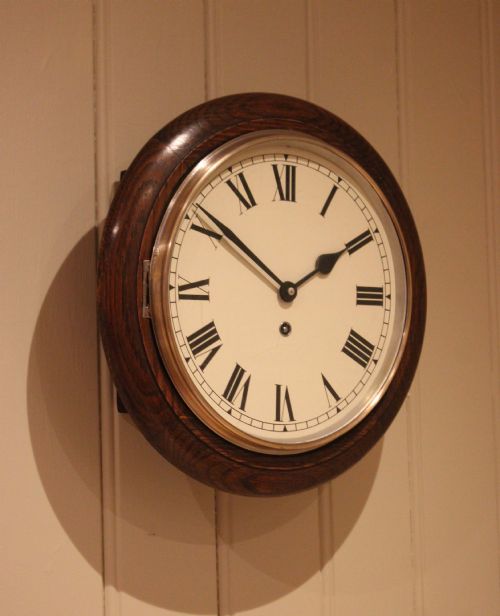
A vintage roman numeral clock encompasses timepieces featuring classic numeric characters upon their dials, drawing from centuries of British and continental horology. Buyers searching for a vintage roman numeral clock frequently encounter wall-mounted railway dials, domestic mantel pieces, and architectural salvage faces.
The selection ranges from robust Victorian and Edwardian fusee wall clocks to compact early twentieth century desk pieces and large tower clock faces. Mahogany, oak, and brass dominate the physical forms, spanning functional station markers to decorative household timekeepers.
Materials and Construction
Horologists utilised durable hardwoods such as mahogany and oak to house intricate mechanical movements, often pairing the timber cases with protective brassbezels and glass face covers. Dial faces typically combine painted enamel or metal grounds with hand-painted or cast roman numerals.
Movements rely on traditional mechanisms like fusee chains, lever escapements, and eight-day spring or weight-driven configurations to maintain accurate time. Cabinetmakers employed marquetry, inlay, and straightforward joinery to finish the wooden housings.
Vintage Roman Numeral Clock Retail Price Guide 2026
Typical asking prices for vintage roman numeral clock among the pieces listed under this phrase on Sellingantiques today, from the lower quarter to the upper quarter. They describe what is for sale here now, not the wider market.
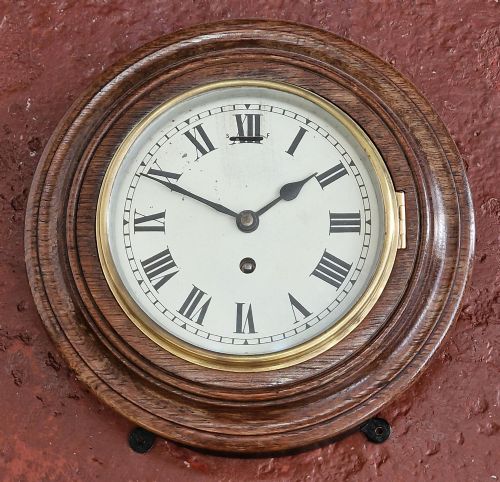
Several timepieces retain wartime ministry stamps and sturdy beech cases, having survived turbulent periods of British history on station walls.
Assessing Craftsmanship
Quality rests upon the precision of the mechanical movement and the integrity of the cabinetwork, where original components and maker signatures elevate a piece. Superior examples exhibit crisp dial painting, well-figured timber grain, and finely finished brasswork without excessive modern replacements.
Provenance and specialised regional use, such as railway or post office service markers, distinguish utilitarian production from finer domestic bracket clocks. The legibility of the roman numerals and the steady operation of the fusee or lever mechanism determine daily reliability.
Elliott·Henry Marc·Connell of London·Piggin Norwich·Van Cleef Arpels
The Vintage Roman Numeral Clock Glossary
- Fusee
- A conical pulley used in clock movements to maintain even tension on the chain as the mainspring unwinds.
- Dial clock
- A wall-mounted timepiece featuring a prominent circular face, historically utilised in public buildings, stations, and offices.
- Bracket clock
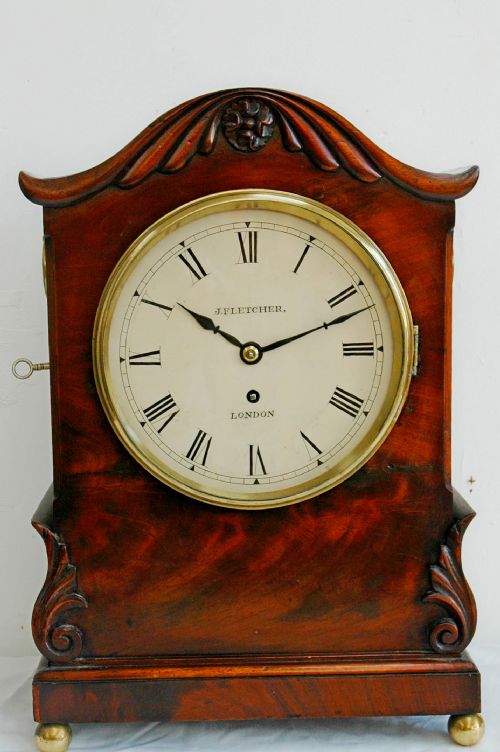
- A portable household clock, traditionally designed to sit upon a dedicated wall bracket or mantel.
- Escapement
- The mechanical linkage that controls the release of power to regulate the motion of the clock hands.
Vintage Roman Numeral Clock: Frequently Asked Questions
How do fusee clocks work?
A fusee movement employs a conical pulley and chain to equalise the declining power of the mainspring.
This mechanical arrangement ensures the clock maintains steady force and accurate timekeeping throughout its running cycle.
Where were dial clocks used?
Dial clocks served primarily in functional public spaces including railway stations, post offices, and schools.
Their clear roman numeral layout allowed groups to read the time quickly from a distance.
How do I wind a mantel clock?
Winding requires inserting a matching key into the designated arbour on the dial face and turning it gently.
Care must be taken not to overwind the spring, which can damage the internal mechanism.
Are railway clocks different from domestic ones?
Railway and station clocks prioritize stark legibility, robust brass bezels, and durable oak or mahogany cases.
Domestic mantel clocks often incorporate finer wood veneers, glass inlays, and decorative architectural carvings.