


Vintage Recording Barograph
A vintage recording barograph registers atmospheric pressure on paper charts, combining precision mechanics with handsome cabinetry for the home.
Vintage Recording Barograph
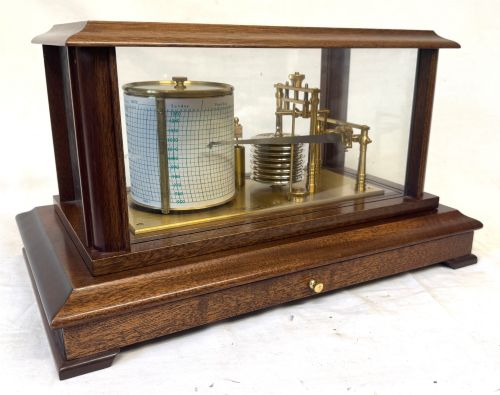
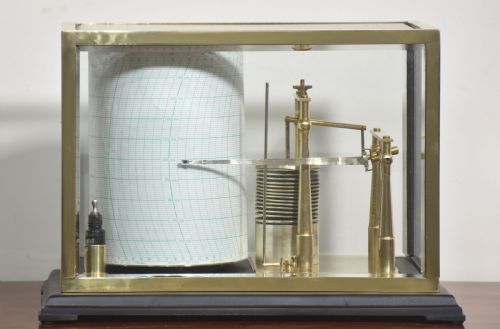
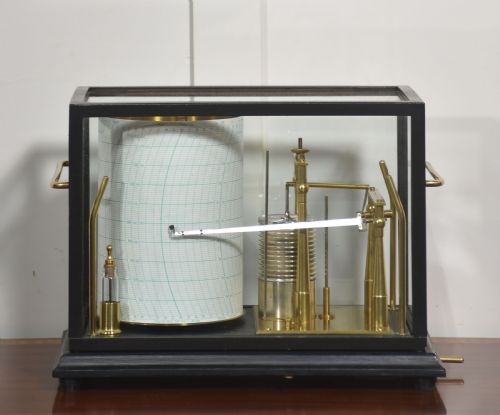
A vintage recording barograph is a mechanical weather instrument that plots barometric pressure changes over time onto a rotating drum. When you search this phrase, you encounter instruments housed in glazed wooden cases designed to sit on a desk or mount to a wall.
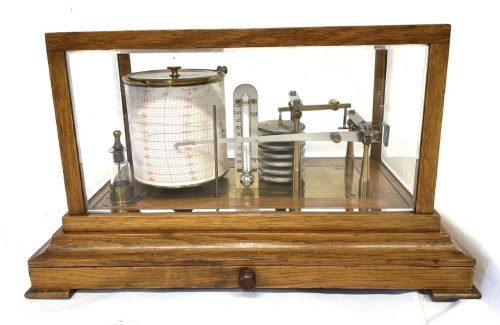
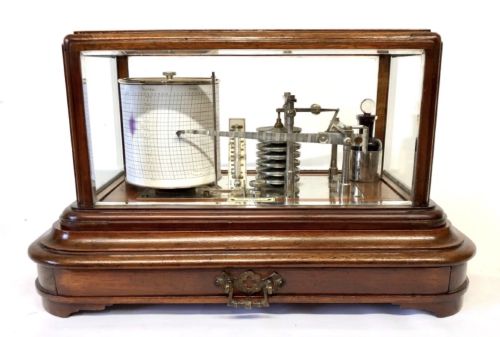
The versions most common on this page date from the Victorian and Edwardian periods through to the interwar years and the mid-twentieth century. Many examples incorporate an auxiliary thermometer or an integral drawer for storing spare paper charts.
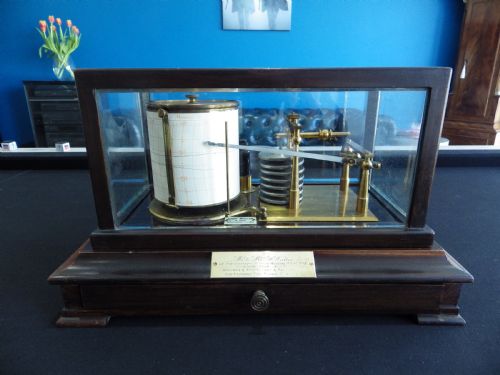
Makers housed these brass and steel mechanisms inside mahogany, oak, or walnut cabinetry fitted with bevelled glass panels. Some pieces combine the recording drum with an aneroid barometer dial or originate from specific retailers and provincial opticians.
Materials and construction methods
Instrument makers utilised brass and steel for the sensitive aneroid diaphragms and clockwork drums that drive the recording arm. These moving parts require careful calibration to translate atmospheric shifts into legible ink traces.
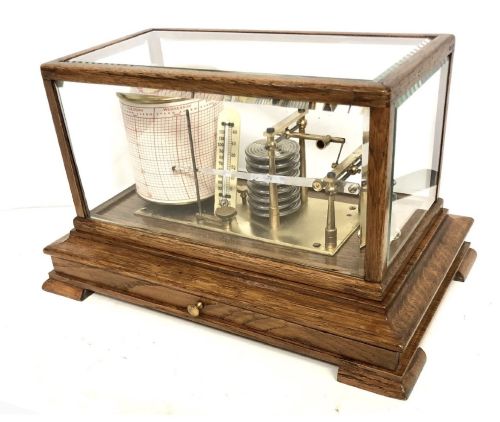
Cabinet makers enclosed the mechanisms in polished mahogany, oak, or walnut, frequently incorporating five glass panels to display the inner workings. Bevelled glass and dovetailed joints distinguish the better enclosures.
Makers fitted brass chart drawers beneath the main platform to hold the daily or weekly paper records. Paper charts were printed specifically for these instruments to match the drum rotation speed.
Railway and Southend interest recordings remind us that early barographs travelled beyond the parlour to log coastal and transit pressures.
Distinctions in execution and condition
The distinction between standard commercial production and superior execution lies in the refinement of the movement and the weight of the timber case. Maker reputation strongly influences desirability, with established scientific houses commanding greater attention.
The integrity of the glass panels and the preservation of the original lacquered brass finish affect the character of the piece. Crisp engraving on the maker plates and smooth operation of the clockwork mechanism denote higher execution.
Short And Mason·Negretti And Zambra·Casella London·R Fuess·Jules Richard·Richard Freres·Harrods Of London·Robson Of Newcastle·Gaupp And Co·Depree And Young·Dobbie Son And Hutton·Russell Norwich·Antoine Redier
The Vintage Recording Barograph Glossary
- Aneroid barograph
- A weather recording instrument that operates without liquid by using expanding metal capsules. It translates pressure changes directly onto a rotating paper drum.
- Chart drawer
- A shallow compartment built into the base of the wooden case. It holds spare weekly paper charts and spare ink bottles.
- Bevelled glass
- Glass panes with angled edges fitted into the cabinet corners. This technique adds depth and light reflection to the display case.
- Thermometer
- A temperature gauge mounted alongside the main pressure drum. It provides additional meteorological data within the same wooden housing.
Vintage Recording Barograph: Frequently Asked Questions
How do I change the chart paper?
You lift the hinged brass drum off its spindle to slip the new paper chart around the cylinder. Secure the edge in the small metal clip before winding the clockwork movement.
Ensure the pen nib aligns with the correct starting line for the current day of the week. Replenish the ink sparingly to maintain a fine, clear trace.
Where should I place a barograph?
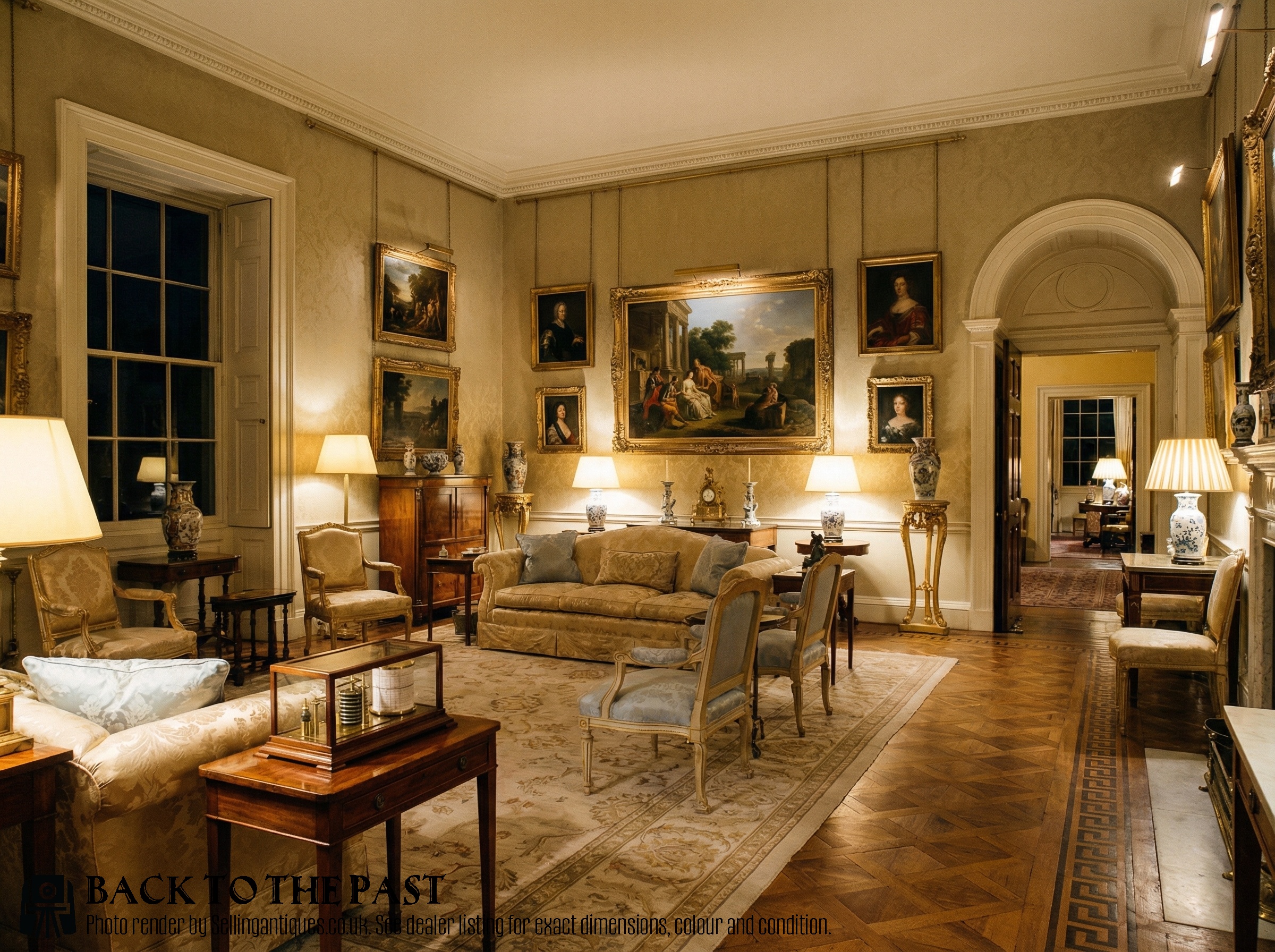
Position the instrument on a stable, level surface away from direct sunlight, radiators, and heavy vibrations. A quiet library shelf or a study desk suits the polished wooden case best.
Keep the instrument out of damp areas to protect the brass mechanism and the timber housing from moisture damage.
How do I date these instruments?
Examine the style of the wooden cabinetry, the font on the maker's signature plate, and the paper paperwork inside the drawer. Victorian and Edwardian examples often feature heavier mouldings and distinct retailer signatures.
Later mid-century pieces display simpler case lines and lighter timbers such as oak or walnut.
Do these barographs still function?
Many surviving examples retain working movements that respond accurately to weather shifts. Regular servicing of the clockwork drum keeps the recording arm moving smoothly.
Some pieces serve primarily as decorative scientific objects for display while retaining their historical mechanical integrity.