


Vintage Pricket Holder
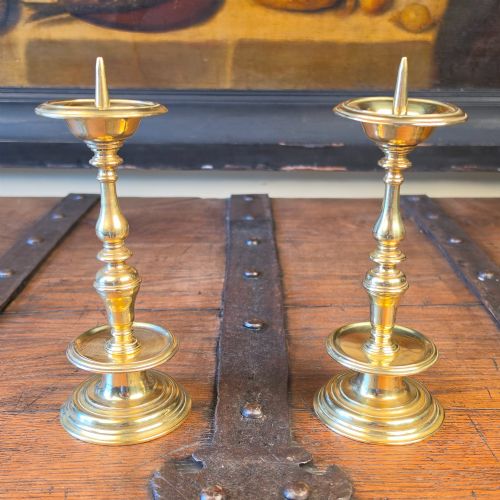
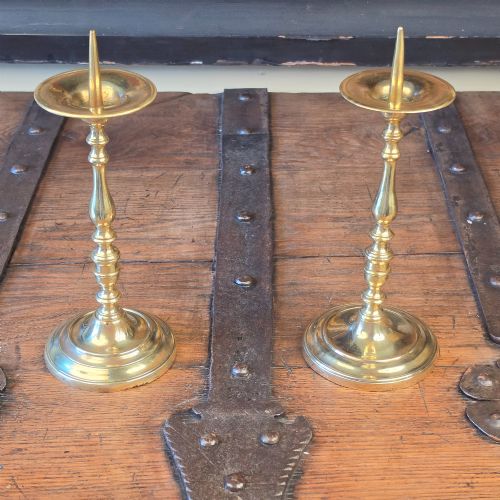
These vintage pricket holder pieces provide the spiked central spike required to secure large altar and church candles with genuine period character.
Vintage Pricket Holder
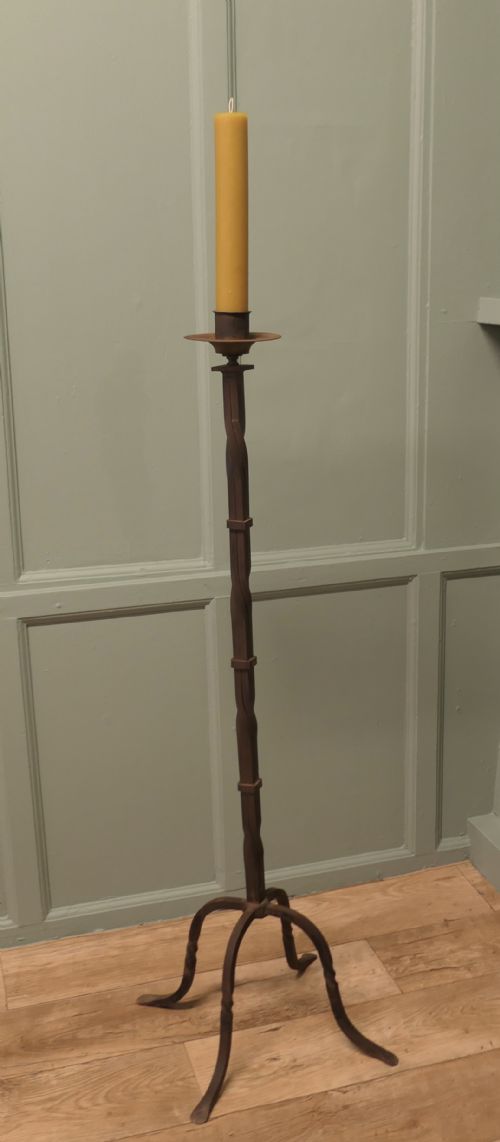
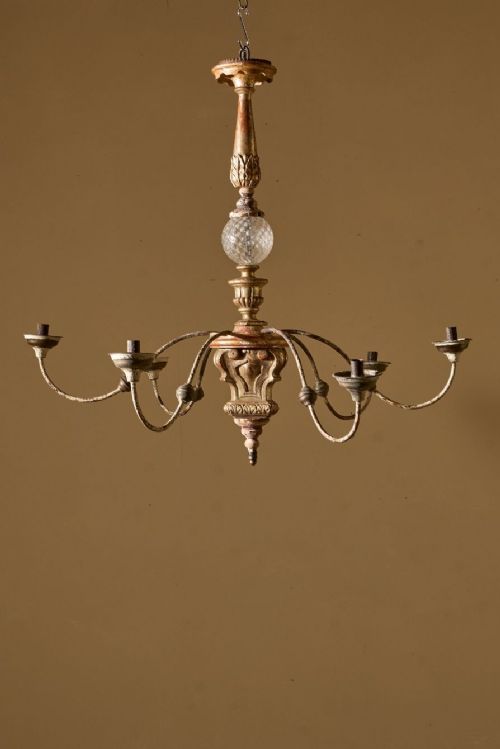
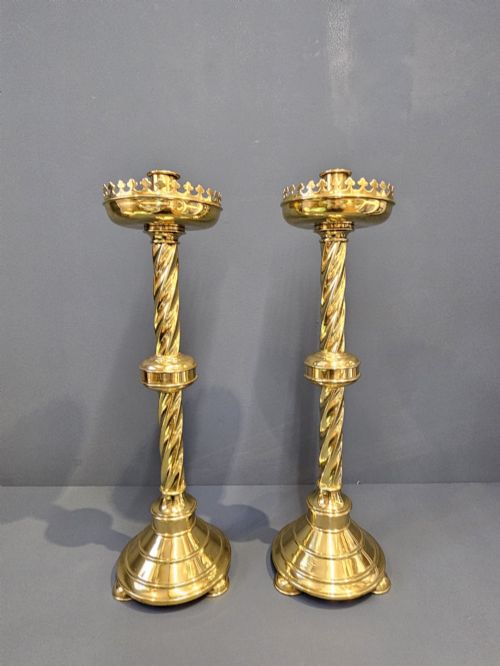
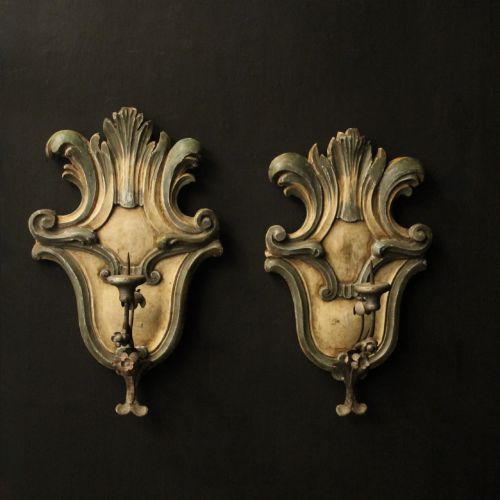
A vintage pricket holder brings together altar furniture, wall sconces, and floor-standing candle holders from the nineteenth and early twentieth centuries. When searching for a vintage pricket holder, buyers encounter brass church candlesticks, carved oak candle lights, and giltwood Italian pieces designed to hold tapers on a vertical spike.
The selections span styles from Gothic Revival and Baroque to Amsterdam School and Art Deco. Floor-standing church candle holders and large pairs of heavy brass or bronze examples appear frequently alongside wall sconces and chandeliers.
How they were made
Makers shaped these items using foundational metalworking techniques, casting heavy brass, bronze, copper, and iron into substantial forms. Many metal examples display patinated finishes or combination structures joining brass with iron components.
Carvers worked with timber such as oak and treen, applying gesso and giltwood to create ornate surface decoration. Artisans then fitted these wooden and metal bodies with the characteristic sharp spikes required to impound large candles.
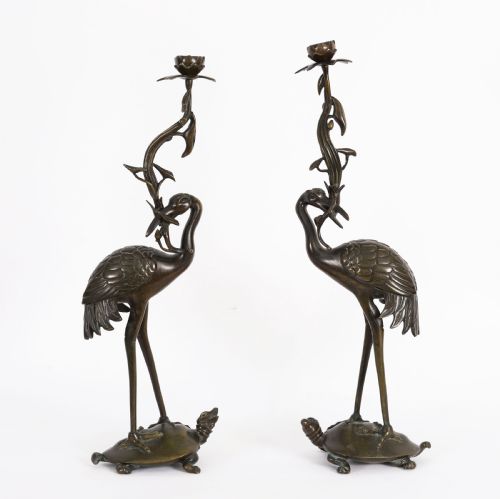
Angels, heavy church brass, and Japanese bronze stand shoulder to shoulder on the altar.
What varies in quality
The distinction between standard items and exceptional pieces lies in the weight of the metal casting and the depth of the carving. Heavier brass and bronze pieces, alongside finely detailed carved oak and giltwood surfaces, command greater presence.
Design coherence also defines the upper tier, particularly in Amsterdam School creations or Italian Florentine sconces where form and material align. Proportion and the integrity of the original pricket spike separate everyday items from substantial church-scale examples.
The Vintage Pricket Holder Glossary
- Pricket
- A sharp metal spike projecting upwards from the centre of a drip pan to hold a candle securely in place. This mechanism is characteristic of traditional church candlesticks and altar lights.
- Torchère
- A tall ornamental stand or candlestick designed to support a light source. These floor-standing pieces often feature elongated wooden or metal shafts.
- Giltwood
- Timber that has been coated with a thin layer of gold leaf or gold paint. This technique appears frequently on decorative Italian and continental candle holders.
- Amsterdam School
- An architectural and design movement from the early twentieth century characterised by expressive forms and rich texturing. Pieces from this style utilise brass, copper, and iron with distinctive sculptural silhouettes.
- Gesso
- A plaster-like mixture applied to wood surfaces to prepare them for painting or gilding. It allows carvers to build up smooth relief details before applying gold leaf.
Vintage Pricket Holder: Frequently Asked Questions
What is a pricket holder?
A pricket holder is a lighting fixture featuring an upward-facing metal spike designed to impale the base of a large candle. This design was standard for church altars before the widespread use of socket-style candle holders.
Today, these pieces function as decorative floor stands, table candlesticks, and wall sconces. They accommodate thick candles and provide a distinctive silhouette rooted in ecclesiastical history.
How do I date a brass candlestick?
Dating involves examining the casting quality, the composition of the metal, and the tool marks left behind during manufacture. Heavier castings and specific patination often indicate nineteenth-century or earlier origins.
Stylistic cues such as Amsterdam School geometric lines or Gothic Revival motifs help narrow the manufacturing window. Comparing the construction methods of the base and the pricket spike provides further chronological context.
Where were these pieces used?
Most of these items originated in European churches, chapels, and grand domestic interiors. Floor-standing models stood beside altars or within large halls, while smaller pairs sat on side tables.
Wall sconces and chandeliers provided illumination in corridors and reception rooms. Their origins span Italy, France, Britain, and Japan, reflecting diverse religious and decorative traditions.
How do I clean patinated metal?
Cleaning requires a careful approach to preserve the historic surface and colour of brass, bronze, or copper. Gentle dusting with a soft cloth removes everyday debris without disturbing the aged finish.
Harsh chemical polishes should be avoided because they strip away desirable oxidation and historical character. Professional advice is recommended if deeper conservation is necessary.