


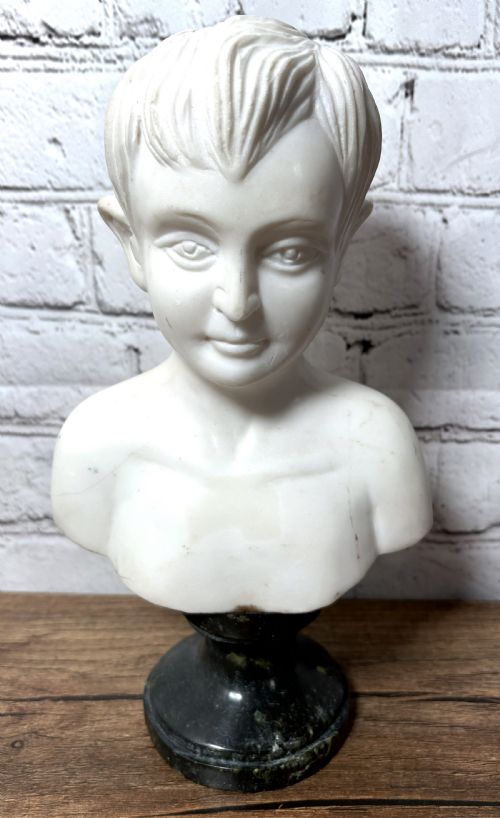


Vintage Portrait of Boy
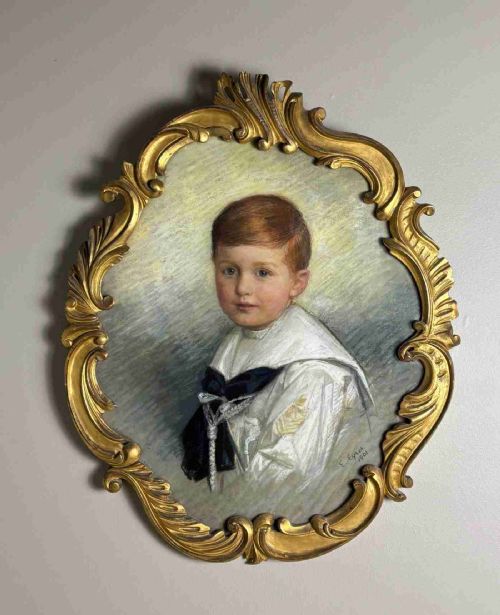
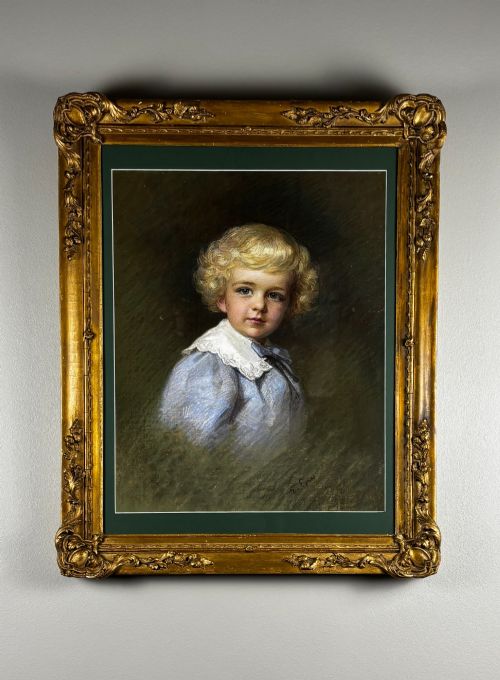
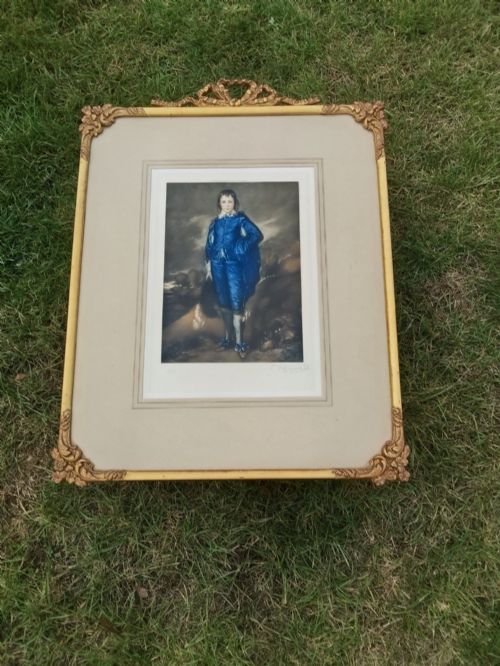
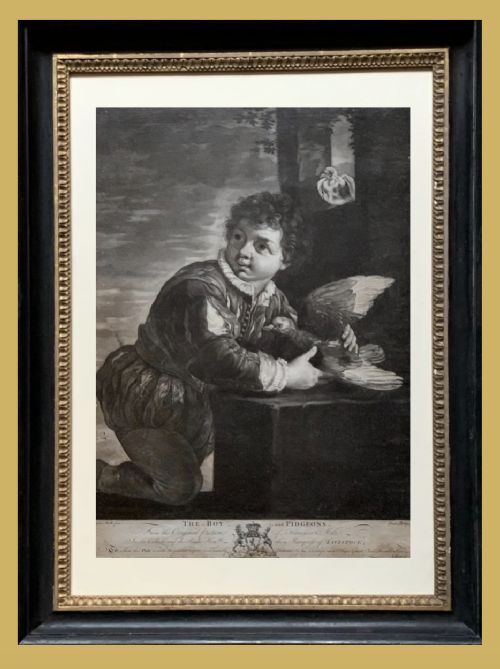
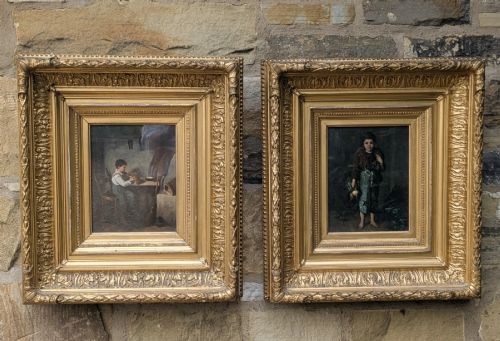
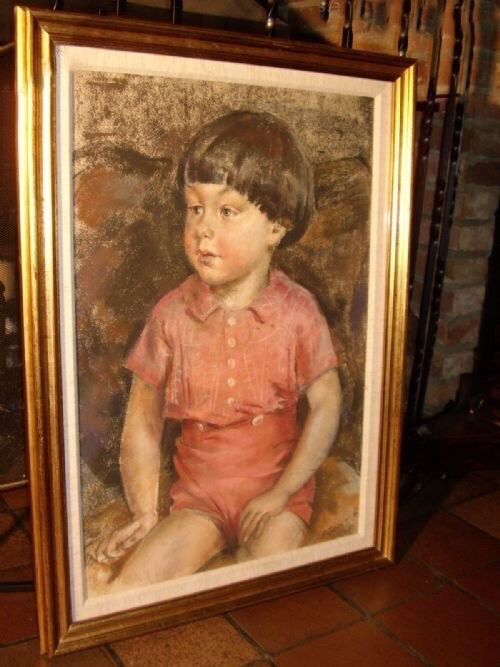
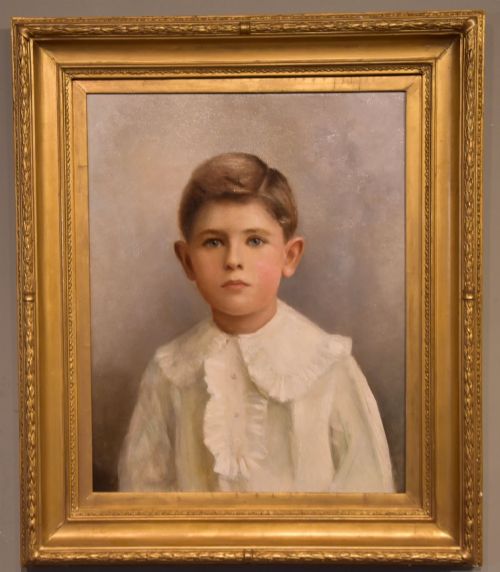
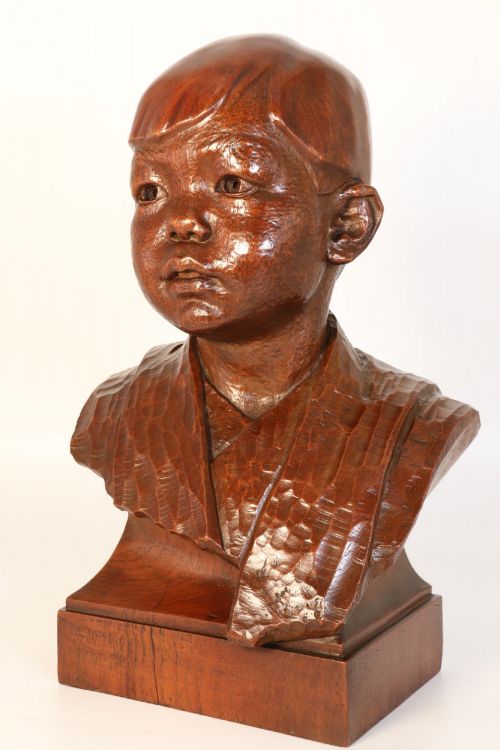
A vintage portrait of boy brings character into a room through oil, watercolour, and carved stone.
Vintage Portrait of Boy
A vintage portrait of boy captures childhood through paintings, prints, and sculptures spanning multiple centuries. Buyers encounter diverse interpretations ranging from Georgian mezzotints to mid-century canvases.
The selections on this page feature oil paintings, watercolours, and sculptural busts in marble, wood, and alabaster. Works originate from British, Scottish, and Italian hands across various historic periods.
Subjects appear alone, with pets, or engaged in everyday scenes set against interior or rural backgrounds. Styles shift from 19th-century realism to early 20th-century modernism.
Materials and construction methods
Artists painted oil on canvas, applied pastels and gouache to paper, and worked with watercolours. Sculptors carved walnut, alabaster, Carrara marble, and standard marble into three-dimensional busts.
Framing utilised gilt wood to house paintings and prints behind glass. Printmakers produced mezzotints and decorative prints using traditional plate methods on paper.
Vintage Portrait of Boy Retail Price Guide 2026
Typical asking prices for vintage portrait of boy among the pieces listed under this phrase on Sellingantiques today, from the lower quarter to the upper quarter. They describe what is for sale here now, not the wider market.
Listed items cover the 18th, 19th, and 20th centuries, including Edwardian and mid-century works.
Distinctions in quality
Quality rests upon the skill of the artist in rendering expression, proportion, and texture within the medium. Finer works demonstrate confident brushwork or precise carving in stone and wood.
Material permanence and original framing contribute to the standing of a piece. Documented attributions to named artists elevate the significance of individual works.
John Boydell·Pier Francesco Mola·Henry Windsor Fry·J A Grant·Emily Eyres·George Henry Paulin·Septimus Scott·Luca Postiglione·Mieczyslaw Leon Zawiejski·Paul Jones·Herbert Butler·Molly Maurice Latham·Frank Owen Salisbury·William Orpen·Sir James Guthrie
The Vintage Portrait of Boy Glossary
- Mezzotint
- A printmaking process of the tonal engraving category where the artist works from dark to light. This method produces rich, velvety blacks and subtle gradations.
- Oleograph
- A type of chromolithography designed to imitate an oil painting on canvas. These mechanical reproductions gained popularity in the 19th century.
- Gouache
- An opaque water-based paint medium containing pigment and a binding agent. It provides solid, flat areas of colour.
- Bust
- A sculpted or cast representation of a person from the chest up. Busts utilise materials such as marble, alabaster, and walnut.
- Attributed to
- A term used when a work shows the style of a specific maker without definitive documentation. Experts assign the piece based on stylistic comparison.
Vintage Portrait of Boy: Frequently Asked Questions
How should I hang a framed portrait?
Position the centre of the artwork at eye level to establish a balanced visual focal point within the room. Consider lighting carefully to prevent glare on glass surfaces.
Ensure wall fixings match the weight of the frame, especially for heavy oil paintings or gilt wood structures.
Are these works original pieces?
The selection includes original oil paintings, watercolours, pastels, and hand-carved stone sculptures. Each piece originates from the period stated in the description.
Printed items and oleographs represent period reproductions rather than unique paintings.
How do I care for marble busts?
Dust marble and alabaster sculptures regularly with a soft, dry cloth to prevent dirt accumulation. Avoid using chemical cleaners or excessive water on porous stone.
Keep carved pieces away from direct heat sources and strong sunlight to protect the material.
What periods do these portraits cover?
The listings span from the 18th century through the Georgian, Victorian, Edwardian, and mid-20th-century eras. Each period brings distinct artistic styles and framing traditions.
Dates reflect the recorded creation period of the individual artwork.