



Boy Portrait Oil Painting
This boy portrait oil painting selection spans seventeenth-century aristocratic studies to mid-century canvases, capturing childhood through centuries of shifting pigment and technique.
Boy Portrait Oil Painting
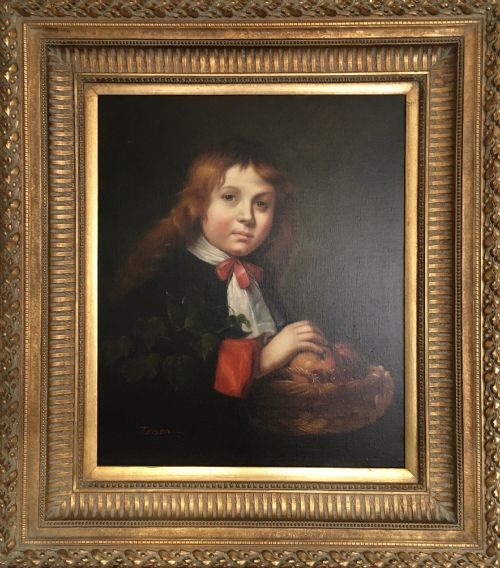
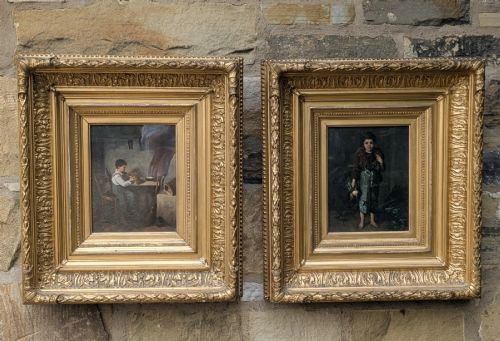
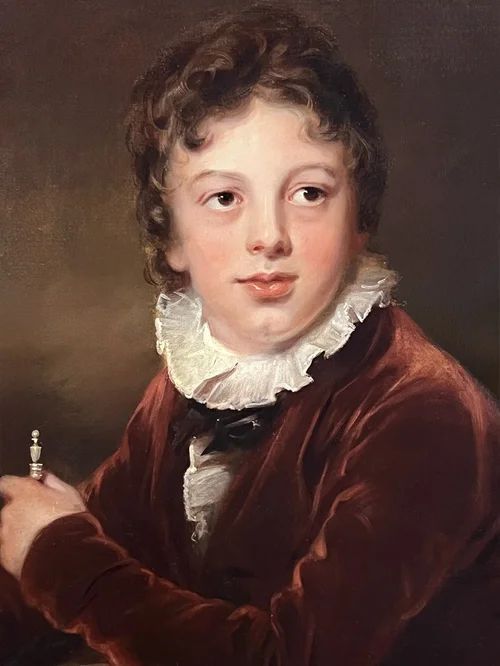
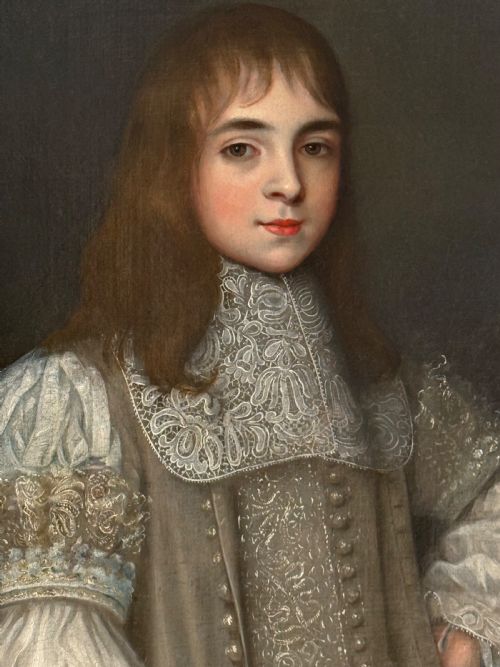
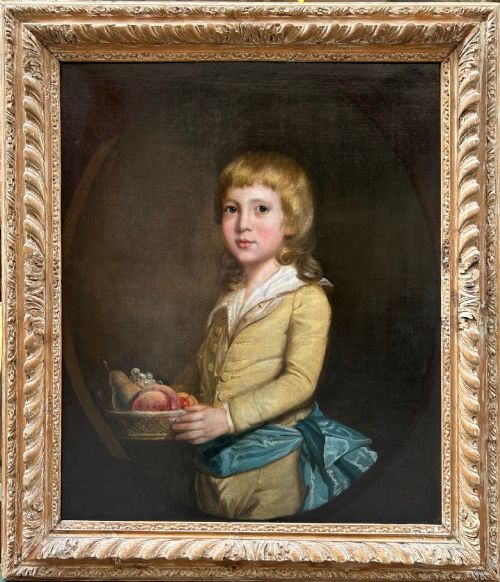
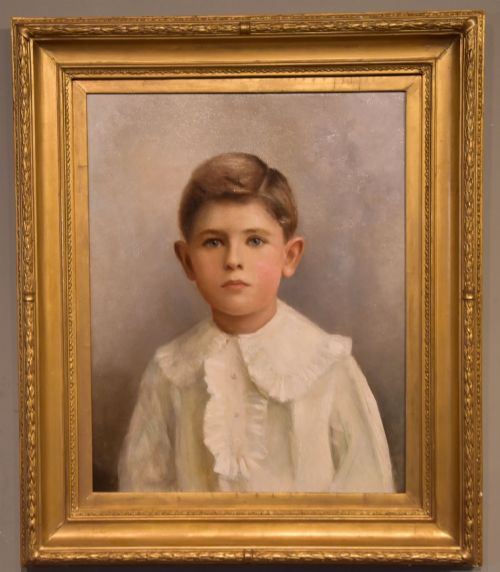
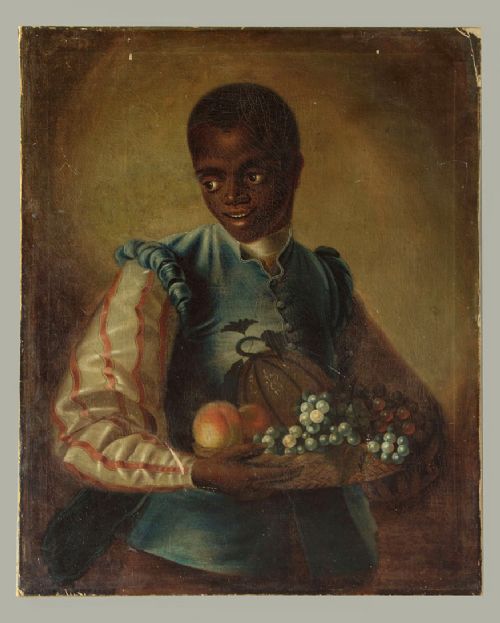
A boy portrait oil painting captures juvenile sitters across diverse historical eras, ranging from formal Baroque commissions to informal Victorian provincial canvases and twentieth-century studies. These artworks depict young subjects alone or accompanied by animals, fruit baskets, and toys such as spinning tops.
The pieces on this page originate from English, French, Italian, and Northern European schools, utilising oil on canvas, wood panels, and board. Buyers encounter both signed works by known portraitists and atmospheric pieces from anonymous regional circles.
How They Were Made
These works rely on oil paint applied to prepared canvas, wood, or board surfaces, sometimes finished with gesso and housed within giltwood and carved gilt frames. Painters built up compositions through layered pigments, blending traditional brushwork with regional glazing techniques.
Support structures range from stretched linen canvas to wooden panels, reflecting the prevailing workshop practices of periods spanning the seventeenth century to the mid-twentieth century.
Listings feature works spanning the seventeenth century to the mid-twentieth century, utilising oil on canvas, wood panel, and board.
What Varies In Quality
Quality rests upon the anatomical precision of the sitter, the handling of light across fabric and skin, and the psychological depth captured in the expression. Masterful portraitists render textiles and surrounding objects with distinct textures, whereas provincial or naive works prioritize direct charm over academic proportion.
The integrity of the original paint layer and the harmony of the accompanying period frame also distinguish superior examples from heavily restored or later decorative pieces.
JOHN MICHAEL WRIGHT·Thomas Beach·Henry Windsor Fry·Septimus Scott·Evaristo Cappelli·Luca Postiglione·Mary Beale·William Tate·Jacob Huysmans·Louis Leopold Boilly·Philip Mercier·Frank Owen Salisbury·George Romney·Sir Thomas Lawrence·Robert Byng·Henry Scott·Edward Bird·William Orpen·Sir James Guthrie
The Boy Portrait Oil Painting Glossary
- Oil on Canvas
- Pigment mixed with drying oil applied to a woven fabric support stretched over a wooden frame. This medium allowed artists to achieve rich tonal gradations and subtle blending.
- Giltwood
- Wood carved and coated with gold leaf or gold paint, frequently used for traditional picture frames. It provides a reflective border that complements the darker tones of historical portraits.
- Gesso
- A white paint mixture consisting of a binder mixed with chalk, gypsum, or pigment, used as a preparation surface for wood panels or canvas. It creates a smooth, stable ground for oil painting.
- Circle of
- A designation indicating that a painting was produced by an unidentified artist working during the same period and within the style of a master. It denotes close artistic proximity without direct attribution.
- Baroque
- An artistic style prevalent from the early seventeenth to mid-eighteenth century characterised by drama, deep shadow, and rich colour. Portraits from this era emphasise elaborate costume and theatrical lighting.
Boy Portrait Oil Painting: Frequently Asked Questions
How do I identify the period of a portrait?
Dating relies primarily on the sitter's costume, hair style, and collar shape, which shifted rapidly across the seventeenth, eighteenth, and nineteenth centuries. Frame styles and canvas preparations offer additional clues to the era of creation.
Secondary indicators include the handling of pigment, regional painting conventions, and any accompanying inscriptions or historical records associated with the canvas.
What subjects typically accompany the sitters?
Portraits frequently incorporate animals such as spaniels, setters, or horses, alongside symbolic objects like fruit baskets, birds' nests, spinning tops, or model boats. These elements often reflect the status, interests, or allegories intended by the patron.
In many historical works, pets and toys served to keep young sitters still during lengthy sittings while adding narrative depth to the composition.
Are these paintings cleaned or restored?
Many historical oil paintings have undergone conservation work, such as surface cleaning, varnish removal, or canvas relining, to ensure long-term stability. Professional interventions aim to preserve the original pigment layer while arresting physical degradation.
Documentation of past restoration helps maintain the historical and visual integrity of the artwork.
How should I display an oil painting at home?
Hang oil paintings away from direct sunlight, heating vents, and damp environments to prevent canvas warping, paint cracking, and pigment fading. Stable indoor humidity and temperature protect the organic materials of both canvas and frame.
Ensure the wall fixings match the weight of the heavy wooden and gilt frames typical of antique fine art.